Why Water-Based Underfloor Heating Could Be a Problem in Your Apartment
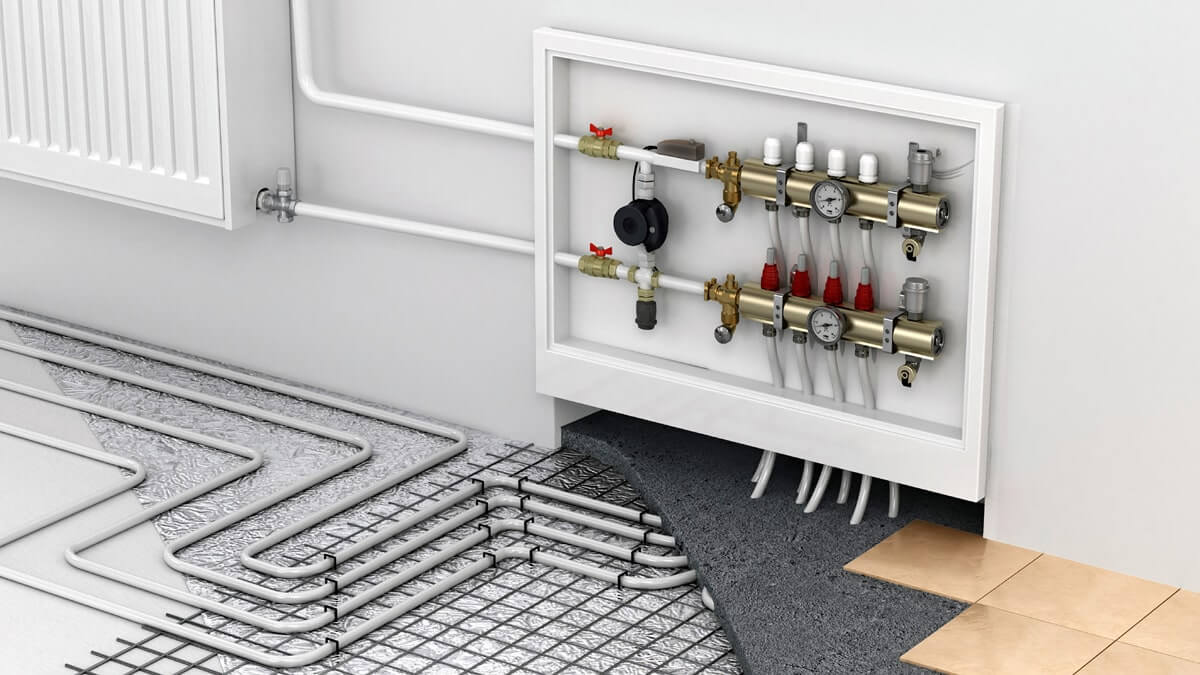
Installing a water-based underfloor heating system in multi-story apartments is often seen as an appealing alternative to traditional heating methods. However, despite its apparent benefits, there are significant reasons why this solution can turn into a major issue for apartment owners.
One of the primary obstacles to installing water-based underfloor heating is the legalities involved. According to current regulations, implementing such systems in multi-story apartment buildings can be considered illegal. This means that if the system is detected by communal services, the apartment owner would not only face hefty fines but also be mandated to dismantle the system, resulting in additional expenses.
There is also a risk to centralized heating systems. Adding an extra water circuit can lead to pressure drops in the system, which, in turn, can result in the upper floors lacking proper heat and causing disputes with utility services. This not only creates discomfort for residents but also brings about negative legal consequences.
Another significant risk is the possibility of a water leak. If the main pipeline housing the underfloor heating system gets damaged, water could start leaking into the apartments below, causing considerable damage. It's crucial to understand that in such a scenario, identifying and resolving the problem will be extremely challenging since everything might appear normal in your apartment.
Therefore, before deciding to install an underfloor water heating system in your apartment, you should carefully weigh all the pros and cons, as well as consider any potential legal and technical complications. As an alternative, we recommend using our online calculator for calculating the volume of the heating system, which will help you determine the most suitable and safe heating option for your apartment.