Exquisite Roman Style in Interior Design: Create an Atmosphere of Luxury and Elegance in Your Home
Immerse Yourself in the Atmosphere of Ancient Rome with Roman-Style Interior Design. Exclusive solutions, magnificent details, and exquisite design—create a unique space with us. Discover more about Roman style!
This is an atmosphere of elegance, luxury, and sophistication. This style is very popular in the world of interior design and can be applied to various spaces such as apartments, homes, restaurants, hotels, and other venues. In this article, we will explore the key elements of Roman style, its history, and offer tips on how to create such an interior in your own home.
History of Roman Style
Rooted deeply in the ancient history of the Roman Empire, Roman-style architecture and design played a pivotal role in creating noble and luxurious spaces. Architectural achievements and grand structures, embodied in the form of columns, arches, and pediments, have endured over the centuries and continue to inspire designers who seek to create similar interiors today.
Authentic fragments of Roman home interiors seldom survived, but archaeological excavations and the study of ancient architecture allow us to understand the principles and distinctive features of this style. One of the most important aspects of Roman architecture is the use of columns, arches, domes, and porticos, which gave the rooms a majestic appearance and created an effect of proportion and harmony.
One of the key characteristics was the use of luxurious materials. Marble, terracotta, gold, and silver were crucial elements in interior decoration. Floors and walls were laid out with marble or terracotta, and gold and silver hues added a luxurious and elegant impression. Decorative elements, such as stucco, carved panels, and ceiling rosettes, were also used to enhance the luxury and sophistication of the interior.
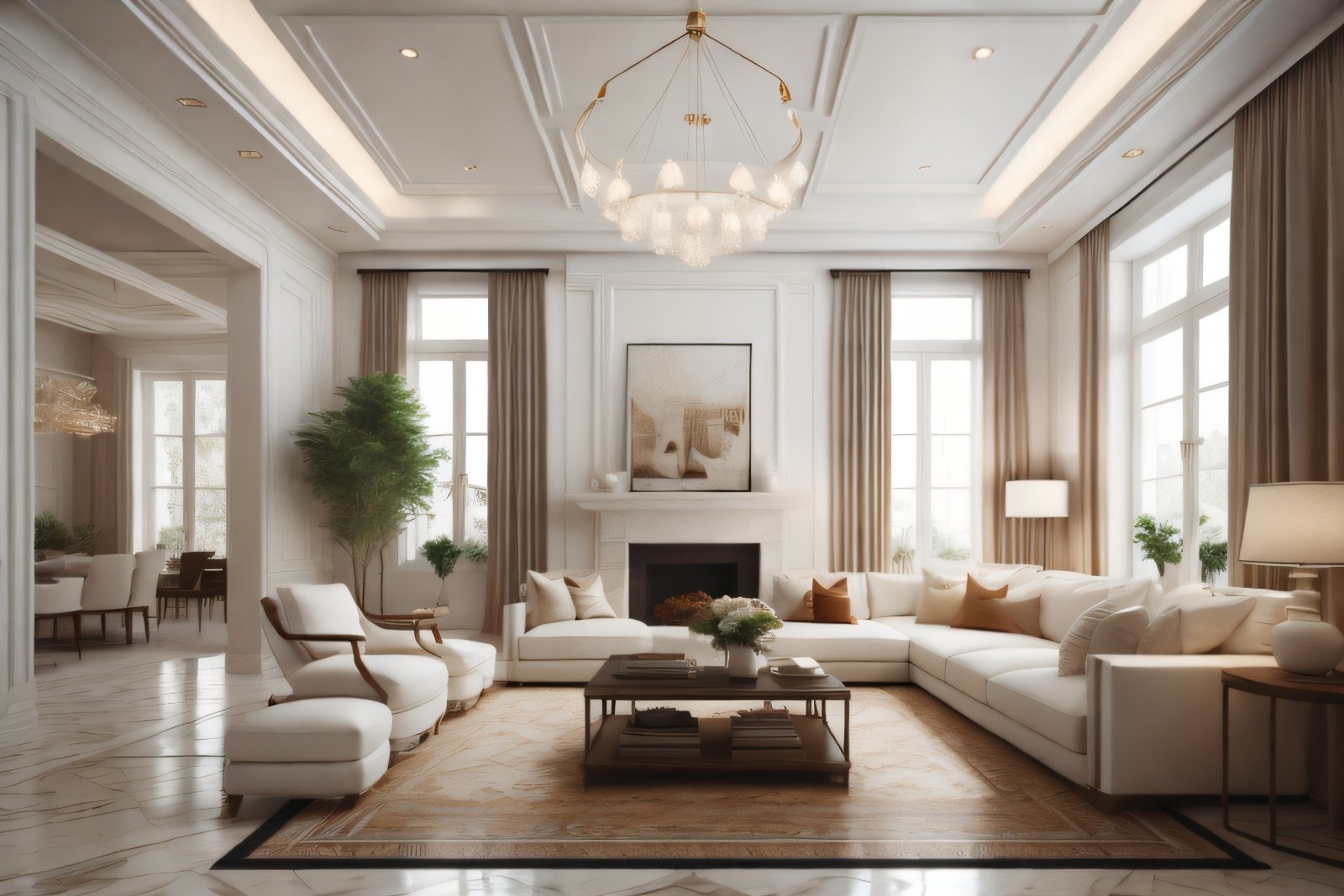
The interiors drew inspiration from classical culture and art. Classical sculptures, frescoes, paintings, and architectural fragments were used to craft an atmosphere rich in historical and cultural heritage. These elements helped recreate a sense of nobility and refinement reminiscent of the Roman Empire.
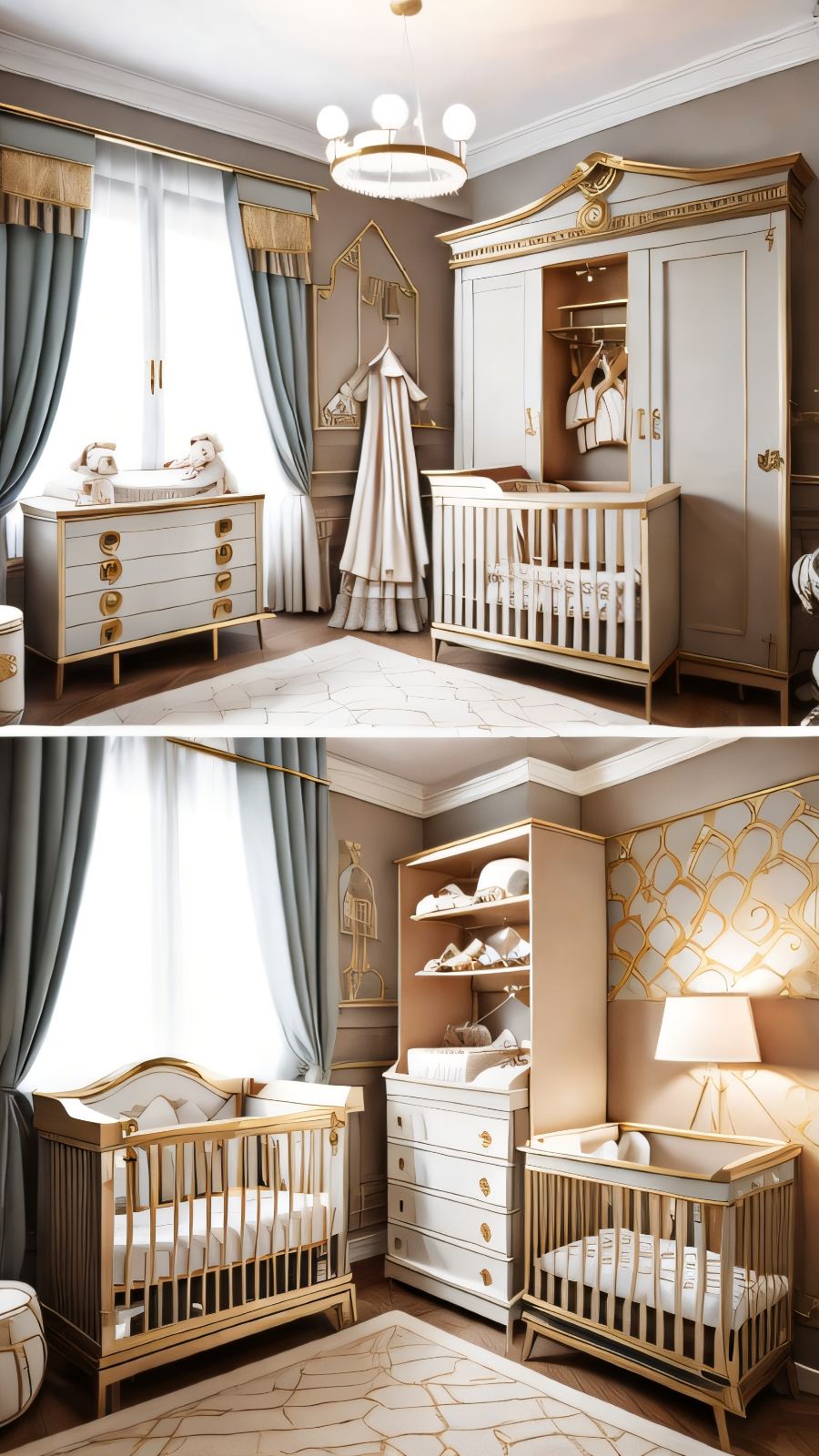
The furniture was luxurious and elegant. Wooden furnishings with carved details, along with plush items adorned with richly decorated upholstery and draperies, exuded opulence and comfort. Vases, statuettes, and other decorative pieces added authenticity and a unique charm to the interior.
Lighting also played a crucial role. Exquisite lighting through chandeliers, lamps, and sconces created shadow effects and drew attention to the architectural details and room decorations.
The Roman style can be described as the art of classicism and eternity, embodying elegance and harmony. Luxurious materials, classical motifs, antique decorative elements, and the aesthetic of splendid architectural structures create an intriguing environment that transports us to antiquity and recreates the image of the beautiful and noble world of the Roman Empire.
Distinctive Elements of Roman Style
The style is characterized by specific elements. Some of these are:
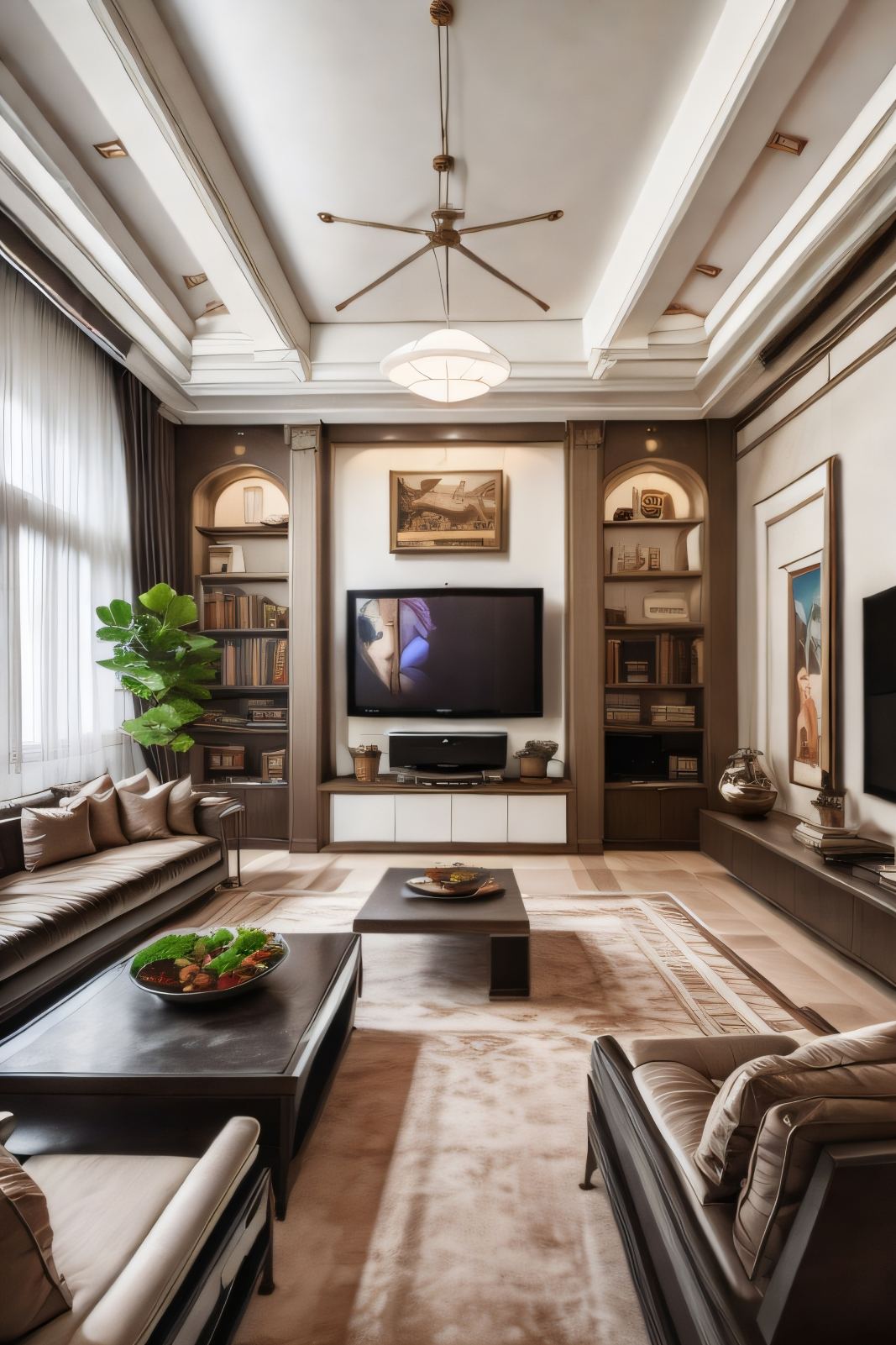
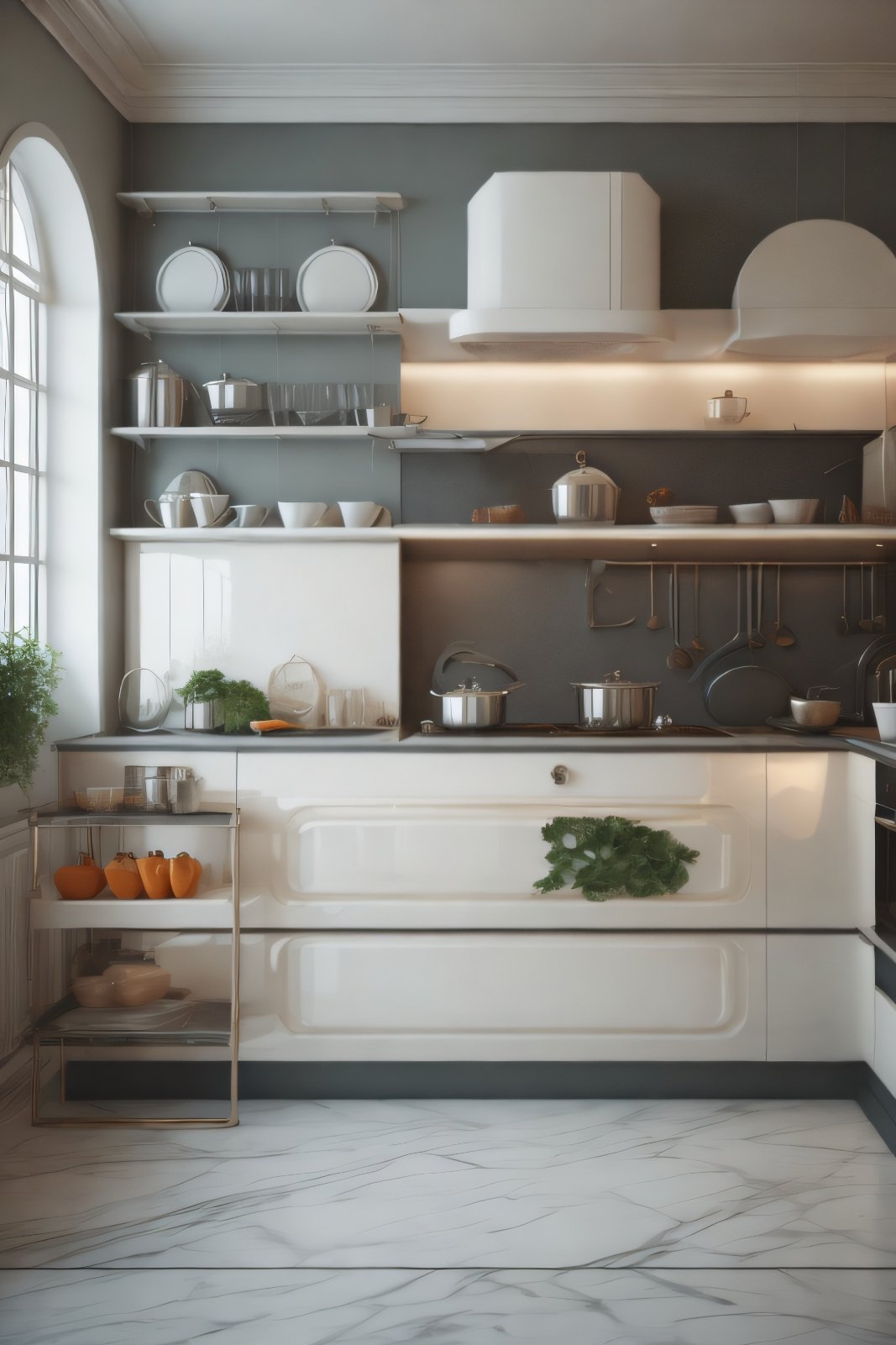
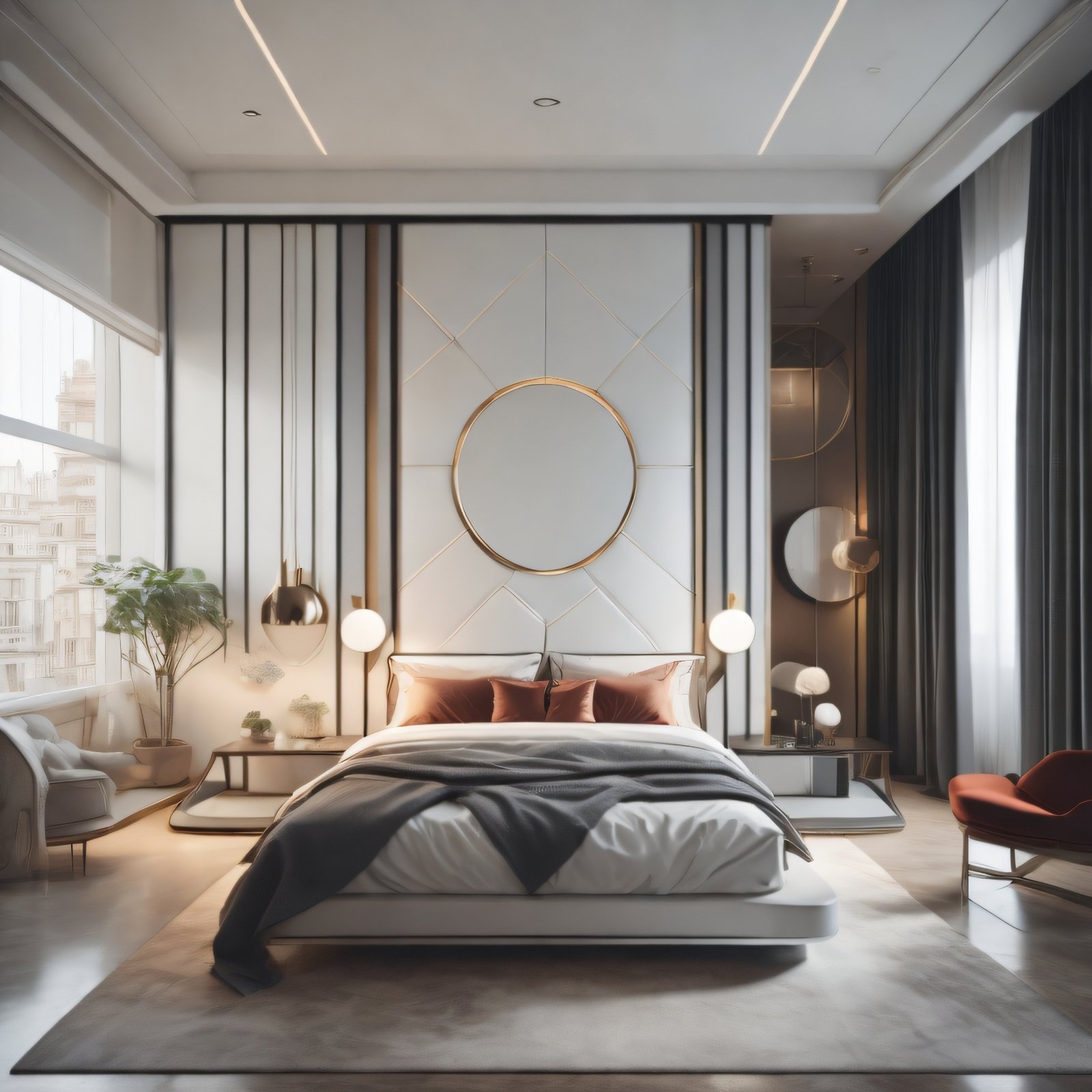
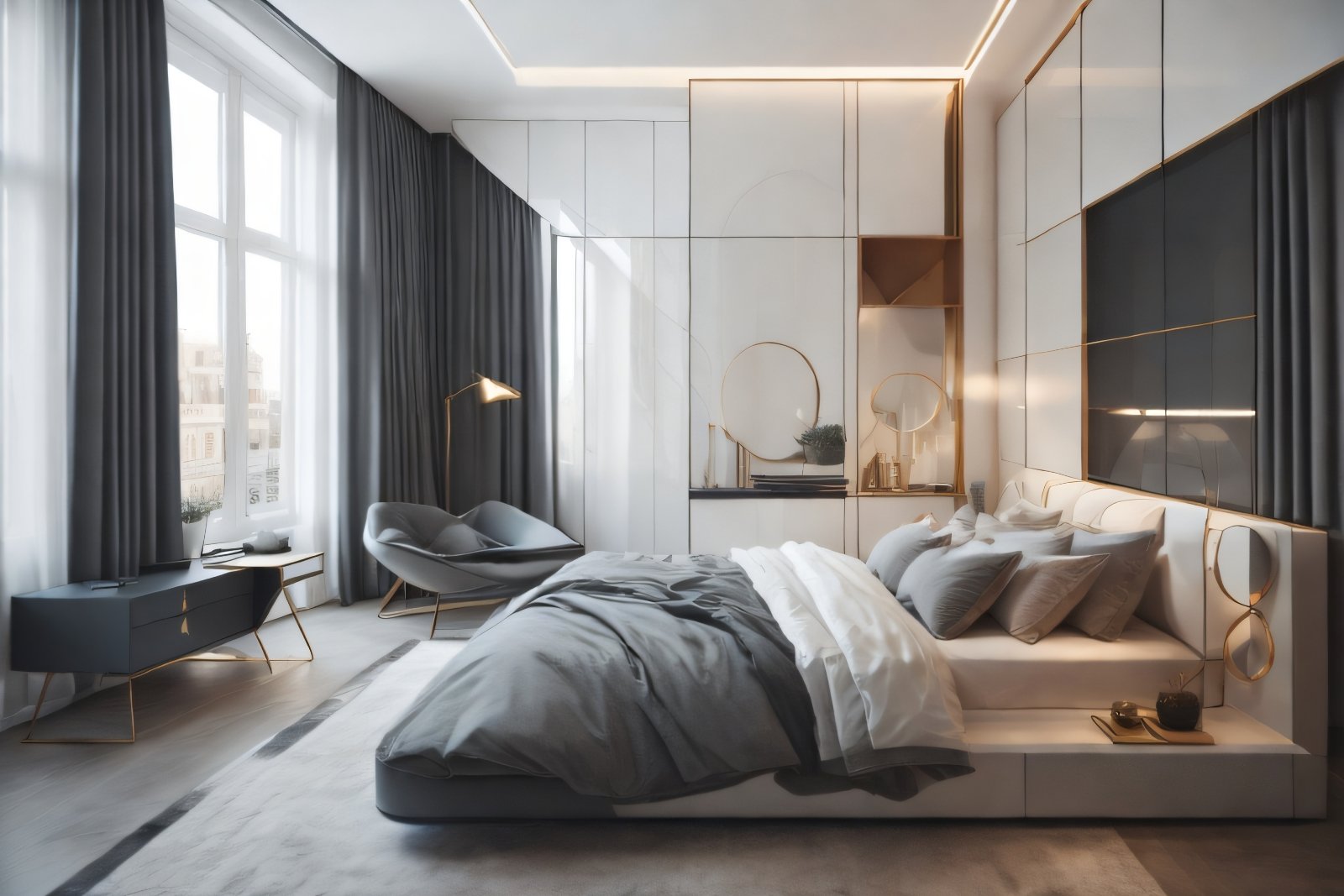
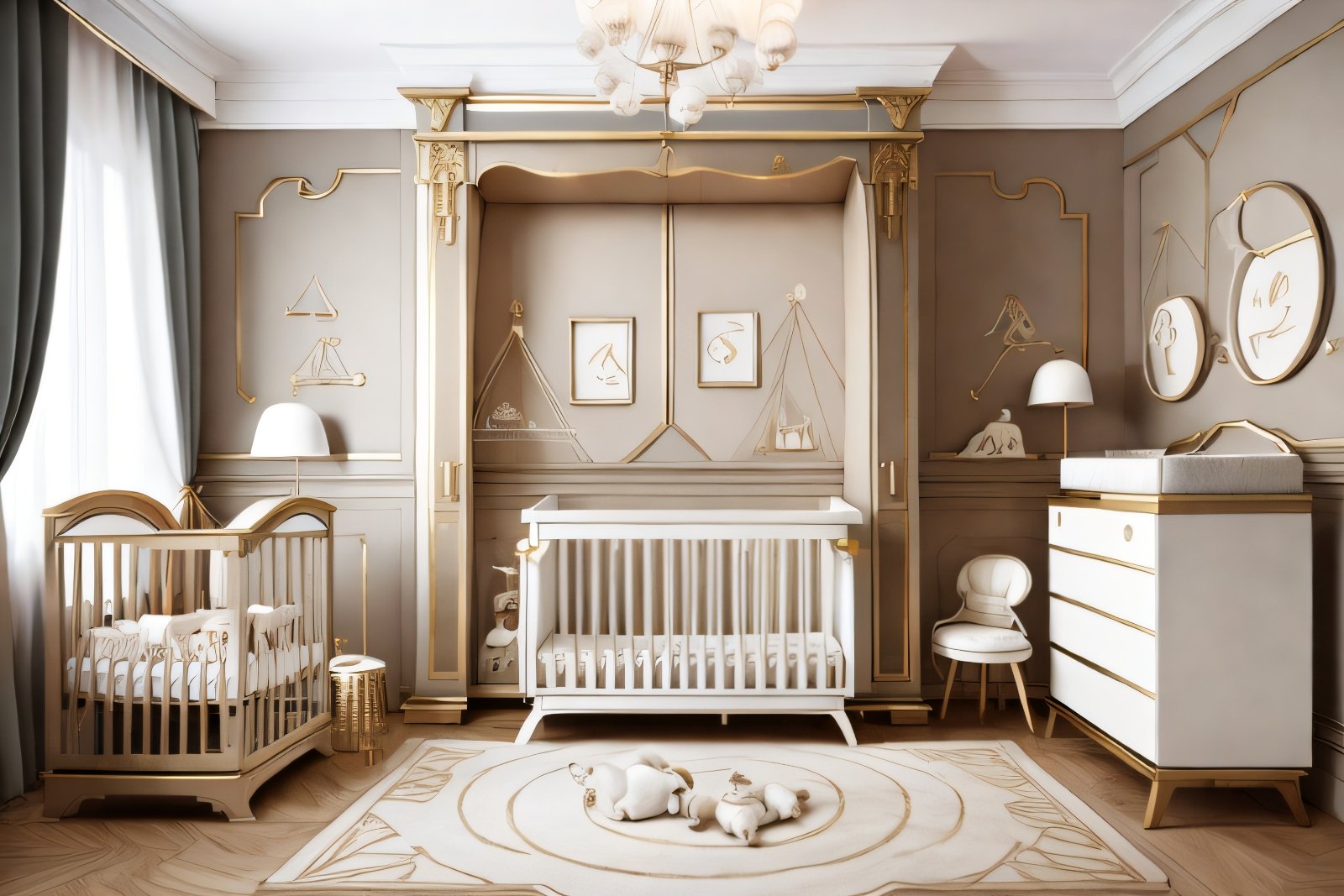
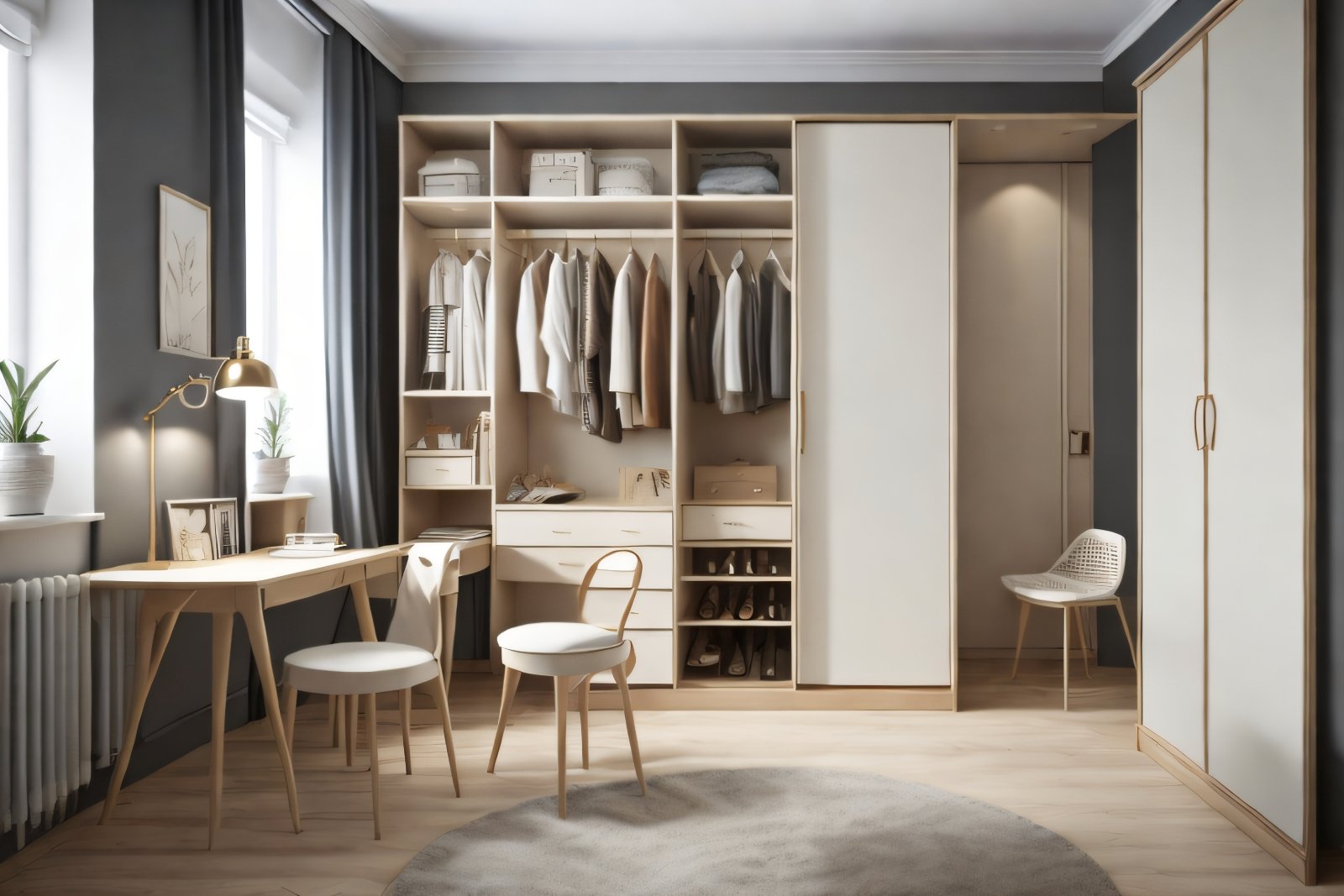
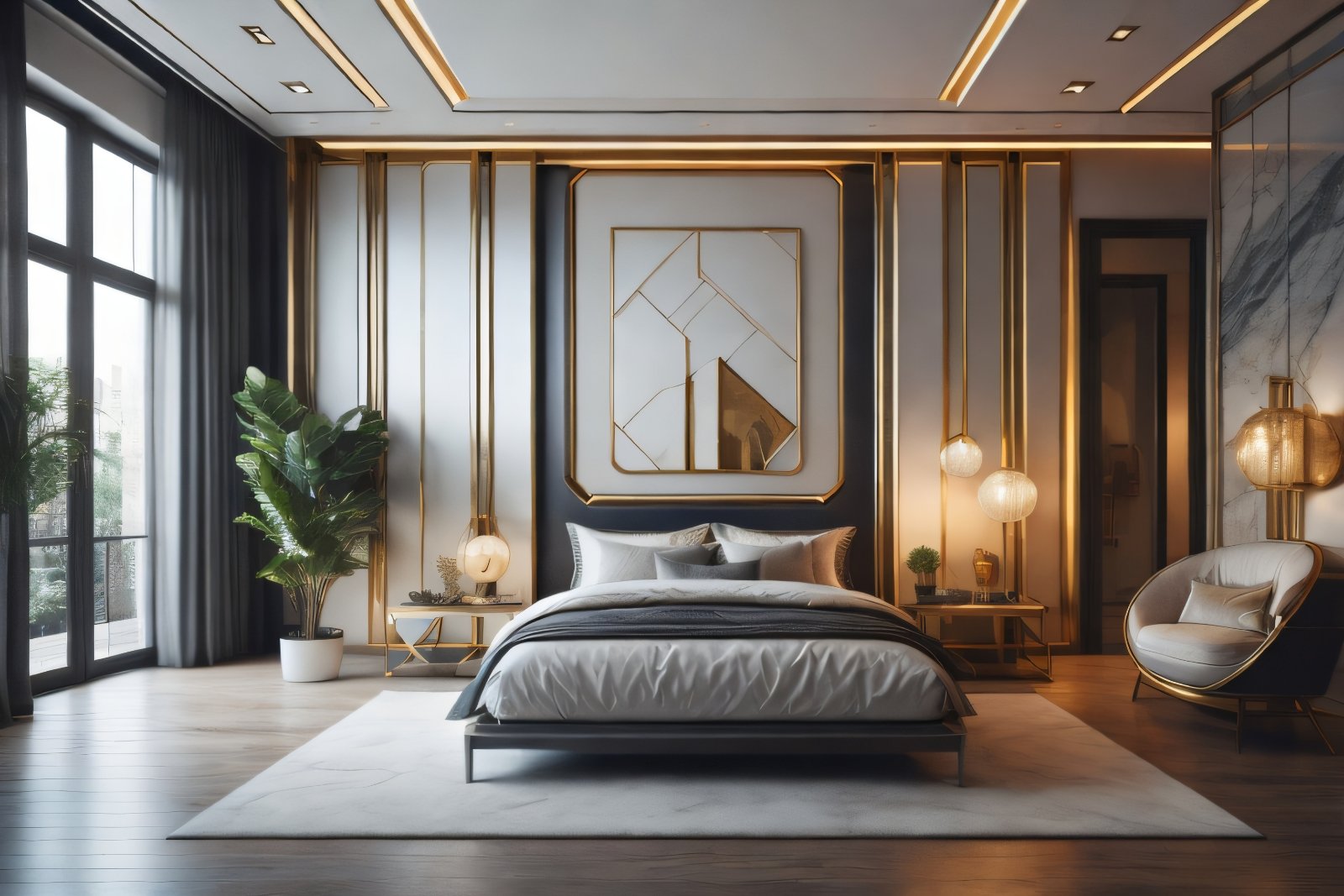
This involves the use of calm and neutral colors like white, gray, beige, brown, and black. Such a palette creates a sense of tranquility and comfort.
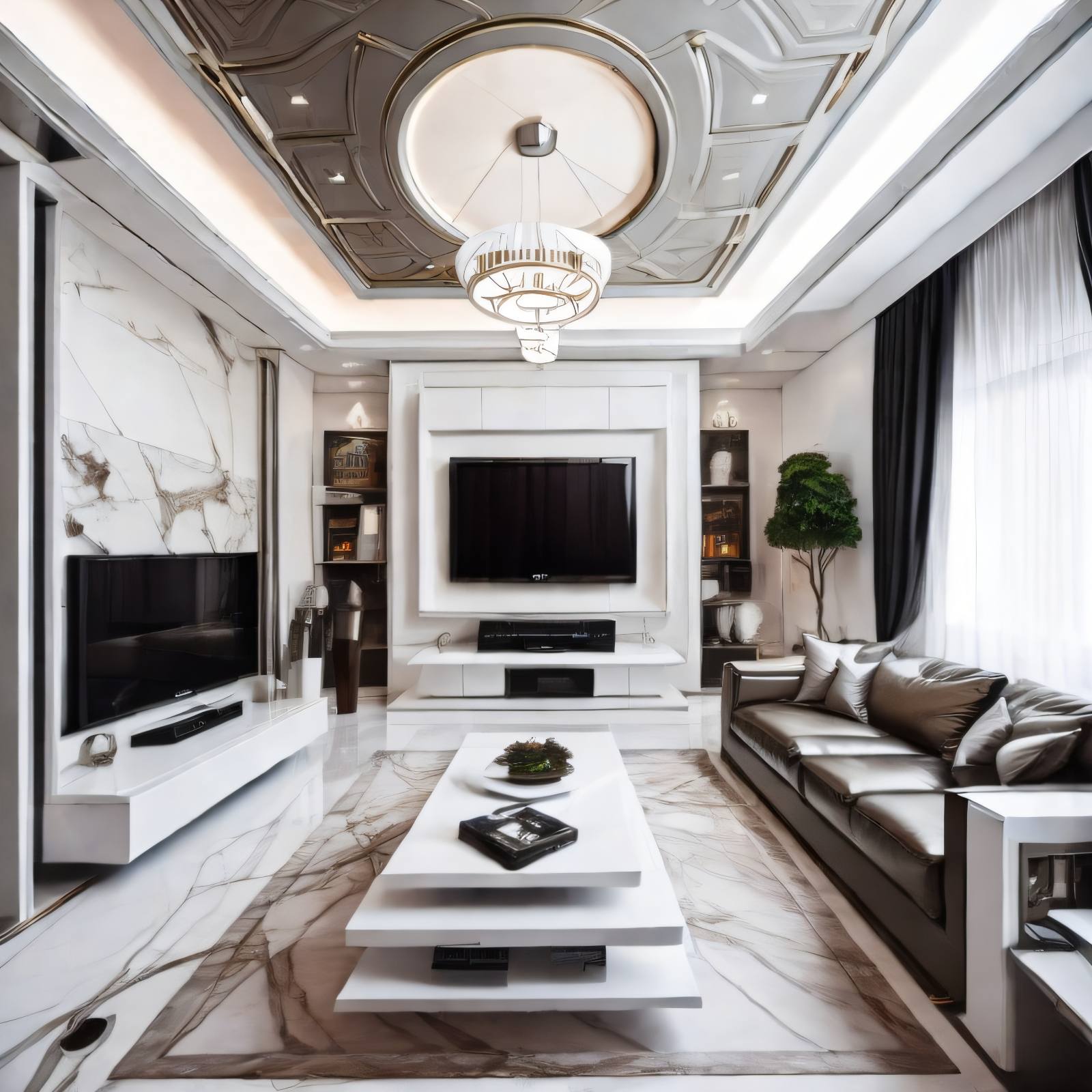
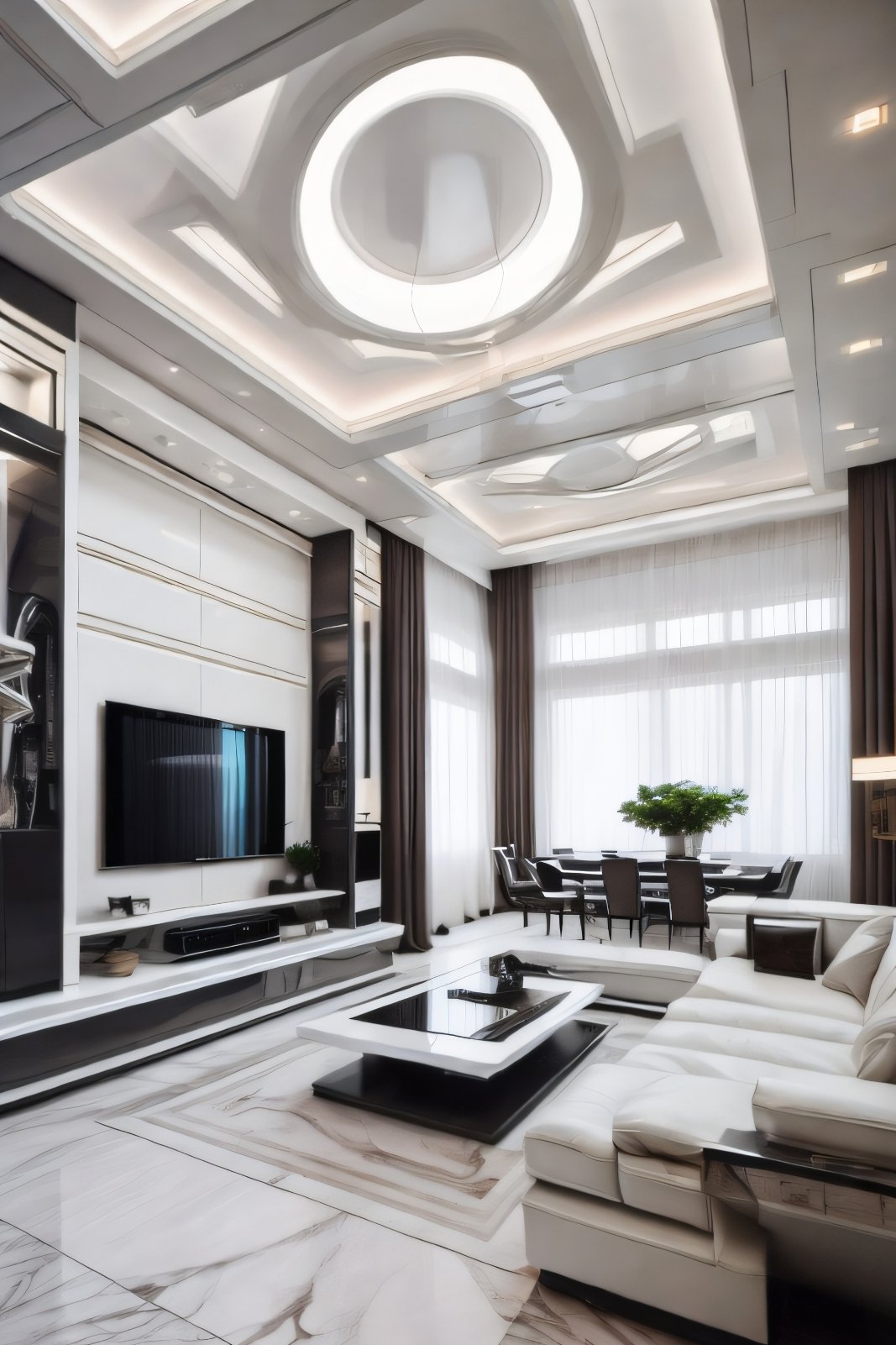
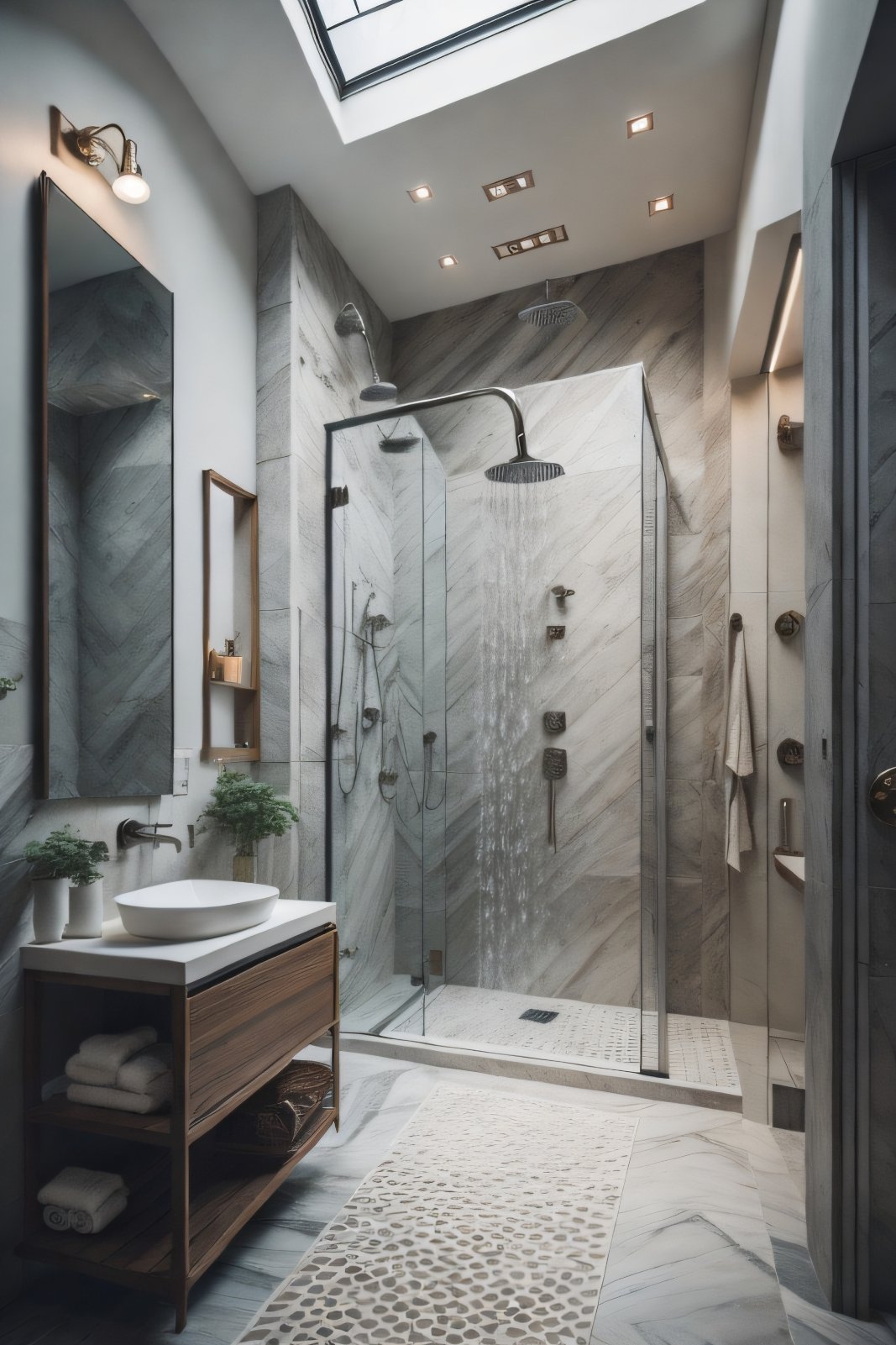
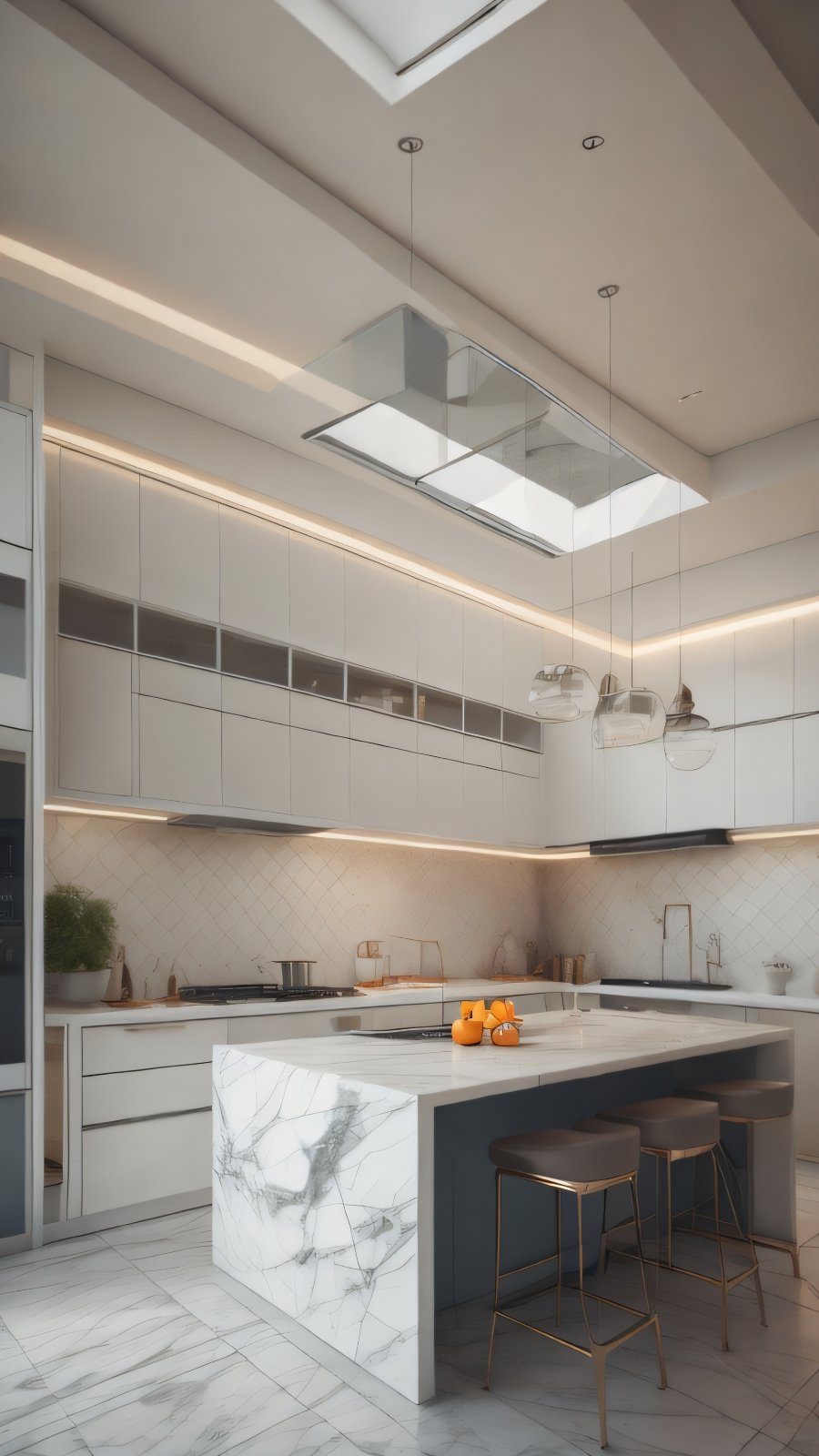
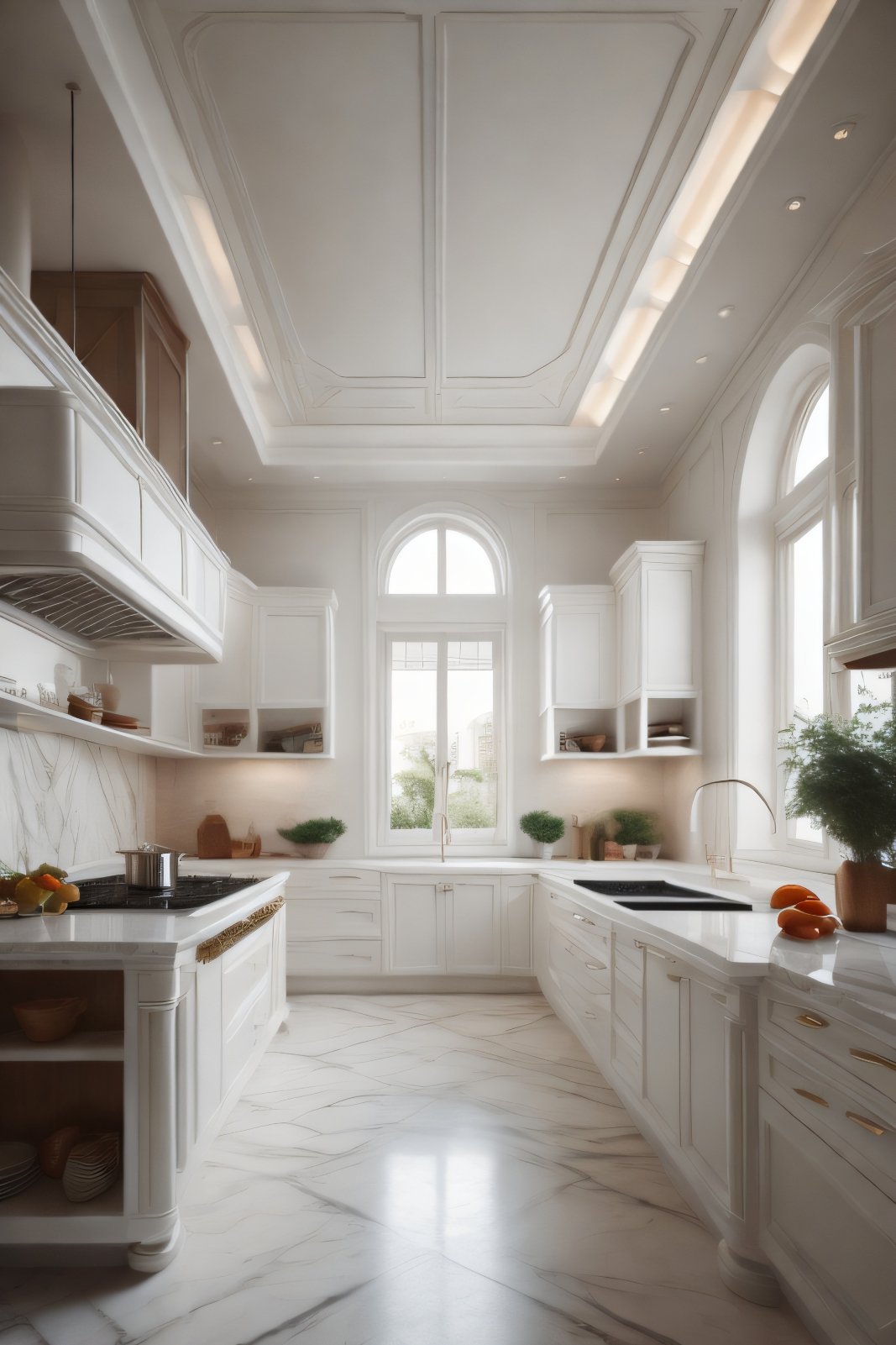
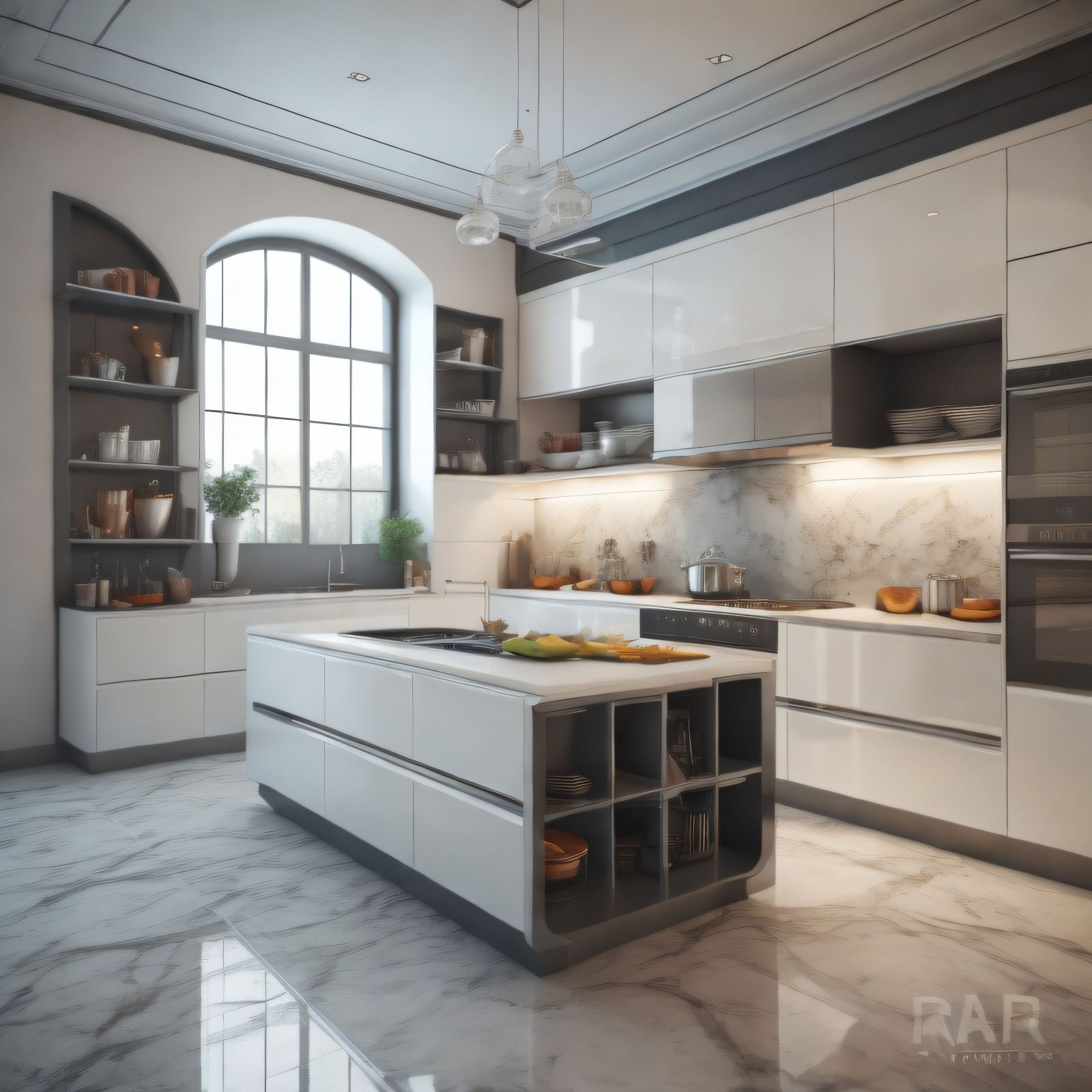
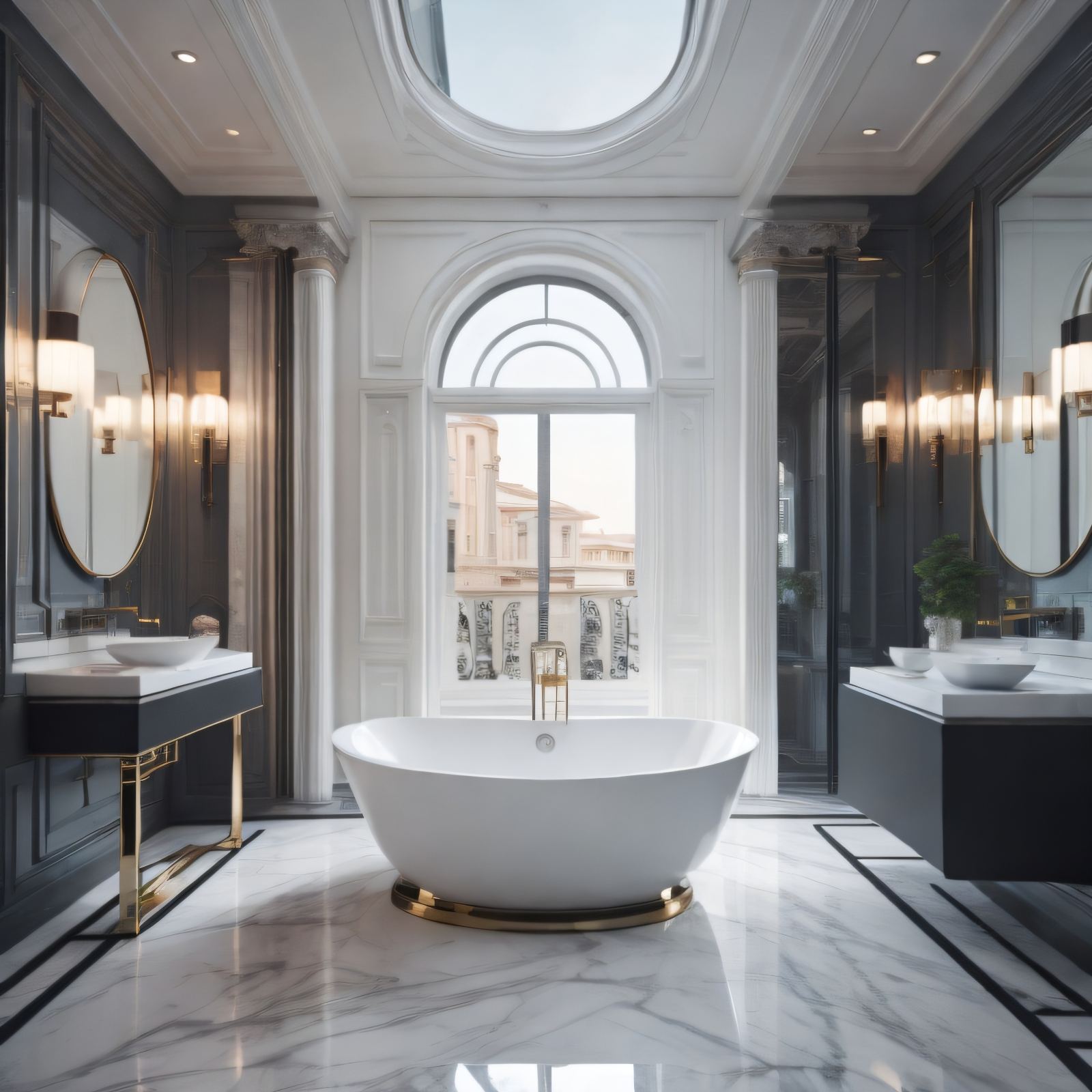
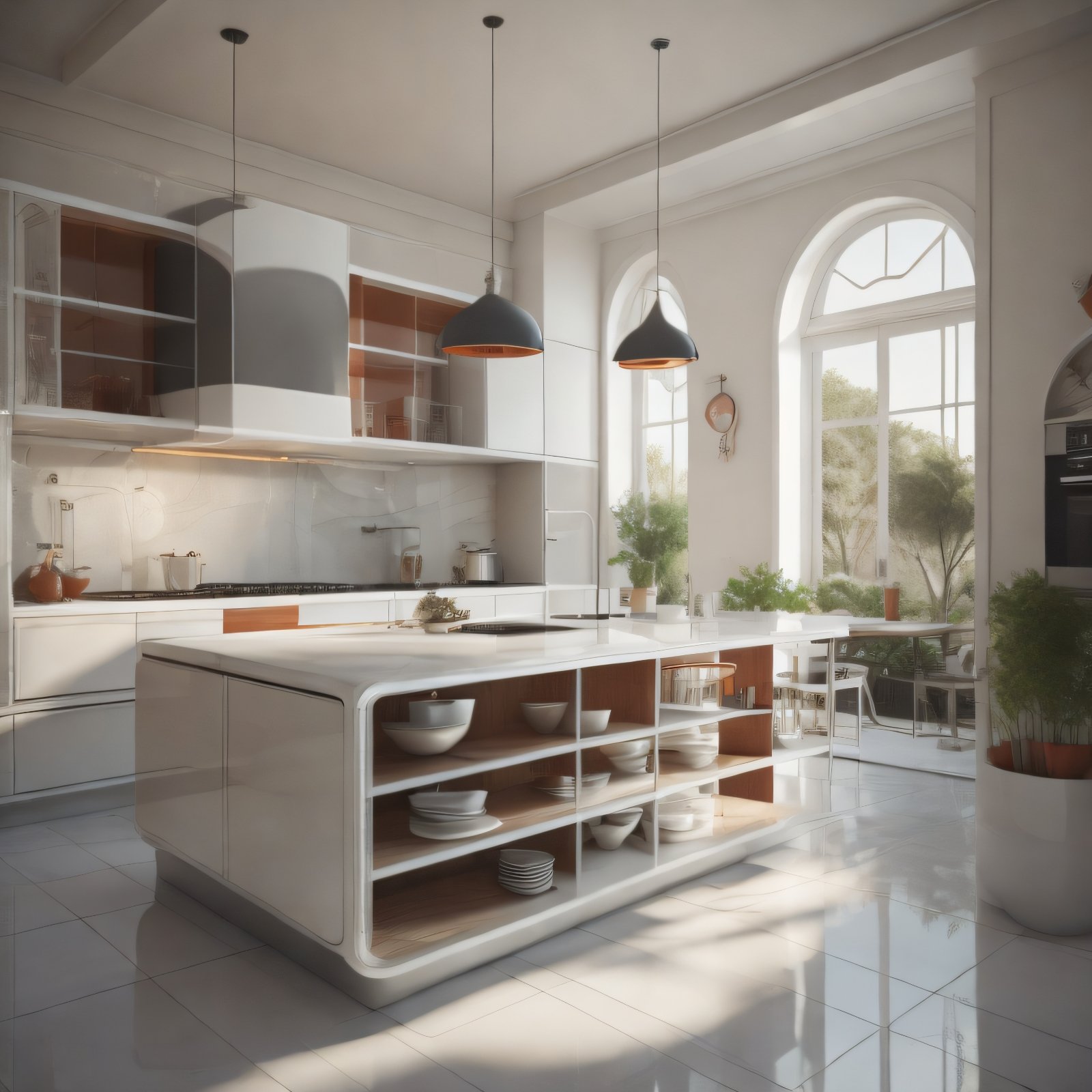
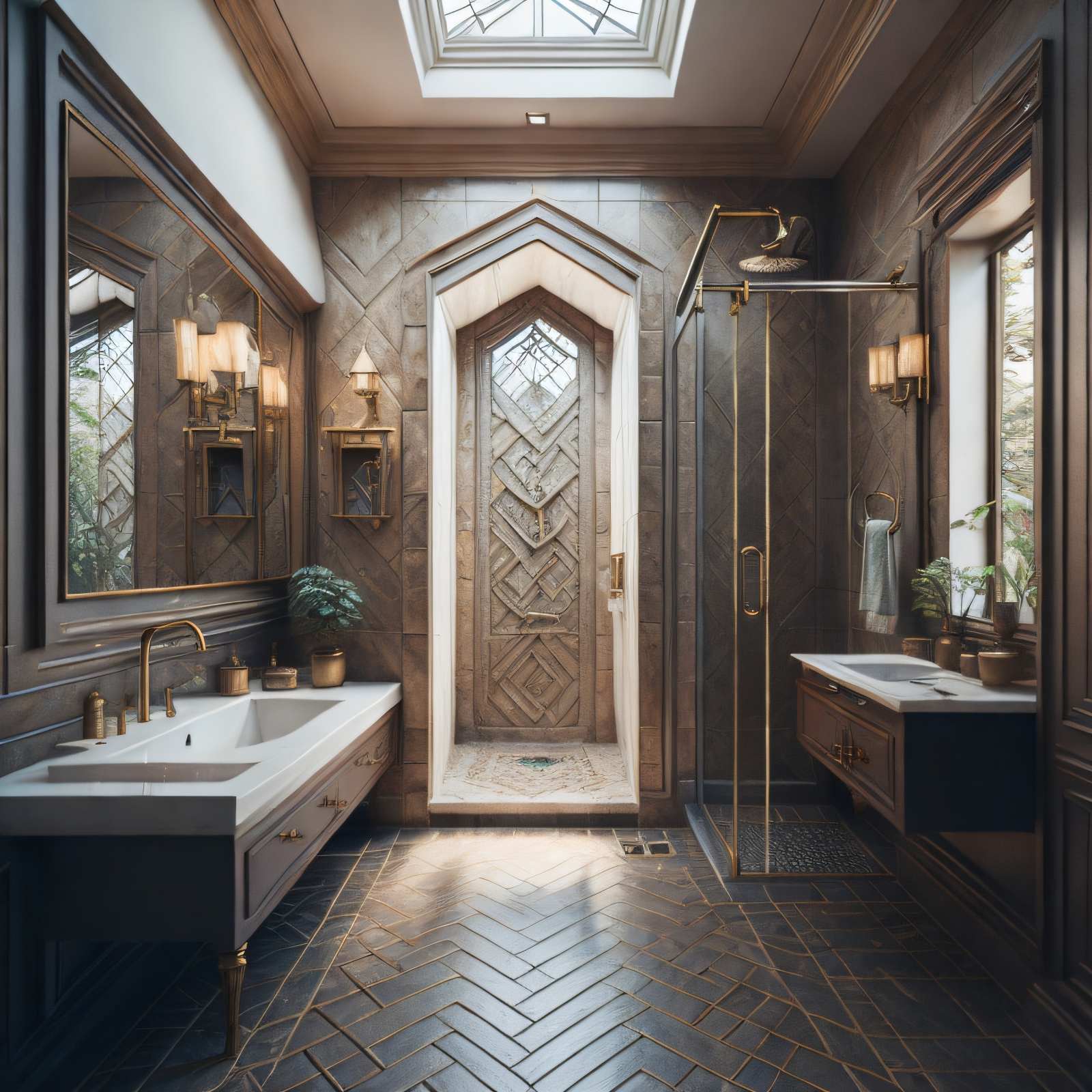
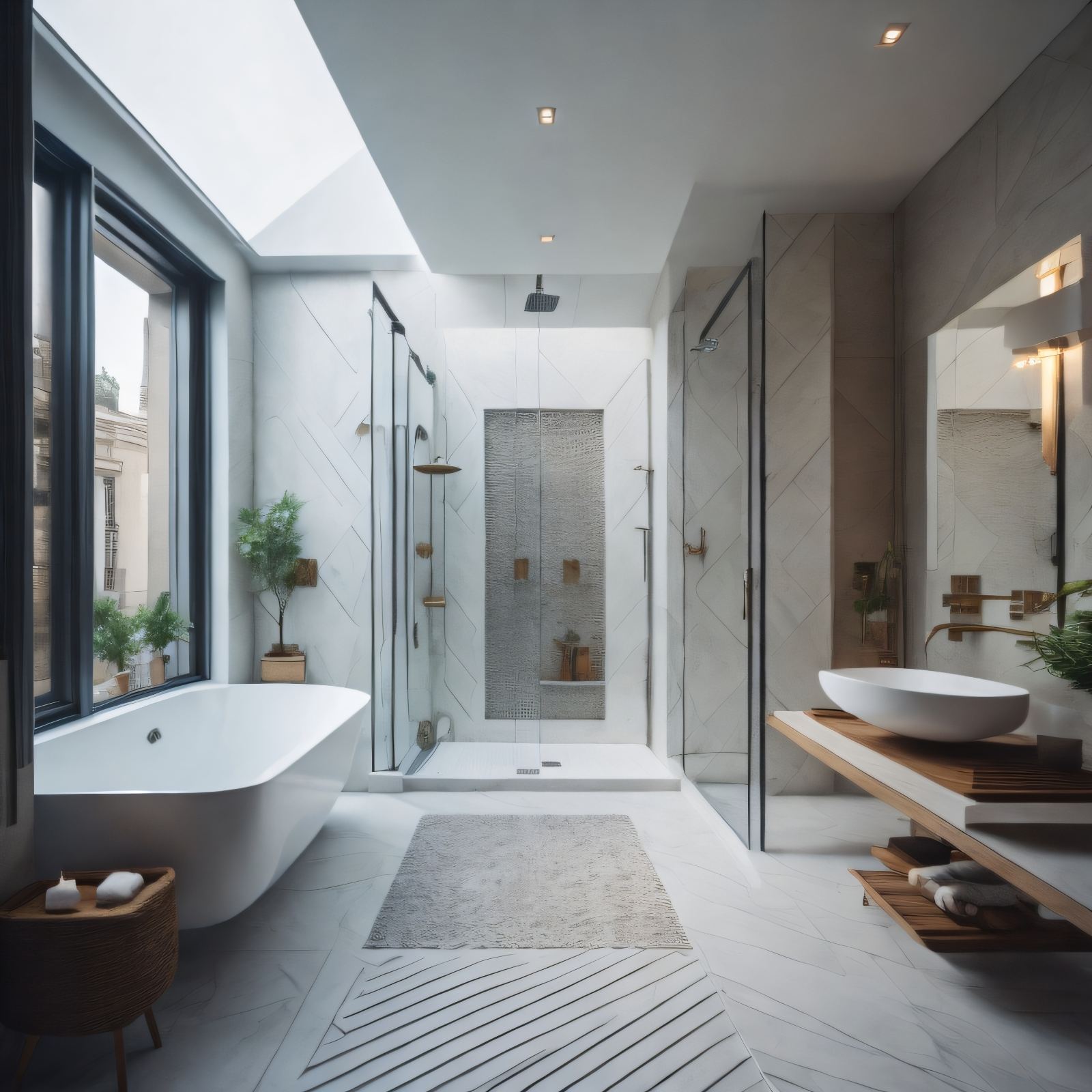
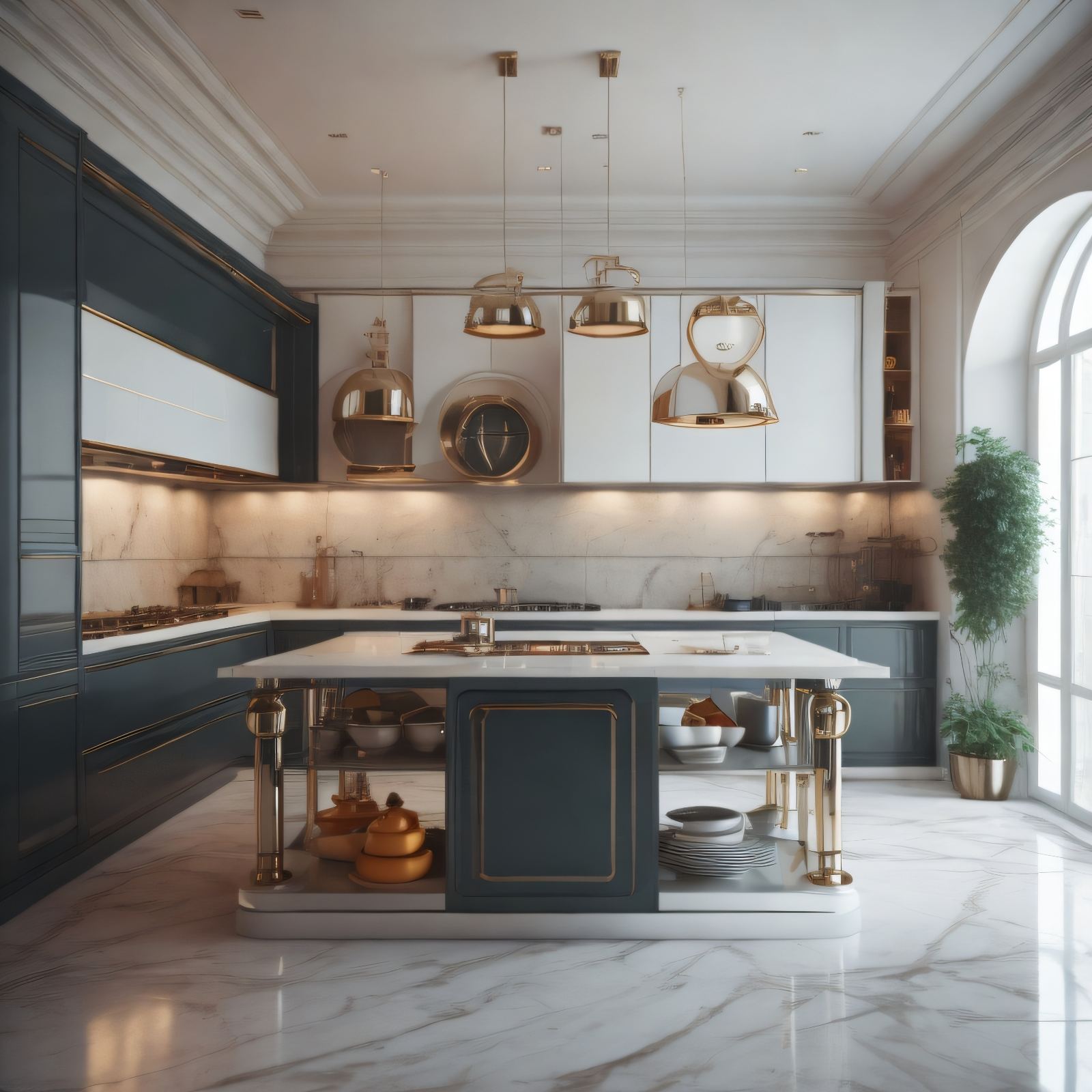
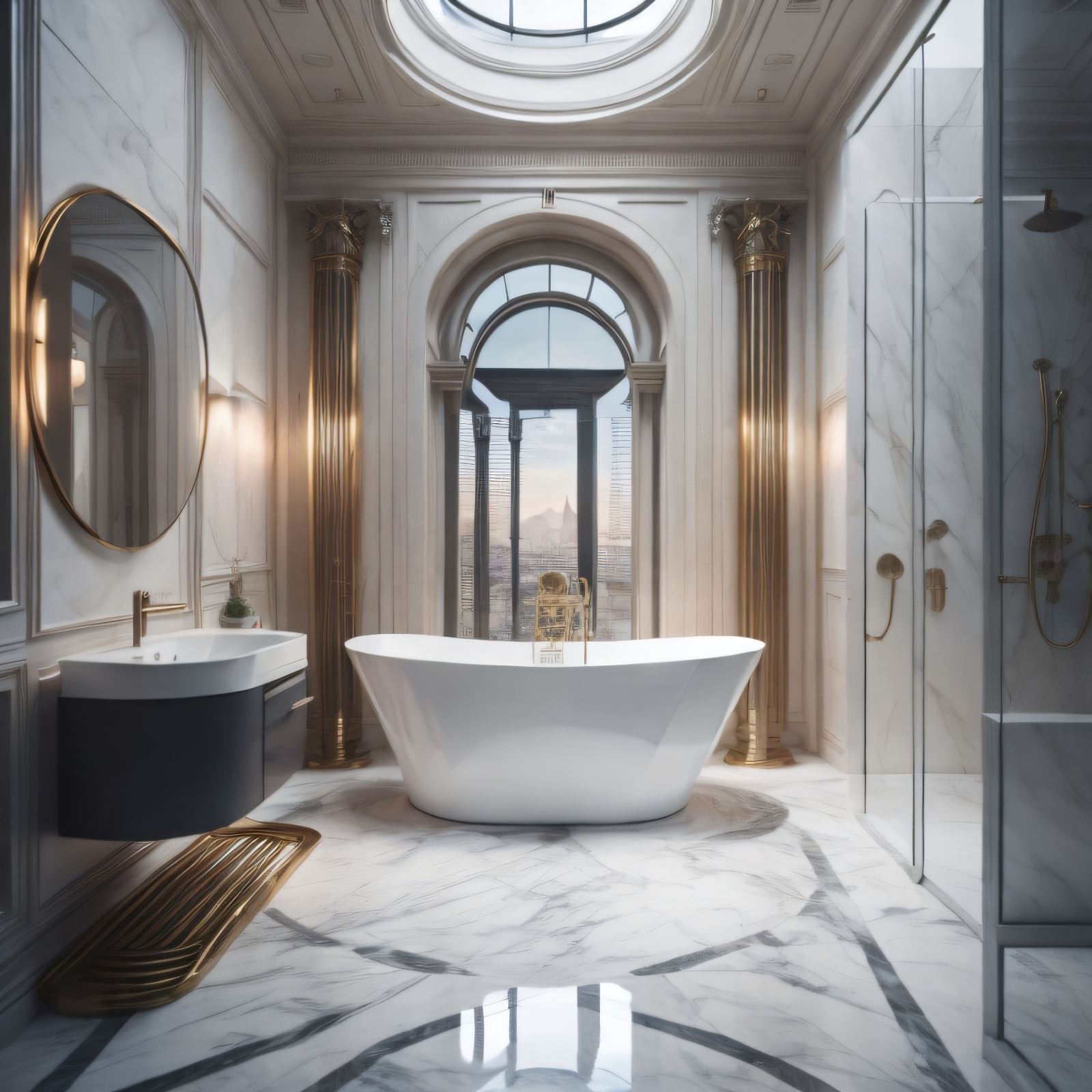
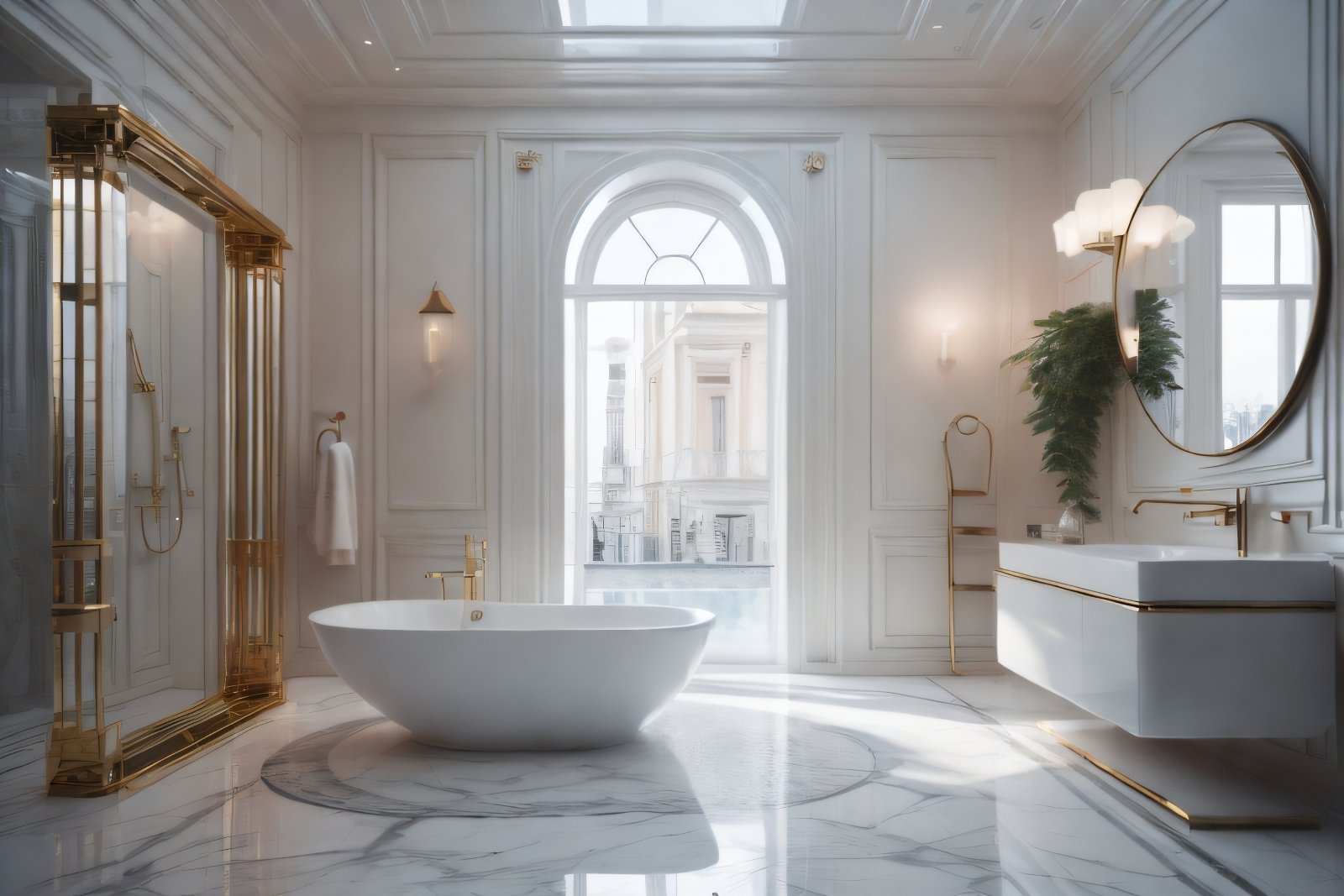
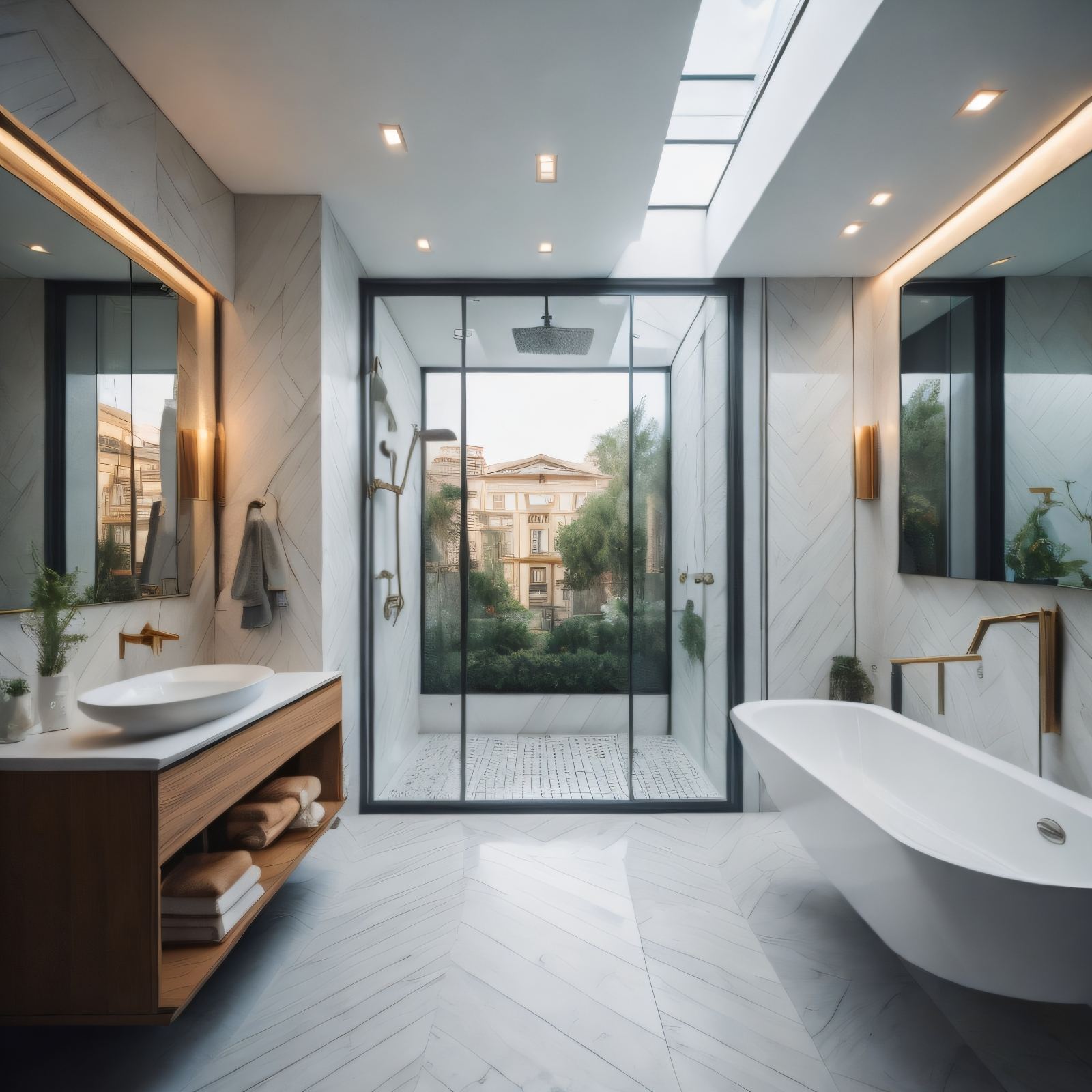
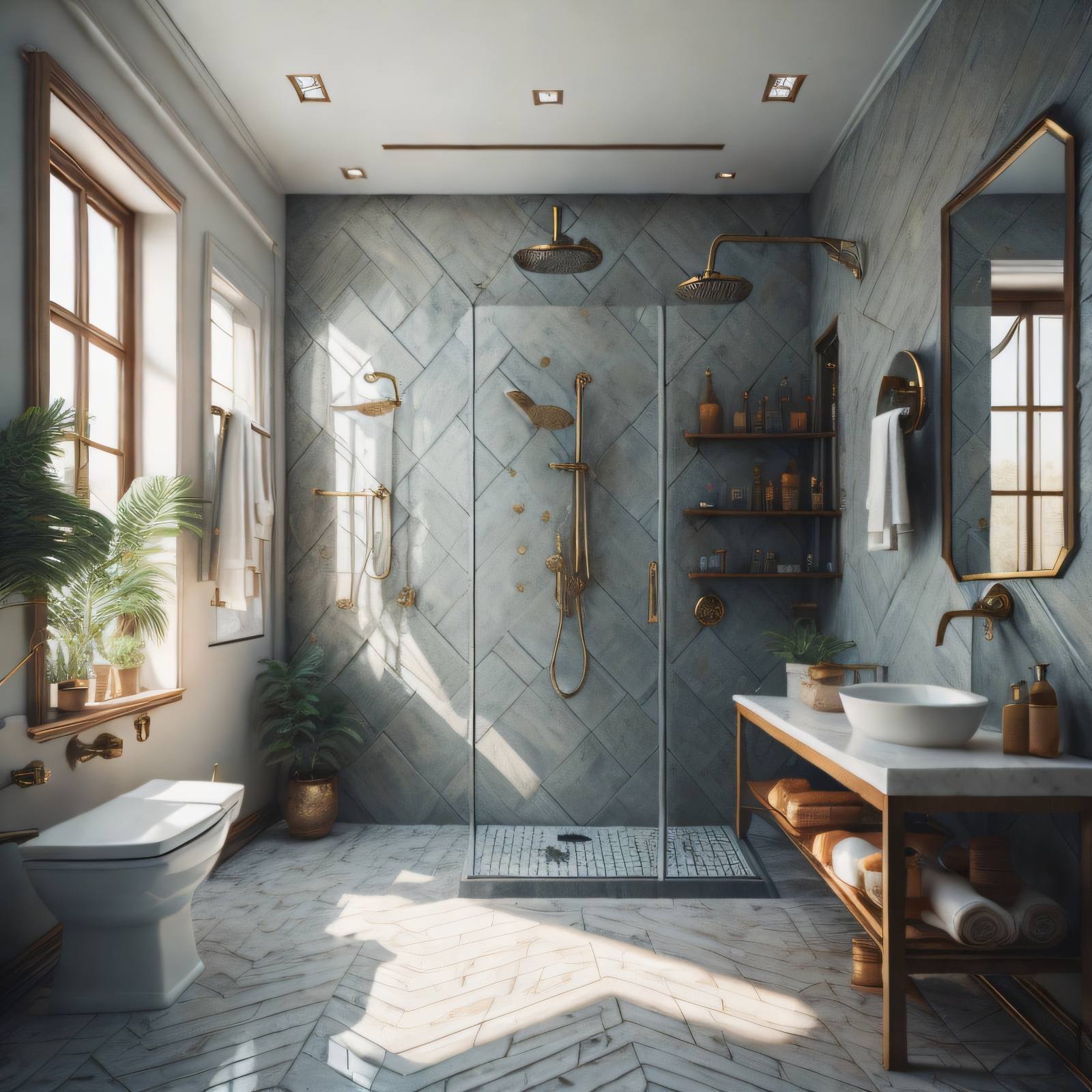
Marble is a key material, used on walls, floors, furniture, countertops, and other elements. Stone is also frequently present in Roman-style interiors.
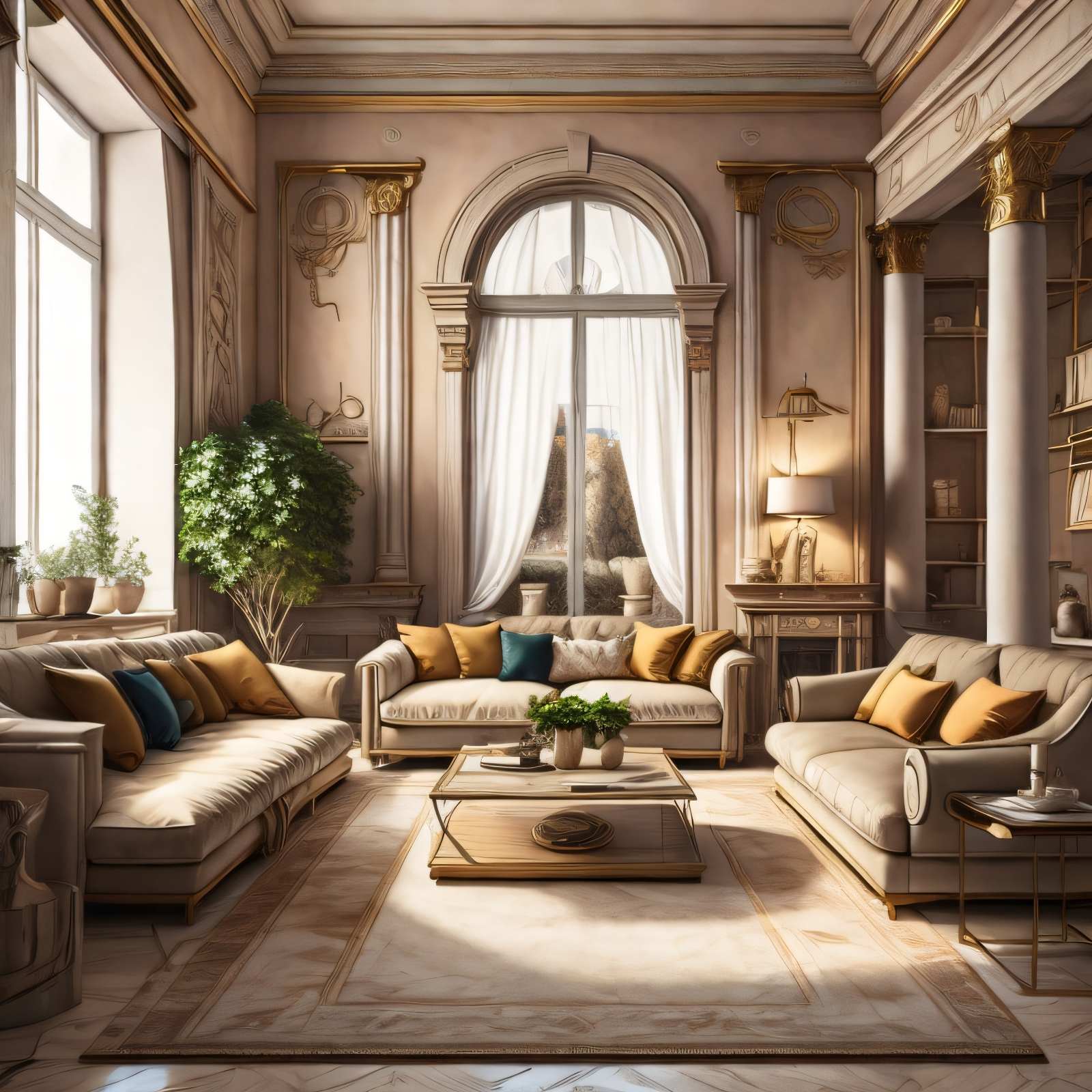
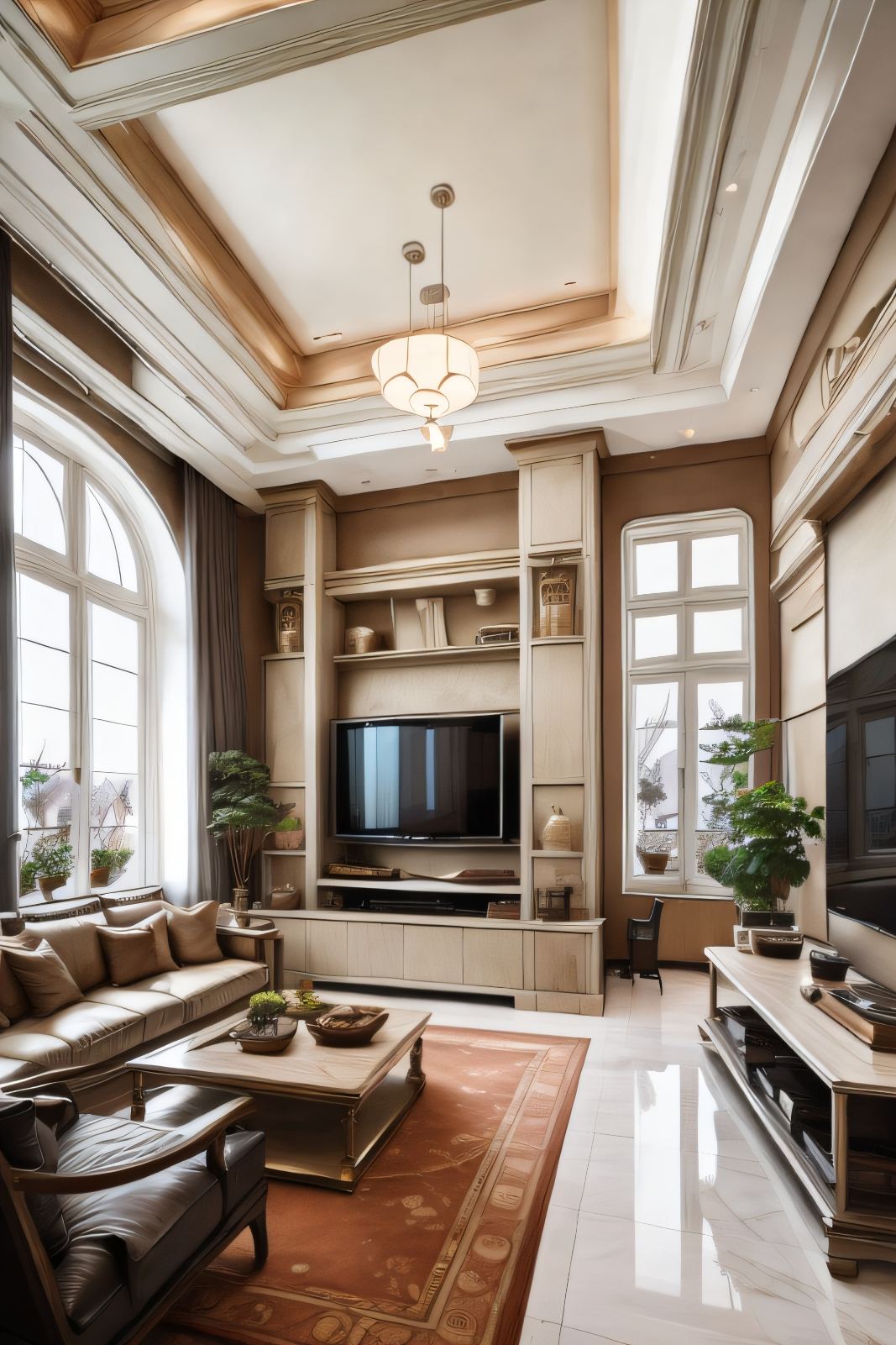
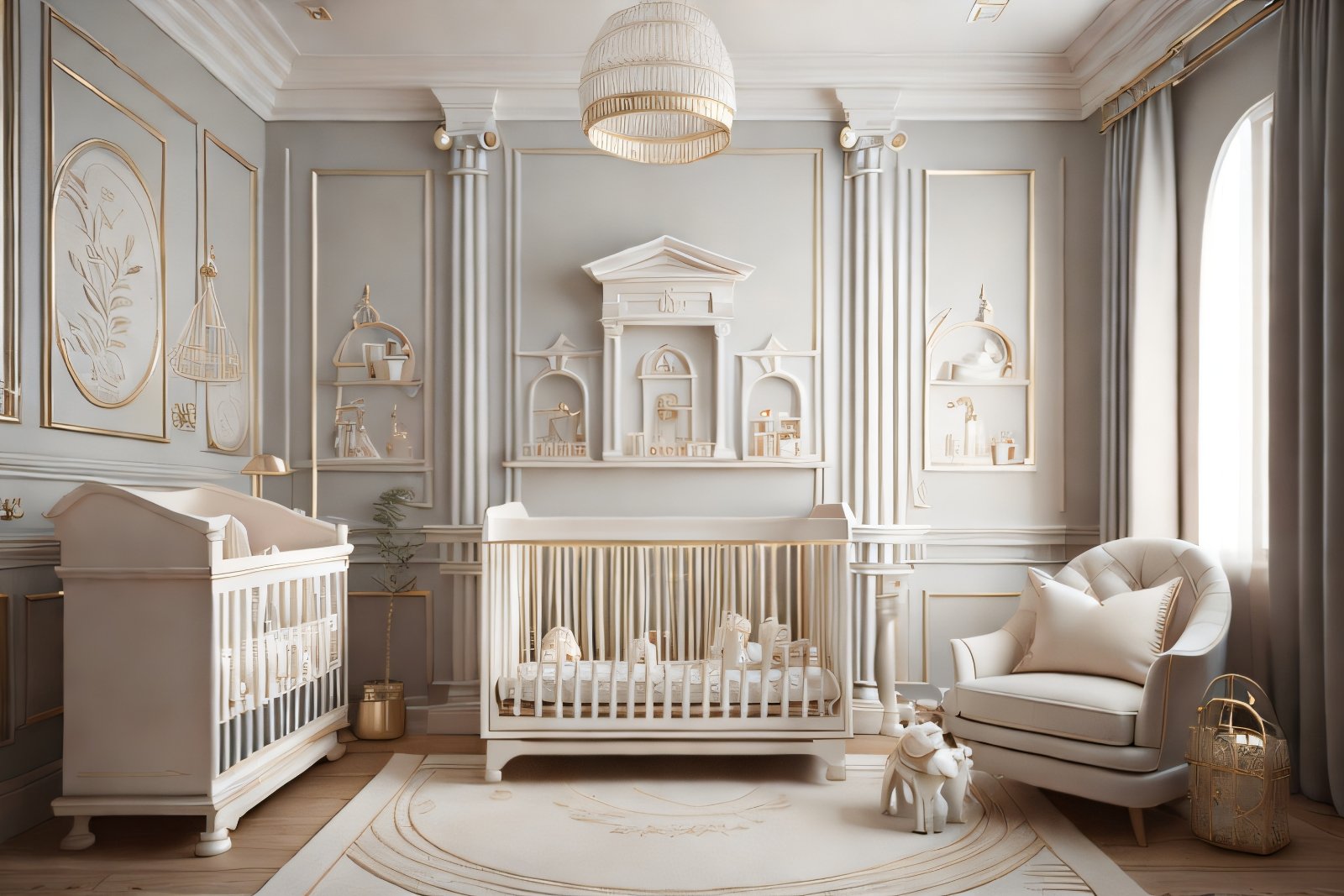
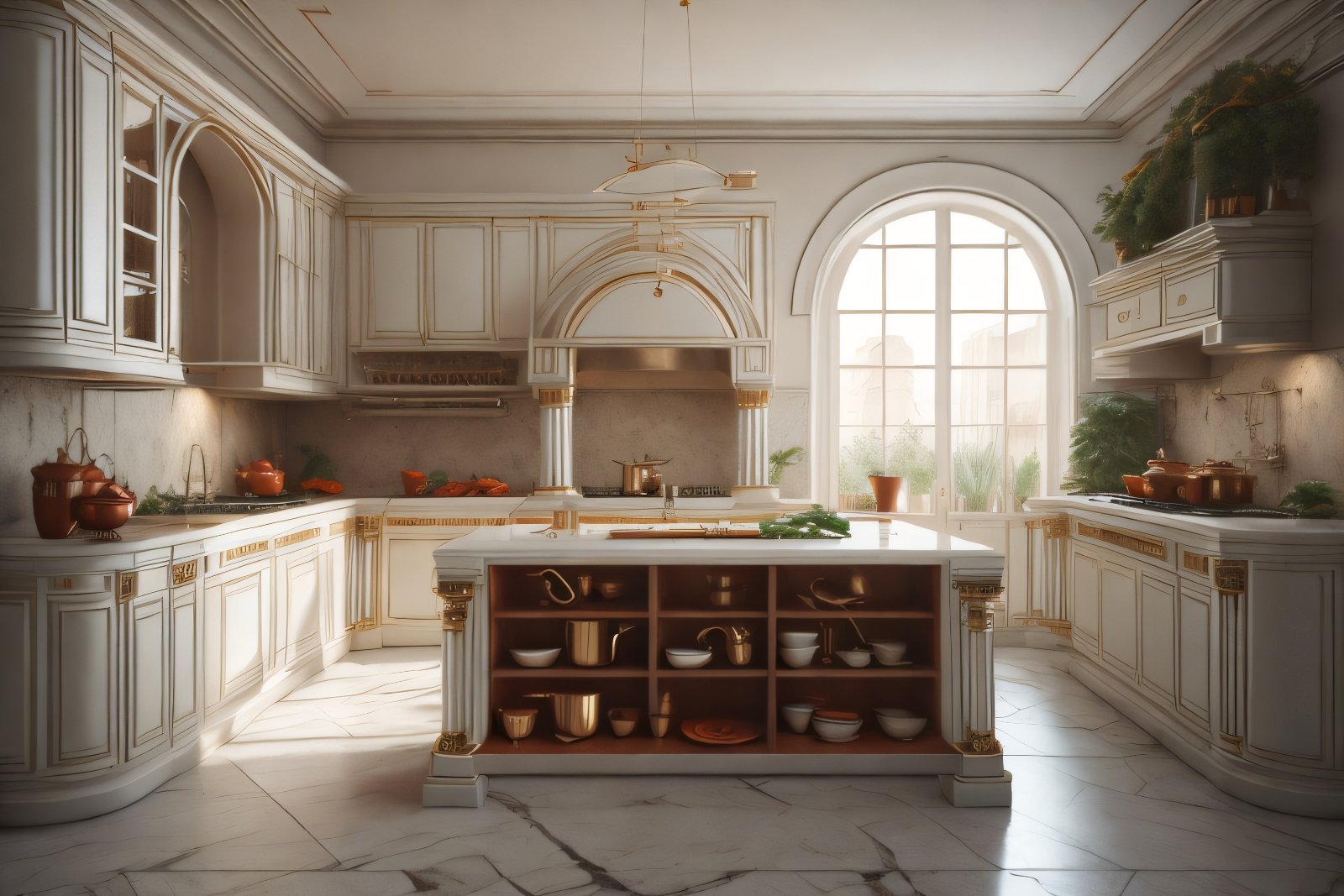
The main features include classical lines and details such as columns, arches, pilasters, and domes. These elements add elegance and luxury to the interior.
The Roman style incorporates high-quality fabrics like silk, velvet, linen, and cotton. These materials are used for curtains, pillows, rugs, and other soft furnishings.
Paintings, sculptures, and other artistic works are integral to the interior. They can be placed on walls, shelves, dressers, and other surfaces.
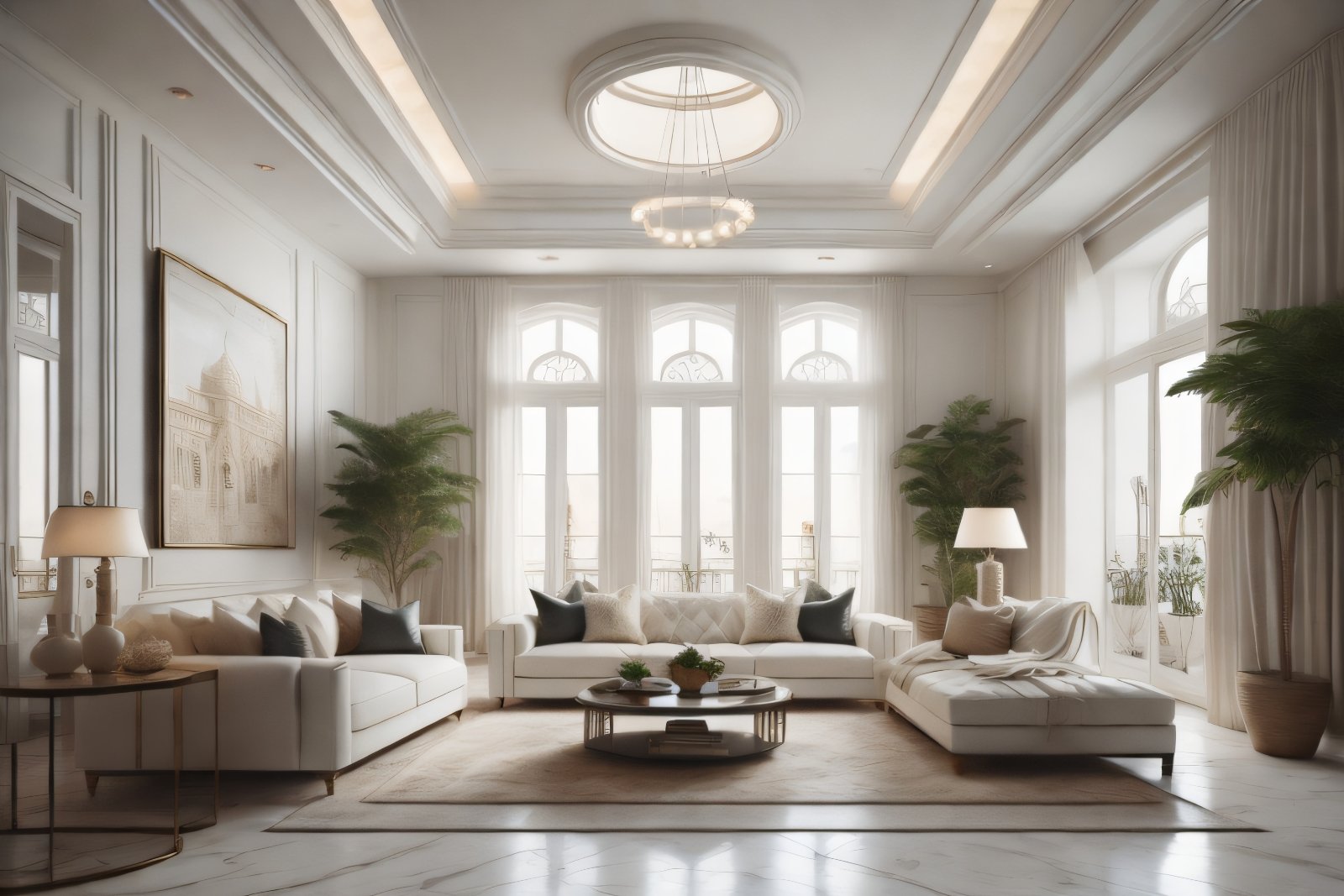
Furniture
Reflects the nobility, luxury, and elegance characteristic of ancient Roman culture. Great attention was paid to the selection of quality materials and exquisite finishes to create an atmosphere of opulence and sophistication.
Wood was the primary material used for creating furniture. Dark varieties like oak, walnut, and mahogany were preferred, highlighting the sophistication and grandeur of the interior. The wood was processed and polished to a mirror-like sheen, giving it a smooth and luxurious effect.
One of the key features of the furniture was the carving. Patterns and ornaments in the form of grapevines, rosettes, plants, and animals created an effect of elegance and refinement. The carvings, handcrafted by artisans, added uniqueness and artistic value to the furniture. Chairs, armchairs, and sofas featured carved details on the backs and legs, while chests and cabinets boasted interesting ornaments and patterns.
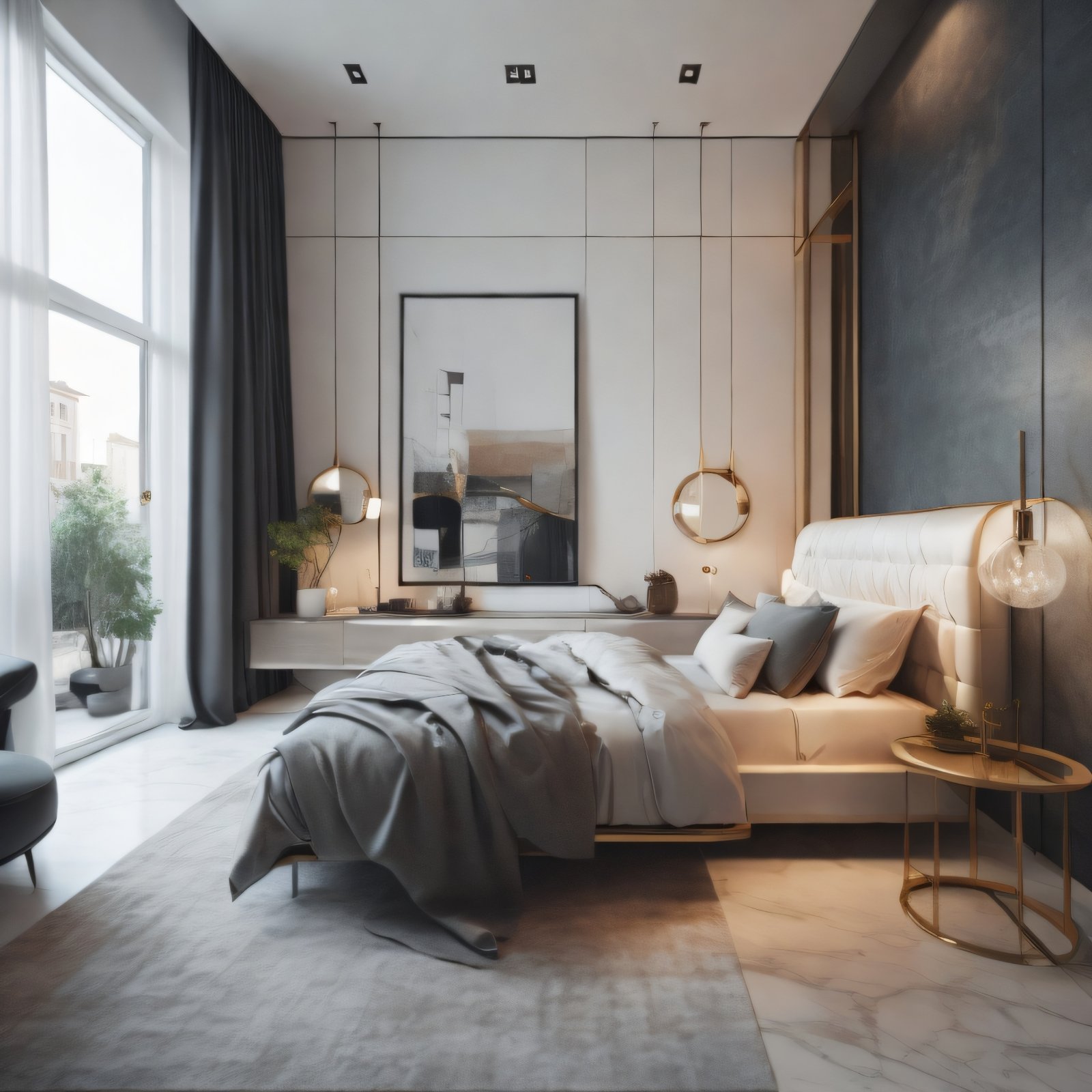
Soft furniture held a prestigious place in Roman interior design. Sofas, beds, and chairs were lavishly upholstered with high-quality fabrics and leather, highlighting the noble and luxurious nature of the space. The upholstery could be adorned with golden or silver threads, creating elegant patterns and draperies.
Decorative elements of the furniture included marble inlays and columns. Marble tabletops, enhanced with inlays of other materials, created a unique sense of luxury and sophistication. Columns and pilasters were often used in the construction of furniture such as dressers, tables, and cupboards, to evoke a sense of antiquity and grandeur.
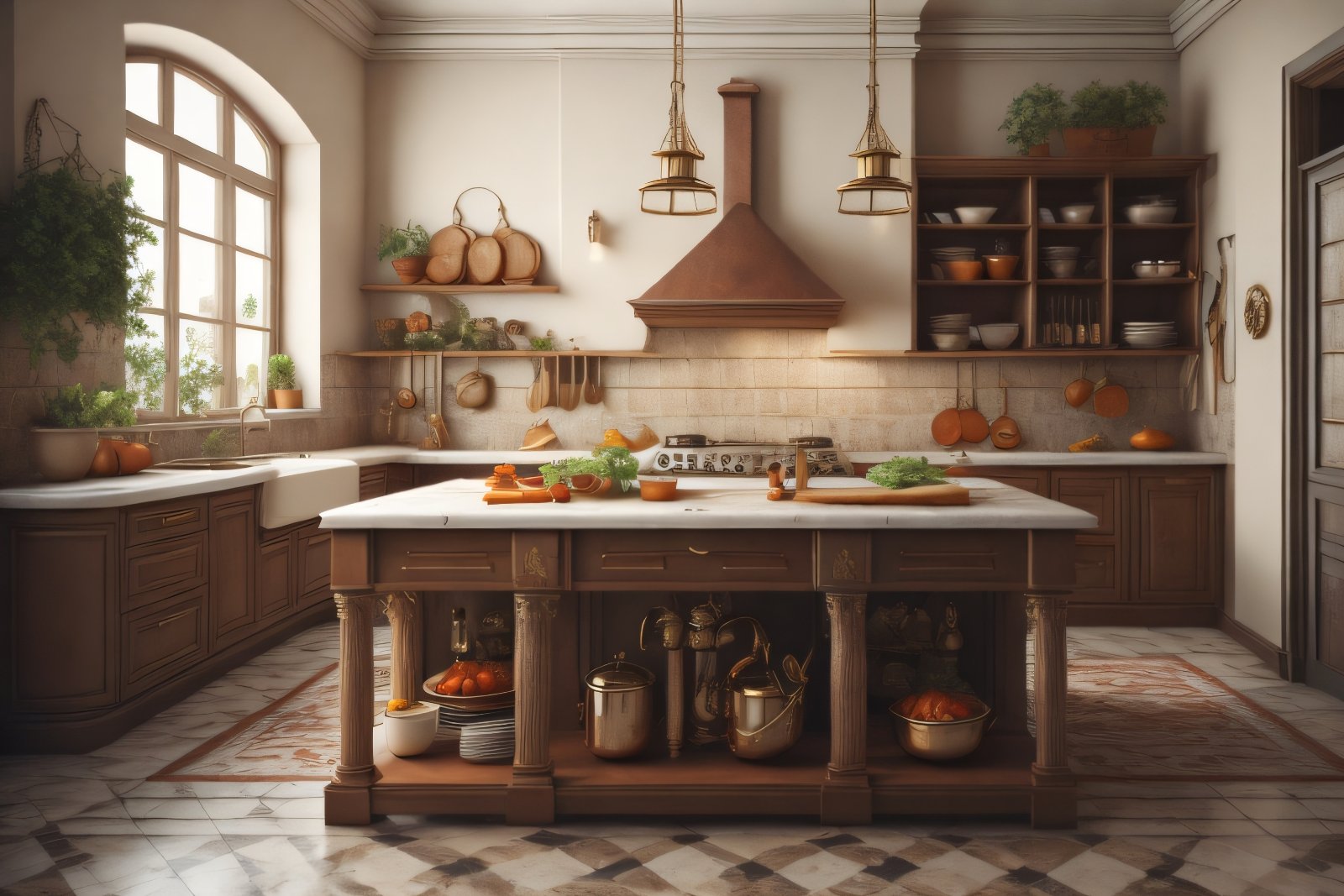
The color palette of the furniture was usually rich and warm. Shades of orange, brown, yellow, and gold created an atmosphere of warmth and coziness. The use of rich color combinations and contrasts added luxury and depth to the interior.
The furniture stands out for its majesty, luxury, and elegance. High-quality materials, carvings, decorative elements, and a rich color palette give the furniture a special appeal and charm. Carefully selected with great taste and care, the pieces of furniture in the Roman style are part of cultural heritage and continue to captivate with their beauty and aesthetics.

Materials and Finishes
These are the key elements that give a space an atmosphere of elegance, luxury, and grandeur. The ancient Romans, renowned for their pursuit of sophistication, utilized various materials and finishing techniques to create an impression of opulence and refinement.
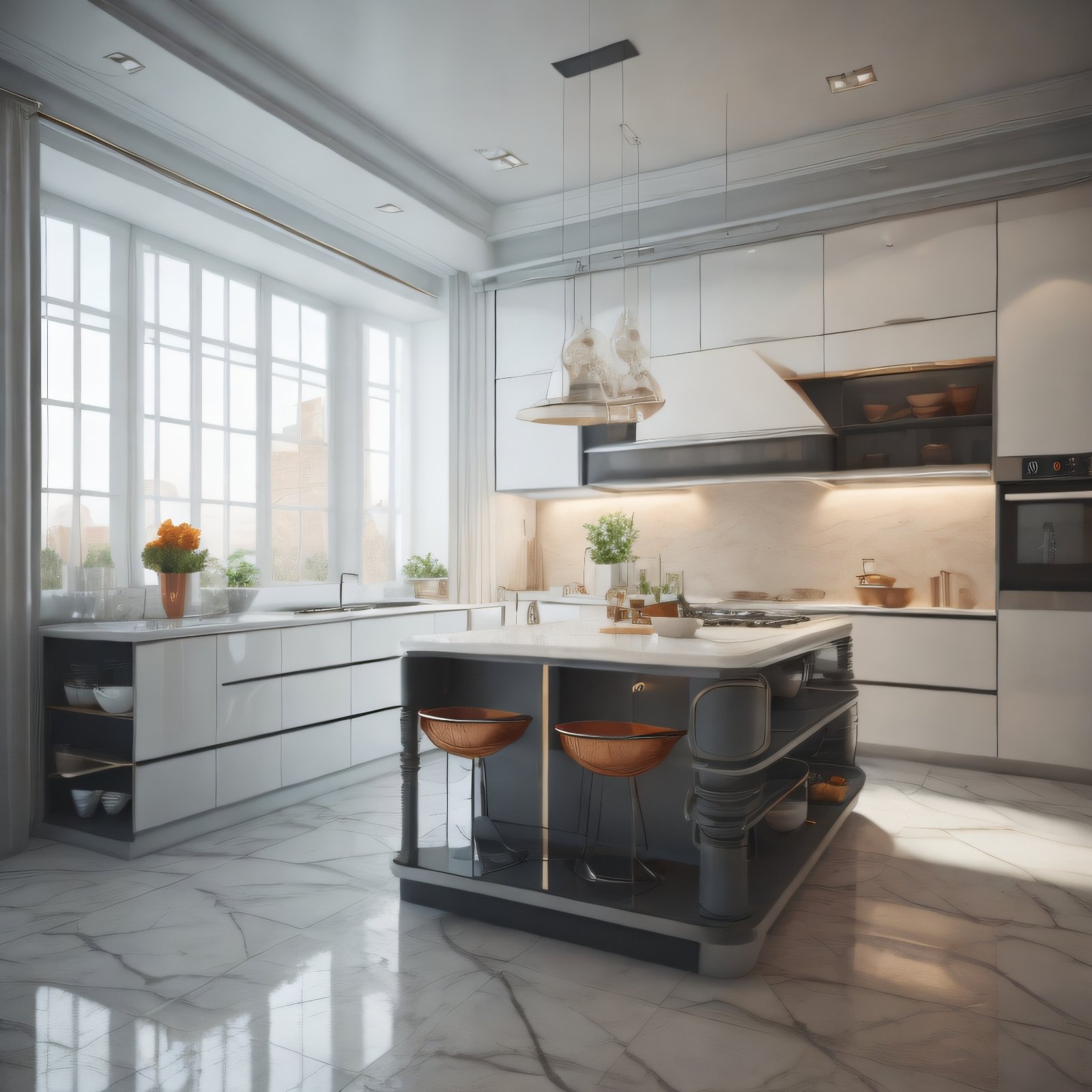
One of the primary materials used in Roman style was marble. This stone symbolized wealth and prestige, and it was employed to create background walls, floors, and countertops. Marble comes in various shades and patterns, allowing for unique combinations that give a room individuality and character.
For wall finishes, the Romans used plaster and mosaics. Plaster applied to wall surfaces created an effect of smoothness and luxury. It could be colored in various hues or covered with gold leaf to add extra shine. Mosaics were the art of creating patterns or images from small pieces of colored stones or glass. They were used to decorate walls, floors, and ceilings, creating stunning works of art.
High-quality wood materials, such as oak, walnut, and mahogany, were used to craft furniture. The wood was processed, polished, and finished to a mirror-like shine, imparting a luxurious appearance. Additionally, Roman-style furniture featured carvings that created intricate and exquisite patterns. Carved details on the backs and legs of chairs and sofas gave them character and majesty.
Fabric and leather were also utilized for upholstering soft furnishings in the Roman style. This allowed for a sense of comfort and sophistication. The fabrics could be adorned with gold or silver threads and feature various patterns and draperies, adding elegance and refinement to the furniture.
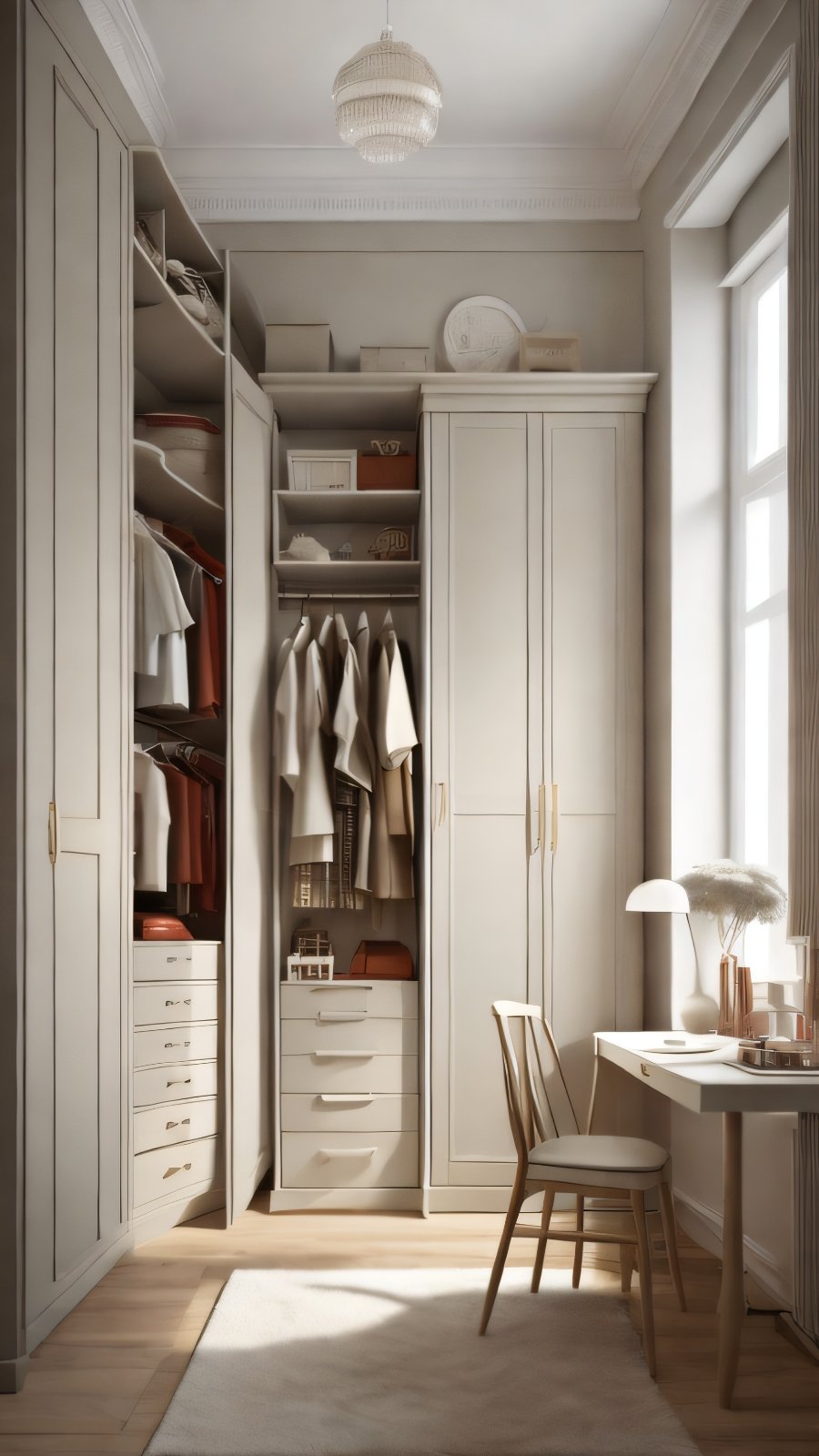
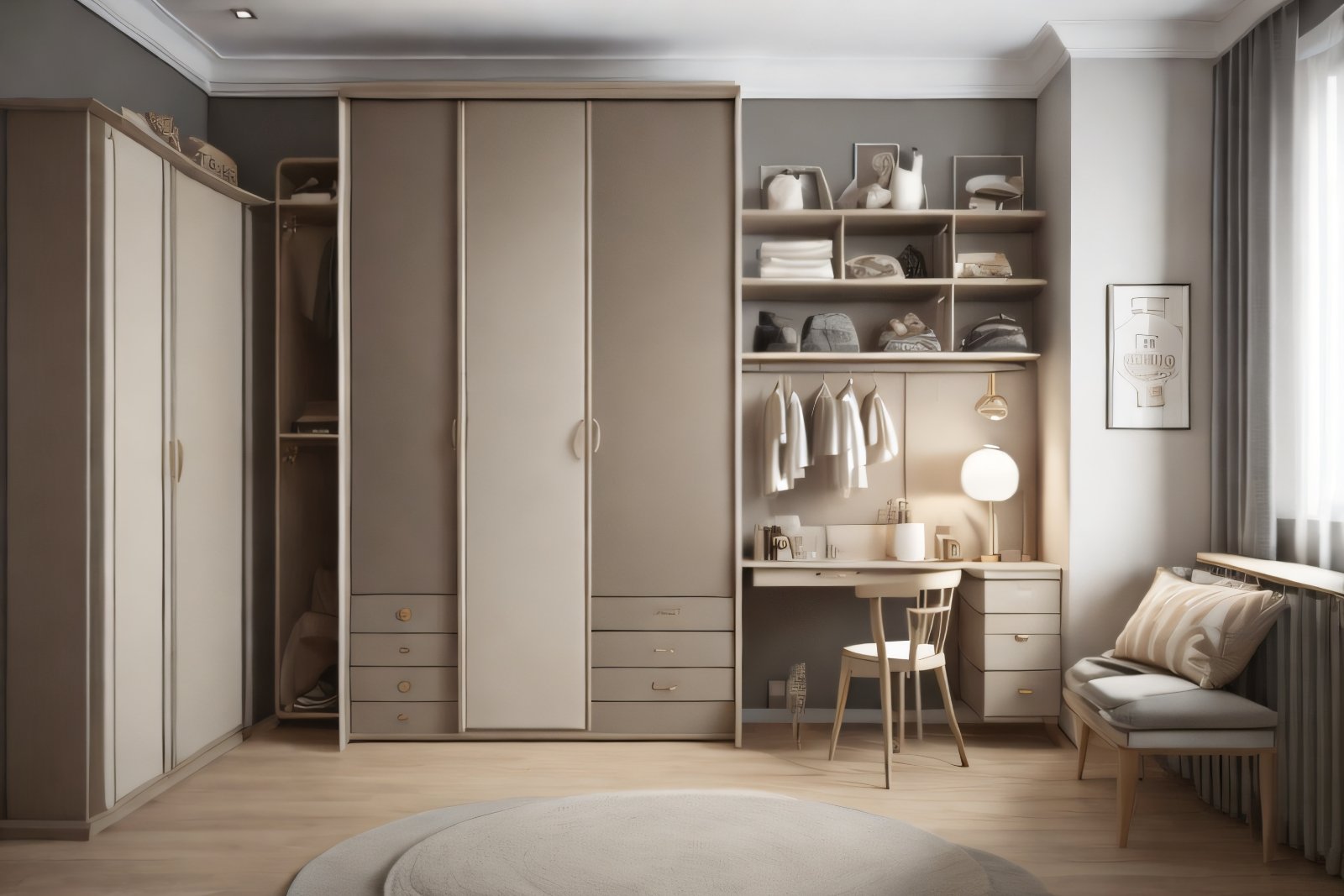
Additional decorative elements in the Roman style included columns and pilasters. They were used as structural components of dressers, wardrobes, tables, and other furniture to evoke a sense of antiquity and grandeur.
The color palette in Roman interior style is often rich and includes warm tones such as orange, brown, yellow, and gold. This creates an atmosphere of warmth and coziness. Combinations of bright and contrasting colors add depth and dynamism to the interior.
Materials and finishes in Roman interior style play a crucial role in crafting a unique and luxurious space. The use of marble, plaster, mosaics, carvings, wood, fabric, and leather infuses the room with a sense of refinement and nobility. Combining various materials and finishing techniques allows for the creation of unique and opulent interiors that embody the spirit of ancient Roman luxury and elegance.
How to Create a Roman Style Interior
To create a Roman style interior, consider these important aspects:
The primary colors used in the Roman style are white, beige, gray, brown, and black. However, this doesn't mean they should be present in equal amounts. Select a dominant color and complement it with accents from the other colors.
Marble and stone are two of the most distinctive materials in this style. Use them for wall cladding, flooring, countertops, fireplaces, and other elements. If the cost of these materials is prohibitive, you can opt for artificial alternatives that mimic their appearance.
Incorporate classical lines and details such as columns, arches, pilasters, and domes. These elements can be featured on walls, ceilings, doors, and other surfaces to achieve the desired look.
The use of high-quality fabrics is essential. Choose silk, velvet, linen, and other premium materials for curtains, rugs, pillows, and other decorative items to enhance the luxurious feel of your space.
Artworks are an integral part of Roman-style interiors. Place paintings, sculptures, and other art pieces on walls, shelves, and other surfaces to complete the look.
In conclusion, the Roman style in interior design is elegant and luxurious, making it a favored choice among interior design enthusiasts. To recreate this style in your home, focus on incorporating classical lines and details, using high-quality fabrics, integrating marble and stone, and displaying artworks on walls and other surfaces.