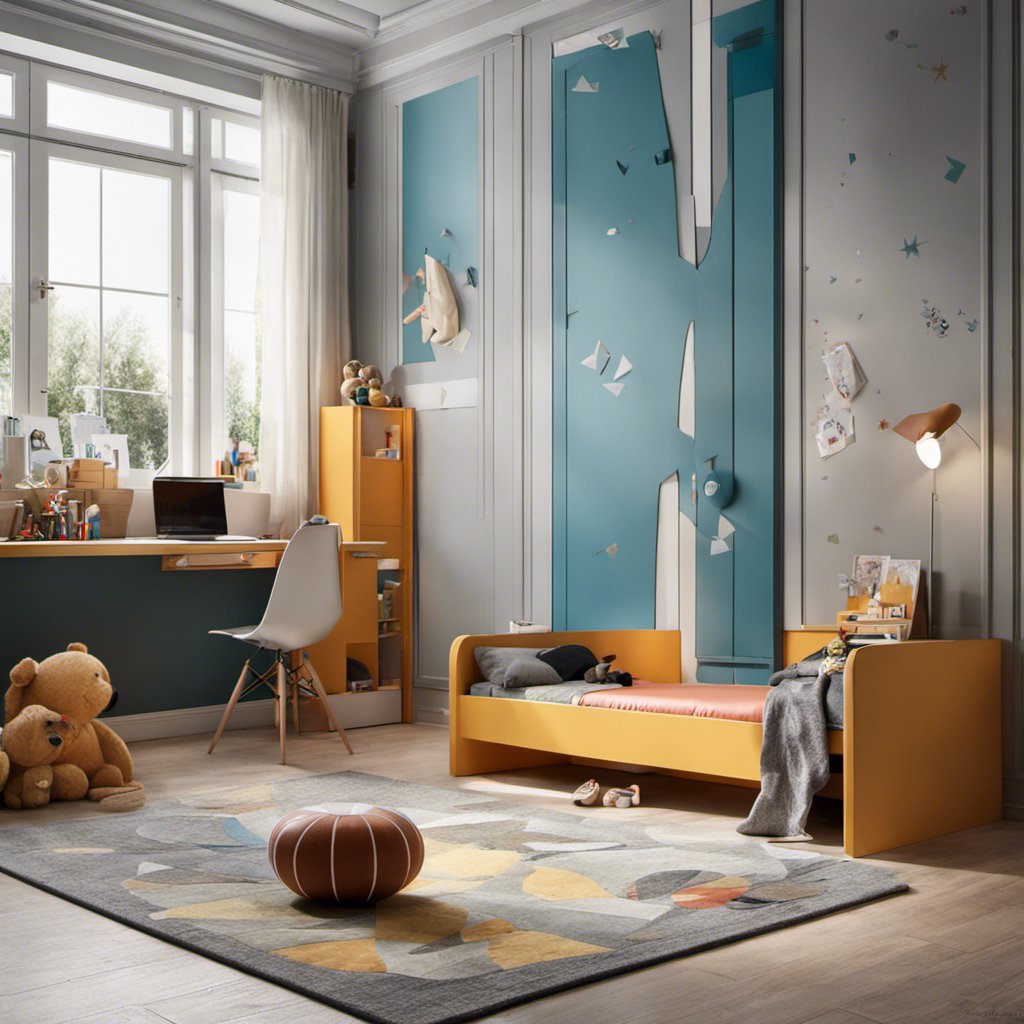
Minimalist Chic: Decorating Your Interior in Functionalist Style Down to the Finest Details
Embrace the elegance and functionality of Functionalist Style in interior design. Discover comfort and harmony with stylish solutions and room for creativity.
Distinctive Features of Functionalism in Interior Design
One of the most prominent interior design movements that emerged in the early 20th century and continues to dominate contemporary architecture. The fundamental idea is the use of forms and materials solely to optimize the functionality and practicality of a space, steering away from any aesthetic excesses.
A key feature of the style is its minimalist approach to design. The absence of decorative elements and simplicity of forms create a clean and harmonious space. The primary criterion for choosing furniture and accessories is their functionality and practicality. Every element should be as efficient and convenient to use as possible.
The style's main characteristics are spaciousness and light. Interiors in this style typically feature open floor plans without partitions or dividing walls, allowing light to freely penetrate every corner of the room. Open spaces and large windows give the area a visually more spacious and bright appearance.
Minimalism and simplicity of forms also define the functionalist style. Furniture and interior items are characterized by their succinctness and clarity of lines and shapes. The absence of decorative elements and unnecessary details lends a restrained feel to the interior, making it more functional.


The color palette usually consists of neutral tones such as white, gray, beige, or brown. However, adding bright accents can liven up the space and bring a touch of vitality. It's important to remember that these accents should be balanced and not overwhelming.
An important aspect is the use of eco-friendly and durable materials. Wood, glass, metal, and natural fabrics are often used to create furniture and decor in the interior. The absence of unnecessary details and materials creates a sense of cleanliness and aesthetic harmony in the room.
Overall, this style represents a desire for practicality, efficiency, and functionality. It is ideal for modern urban spaces and for those who value simplicity, convenience, and minimalism. Undoubtedly, this style creates an atmosphere of coziness and harmony, allowing for enjoyment of space and light, making the interior pleasant and comfortable.
History of the Functionalism Style
This architectural and design style emerged in the first half of the 20th century. It was a reaction to traditional forms imposed by classical and Art Deco styles, representing a unique approach to design based on the principle of form follows function.
The origins of functionalism trace back to the roots of modern architecture and design. Initially emerging in Germany in the 1910s, the style quickly spread throughout Europe and became very popular in the 1920s and 1930s, particularly in the Soviet Union and the Netherlands.
The core principle is adherence to simplicity, minimalism, and efficiency in space usage. Functionalists aimed to create architecture and design where every element serves its function and carries pragmatic value.
In architecture, this style is characterized by the use of clean geometric forms, minimalist decorative elements, and the combination of various materials: glass, concrete, metal, and wood. Building facades were typically flat and smooth, with large windows to maximize natural light. Interiors were functional and convenient: furniture and household items were often designed with specific purposes in mind, eliminating excessive aesthetics and non-essential details.
Functionalism was also closely tied to the social and political aspects of its time. Functionalists aimed to move away from luxury and present affordable housing for all sections of society. They believed that architecture and design should serve society and meet its needs.
If we trace the evolution of functionalism, we can see that it became one of the cornerstones of modernism and contemporary architecture and design. Many modern buildings and pieces of furniture still reflect these principles, such as symmetry and harmony, simplicity and convenience, functionality, and practicality.
The history of the style highlights how architecture and design interact with social and political events, forming their unique identity. Thanks to functionalism, many people around the world have gained access to a simple, practical, and comfortable lifestyle, and this style remains relevant and worthy of study to this day.
Different Room Designs in Functionalism Style
This is one of the most famous movements in architecture and interior design, originating in Germany and the Netherlands in the first half of the 20th century. The primary idea of functionalism was the pursuit of practicality and functionality in everything, from the architecture of the building to every element of its interior. Room design in this style aims to fully meet all human needs, emphasizing simplicity, conciseness, and minimalism in design.
One way to style a room in this fashion is to use geometric shapes and straight lines throughout the interior. For example, walls may be decorated with clear geometric figures, windows might have a rectangular shape, and furniture would be simple and functional, devoid of unnecessary details. This approach ensures that the room appears modern and balanced.


Another idea is to use natural materials and textures. For instance, you can choose wooden or stone flooring, which adds a touch of nature and warmth to the room. Furniture and accessories can also be made of natural materials like wood, glass, or metal, highlighting the natural beauty and aesthetics.
Moreover, it's essential to focus on the functionality of each element in the room. Functionalism emphasizes furniture and accessories that serve a specific purpose and benefit the residents. In this style, the room can be designed with multi-level shelves, spacious bookcases, or foldable tables, allowing you to save space and maximize convenience.
The room can also feature smooth lines and rounded shapes, which help to soften the overall atmosphere and create a cozy space. For example, you might add a rounded chair or cushions with curved forms on the sofa.
There are numerous room decor options, and each can be unique, fitting the specific preferences and needs of the room's owner. The main aim should be simplicity, functionality, and practicality in every interior element. Ultimately, functionalism in room design provides a comfortable and balanced space for living and relaxation.
Finishing Materials
This architectural-style movement promotes simplicity, convenience, and practicality in interior design. Within this style, special attention is given to the choice of finishing materials, which should align with the principles of functionalism and complement its aesthetic concept.
Materials such as glass, metal, stone, and concrete are widely used in interior decoration. These materials are chosen for their functional characteristics and their ability to create simple, concise, and functional forms.
One of the key aspects of selecting finishing materials is their strength and durability. This has become possible through the use of new technologies and materials that are highly resistant to external influences and require minimal maintenance. For example, glass and metal are protected by special coatings that ensure their durability and preservation of their original appearance.
Natural materials, such as wood and textiles, are strictly excluded from interior finishes. Their use is limited to select decorative elements, and even then, they must feature clean lines and minimalist execution.


In functionalist interior design, geometric shapes and lines are used extensively. These elements serve as the primary decorative features and define the visual structure of the space. The use of finishing materials with clear boundaries and symmetrical forms creates a sense of calm and harmony within the interior.
Additionally, color plays a significant role in functionalist interior design. Neutral and calm shades such as white, gray, black, and beige are predominantly used. These colors convey a sense of cleanliness and simplicity while also allowing architectural details and forms to stand out.
In conclusion, finishing materials used in functionalist interior design are modern and high-tech, combining durability, aesthetics, and functionality. They create a sense of order and harmony, reflecting the principles of this style and highlighting its key features.
Color Scheme
Functionalism is a style that emerged in the early 20th century as a response to the gradual development of the Industrial Revolution. The main idea behind this style is to bring functionality and simplicity into all aspects of an interior design project.
The color scheme aims to create a harmonious space where each element has a clear and defined function. Instead of intricate ornaments and excessive decorations, functionalism employs simple and neutral tones.
The primary colors that highlight the functionalism style are white, black, gray, and beige. These subtle neutral shades can seamlessly blend into any space and emphasize functional elements such as walls, ceilings, floors, and furniture.
White is the base color, adding light and transparency to the interior. The functionalism style calls for large, spacious windows that allow natural light to fill the room, creating a sense of openness and freedom. White walls and ceilings reflect light and visually expand the space.
Black is utilized in details and accents. Black metal window frames, door handles, lamps, or glass partitions add a sense of strictness and restraint to the interior. Additionally, it can highlight the lines and shapes of furniture, creating a contrasting and graphic effect.
Gray and beige colors, which sit between black and white, can serve as supplementary color accents. They add nuances and warmth to the overall color scheme without disturbing the simplicity and functionality of the style.
One important aspect of color design is minimalism. All elements should adhere to the concept of "form follows function," and the color scheme should be moderate, ideally free of bright and intense shades.
The color design emphasizes its main principles - simplicity, functionality, and minimalism. A neutral palette consisting of white, black, gray, and beige creates a calm and harmonious atmosphere within the interior. Every element appears harmonious and serves a specific purpose. It lends the interior a restrained and modern look while echoing classic style and long-forgotten values of simplicity and practicality.
Furniture
Furniture in this style embodies a modern and practical approach to space organization. The hallmark of this style is an emphasis on the functionality and ergonomics of the furniture pieces.
The main principle is simplicity and practicality. Furniture in this style features minimalist designs, devoid of unnecessary details and decorations. Instead, it offers convenience and maximum functionality in every detail. The shapes of the furniture aim to be as simple and geometric as possible to optimize space utilization.


Special attention is given to materials that embody the idea of functionalism. They must be durable, easy to maintain, and long-lasting. Commonly used materials include metal, glass, wood, and synthetic materials. The lack of unnecessary ornaments and decorative elements gives the interior a streamlined and restrained appearance.
An important aspect of the furniture is its ergonomics. Each piece aims to be perfectly adapted to its function and comfortable to use. Features such as adjustable table heights, cushioned seats with armrests and footrests, swivel chairs, and more make the interior both convenient and highly functional.
The color scheme of the furniture is usually neutral and calm. Shades like white, gray, beige, and brown are frequently used. This allows the furniture to focus on its functionality without being distracted by bright colors.
The furniture can incorporate elements of modernity and aim for innovation, but it always retains its core idea – practicality and functionality. It fits perfectly into modern urban interiors, office spaces, or apartments with minimalist designs, highlighting contemporary trends while adding quality and elegance.
Decor and Accessories
This style in design and architecture embraces simplicity, cleanliness, and practicality in every detail. The prevailing idea in functionalism is that furniture and accessories should have an interesting design; however, their main goal is to be functional and convenient to use.
The decor and accessories are characterized by their minimalism and simple forms. They aim to stand out through their functionality rather than complex patterns or ornamentation. In such a style, attention is paid to every detail, every line, and geometric shape.
One of the hallmarks of the decor is the use of natural materials like wood, glass, metal, and concrete. Their textures and shades bring a sense of naturalness and coziness to the interior. A minimal amount of details and smooth surfaces create a feeling of cleanliness and spaciousness.
Furniture and accessories in the functionalism style usually feature straight, geometric shapes without excessive ornamentation. The lines are clear and simple, creating a sense of symmetry and harmony. Common items include chairs, tables, and lamps designed with geometric shapes, as well as accessories with clean lines such as clocks, photo frames, and book stands.


The color palette in the functionalism style is also characterized by its moderation and naturalness. The primary shades often used in this style include white, black, gray, and other neutral tones. However, to add a touch of accent, a bright color can be used, but always adhering to simple and minimalist forms.
A distinctive feature of decor and accessories in the functionalism style is their practicality and ease of use. Every item, be it a bookshelf, coat rack, or chandelier, is designed with user comfort in mind. They can be easily installed and used without the need to create complex systems.
When considering decor and accessories in the functionalism style, it's worth noting that they are perfect for modern interiors. They create a clean, elegant, and contemporary look while maintaining their practicality. Functionality and aesthetics go hand in hand, creating a space where one can live and work comfortably.
Lighting
Functionalism is one of the prominent expressions of early 20th-century architecture and design. This style is characterized by minimalist forms, simplicity of lines, and the dominance of functionality over decorative elements. Lighting in the functionalism style is no exception.
One of the main features of lighting in this style is its pursuit of simplicity and efficiency. Instead of the complex and ornate chandeliers and lamps that characterized previous styles, functionalists preferred simple and harmonious forms.
Most often, functionalist lighting uses fixtures with geometric shapes such as cubes, spheres, or cylinders. Their simplicity and conciseness create a sense of balance and equilibrium. They fit beautifully into the space and harmoniously blend with other elements of the interior.
When choosing light sources, it's crucial to consider not only their aesthetic appeal but also their functionality. They need to provide sufficient light for everyday tasks and be adjustable to create the desired atmosphere in the room.
Lighting can also incorporate various technical solutions such as built-in fixtures or specialized lighting control systems. These allow for the optimal use of space and help create the desired ambiance by adjusting the brightness and color temperature of the light.
The color palette of functionalist lighting often features neutral and minimalist tones. Special attention is given to color balance and harmony to avoid creating excessively bright and contrasting accents that could disrupt the overall atmosphere of the room.
Ultimately, functionalist lighting is an ideal choice for those seeking simplicity, elegance, and functionality in their interior design. It pairs perfectly with minimalist decorative elements, creating an atmosphere of tranquility and harmony. Thanks to its simplicity and conciseness, it remains relevant and contemporary, even decades after its inception.
Functionalism Style in Interior Design — Photos: