Expressionism in Interior Design: Create a Unique Style and Deep Emotions in Your Home
Open a new chapter in interior design with expressionism. Bold color choices, dynamic shapes, and emotional accents will create a unique atmosphere in your home.
Expressionism Style in Interior Design
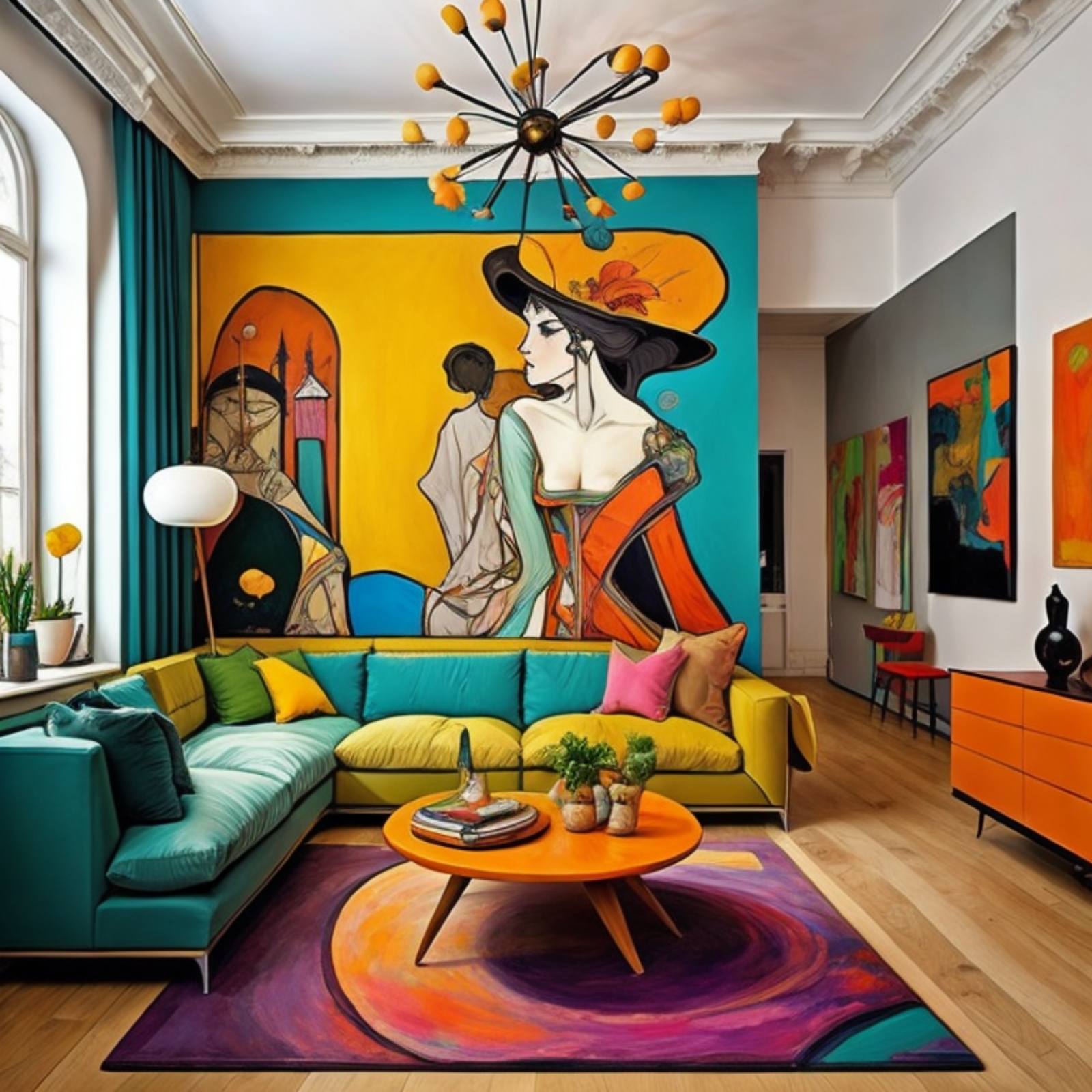
This bold and emotional expression of the inner world through decorative elements, furniture, and color schemes creates an ambiance that reaches the soul. The style is unique in its ability to convey emotional depth and intensity.
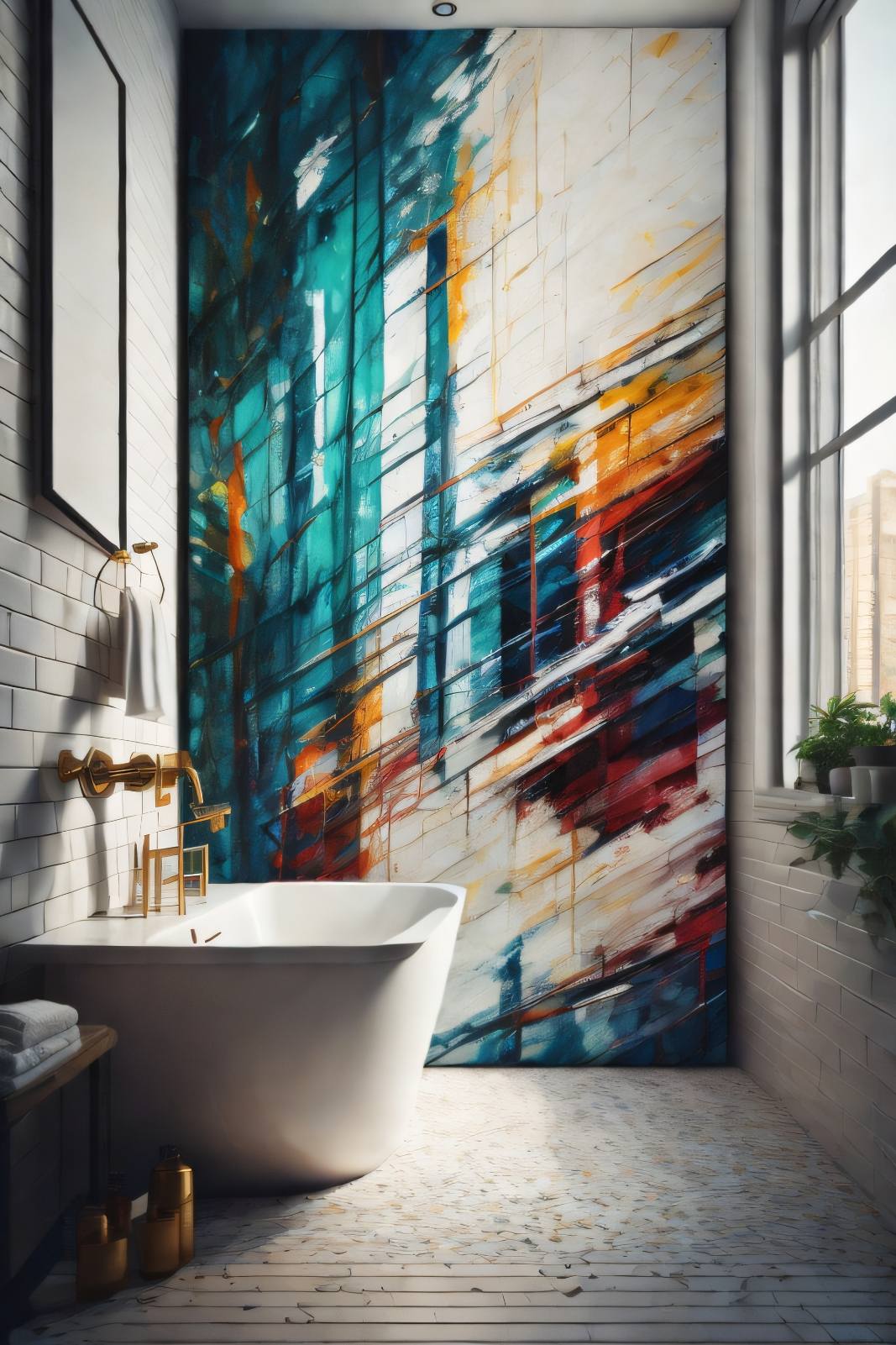
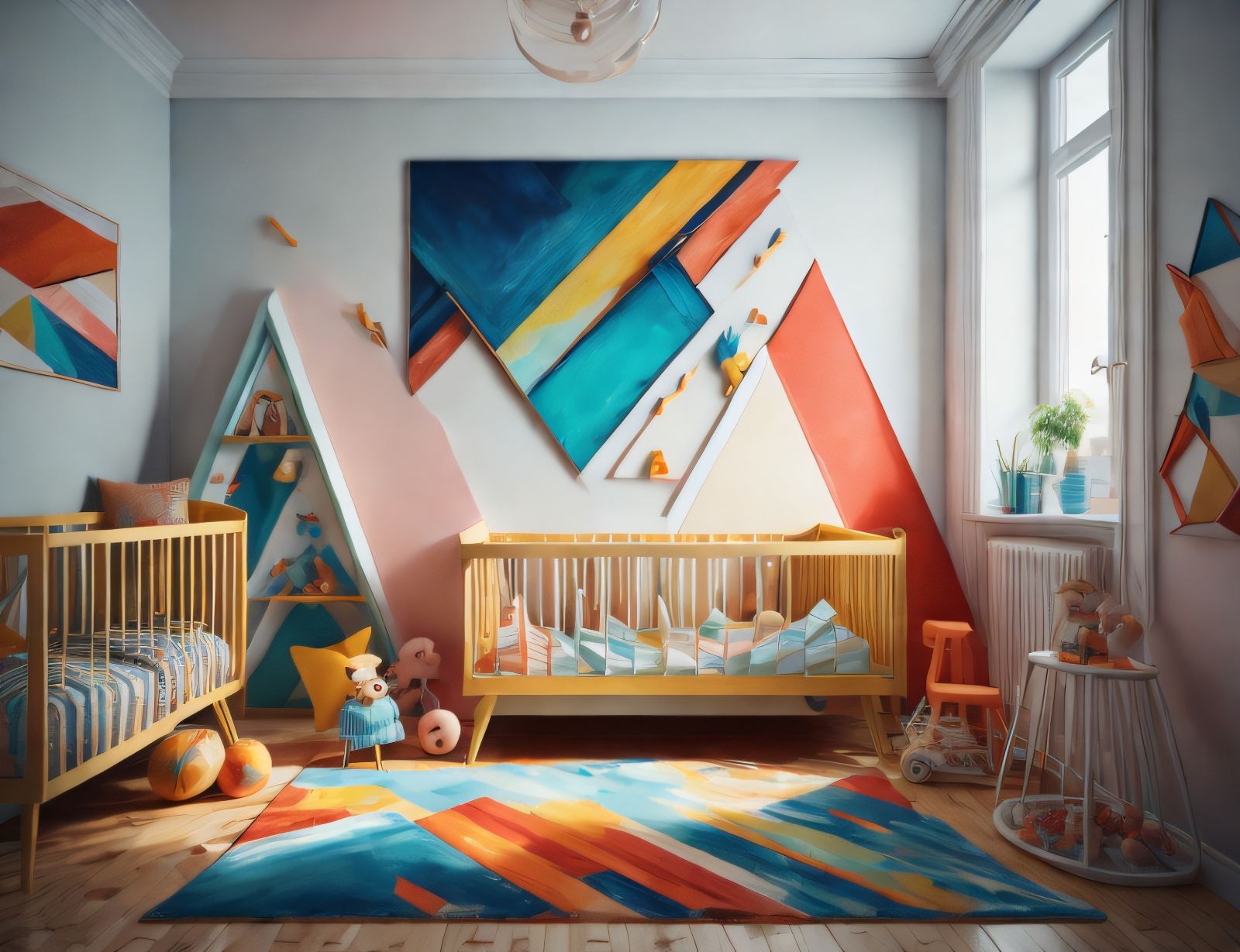
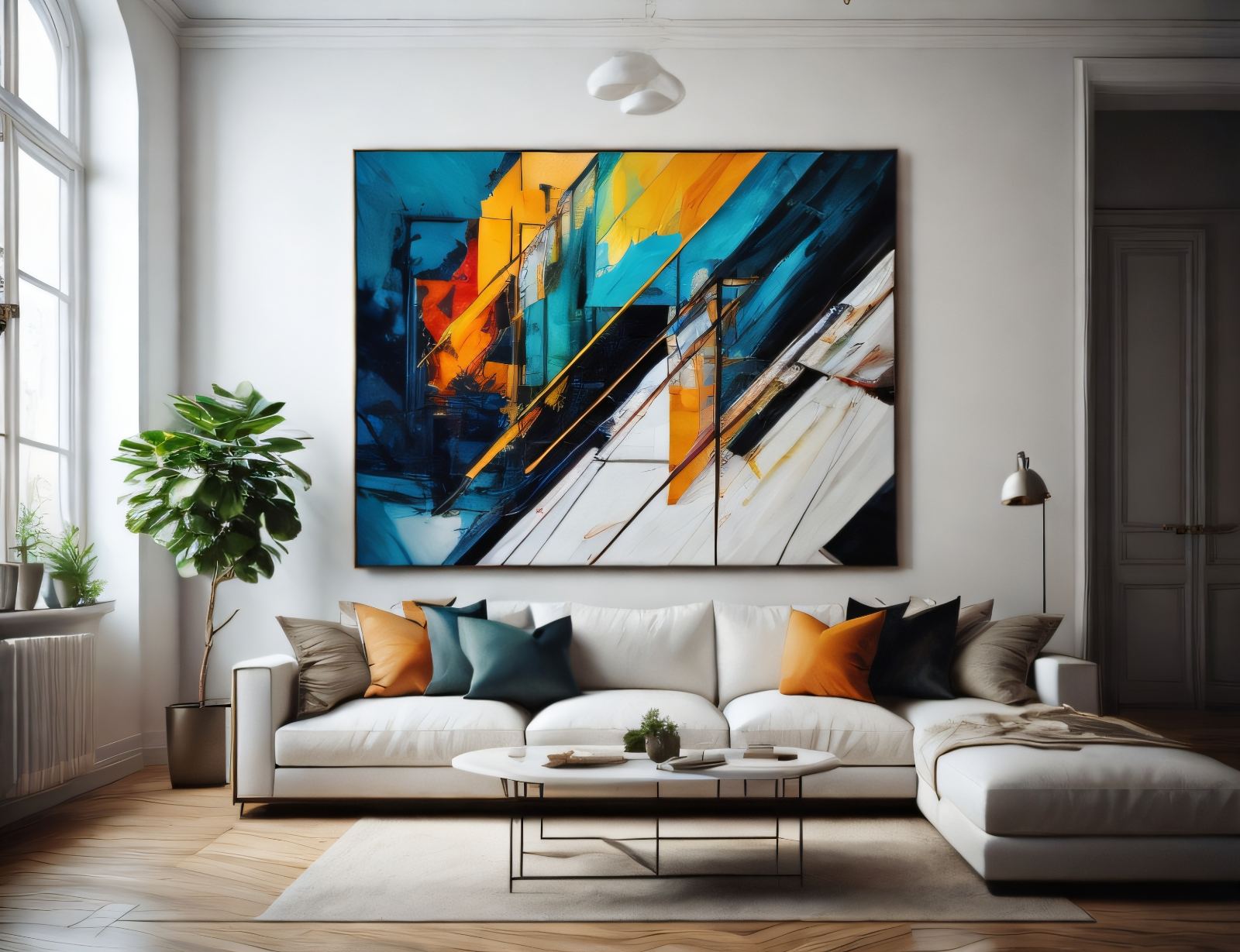
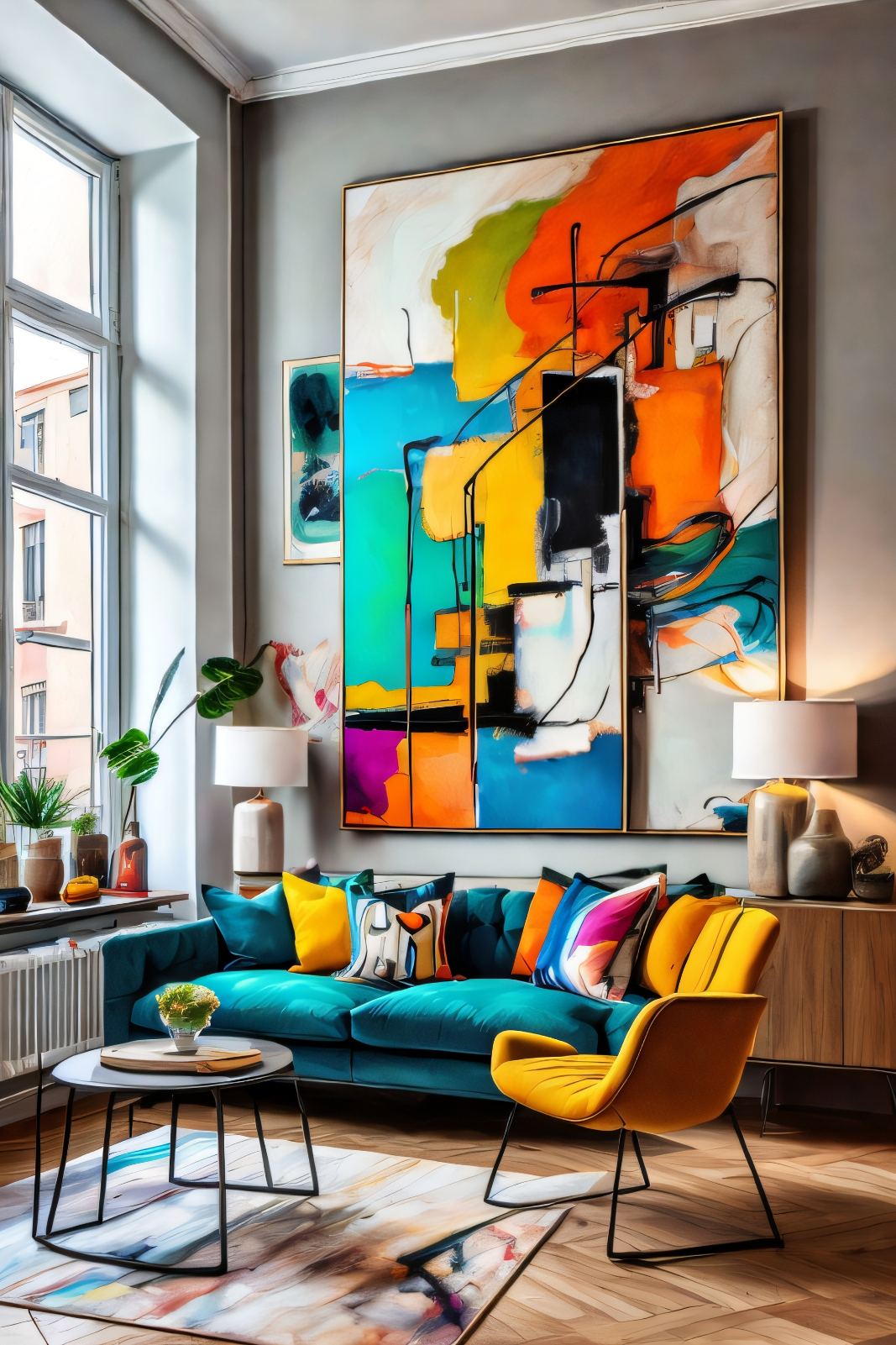
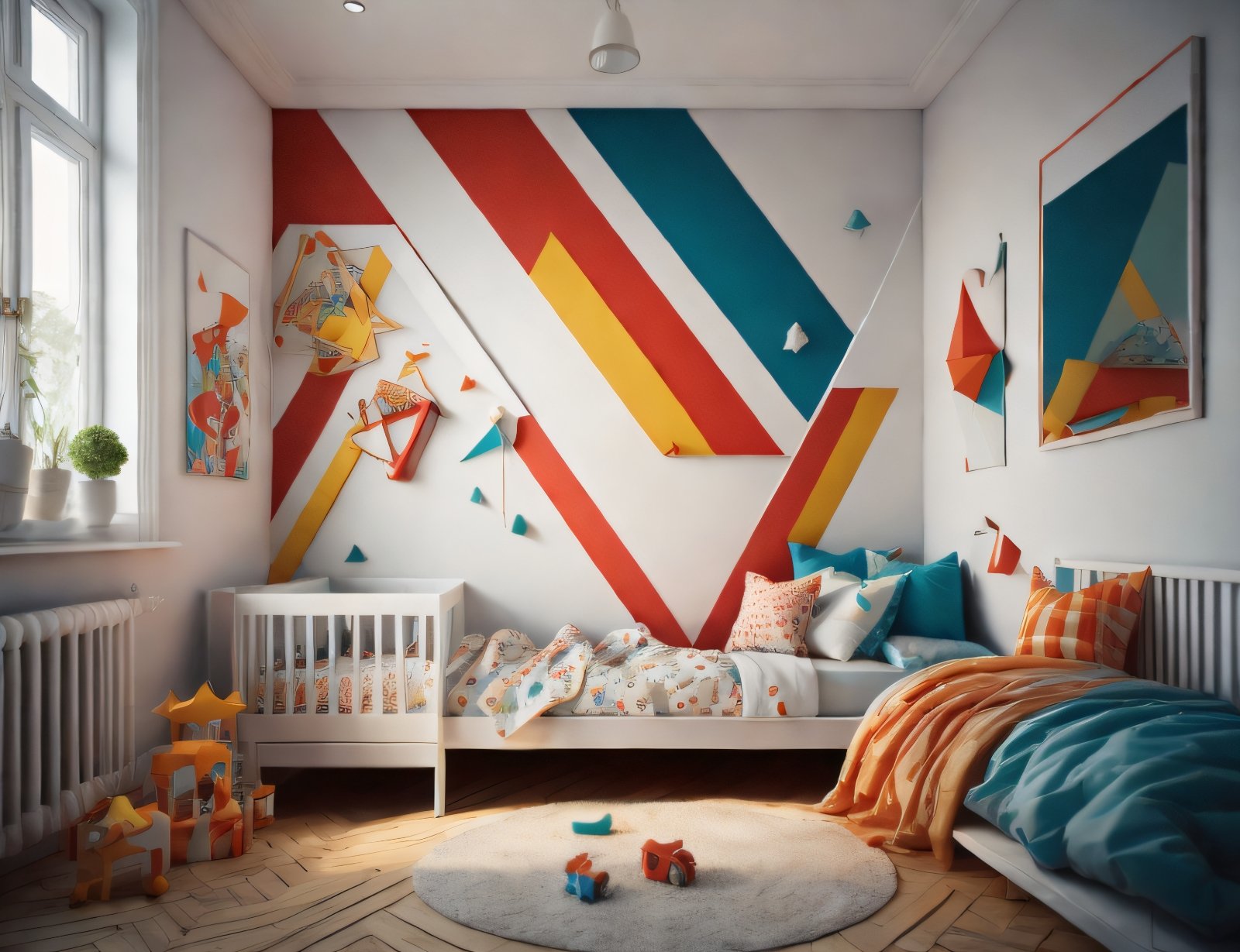
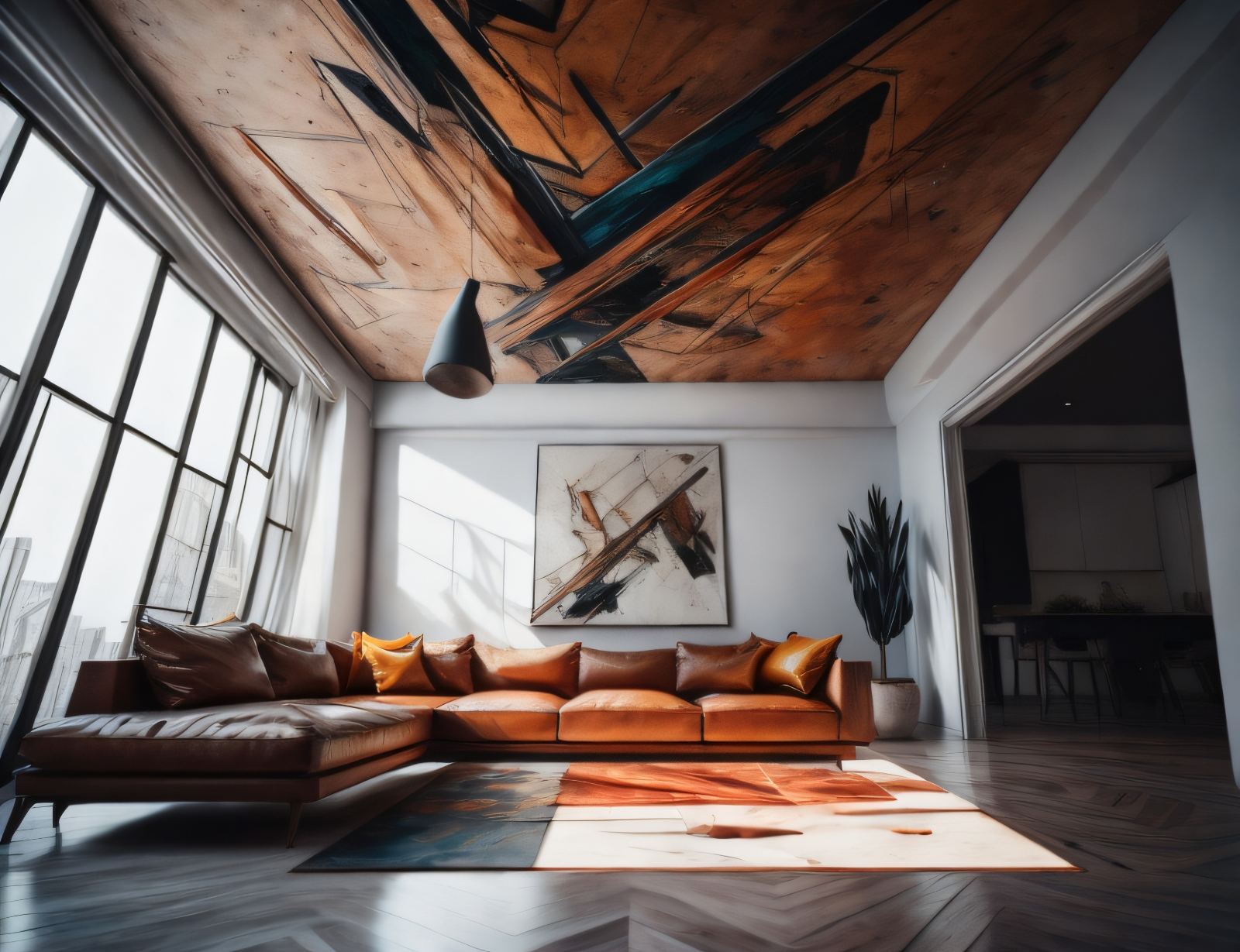
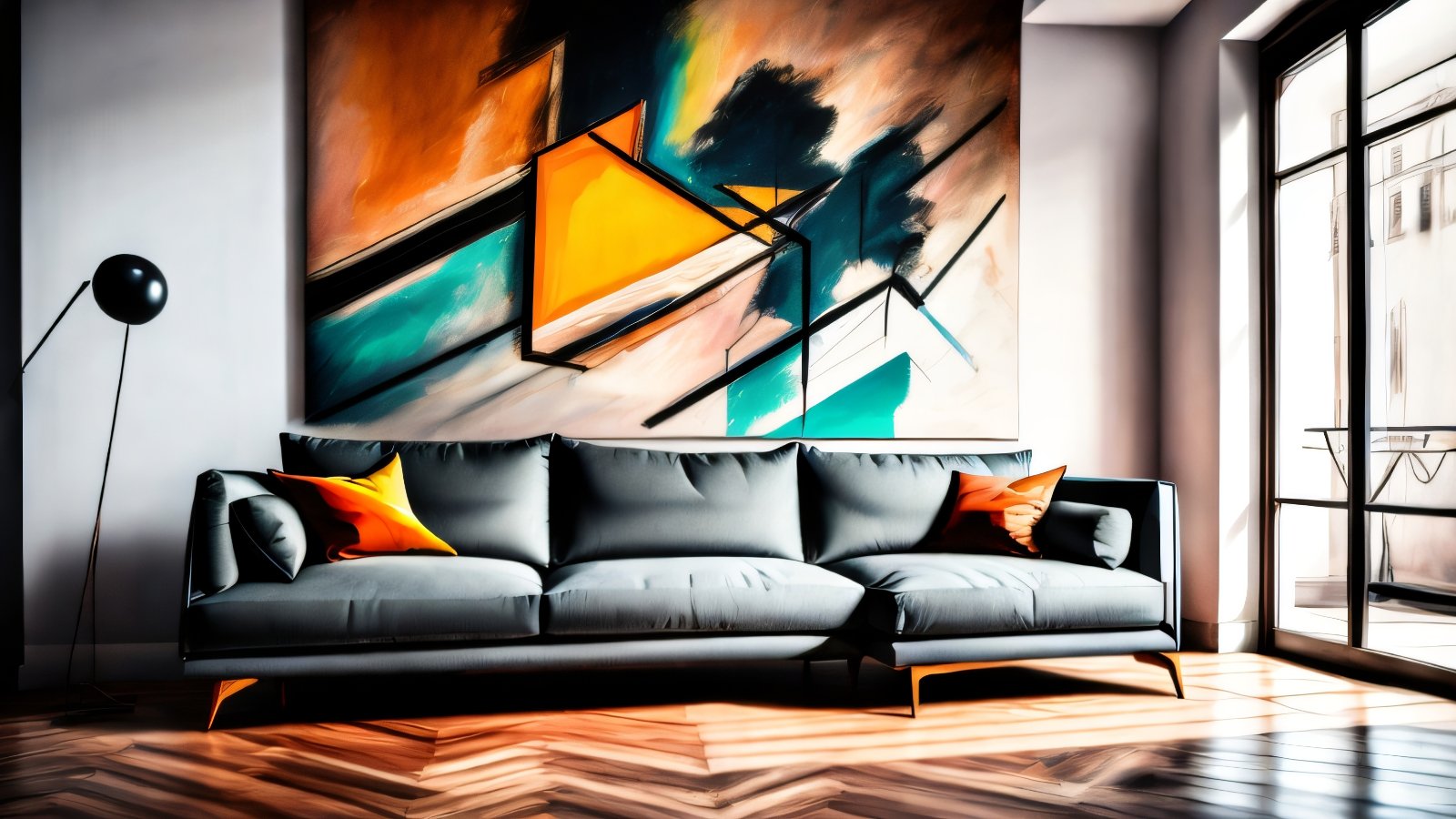
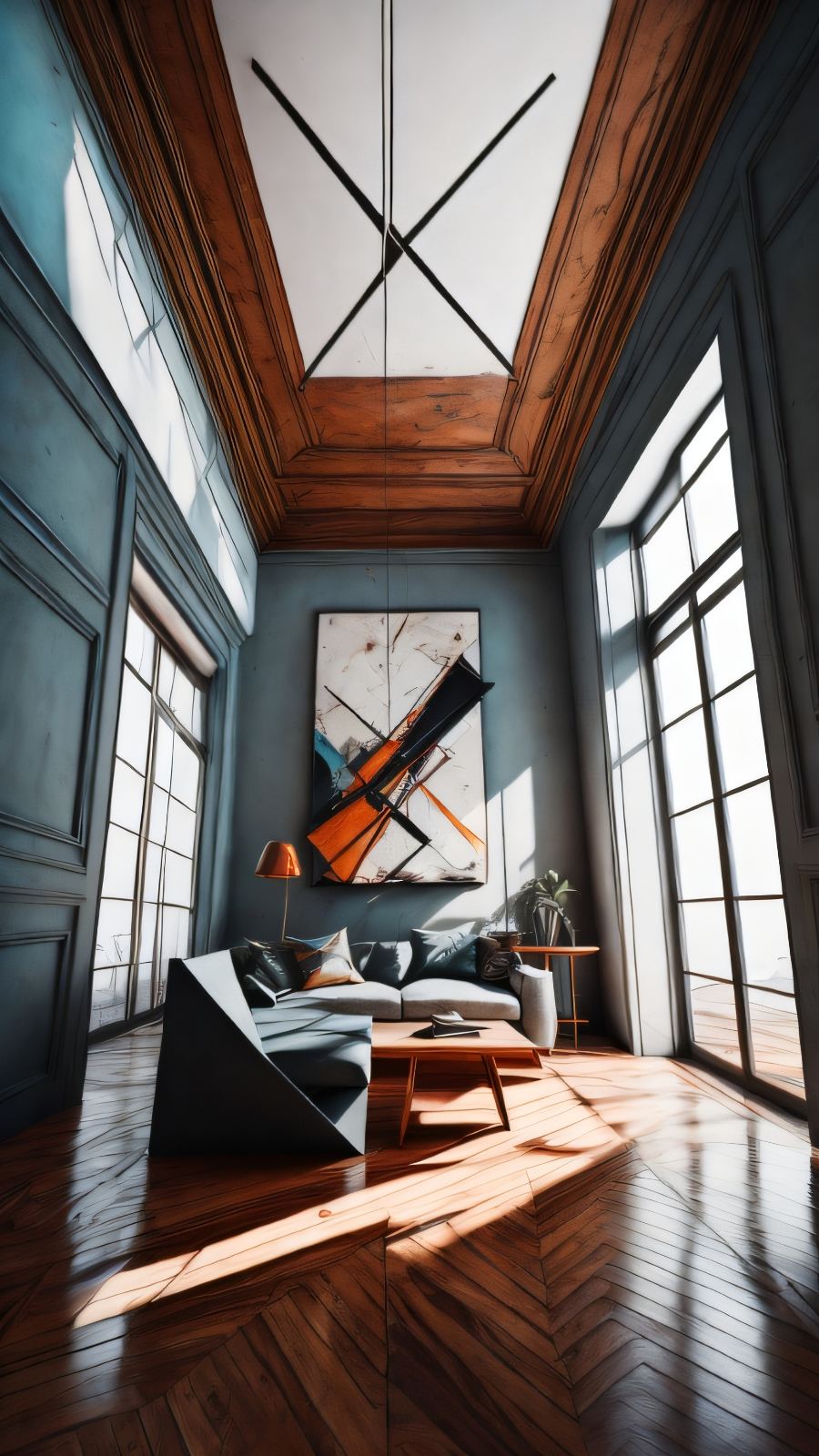
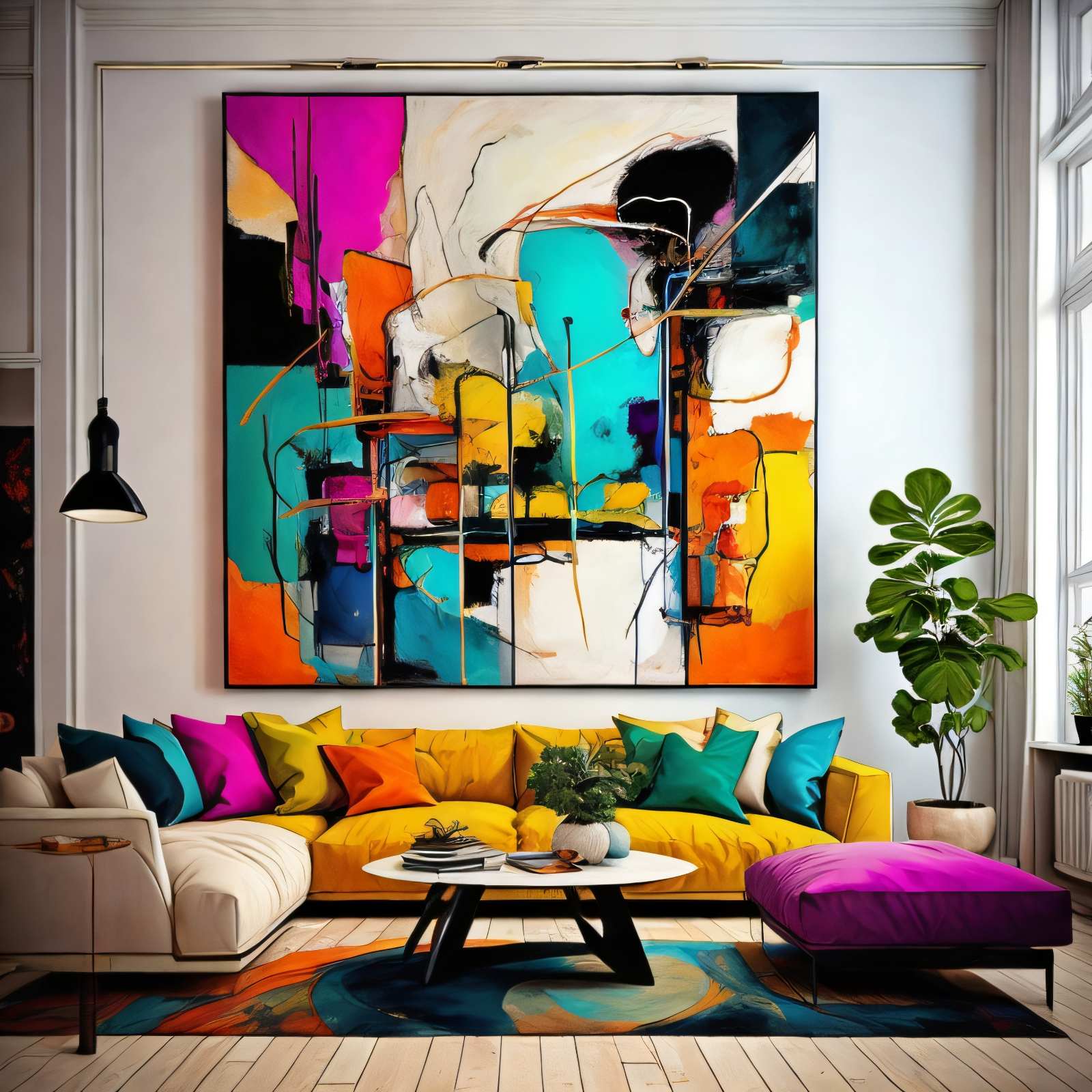
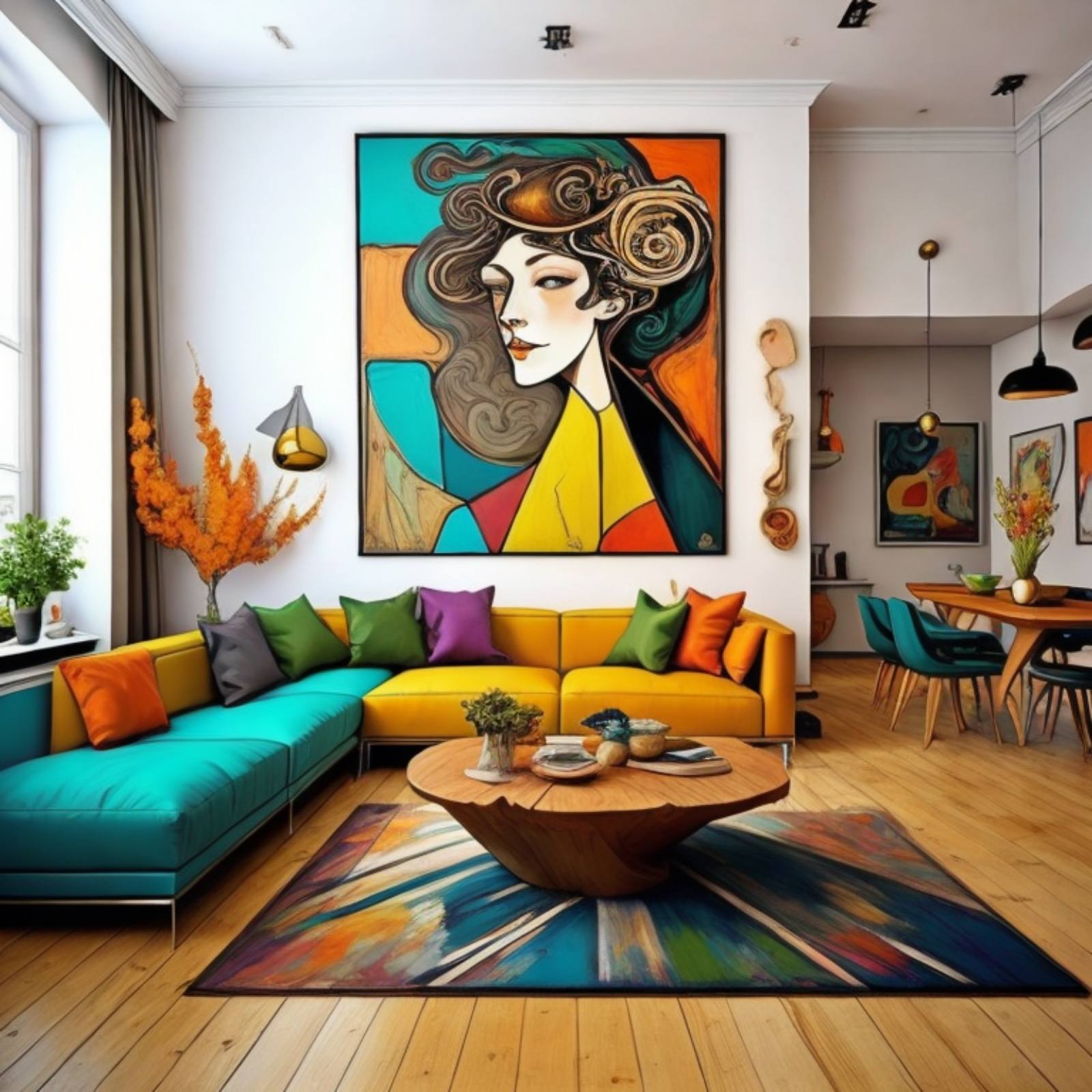
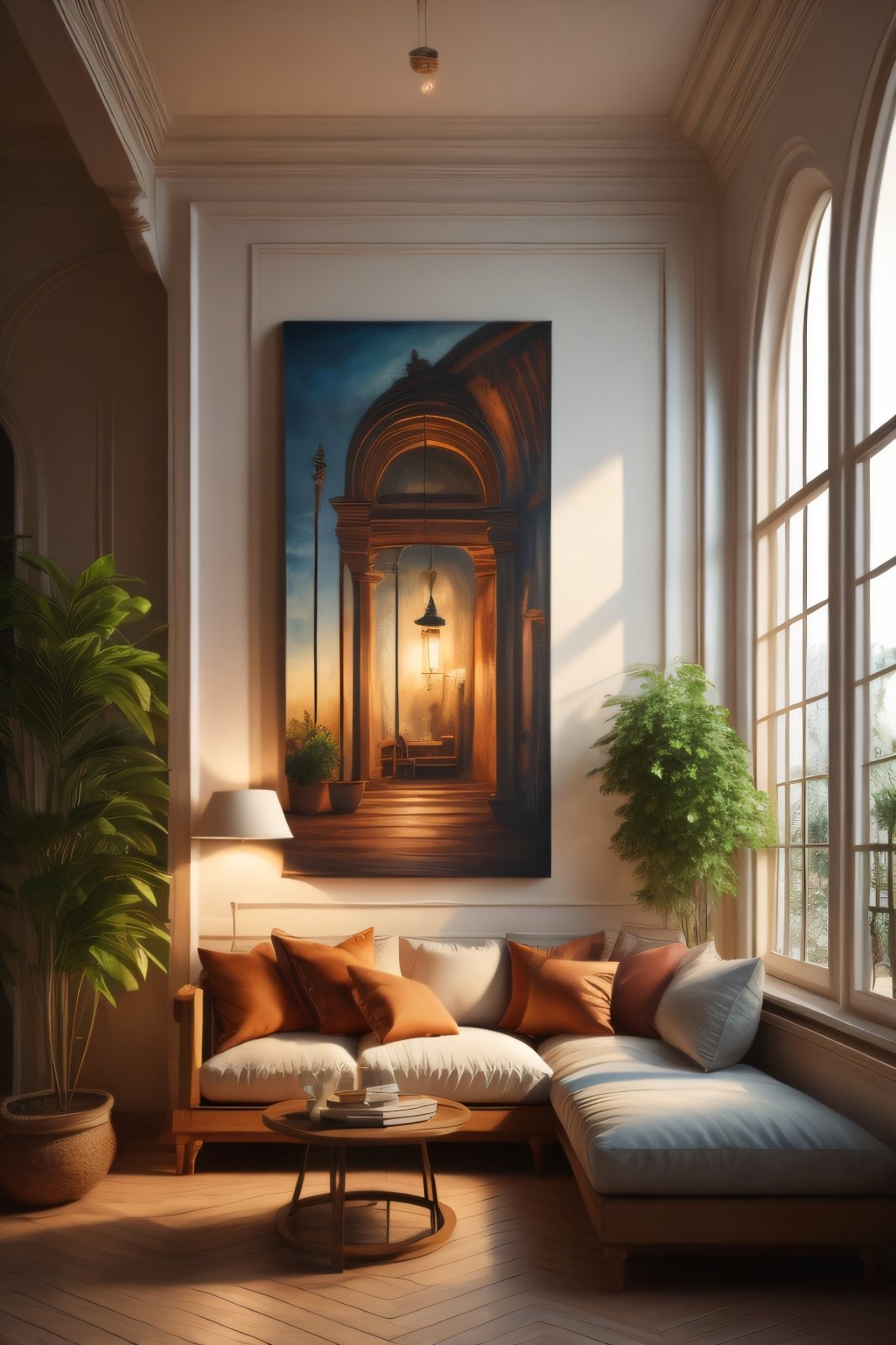
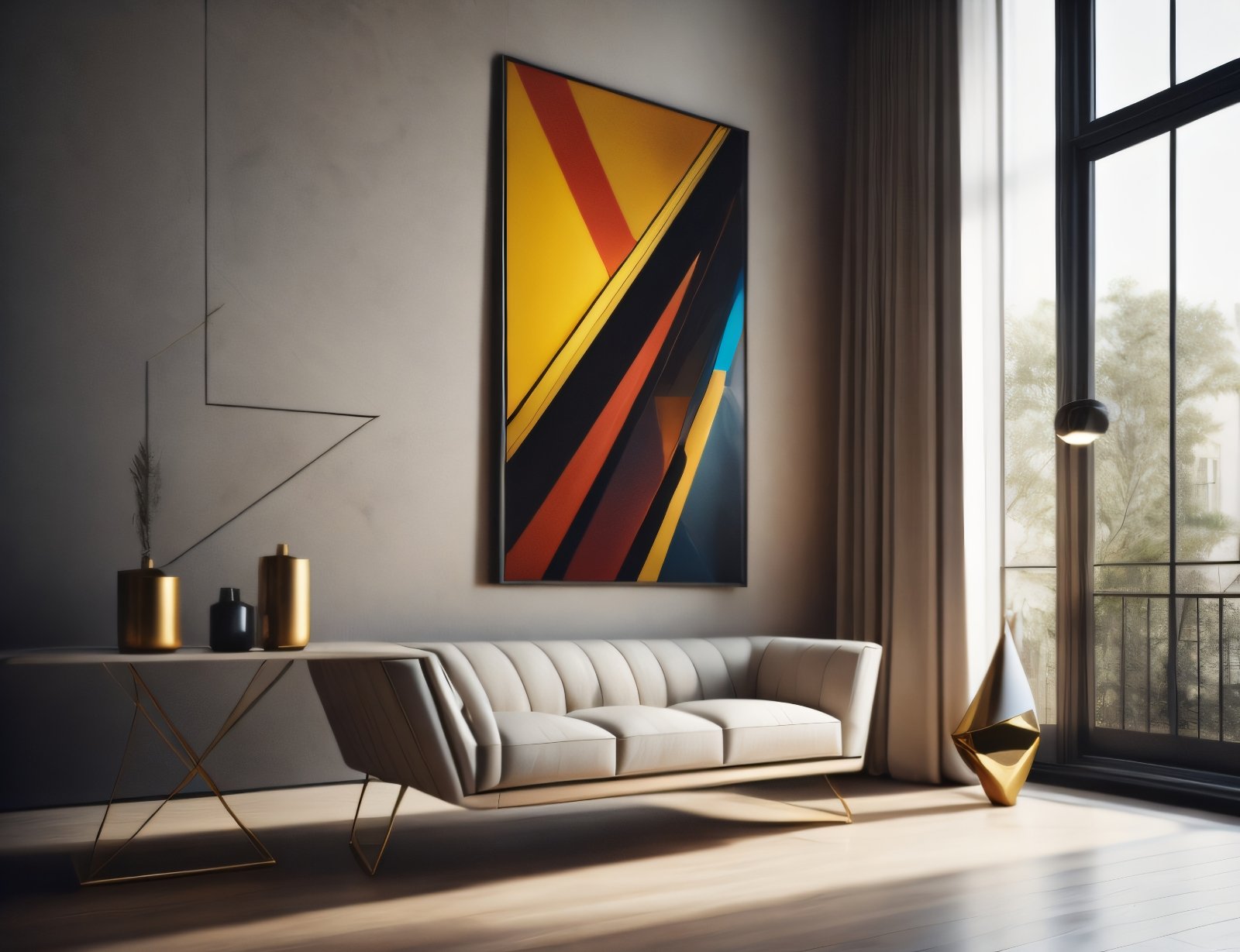
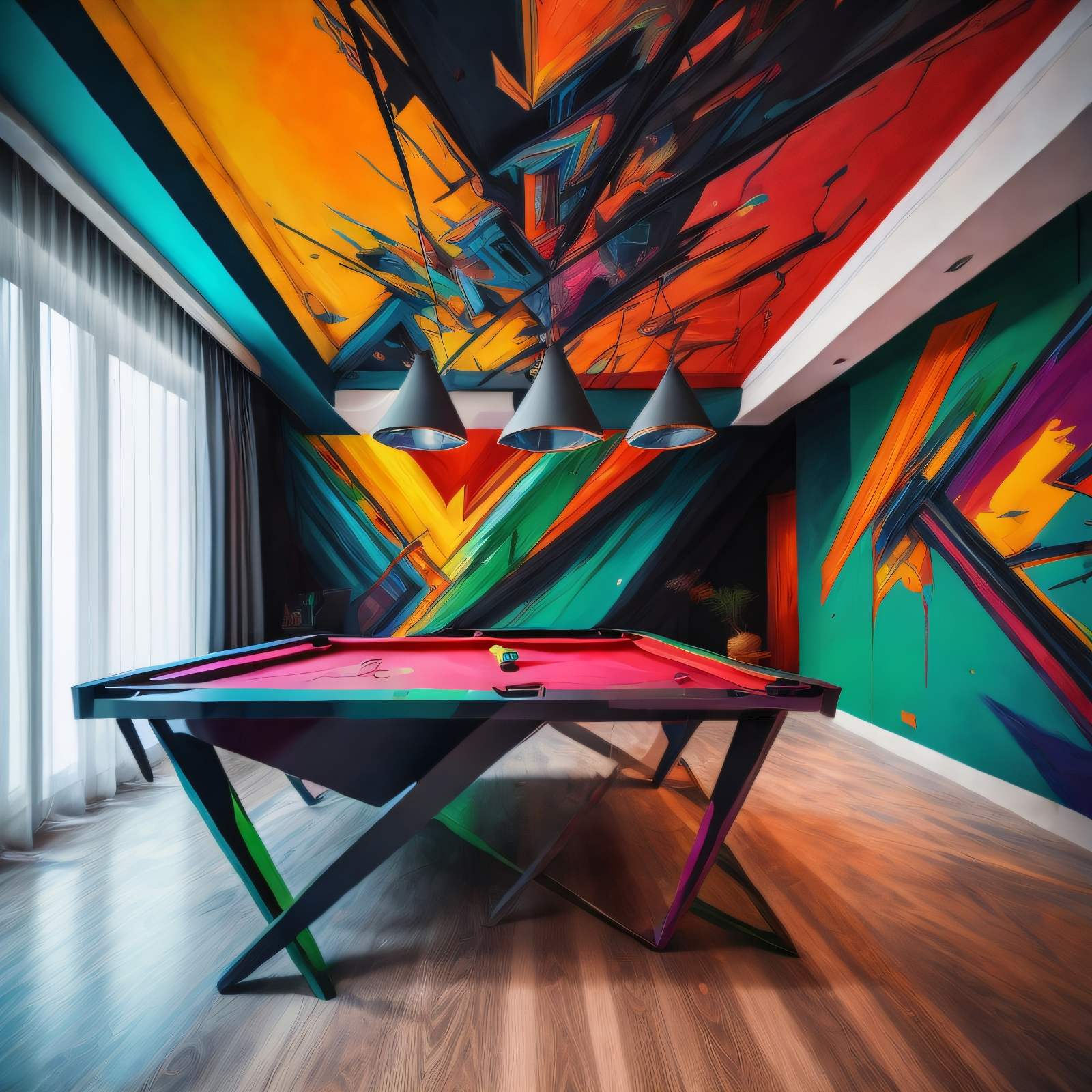
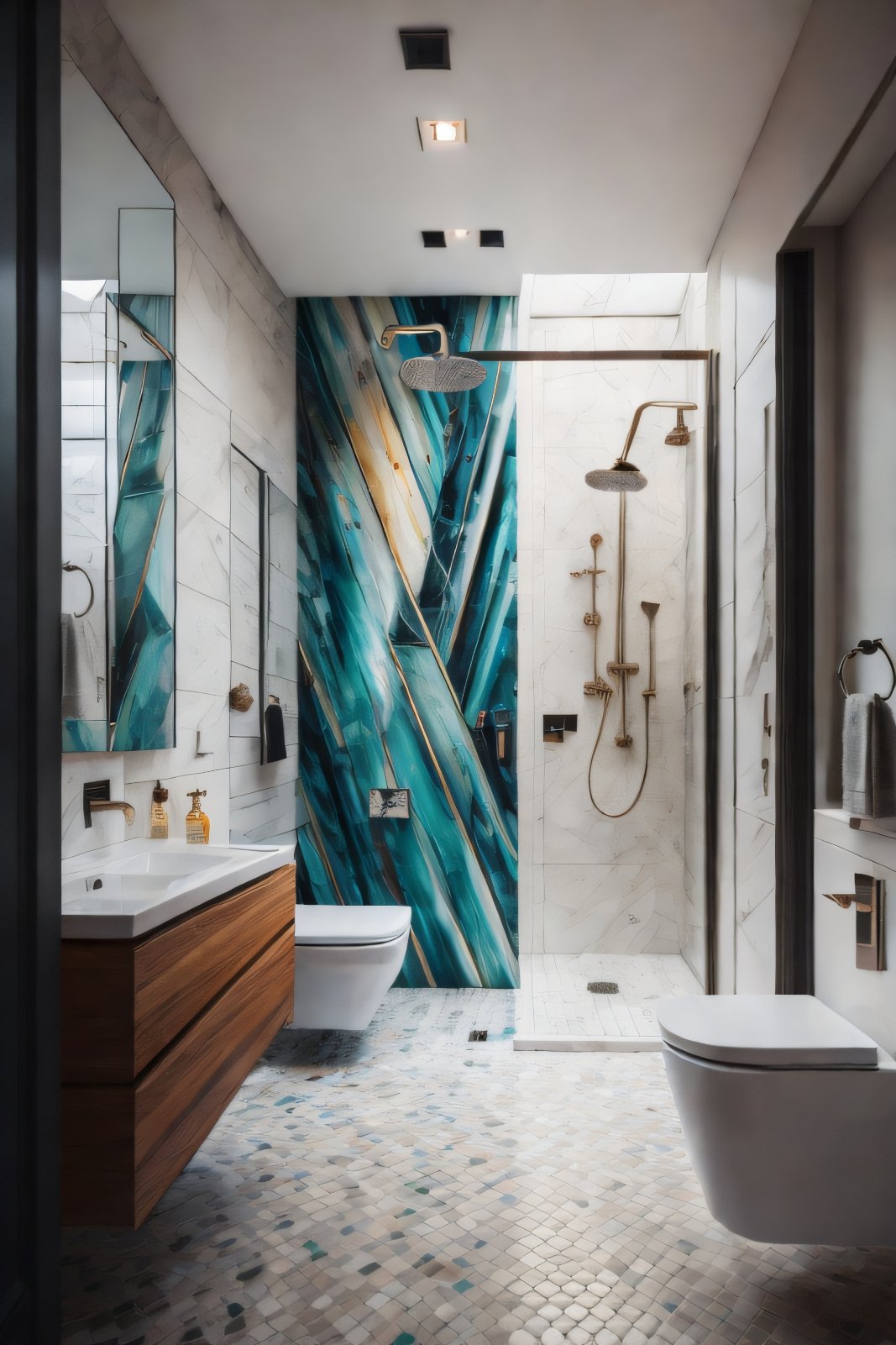
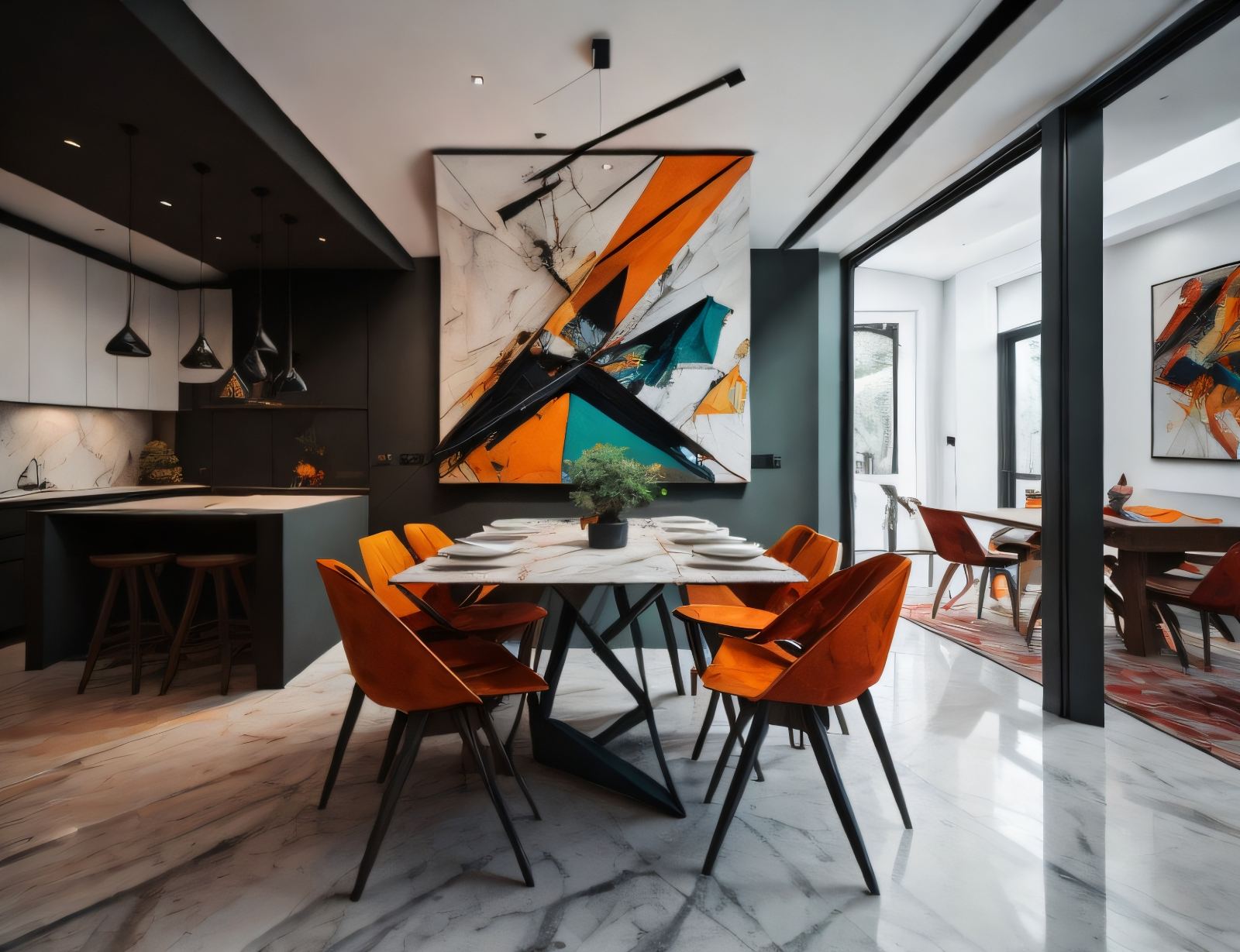
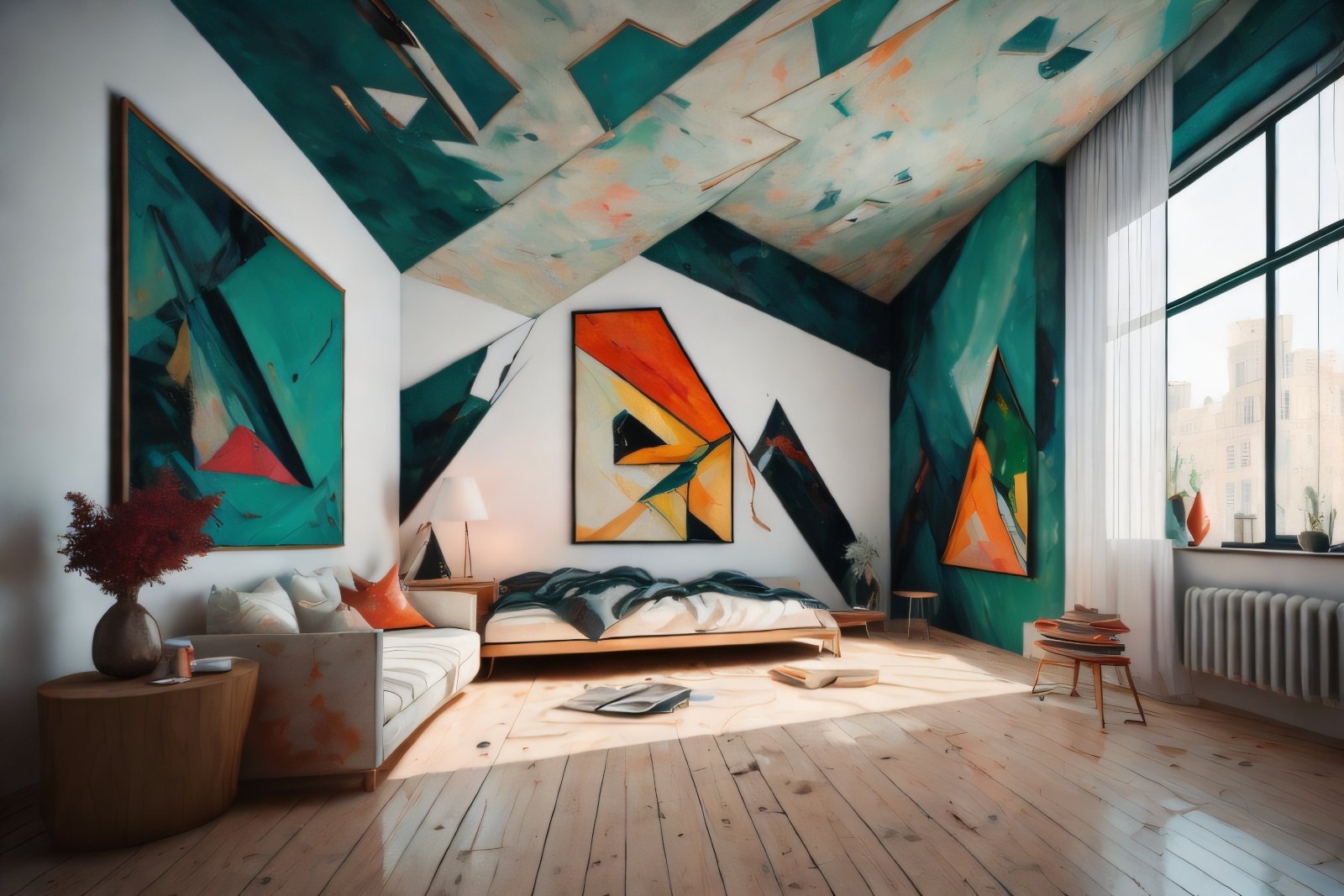
Key characteristics of an expressionist interior include the use of vivid colors, daring prints, and abstract forms. The primary focus of this style is expressiveness. The color palette can be very rich and contrasting, combining bright shades such as red, orange, purple, and dark blue. Decor elements and furniture often feature non-standard shapes and whimsical lines to evoke a sense of dynamism and movement.
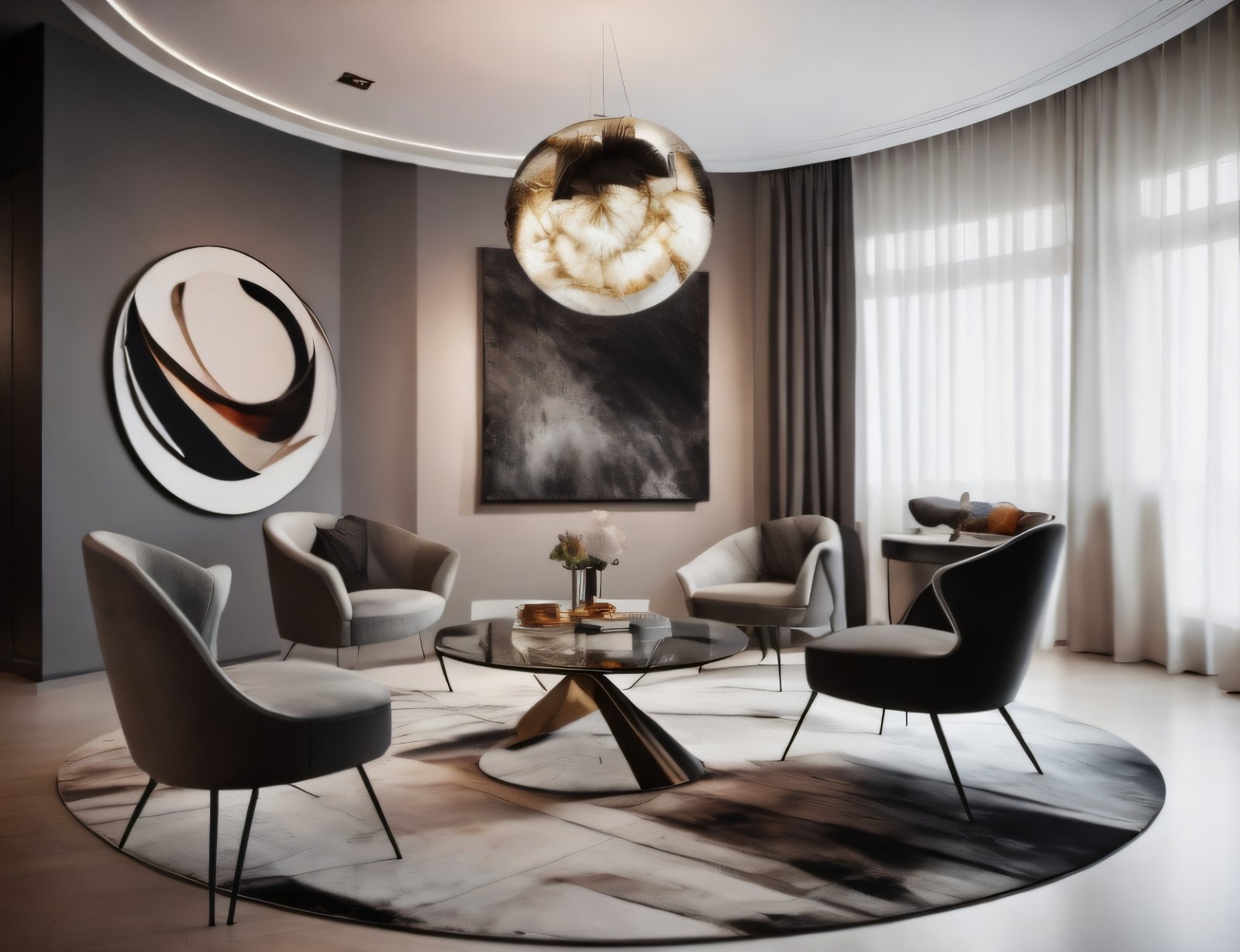
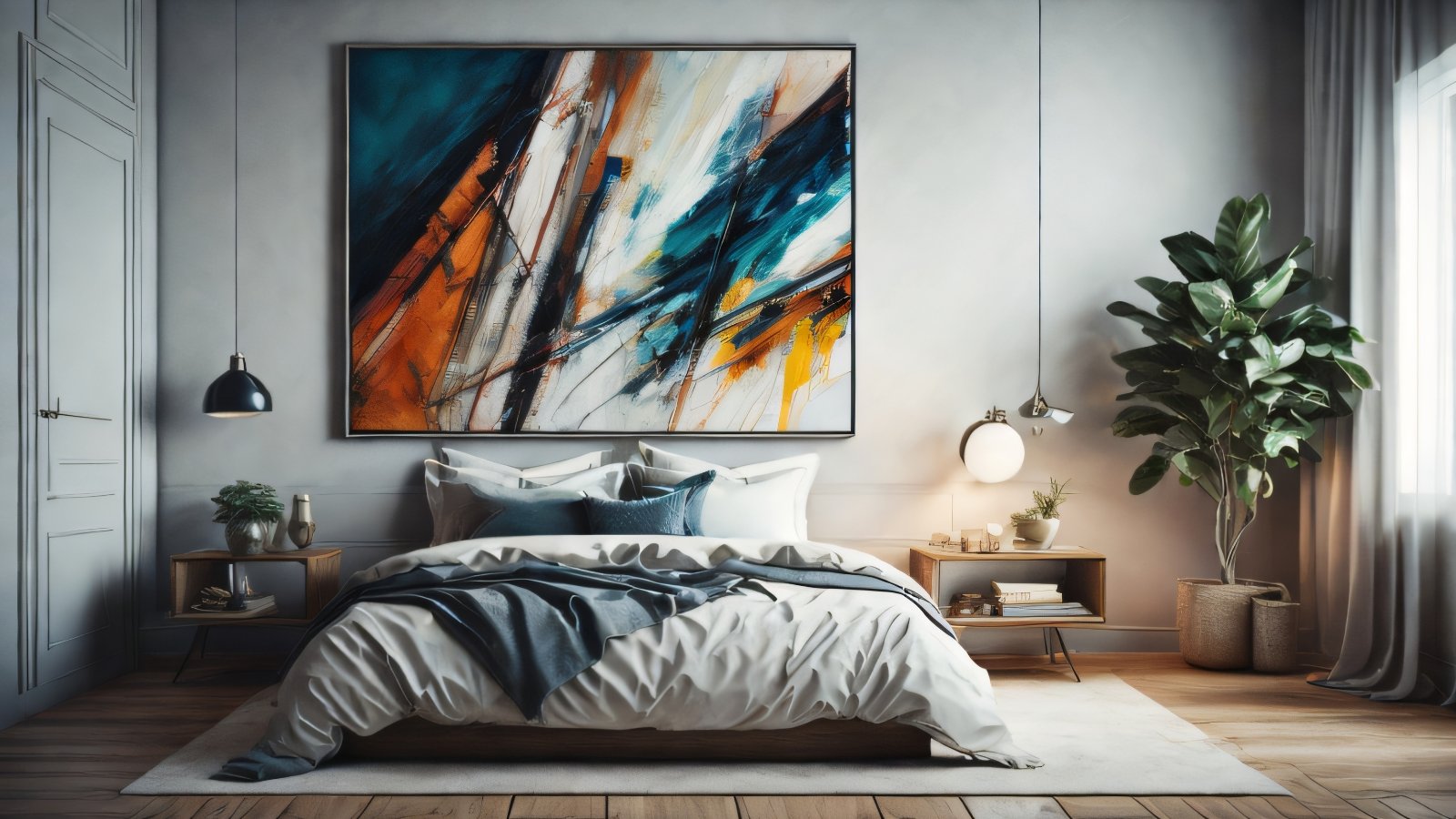
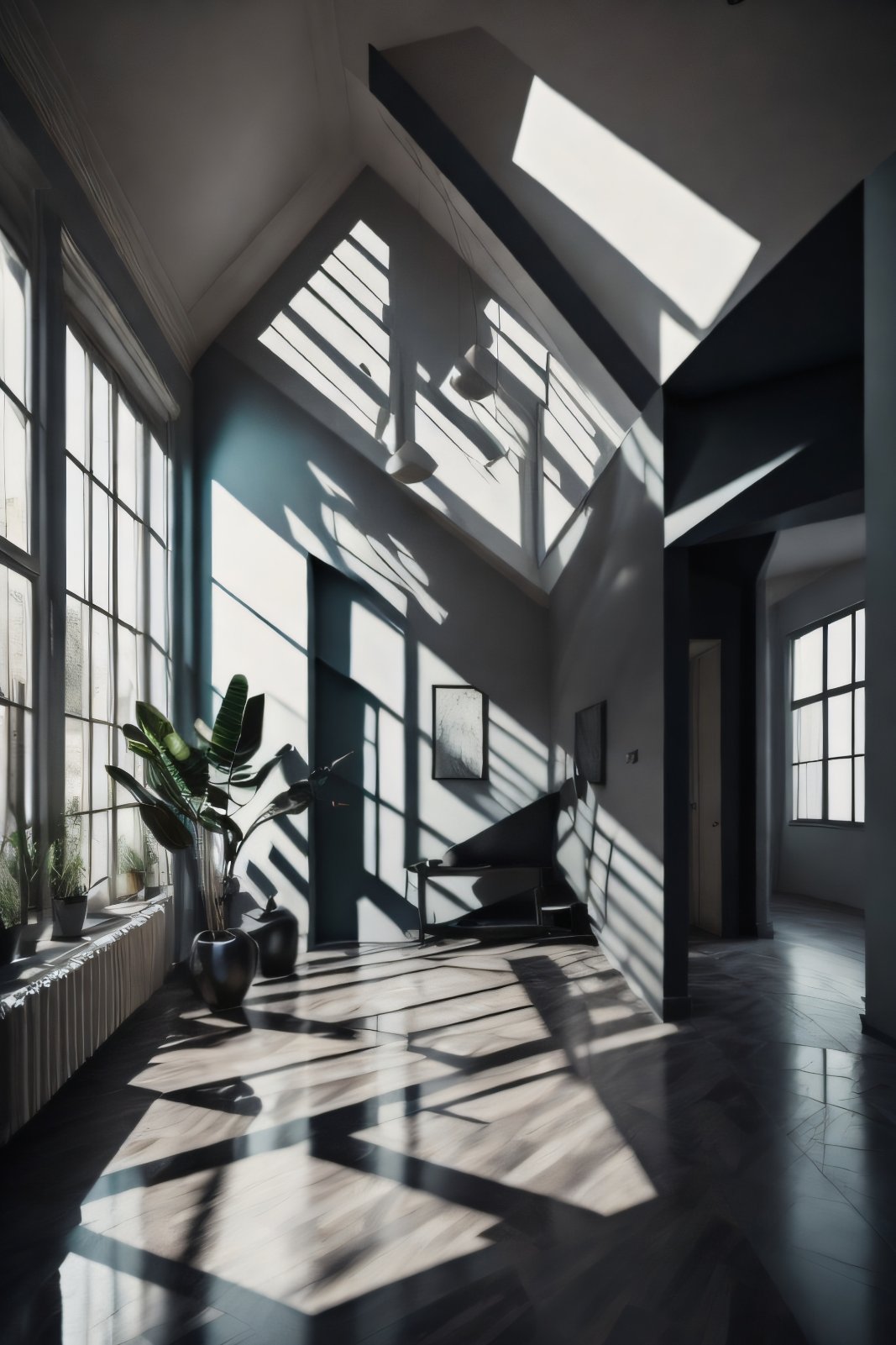
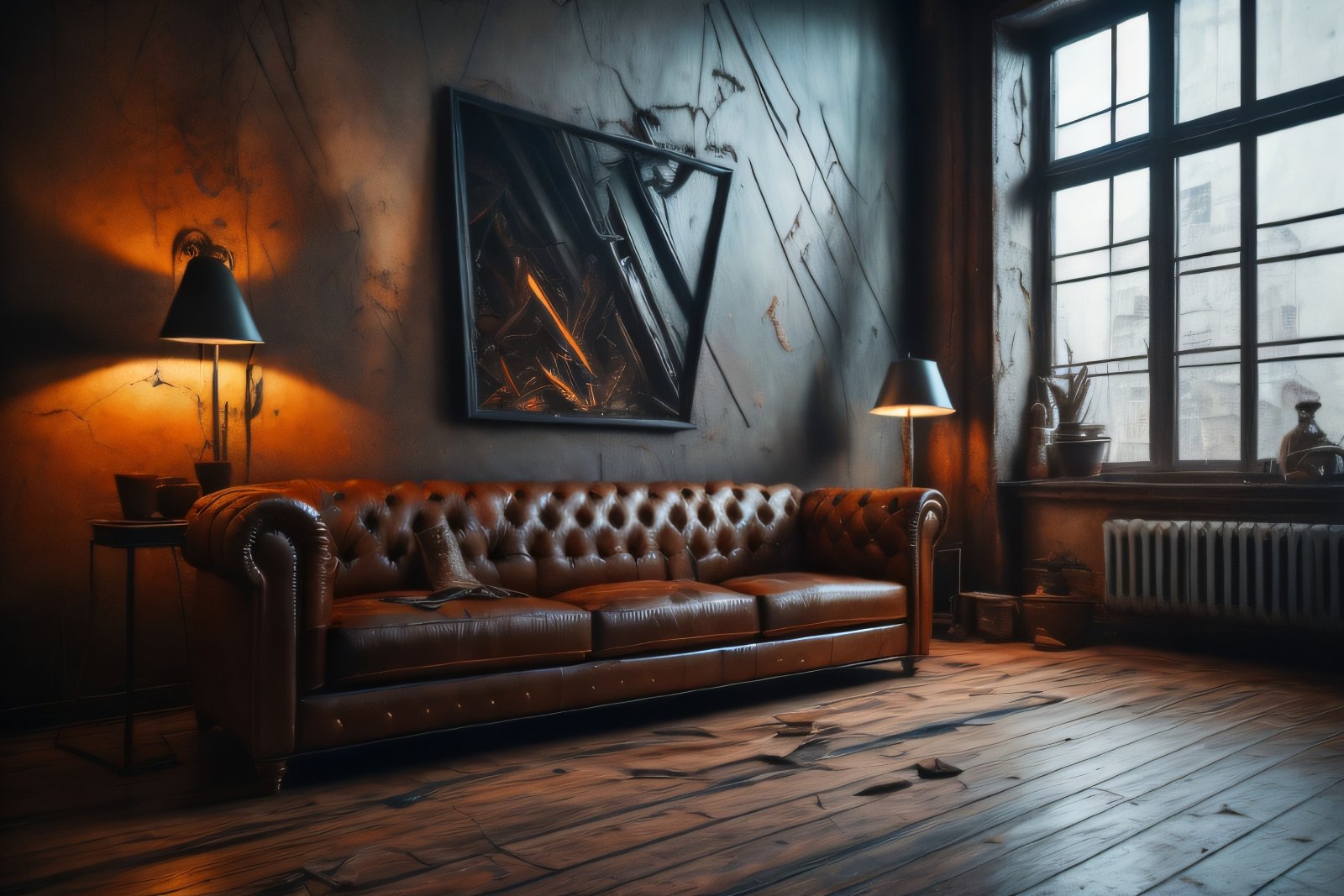
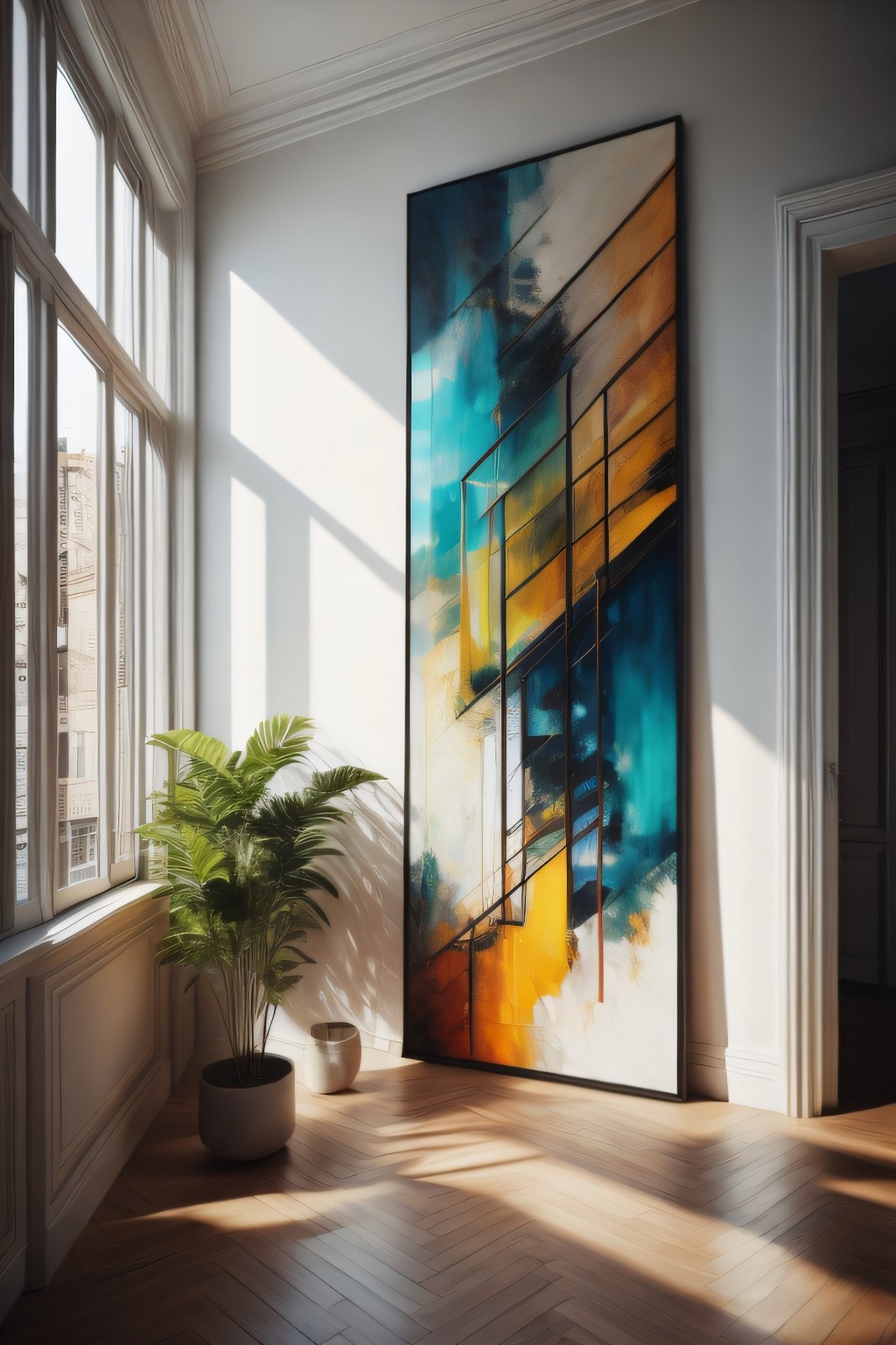
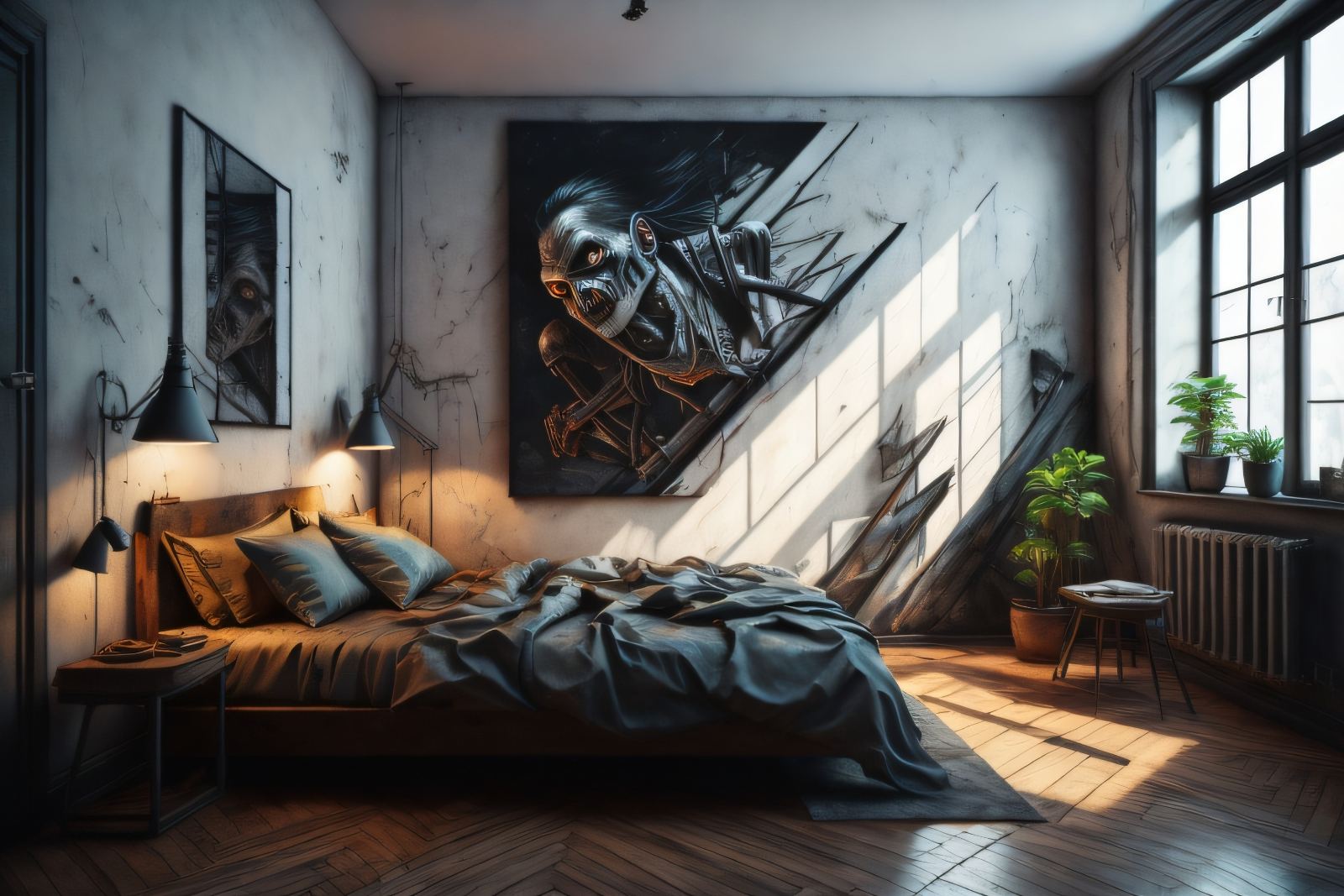
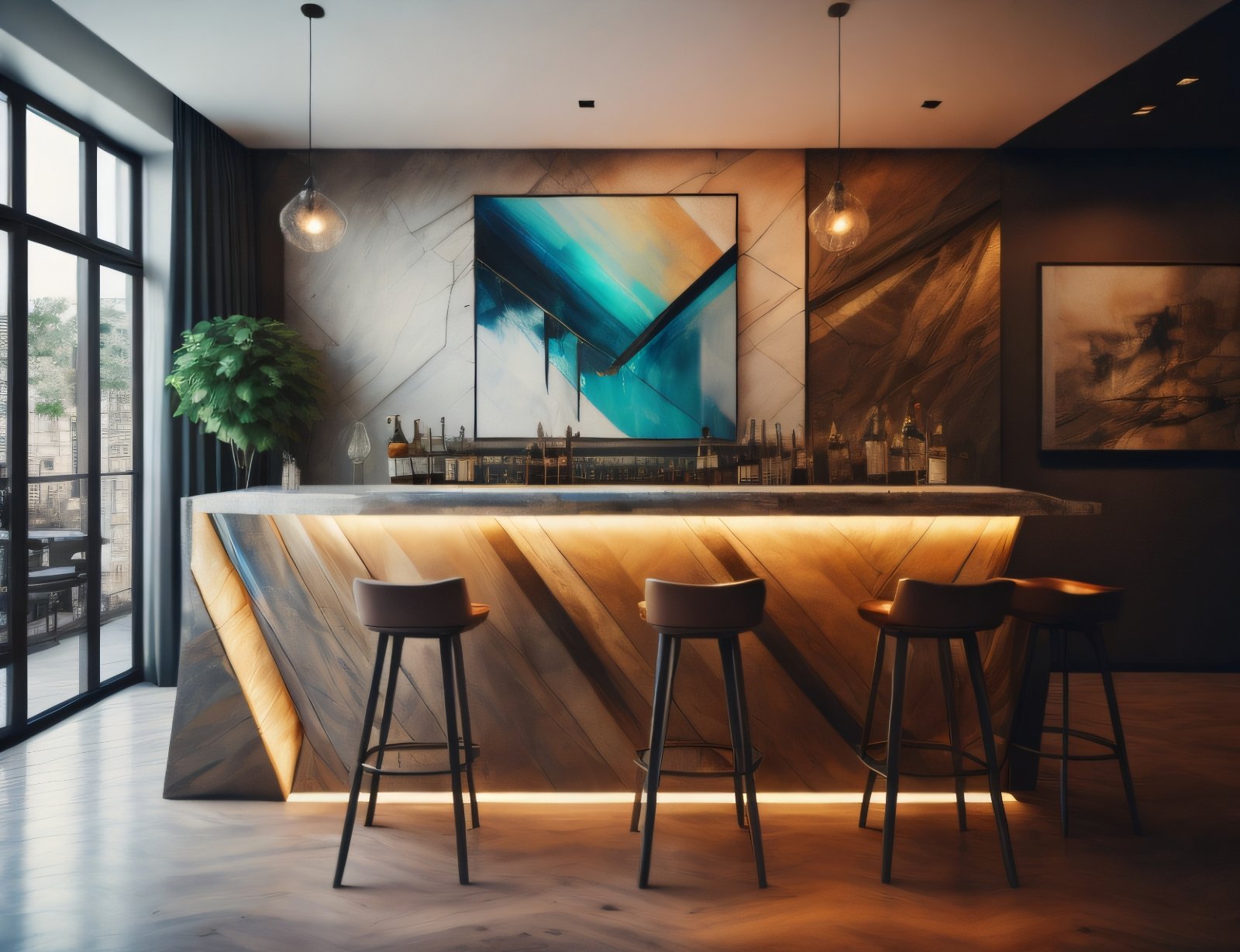
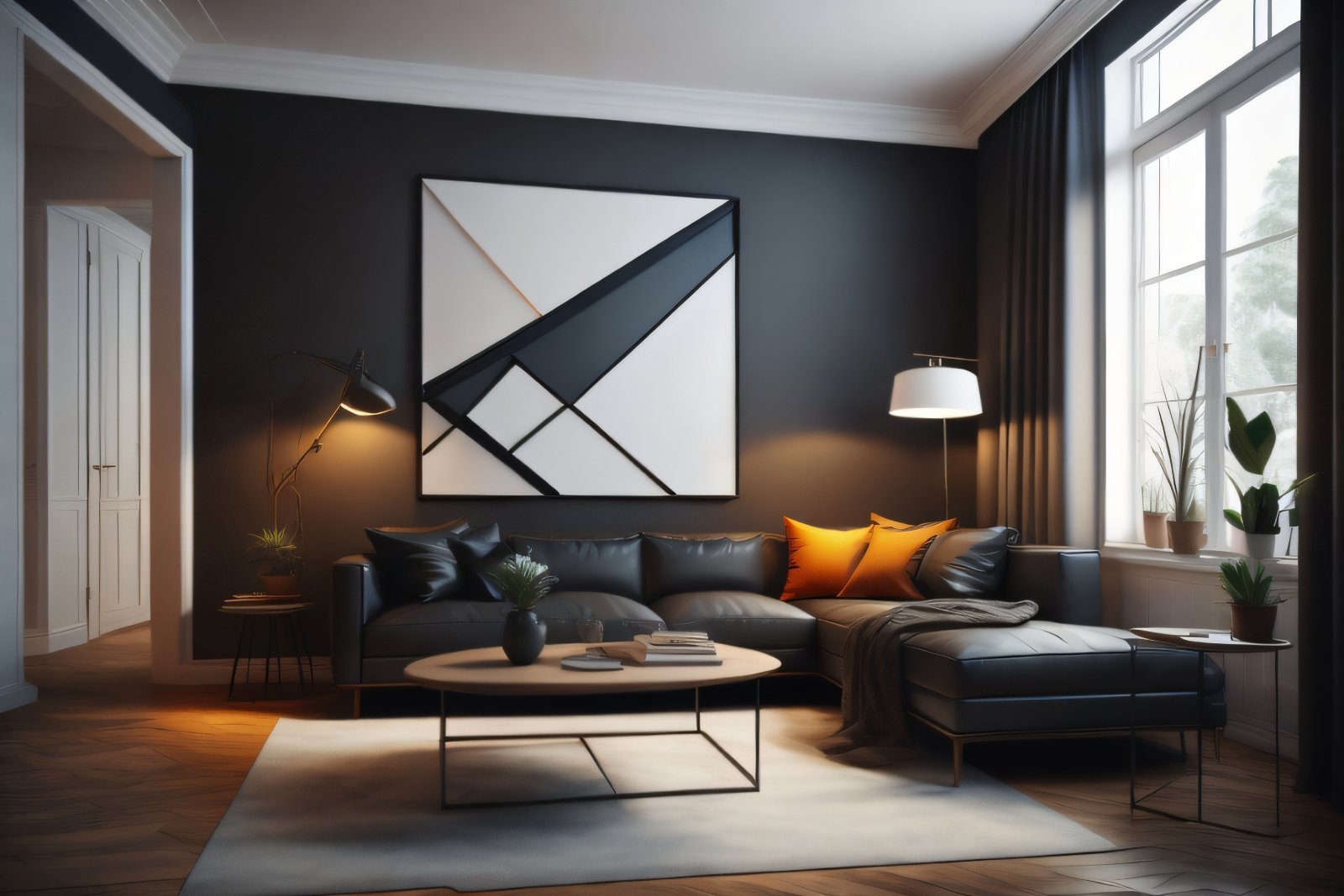
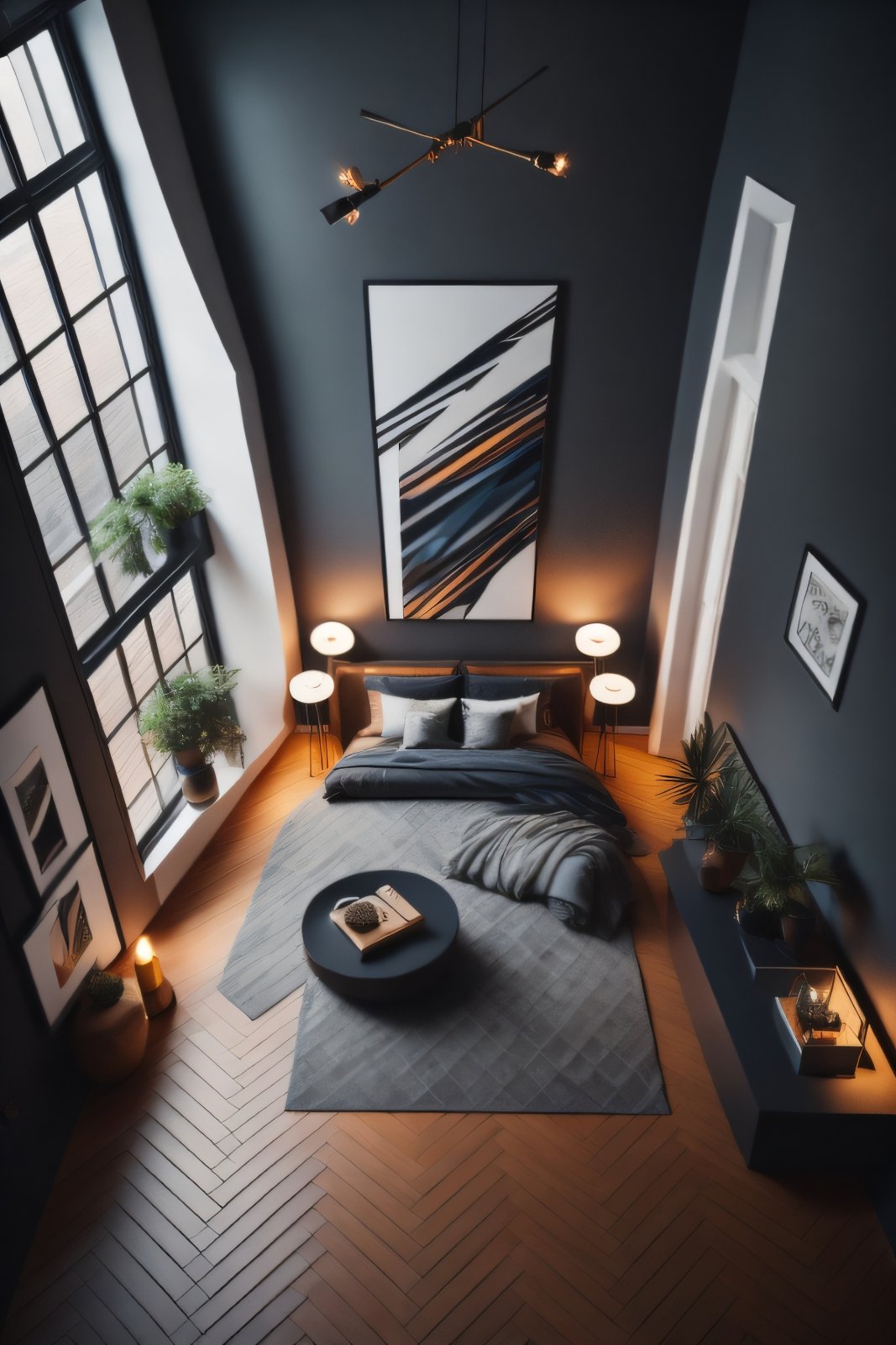
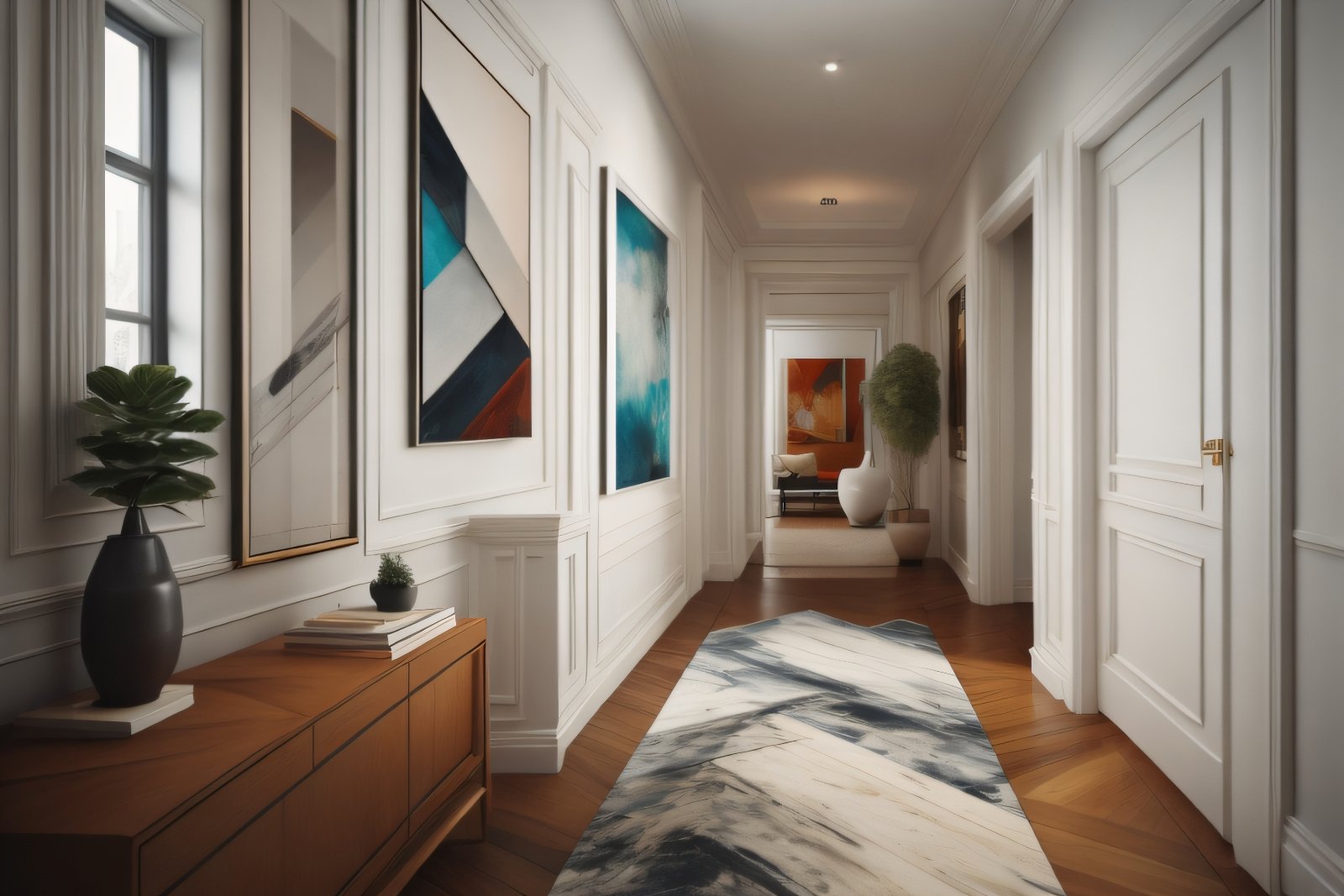
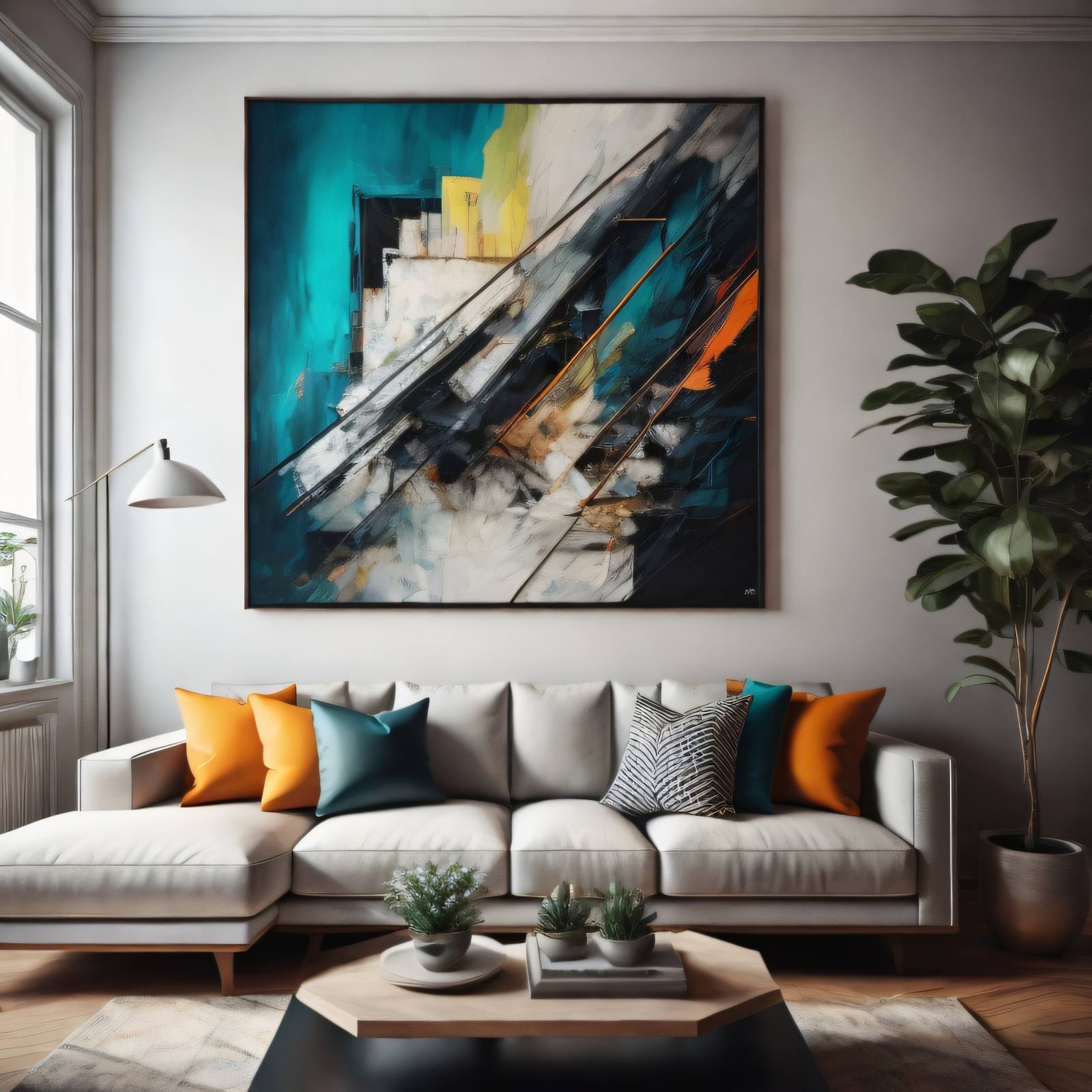
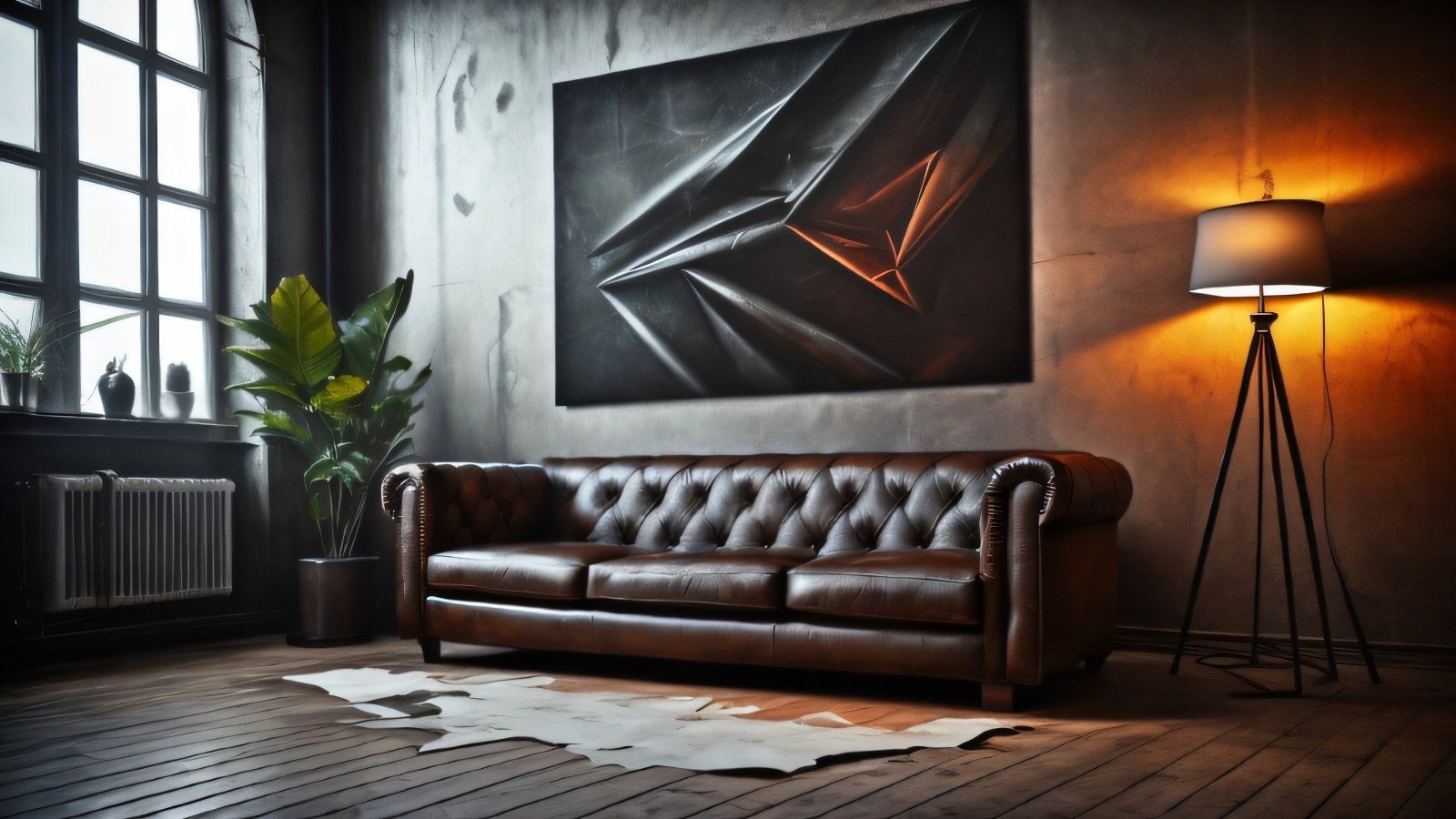
Such interiors frequently incorporate abstract paintings, sculptures, and other art pieces that help create an emotional focal point. Lighting also plays a pivotal role, with the interplay of light and shadow enhancing the space's expressiveness and drama.
To create this kind of interior, materials like wood, metal, glass, and textiles can be used. The combination and textural nuances of these materials add vibrancy and intensity to the space.
This style is a true challenge for bold and eccentric individuals looking to create a unique and extraordinary environment. It allows for self-expression and showcasing the inner world through design and atmosphere, leaving a lasting impression on everyone who enters the space.
History and Origin of Expressionism
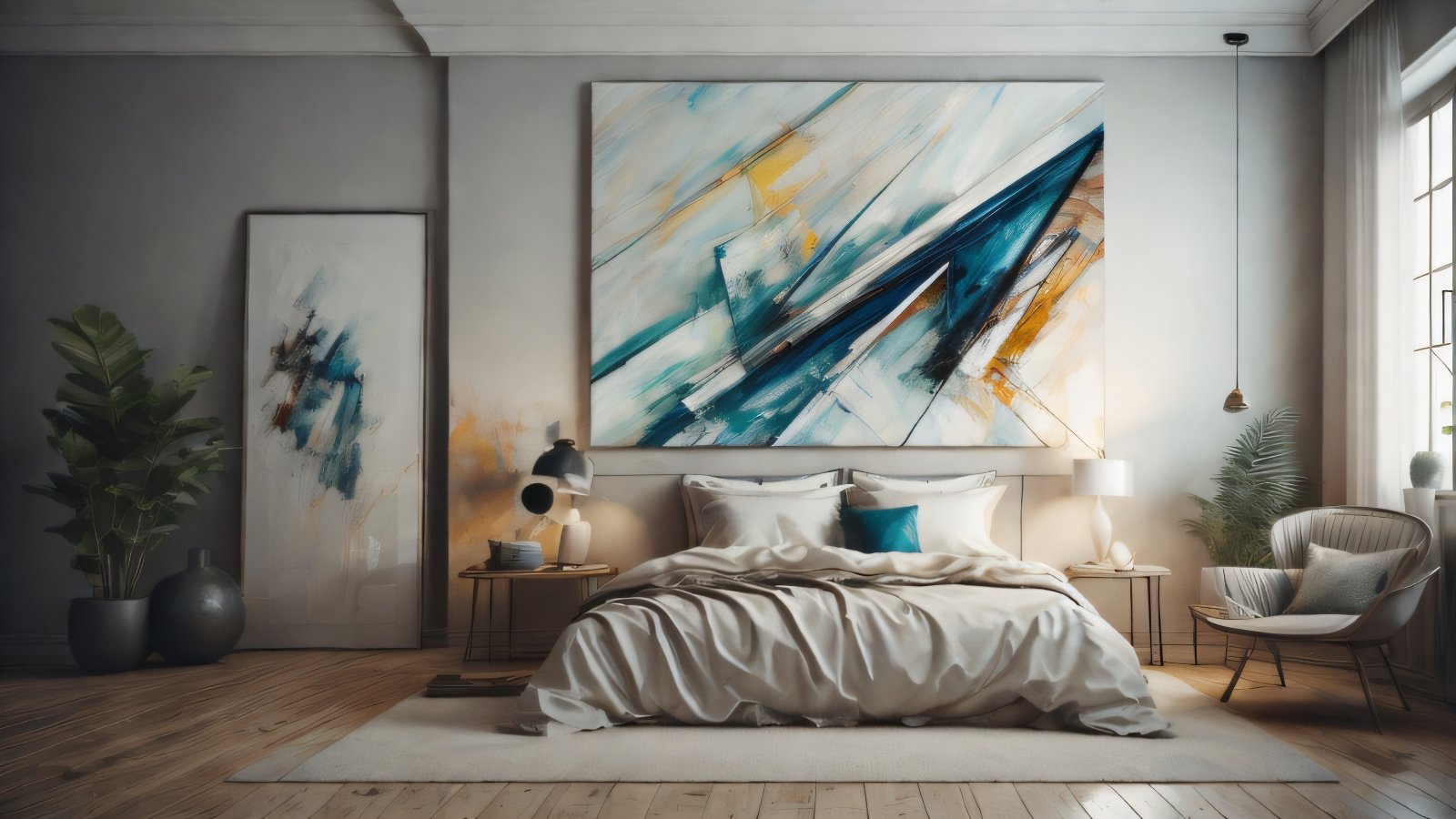
Expressionism is one of the most vibrant movements in 20th-century art, originating in Germany. It emerged as a reaction to mass industrial society and the adversities of life. Expressionists sought to convey powerful emotions, the inner world, and the nuances of human existence. The primary goal of the style was to create works filled with intense colors, distorted forms, and strong contrasts. It also permeated other art forms, including literature, drama, and architecture. This unpredictable and emotionally rich style had a profound impact on the development of modern art and remains relevant and captivating to this day.
Elements in Interior Design
These represent the key design projects, solutions, and attributes that help convey an emotional and expressive aura within a space. In this style, every decor element, color scheme, and form becomes part of the artistic expression, creating a rich and dramatic atmosphere, immersing visitors in a world of intense emotions.
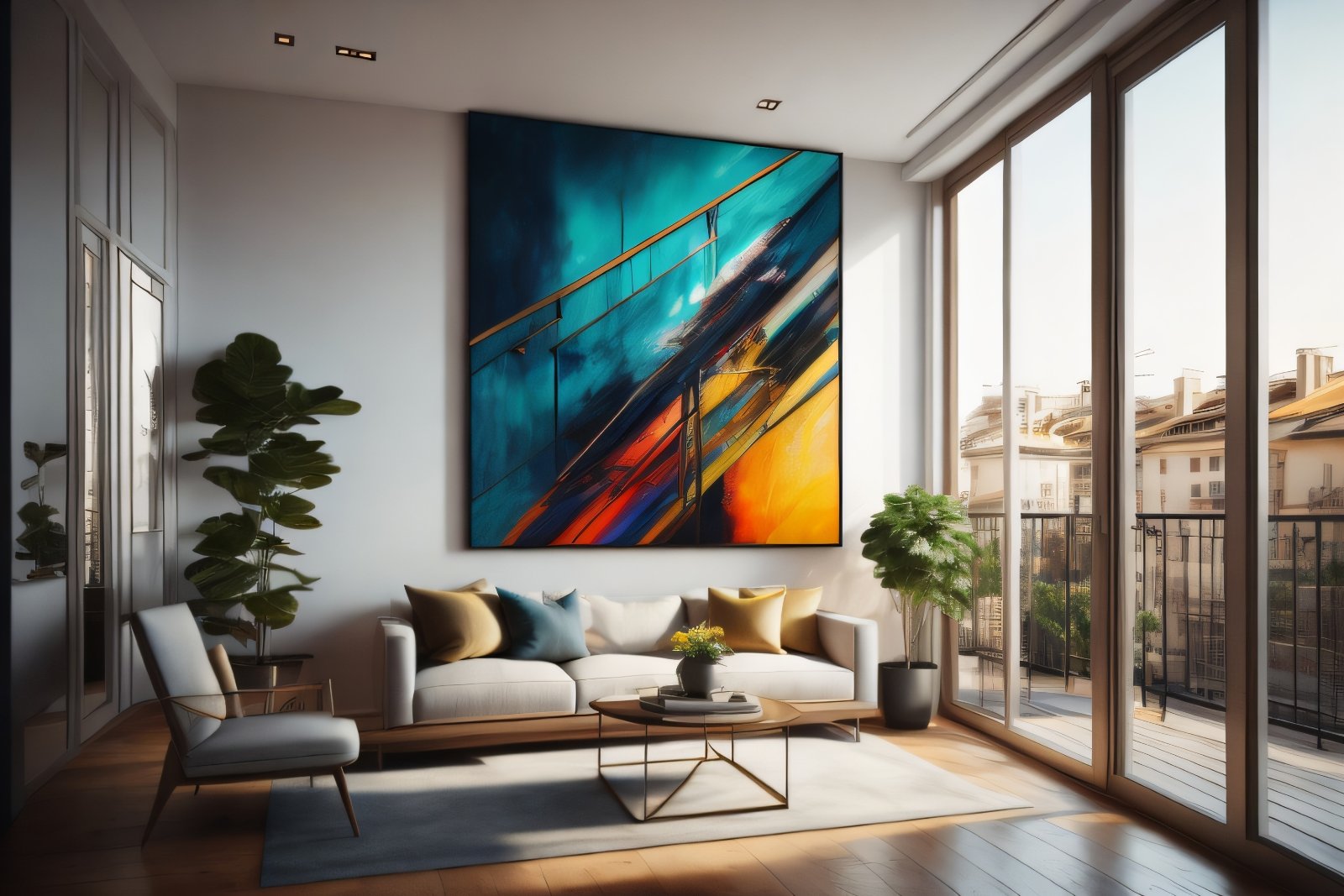
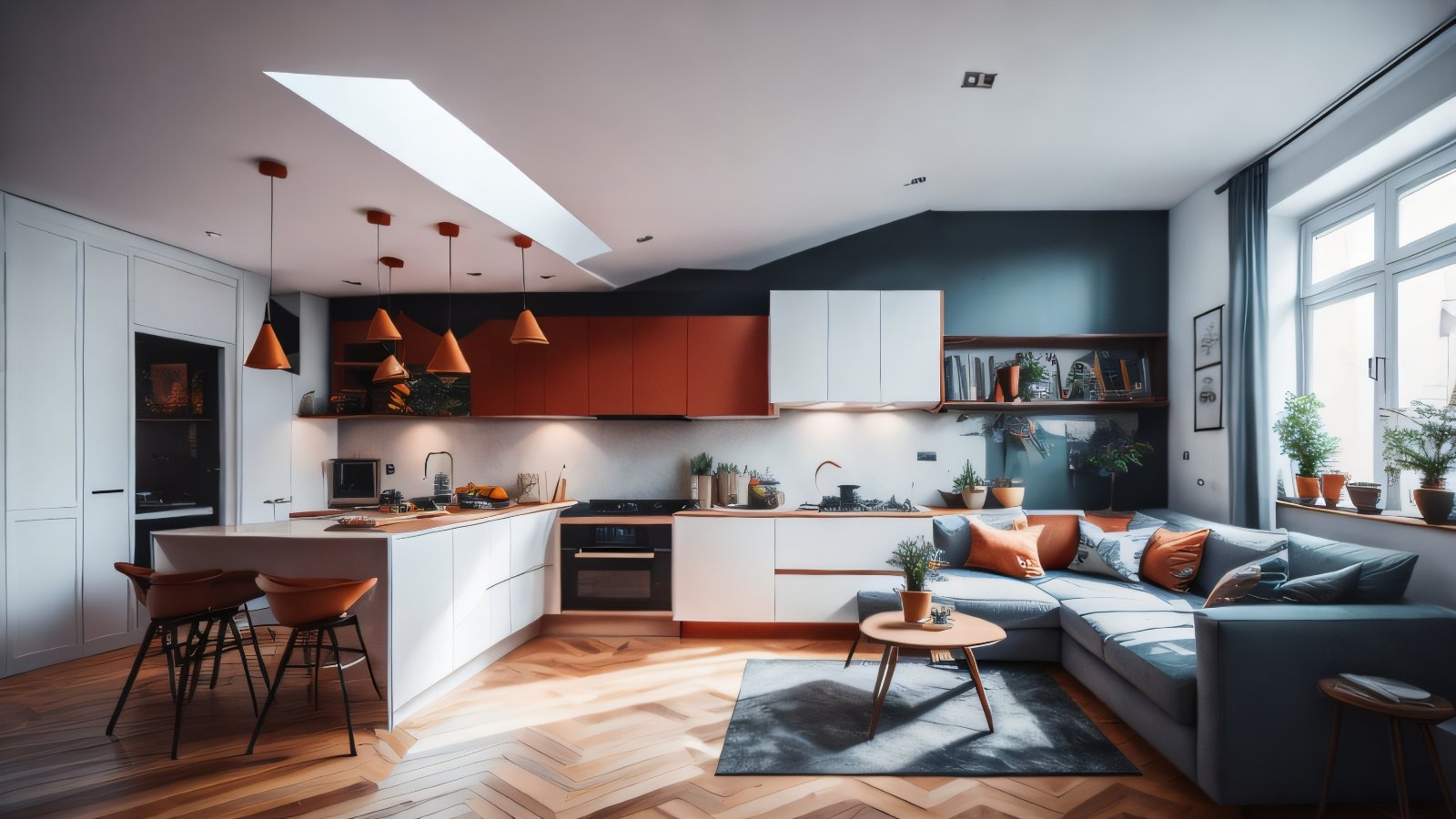
One of the main elements of interior design is the use of bright and contrasting colors. Shades like red, orange, purple, and dark blue are used to create vivid canvases where art comes to life. Bold and unexpected color combinations help convey energy and intensity, evoking certain emotions in visitors.
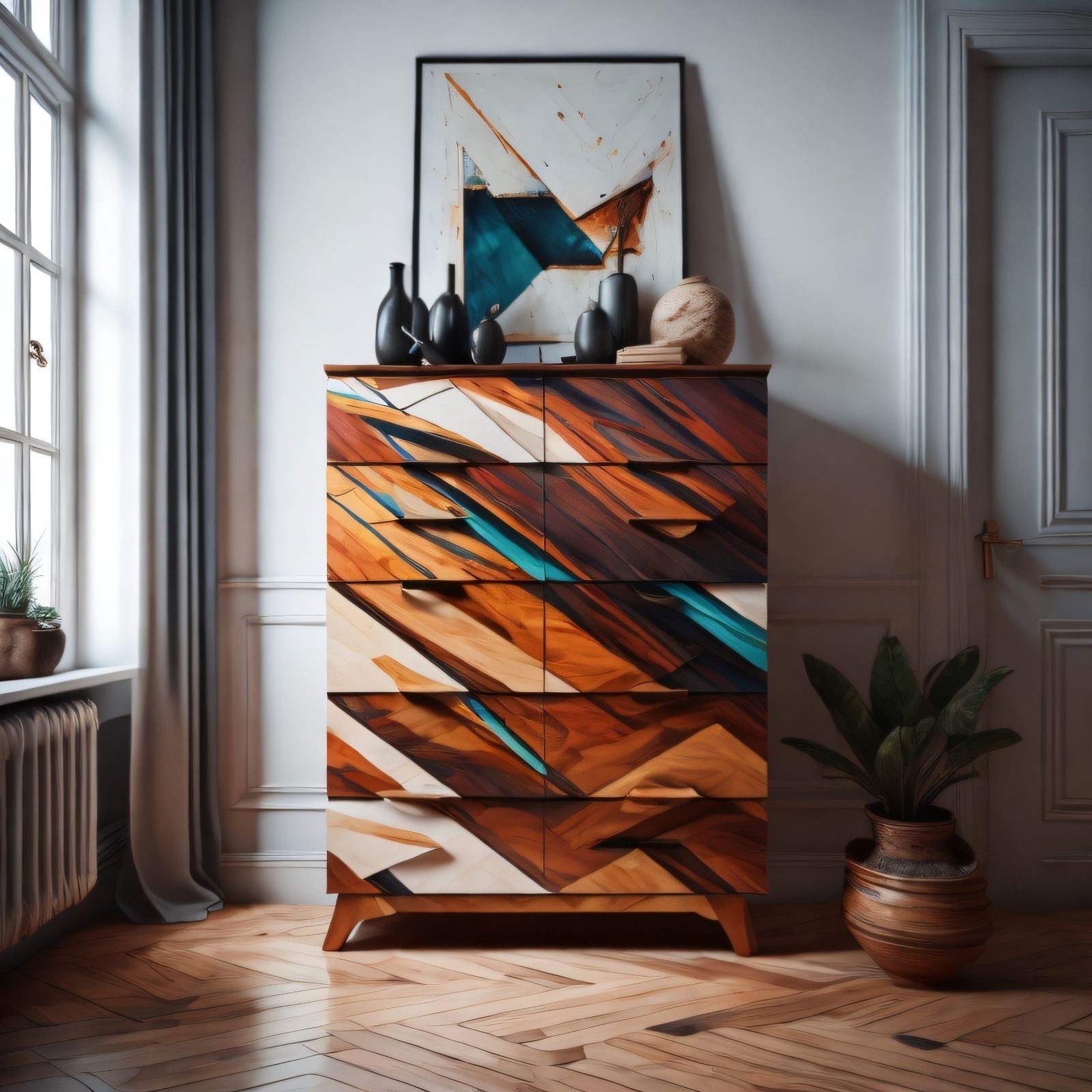
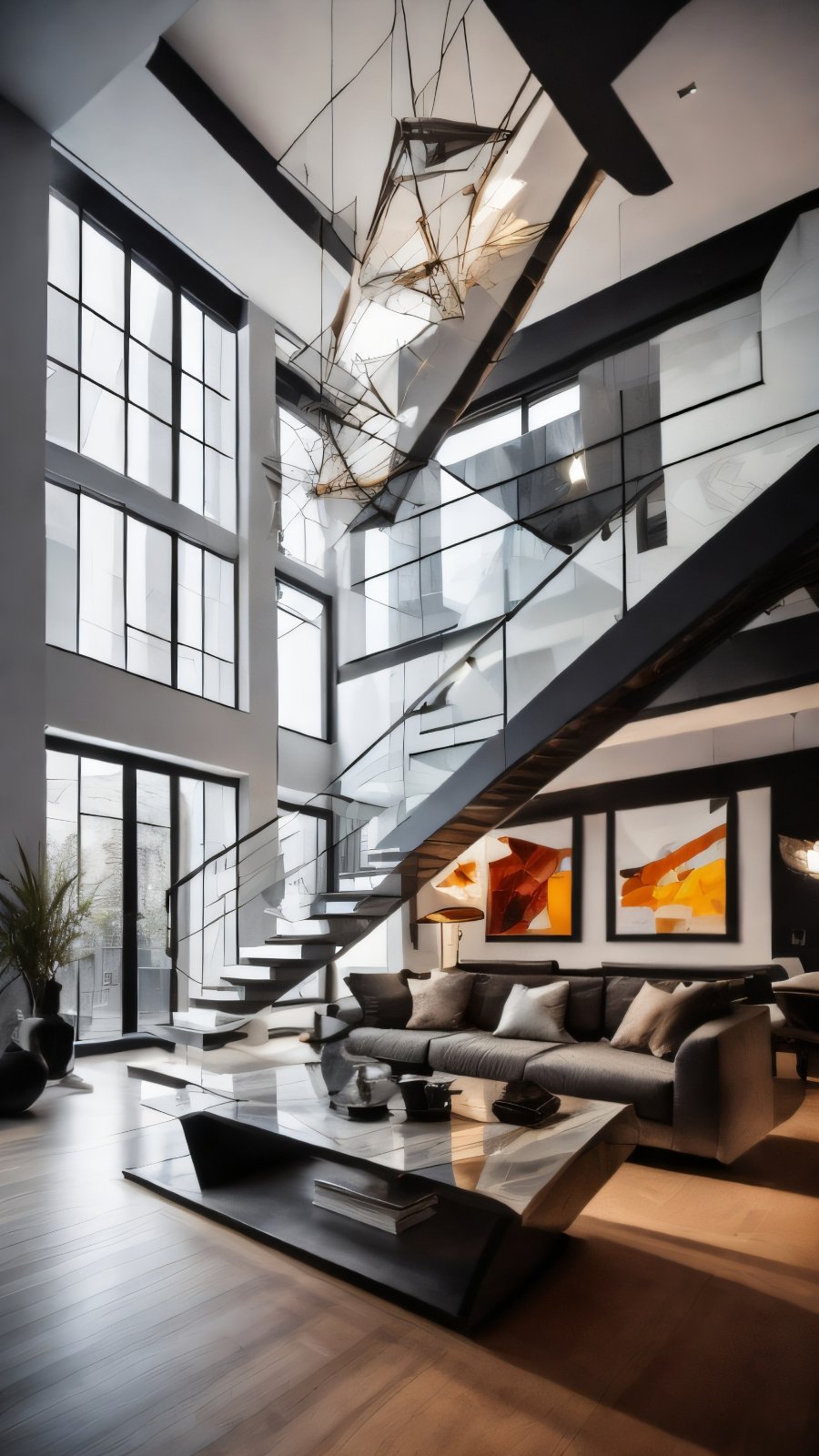
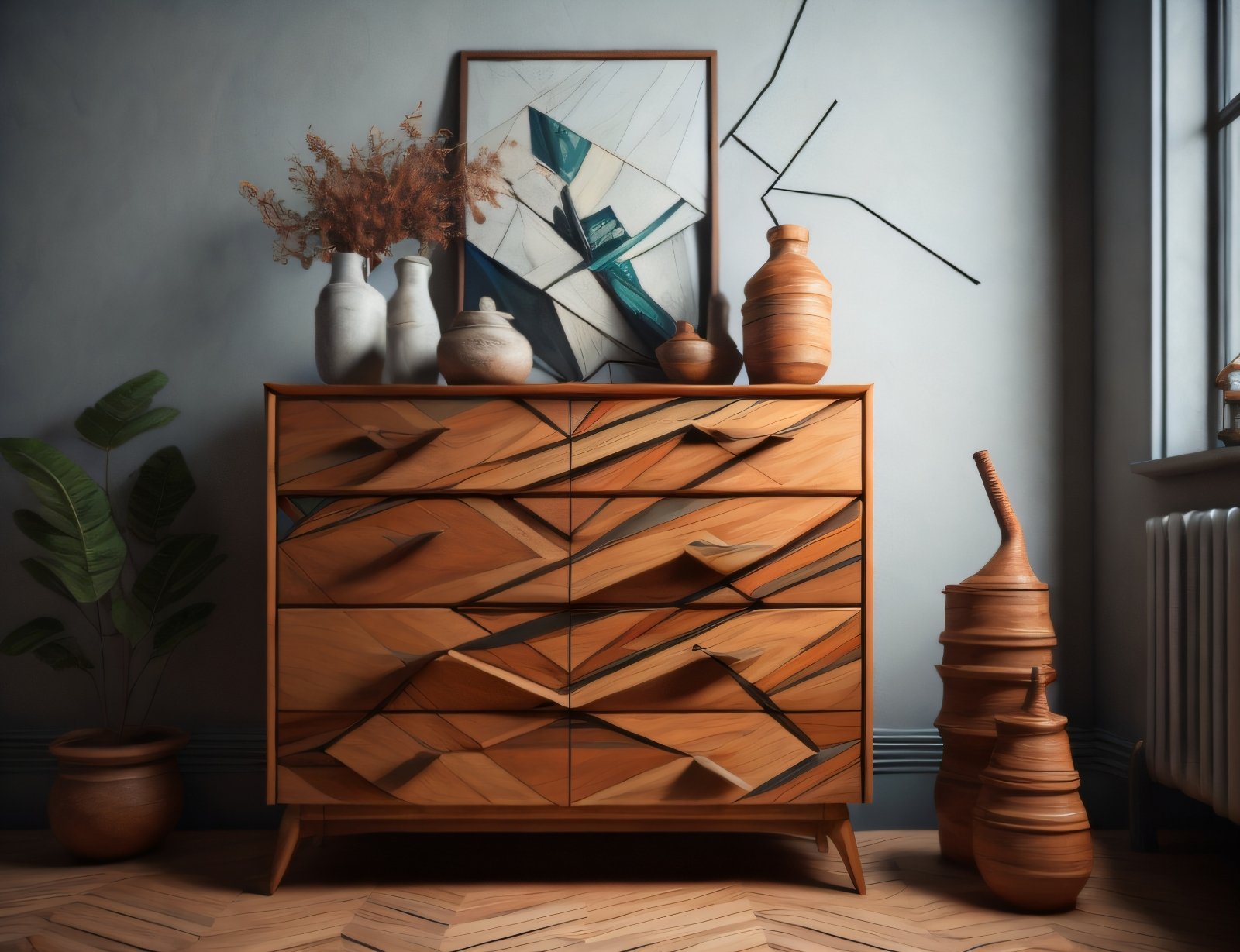
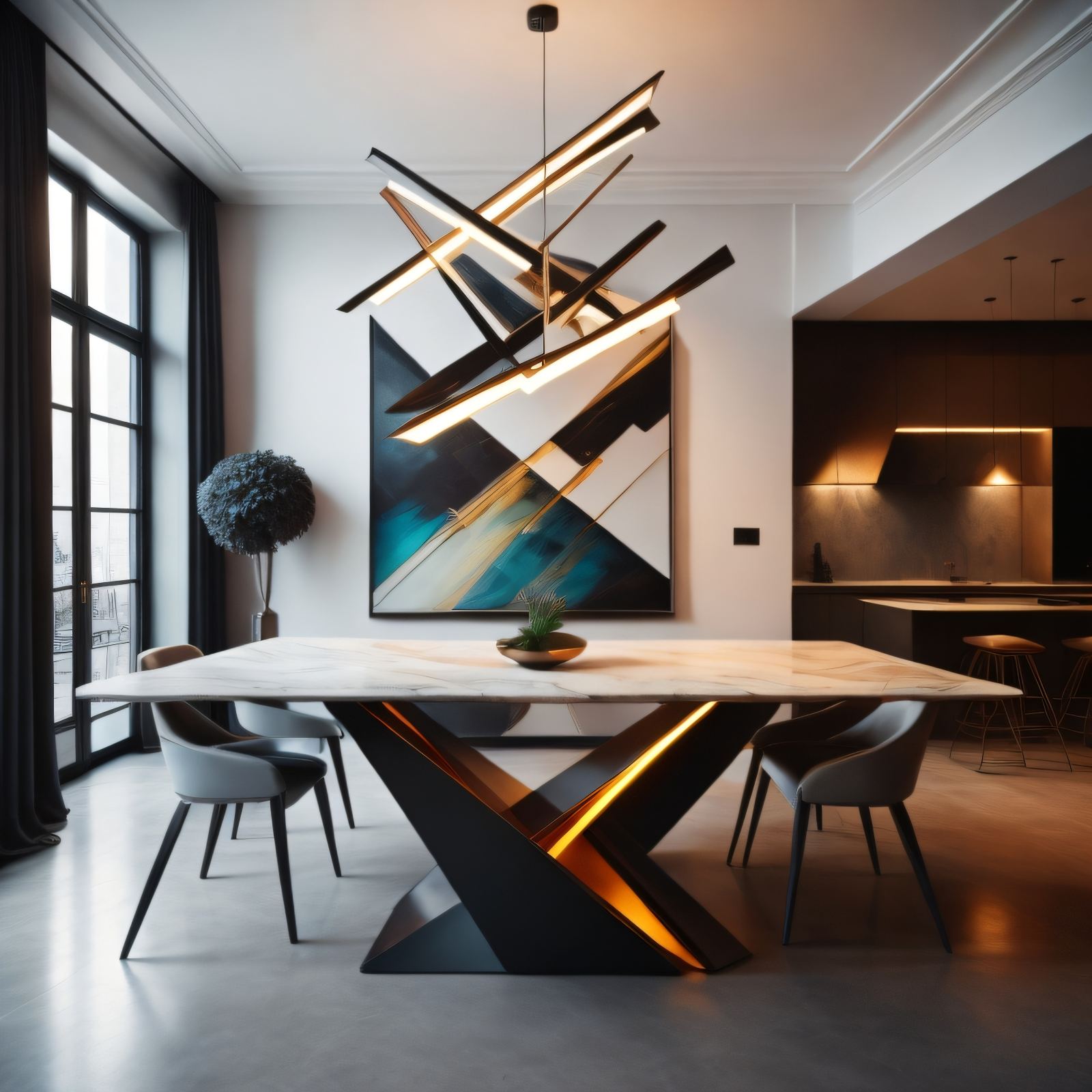
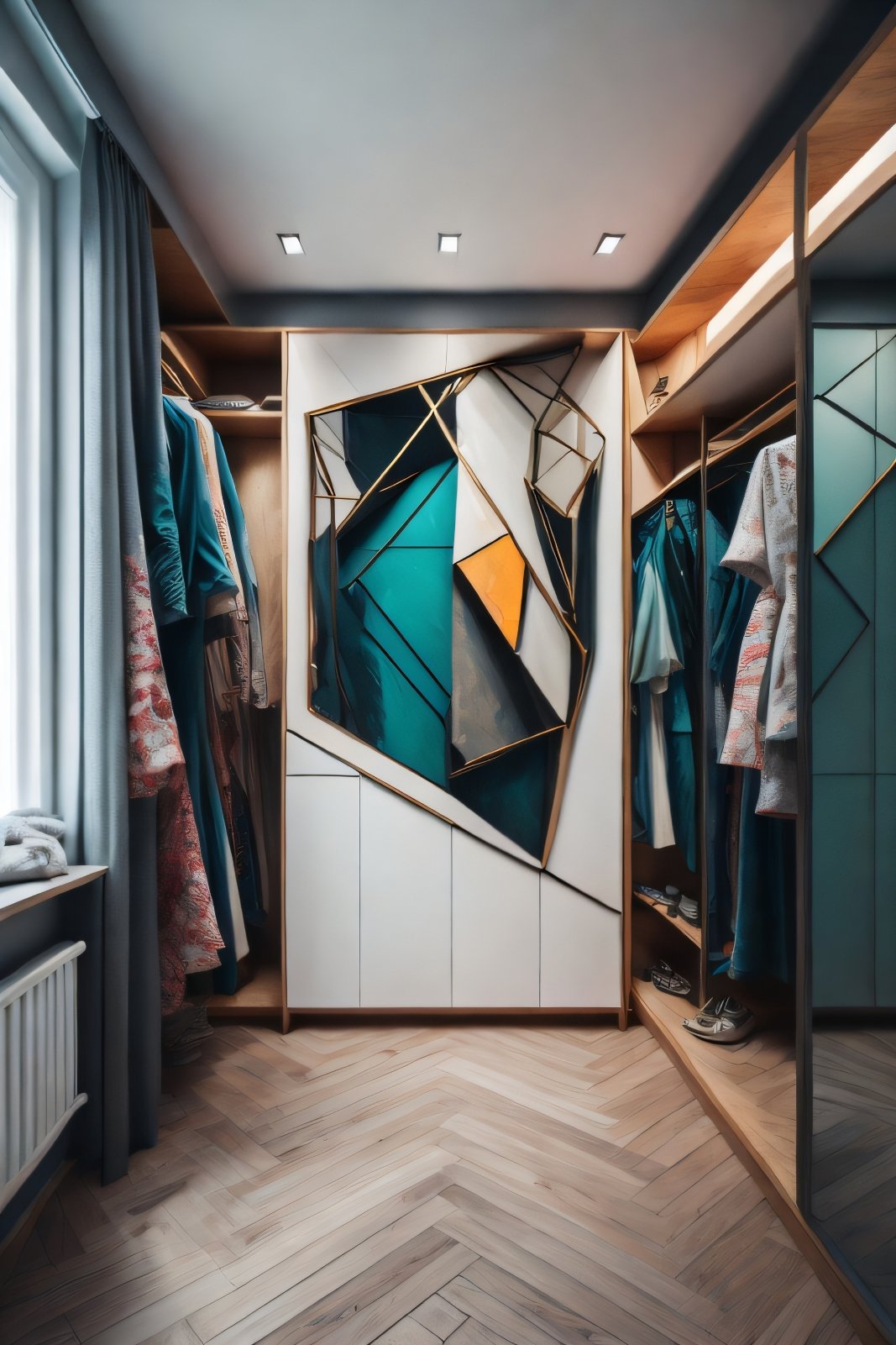
Another essential element is the use of abstract and whimsical forms. Furniture, decor pieces, and accessories possess unconventional and unique shapes, often resembling works of art. These forms emphasize movement and liveliness, creating a dynamic and intriguing atmosphere in the space.
Sculptures, paintings, and other works of art are also crucial components of an expressionist interior. They serve as focal points and help convey depth and emotional power. Abstract paintings with vivid colors, whimsical sculptures, and unique decorative elements create a sense of internal creative chaos, capturing the imagination of visitors.
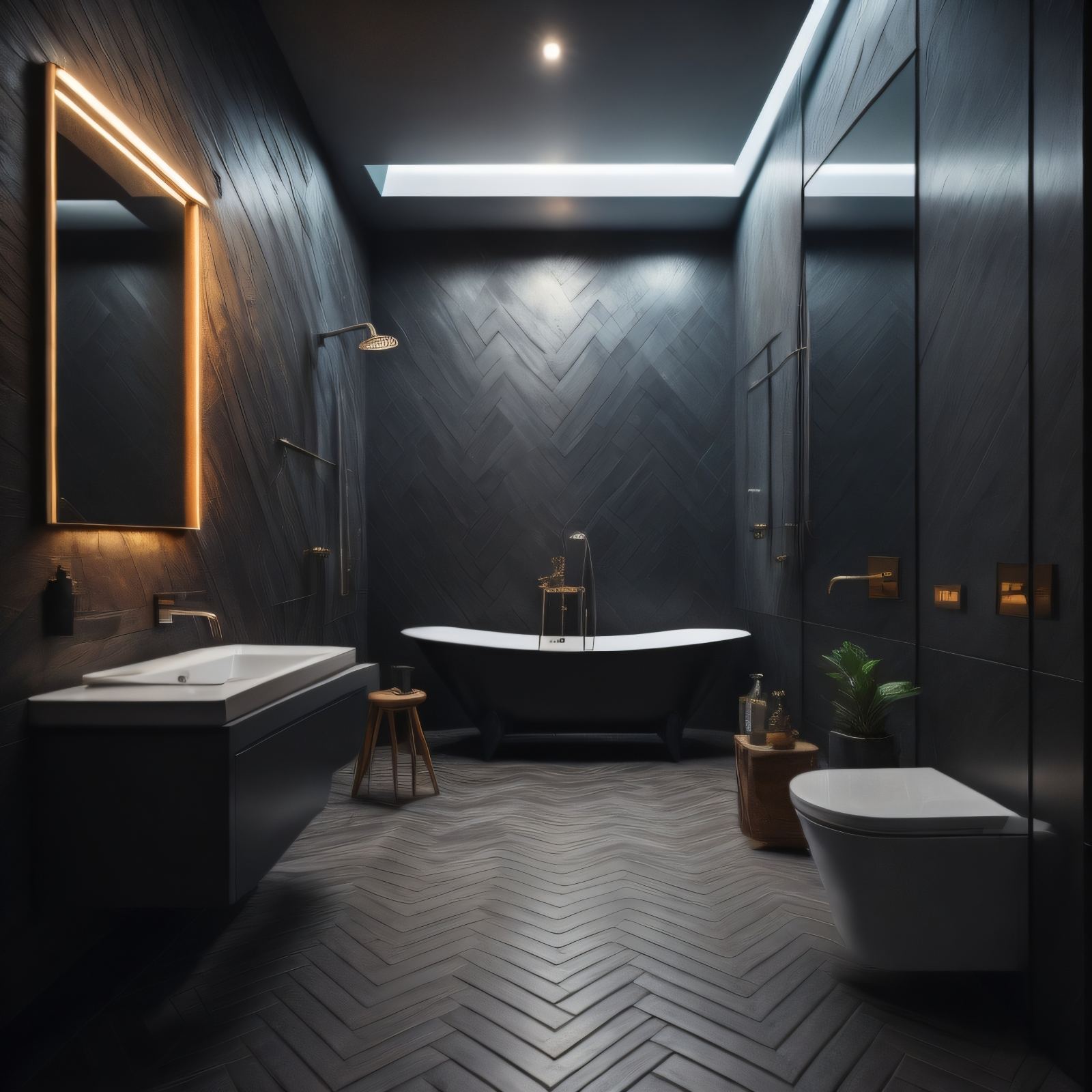
Lighting plays a special role as well. It enhances the dramatic quality of the space and highlights the expressiveness of its elements. The interplay of light and shadow, along with the illumination of architectural details and accents using LEDs or dimming lights, contributes to creating an effect of depth and intensity.
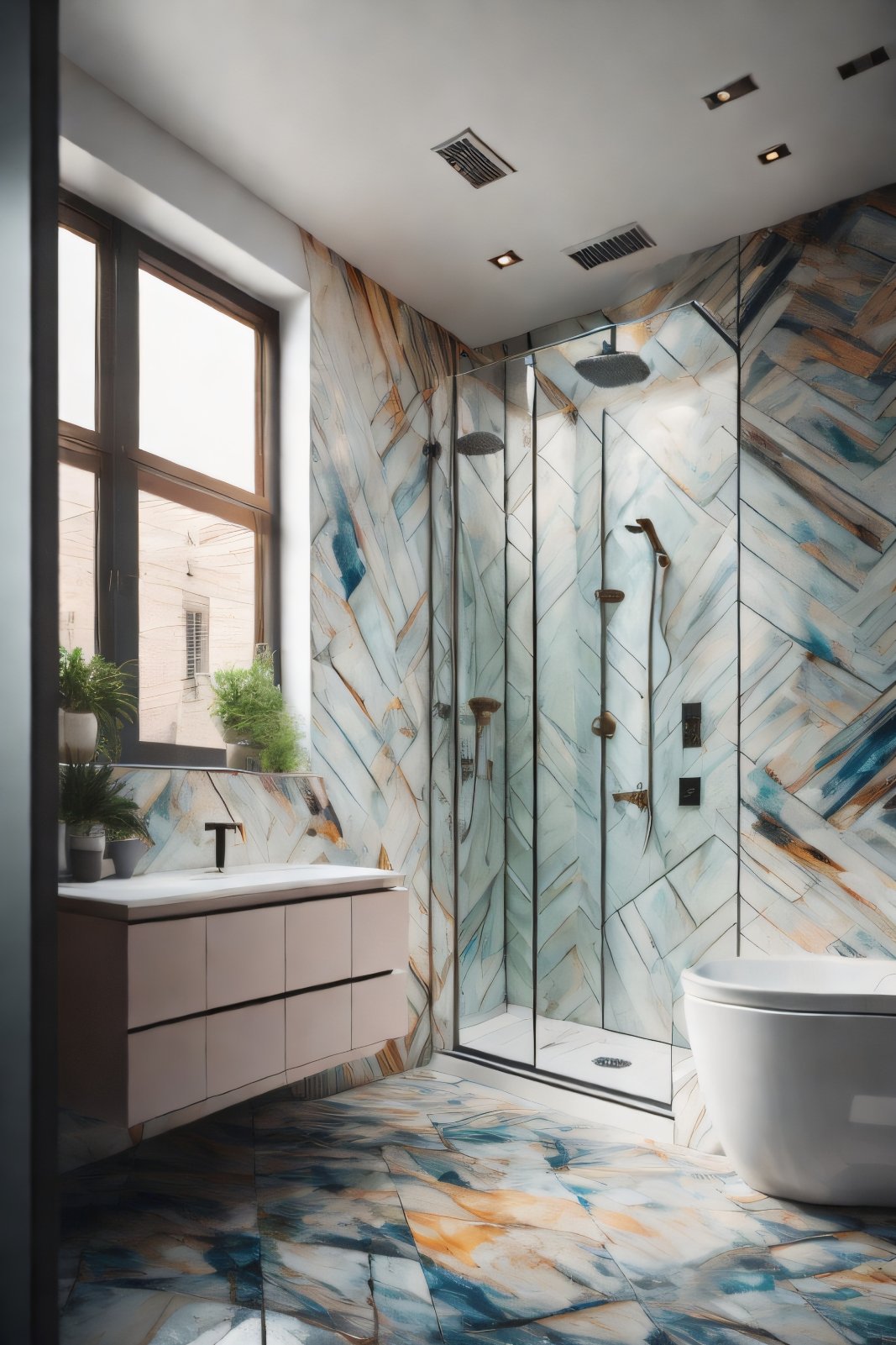
Materials should be vibrant and textured. Wood with unusual grain, metal with a rough finish, glass with special inclusions, and textiles with bold prints—all these elements help create a complex and diverse visual image that reflects the inner world of the space's owners.
Elements are a unique expression of emotional power and individuality. They help create an atmosphere that takes us deep into the emotional world, inspiring new sensations and leaving a strong impression on visitors. This interior style offers a true artistic journey, where each element becomes part of a larger picture, captivating us with its beauty and depth.
Materials in Expressionist Interiors
An Expressionist interior is an amazing combination of abstract forms, vibrant colors, and piercing emotions that create an atmosphere of complete self-expression and intensity. To achieve this effect, one of the main components is the materials chosen for finishing and decoration.
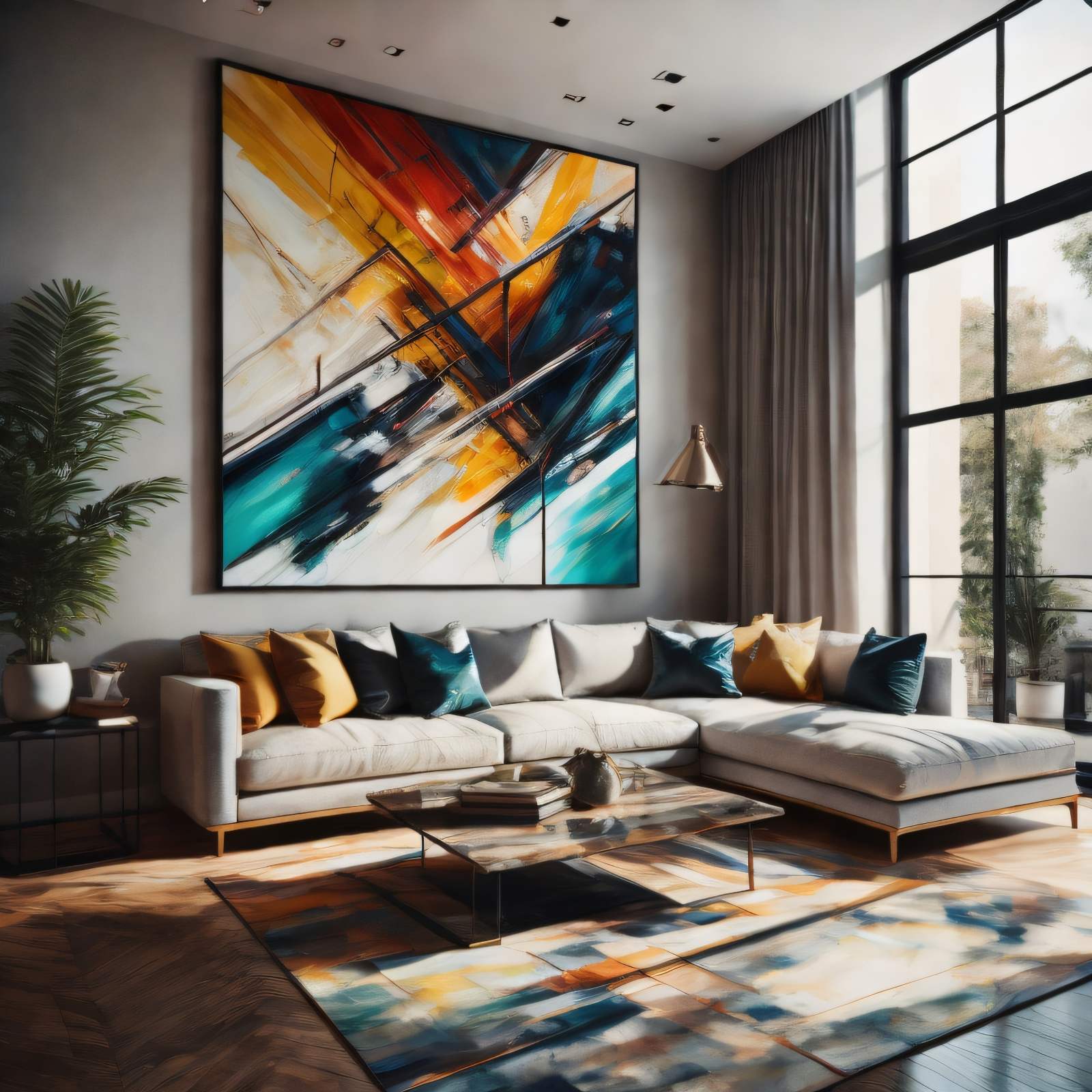
The first material that usually catches the eye is paint. Here, bright colors filled with soul and emotion are used. Paints are often applied to walls with bold strokes or blurred canvases to create a sense of movement and dynamism. Vivid tints and acrylic paints are the perfect choice to achieve such effects.
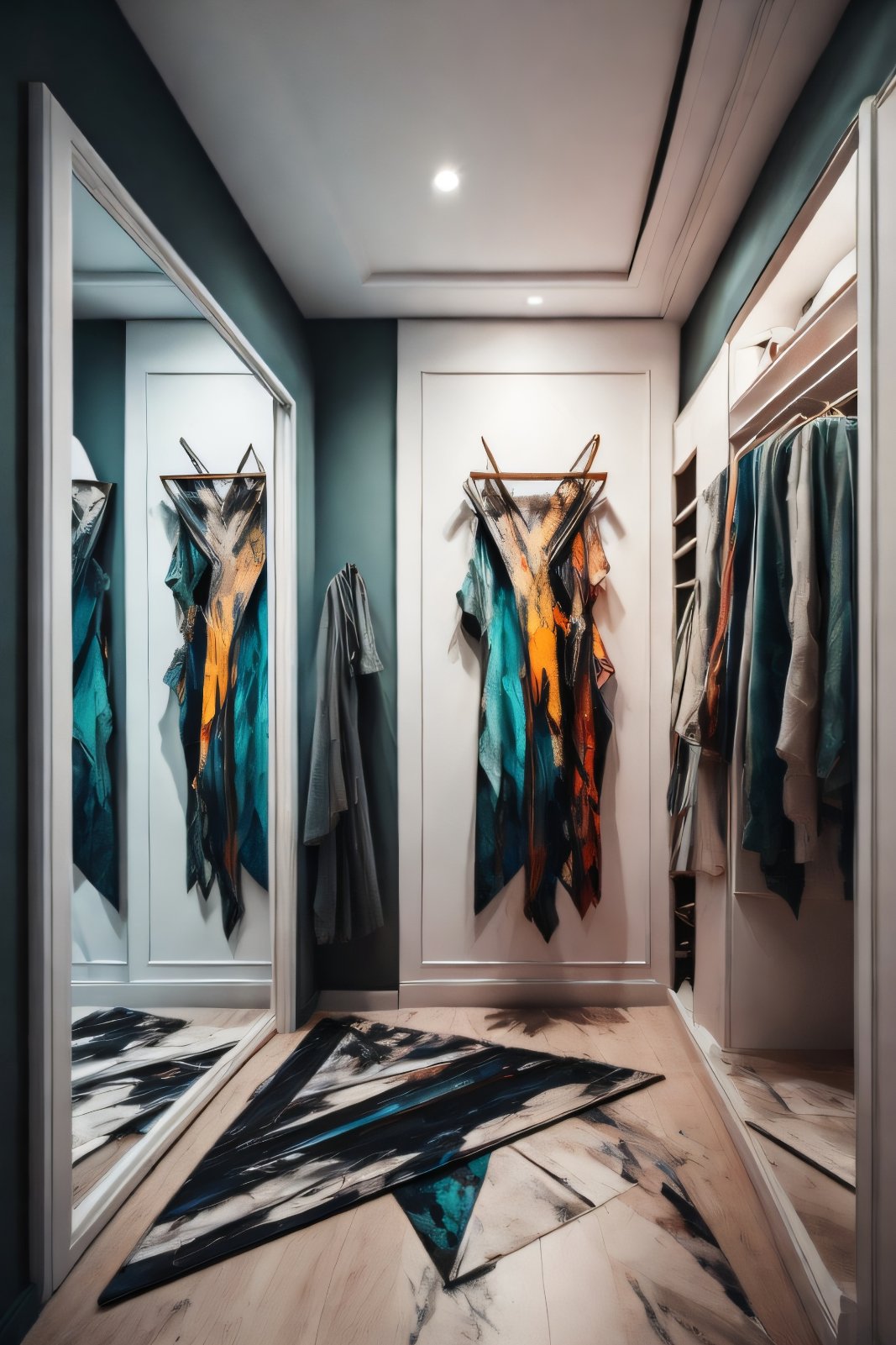
Another important material is textiles. They add softness and complexity to the overall composition. An expressionist interior often uses textile products with bright colors and unusual patterns. Elements such as pillows, throws, curtains, and rugs can be made from thick and durable fabrics with abstract designs or graphic effects. Rich synthetic fabrics like velvet or brocade can add a touch of luxury and extravagance to the interior.
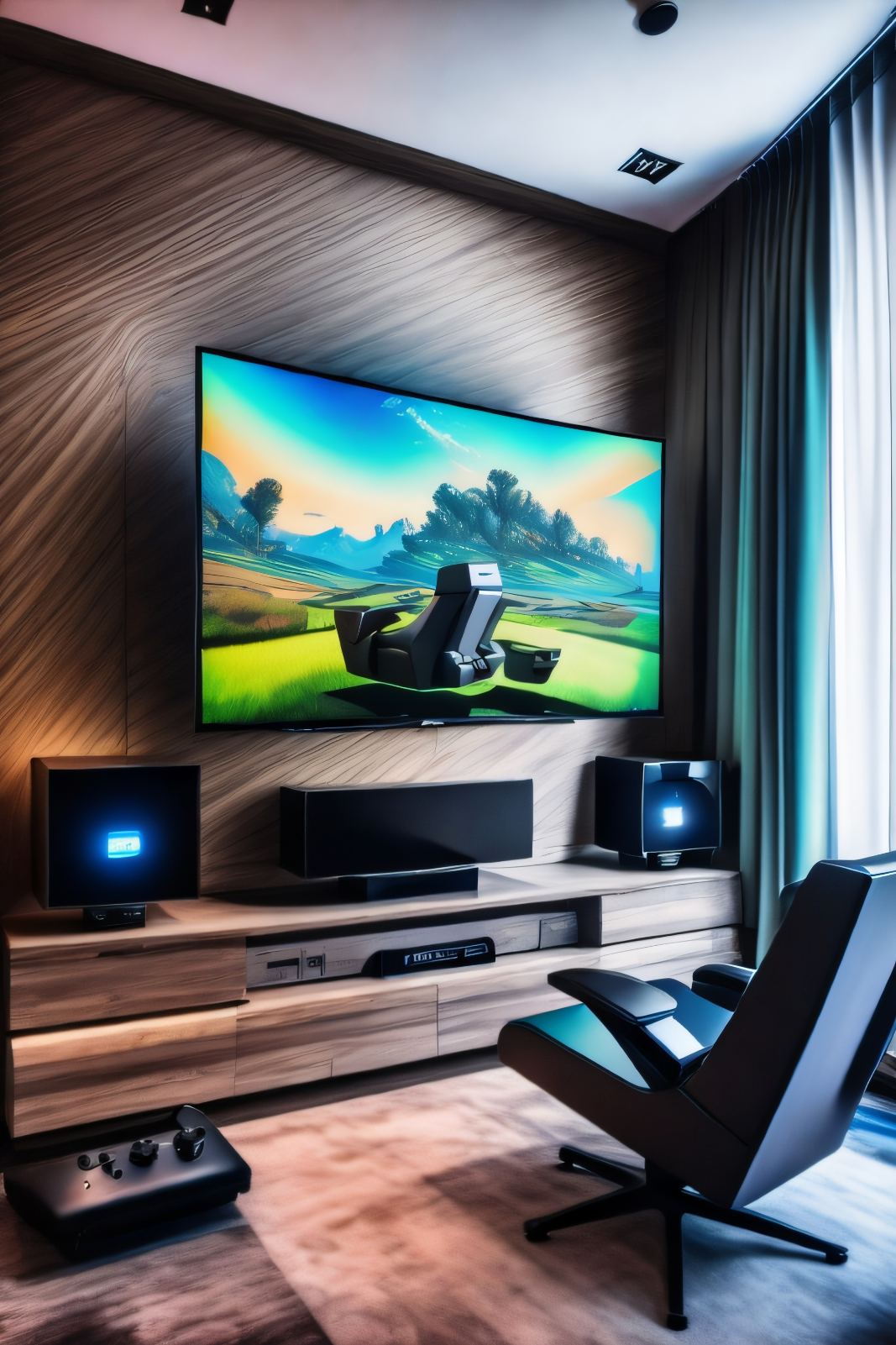
Wood also plays an essential role in the materials for an expressionist interior. It gives the room a sense of organic and natural strength. Wooden furniture, crafted in unusual shapes with vibrant finishes, can stand out as a striking accent. Additionally, wooden panels and floors can be used to create textural contrasts and serve as an organic backdrop for bright colors and forms.
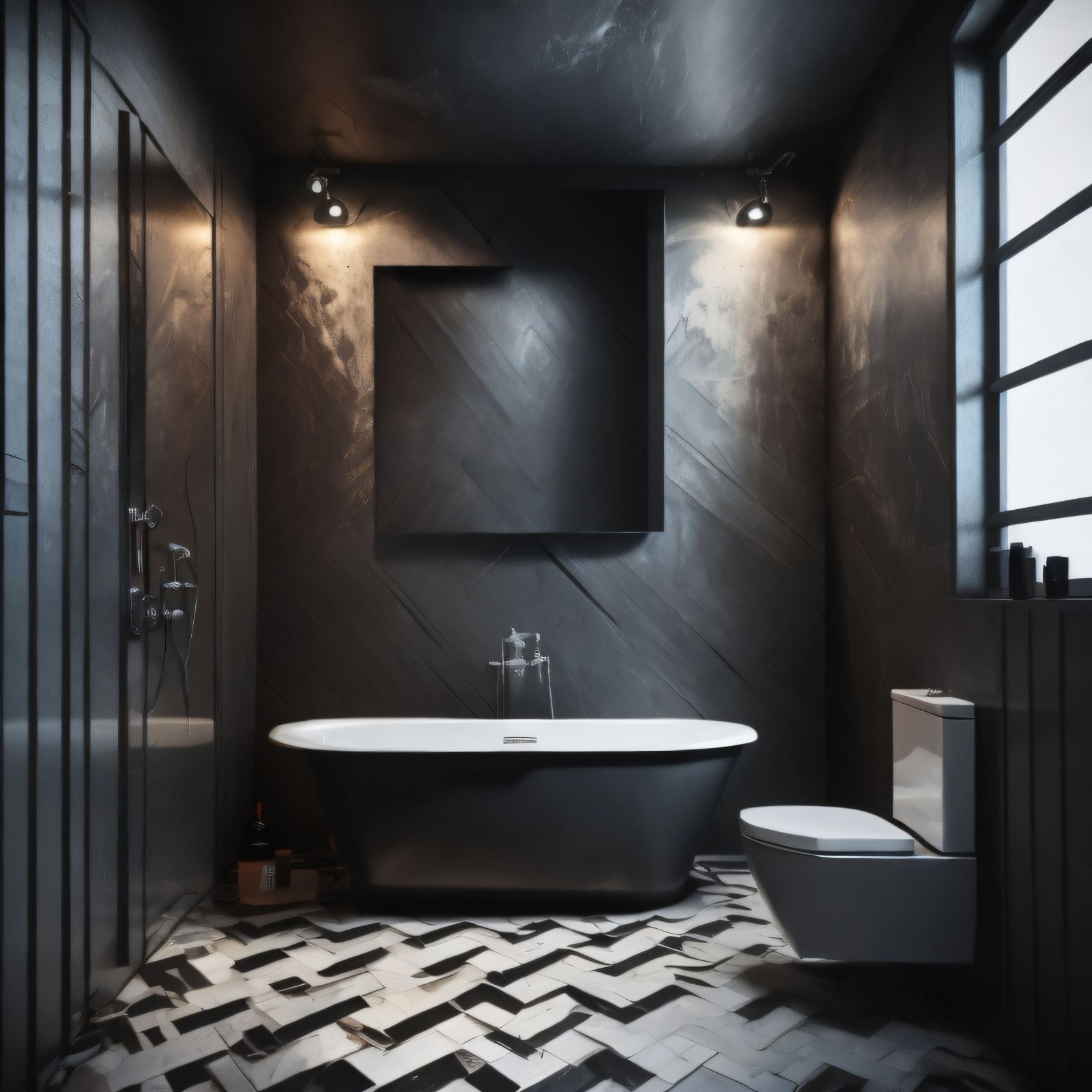
Metal is also in demand, adding a touch of modernity and industrialism to the overall composition. Metal surfaces, such as steel or aluminum, can be used for finishing walls, ceilings, or furniture, creating bright and reflective surfaces. Metal accessories and decorative elements are also often employed to add depth and texture to the interior.
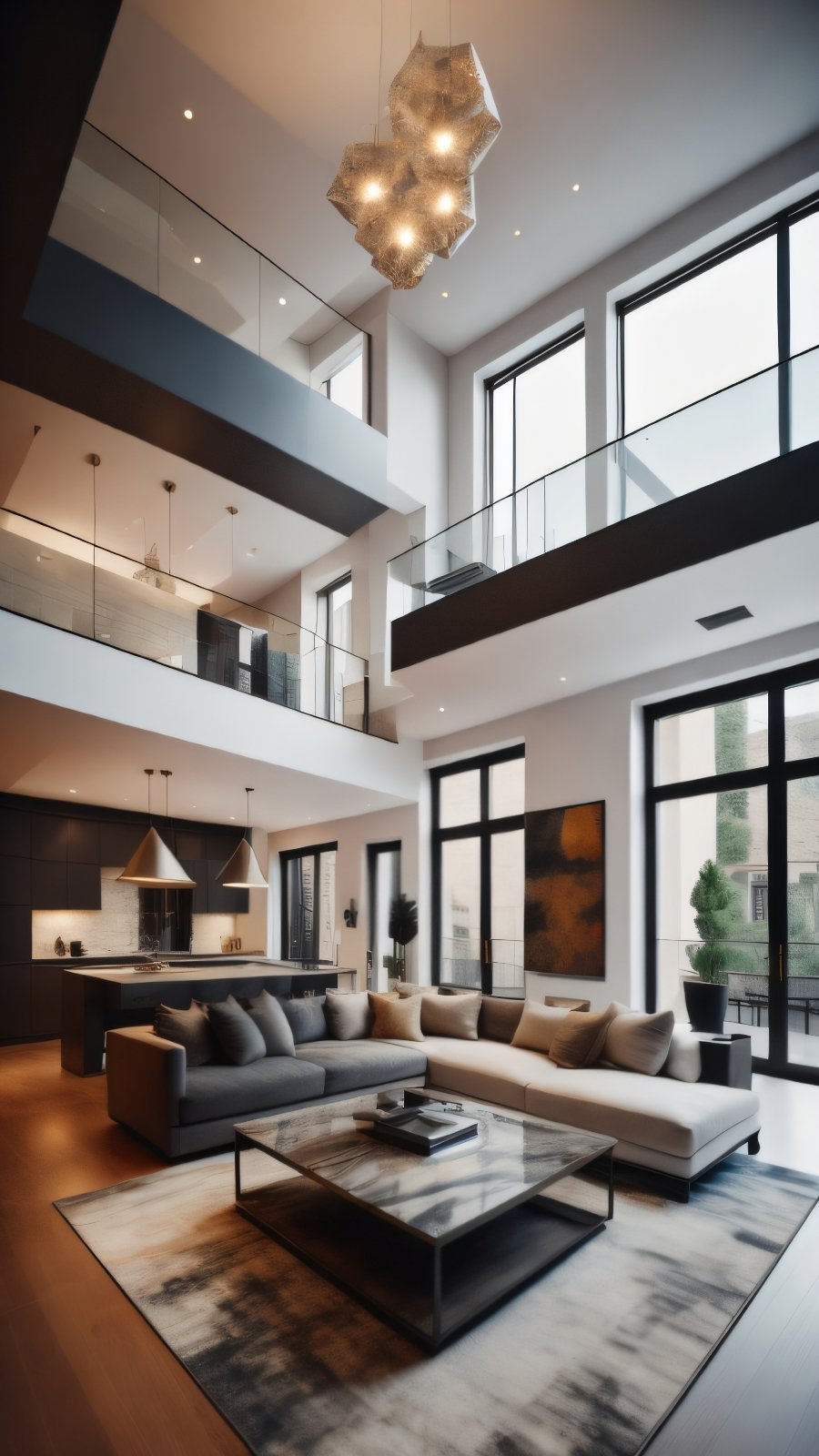
And finally, glass is an essential material. It adds transparency and lightness to the space, while also creating a play of light and shadow. Glass niches, windows, or lamps can be used to create interesting effects and unique lighting. Additionally, glass can be employed as a material for various accessories and decorative elements.
Materials play a crucial role in creating a unique style and atmosphere. Using vibrant colors, textiles, wood, metal, and glass can help you craft a dynamic, sensual, and expressive space that speaks to your individuality and passion for art.
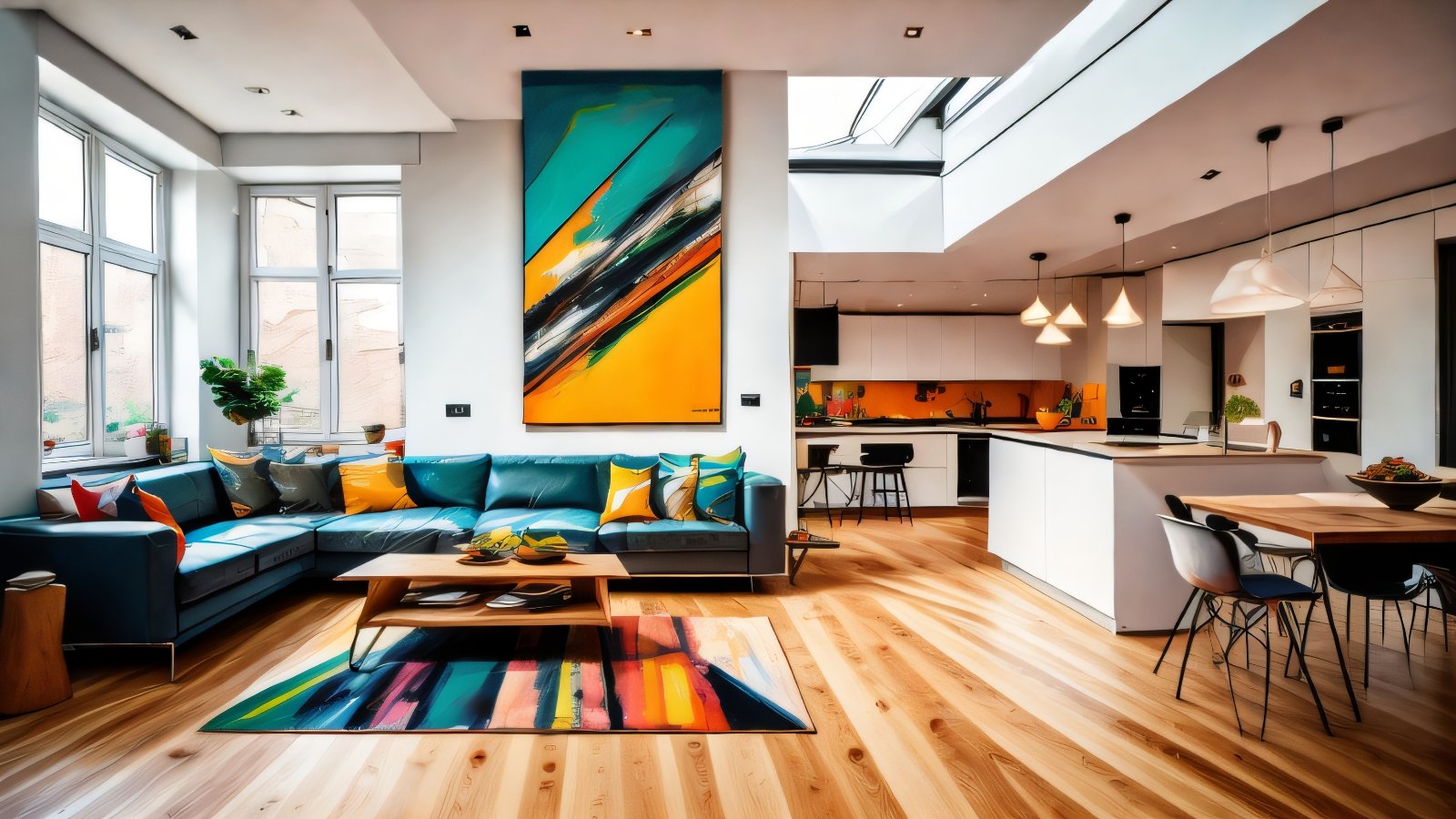
Color Palette in Expressionist Interior Design
An expressionist interior is a bold and captivating space that reflects the inner world and emotions of its inhabitants. At the heart of this style is the color palette, which plays a vital role in creating the desired atmosphere and conveying the character of the design.
A distinctive feature of this interior design is the use of bright, rich, and unexpected color combinations. The shades found in such an interior contribute to its expressiveness and dynamism. Colors reign here in all their beauty and individuality, blending or contrasting effectively with each other.
One of the main aspects of the color palette is the use of pastel tones combined with vibrant accents. This approach creates a harmonious and attractive space that gently unfolds before the eyes of the observer, inviting them to dive into a world of strong emotions through these hues and shades.
An expressionist interior can also be executed in a monochromatic color scheme, where the interplay of light and shadow plays a crucial role. By combining different shades of a single color, the designer creates a calm and deep space where each texture and hue are self-sufficient elements capable of conveying an emotional state or atmosphere.
Bold color contrasts are also characteristic of this style. The combination of bright and dark shades creates a sense of dynamic movement, evoking strong emotions and a feeling of power. This play of vibrant and dark colors generates a sensation of pulsation and motion within the space, allowing the inhabitants to feel the energetic aura of the interior.
Using a variety of colors, the expressionist interior allows an individual to convey their personality and emotions through their living space. This style provides an opportunity to reveal one's soul and communicate feelings through the chosen color palette, immersing oneself in a unique world of artistic expression and experience. In such an interior, colors become not just decorative elements but also a way of self-expression, showcasing the style and character of the inhabitants.
Conclusion
An expressionist interior can inherently evoke a sense of drama and unease. Therefore, it is essential to incorporate elements that bring calm and harmony. For instance, items of art, flowers, and nature elements can serve this purpose.
In this interior, everything matters: from the colors of the decor to the shape of the furniture. All elements should complement each other seamlessly, yet each piece must be individually expressive. If you are looking for a space where you can express yourself fully, the expressionist style is an excellent choice.
Expressionist Interior — Photos: