Luxury and Mystery: Moorish Style in Interior Design – Create an Atmosphere of Elegance in Your Home
Immerse yourself in the refined world of Moorish style. Open the door to Eastern luxury and exotic elegance in your own home. Create the perfect atmosphere of sophistication with our unique solutions.
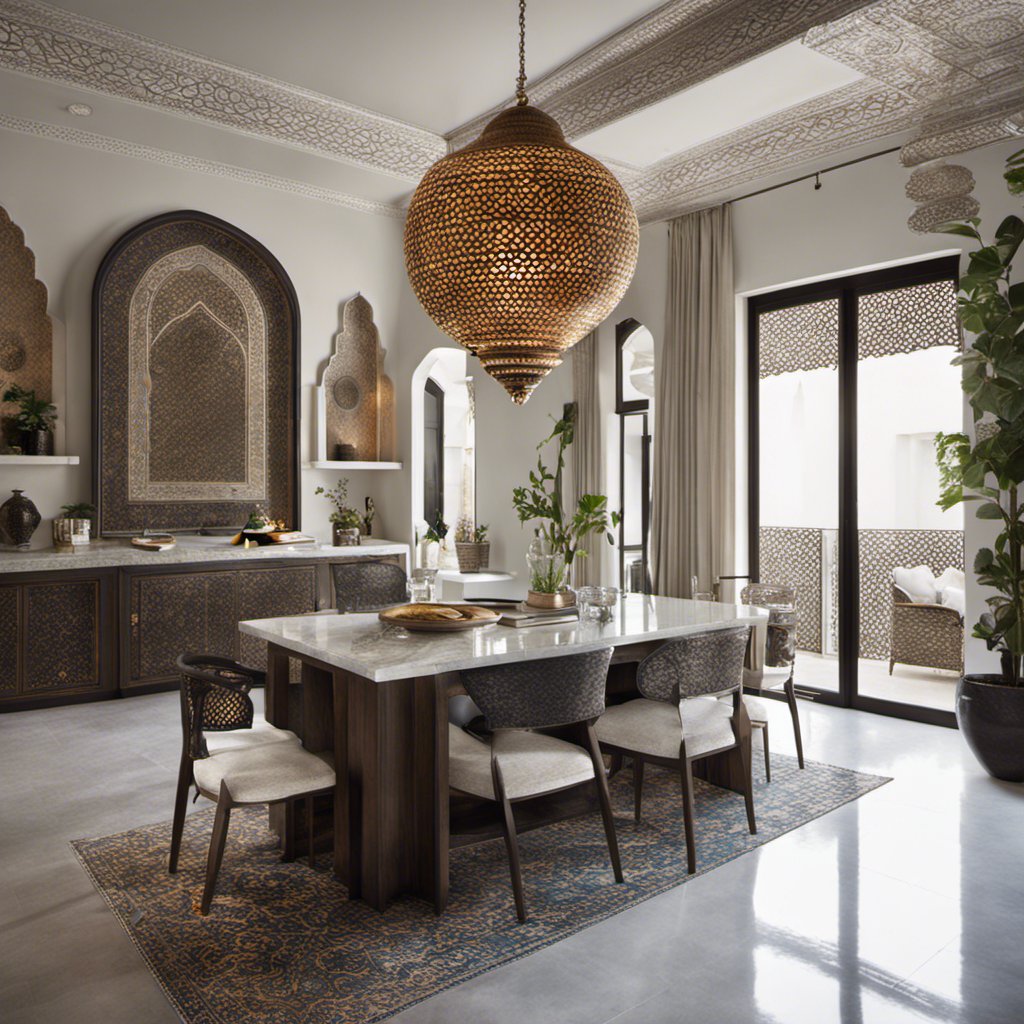
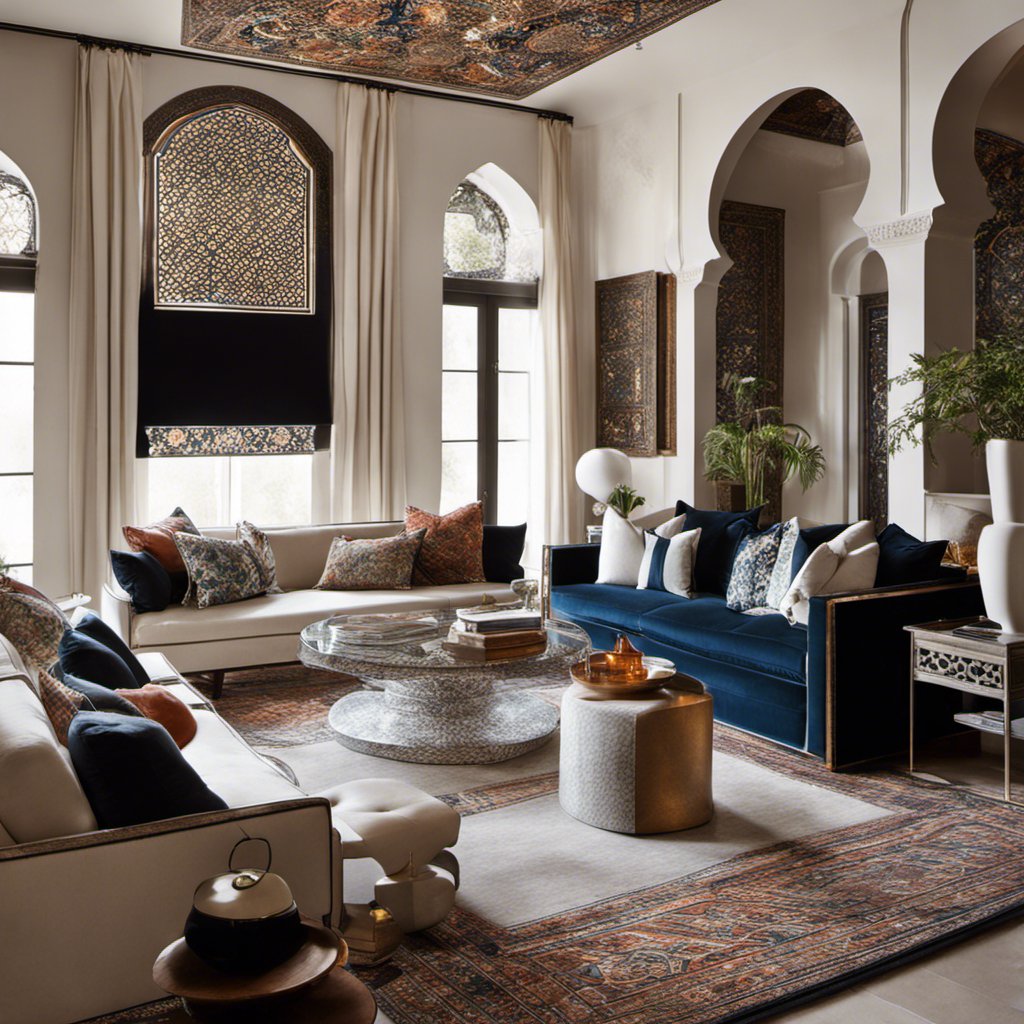
The Moorish Style in Interior Design is exotic and unique, inspired by the rich history of this African region. It serves as a bridge between two diverse cultures—Arabian and African—melding sophistication with a touch of the primitive. In this article, we will explore its key characteristics and discuss how it can be incorporated into interior design.
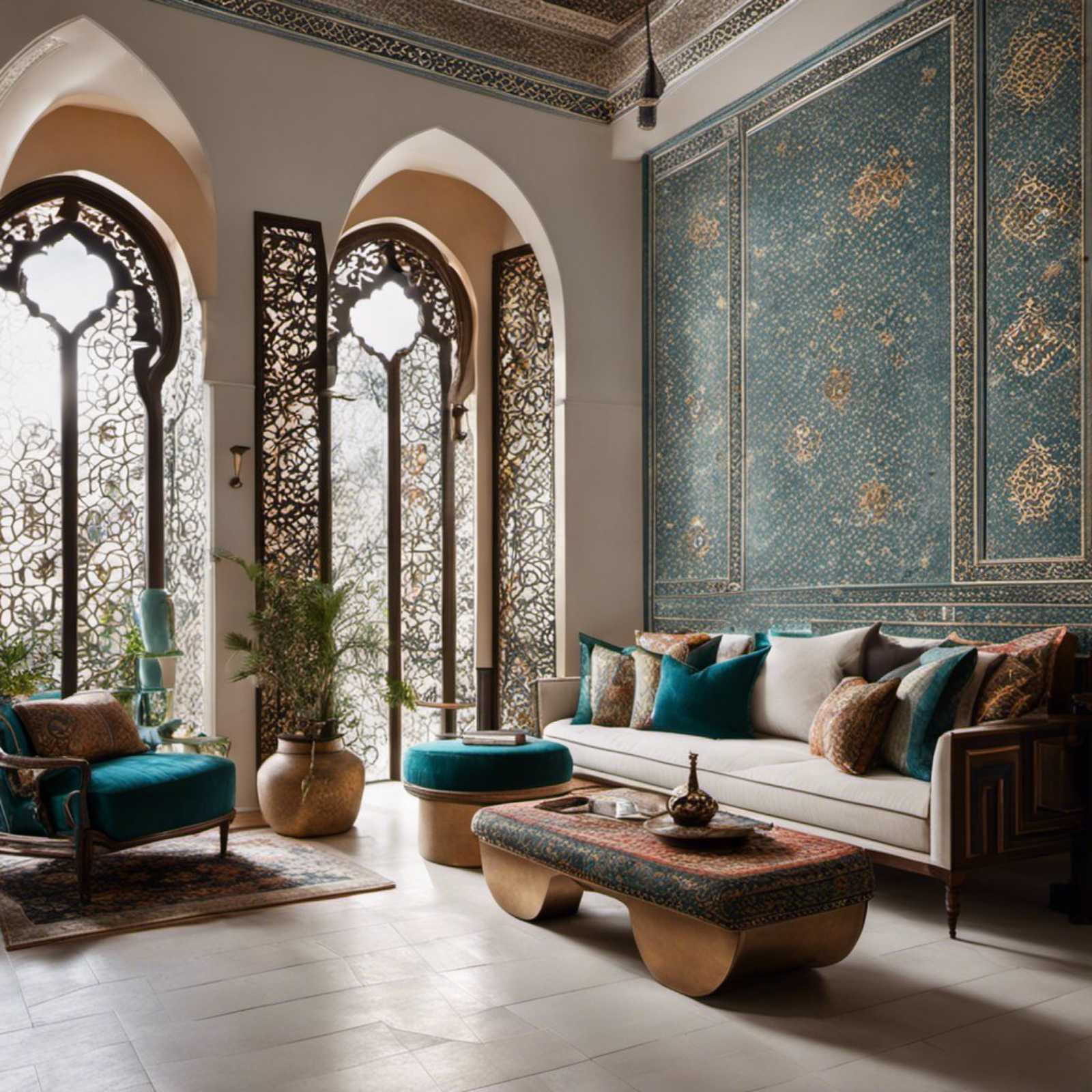
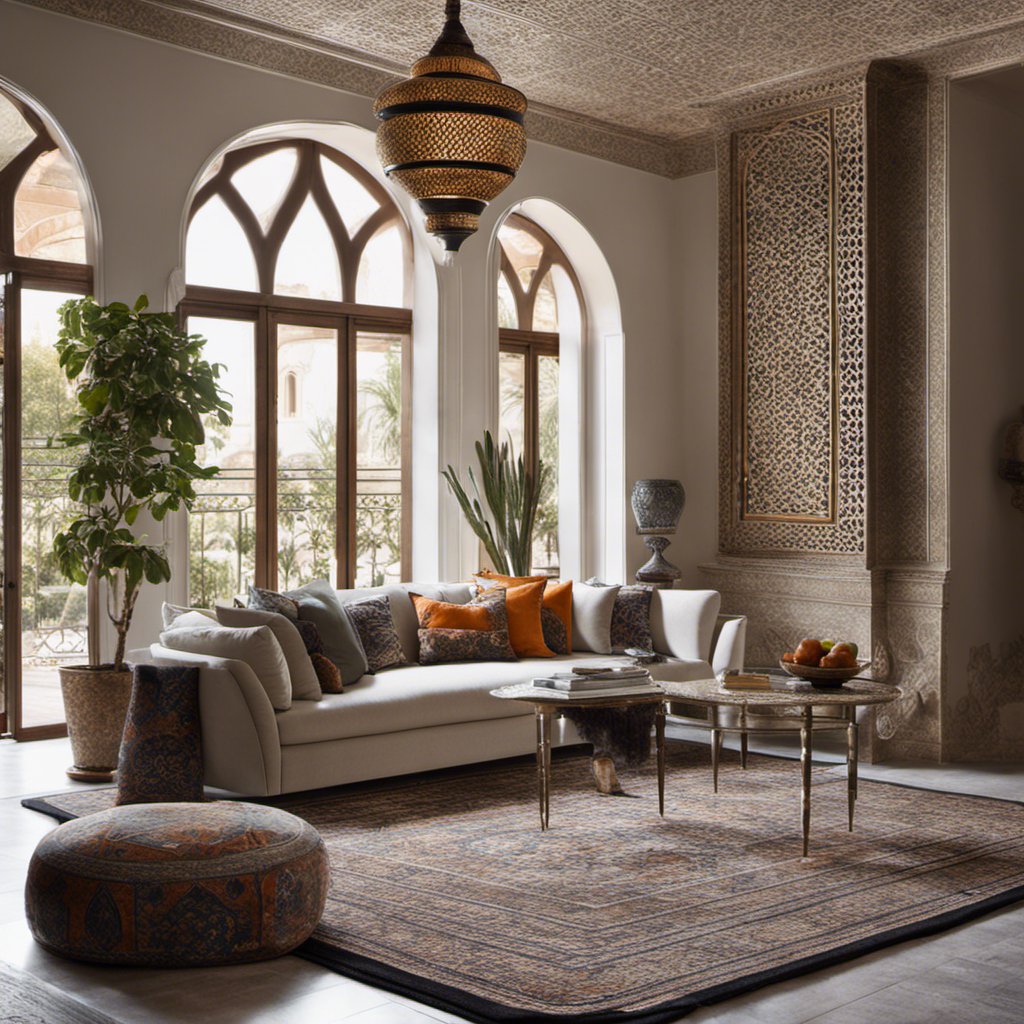
The Color Palette of Moorish Style
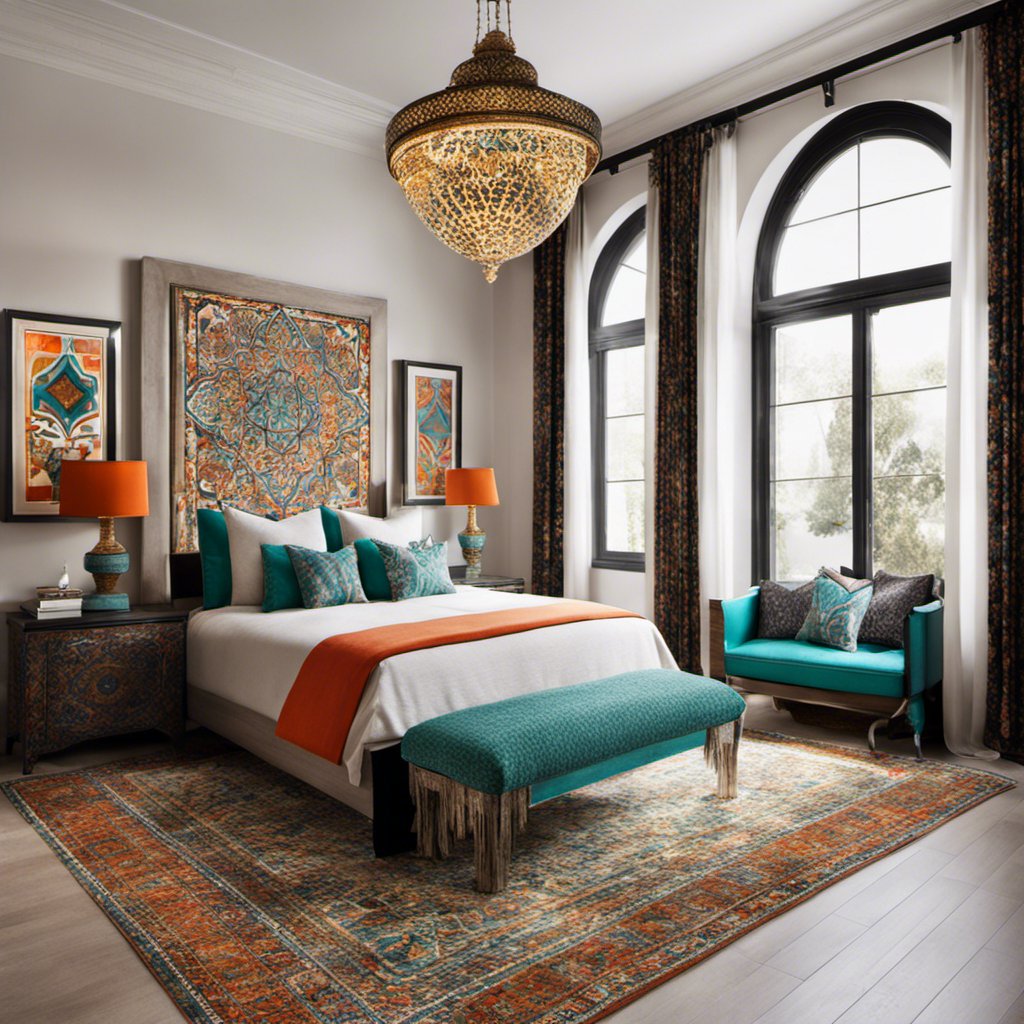
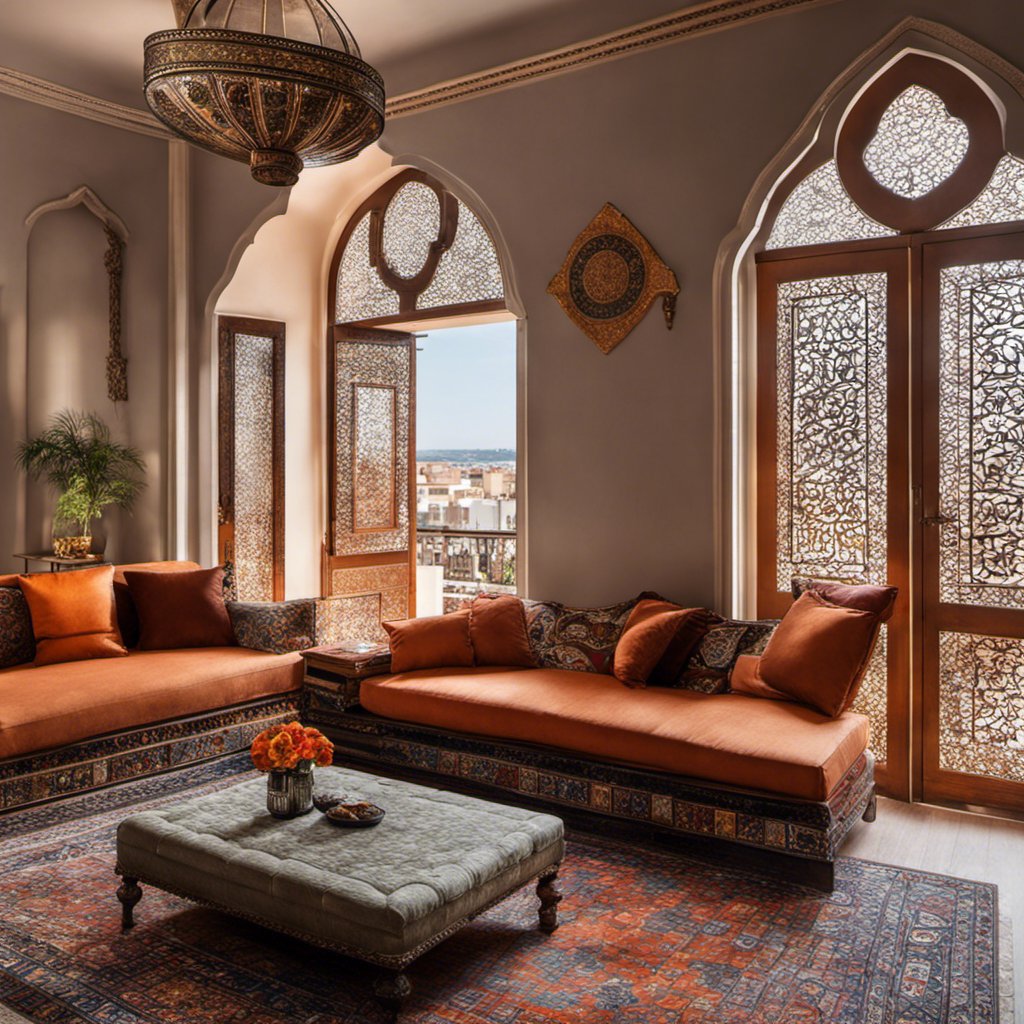
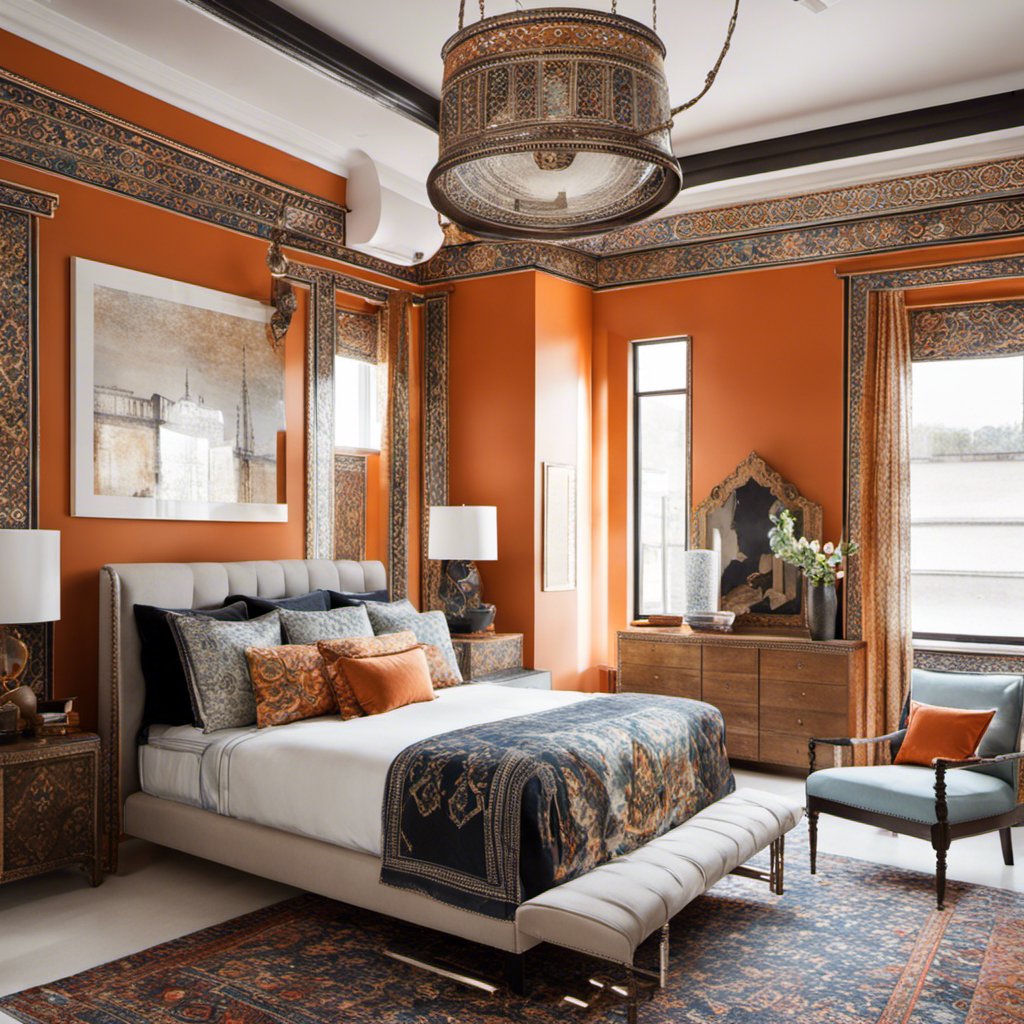
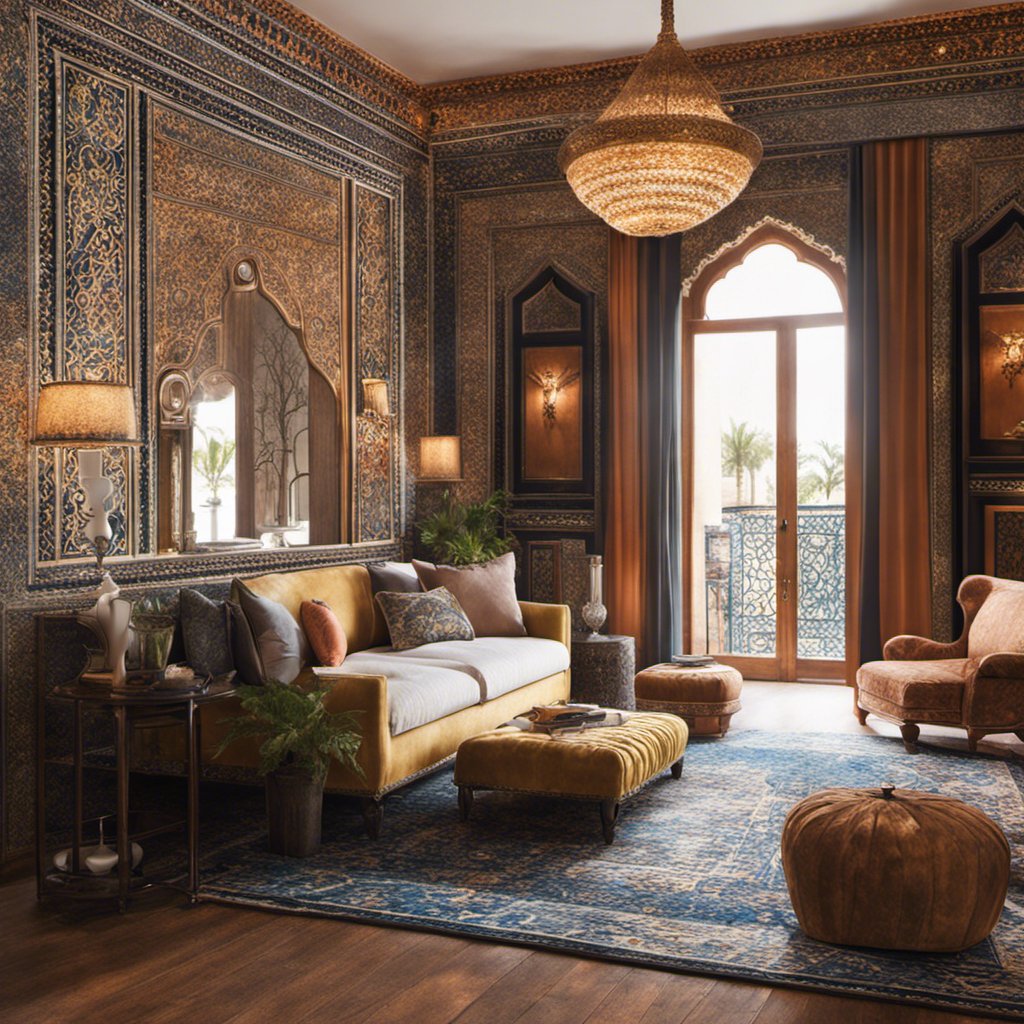
Moorish style, also known as Moorish architecture, is a distinctive blend of Arabian, Andalusian, and Berber design elements. The color scheme is characterized by rich and vibrant hues that create a striking and unique ambiance. Here are some typical colors featured:
Overall, the color palette includes numerous shades that help to create an exotic and atmospheric setting. Rich colors are used to adorn walls, ceilings, floors, furniture, and decorative elements, making it unique and captivating.
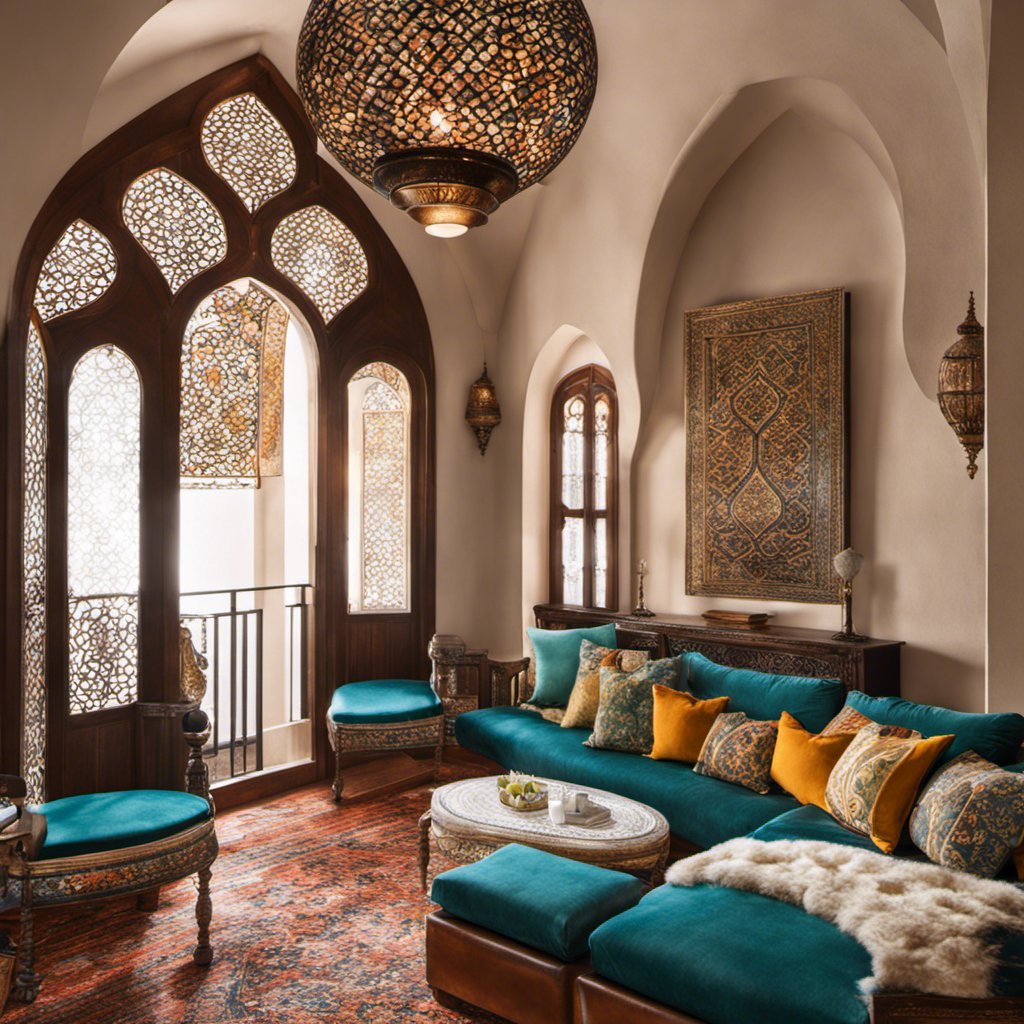
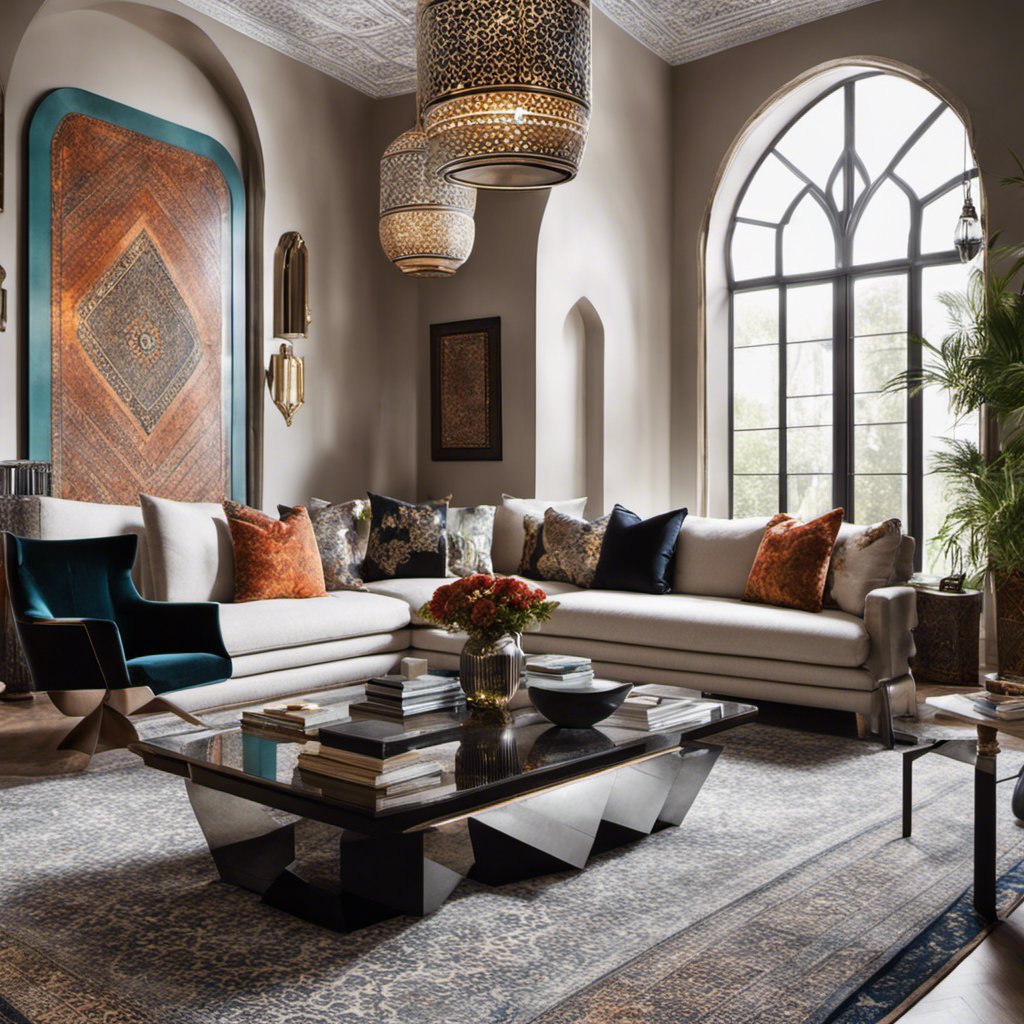
Materials Used in Moorish Style
Moorish architecture and design frequently incorporate a variety of materials to create an authentic and unique style. Some of the most commonly used materials include:
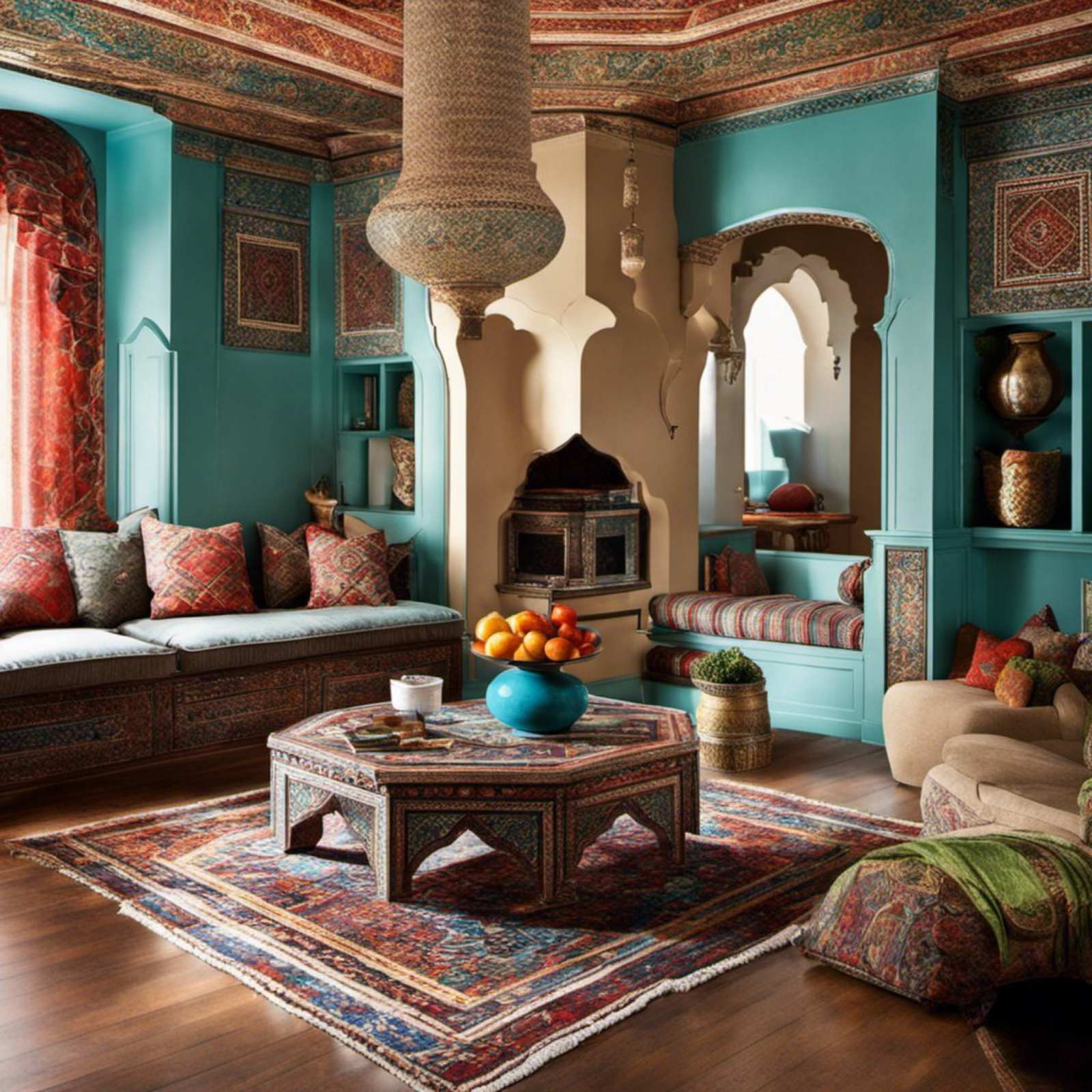
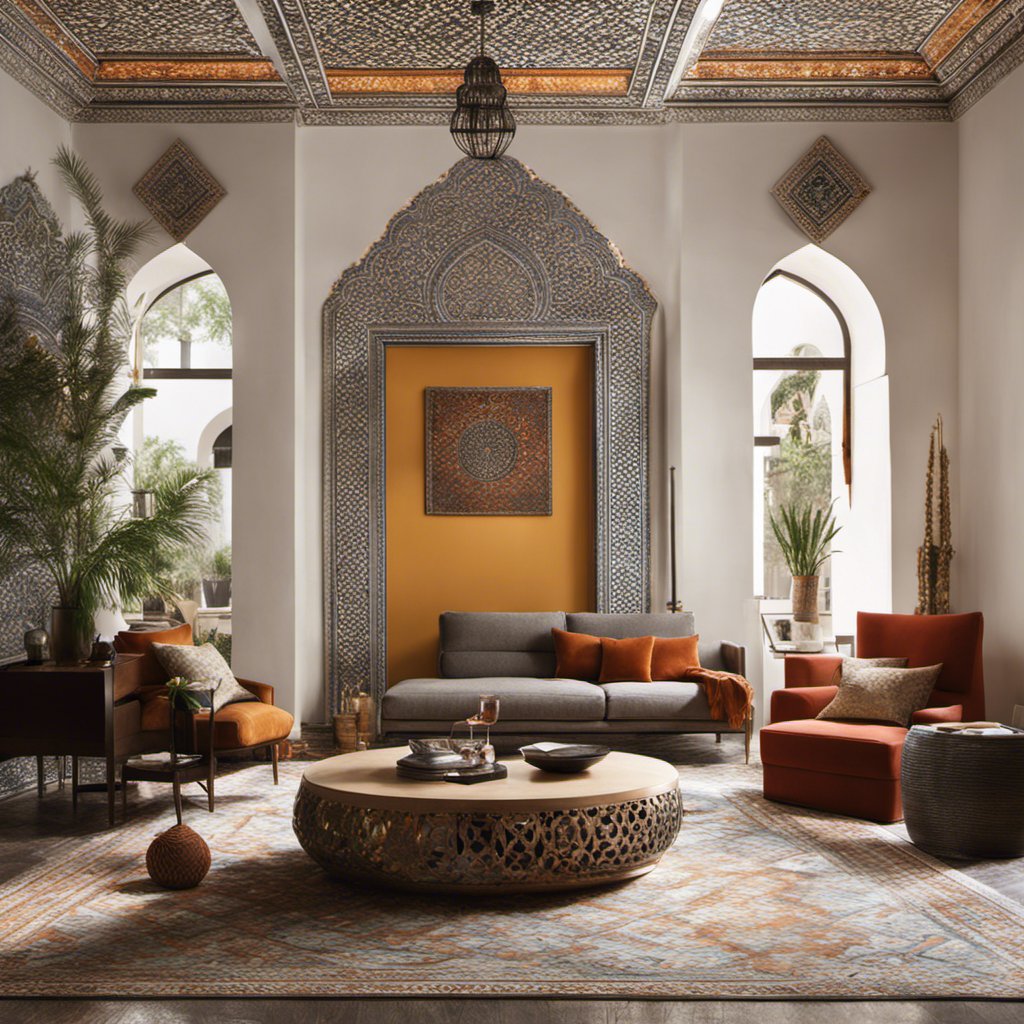
Ceramic Tile:Ceramic tile is a primary element of design. It can be found on walls and floors, as well as in mosaics and patterns. Ceramic tiles often come in various colors and designs, frequently featuring geometric motifs.
Painted Ceramics and Faience: These decorative elements can be used to create unique and intricate patterns on walls, ceilings, and floors. They can be handmade and often feature various geometric shapes.
Wood: Wood is widely used for creating furniture and decorative elements. Wooden items often feature inlays and carvings depicting geometric patterns and botanical motifs.
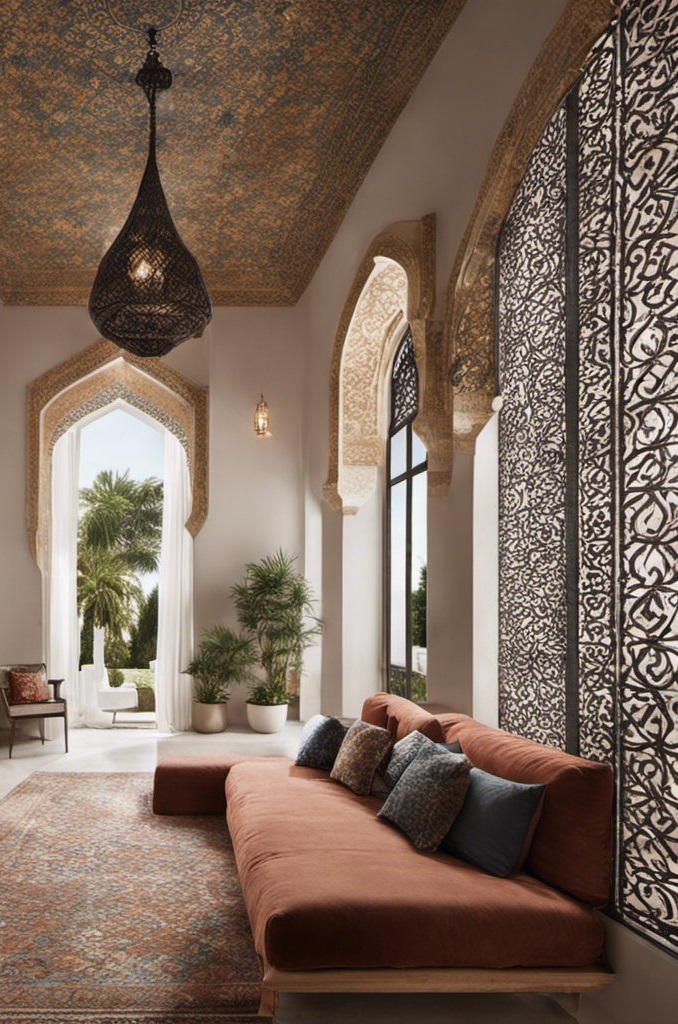
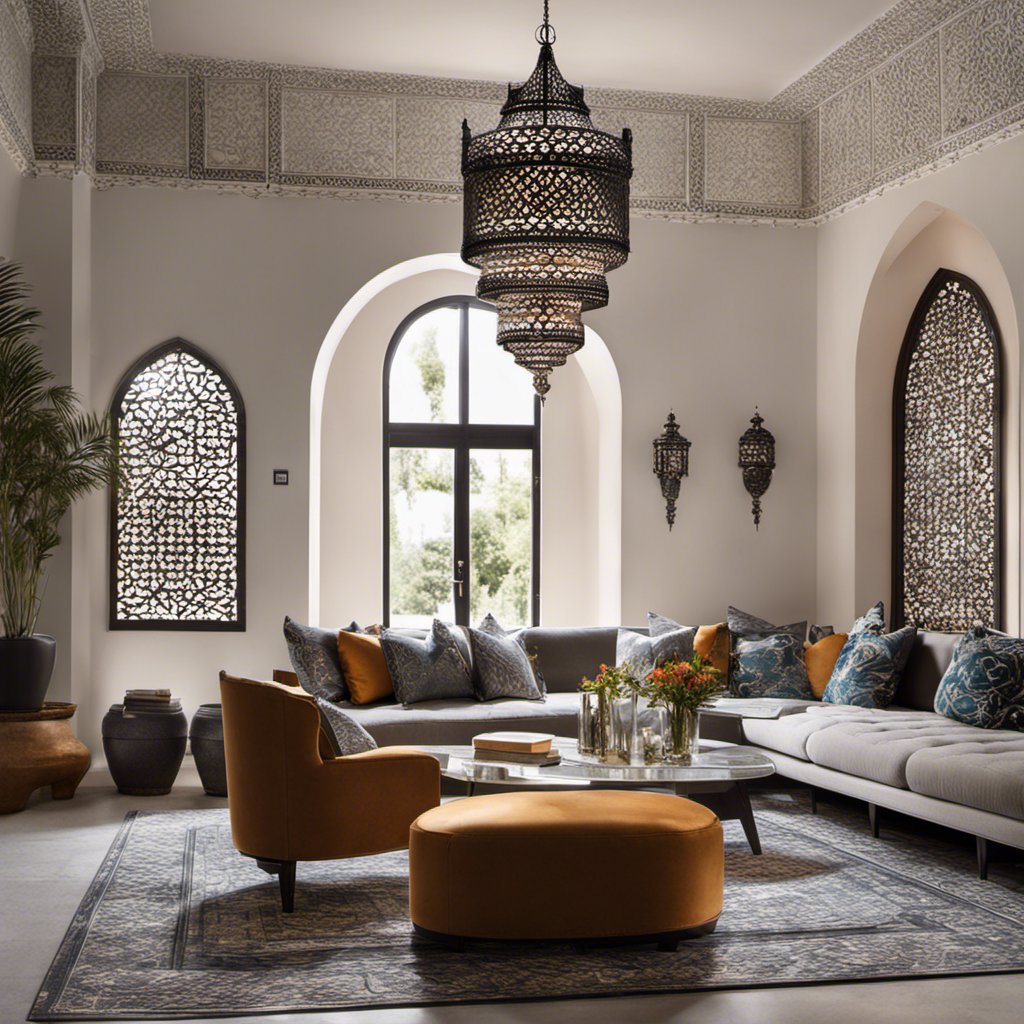
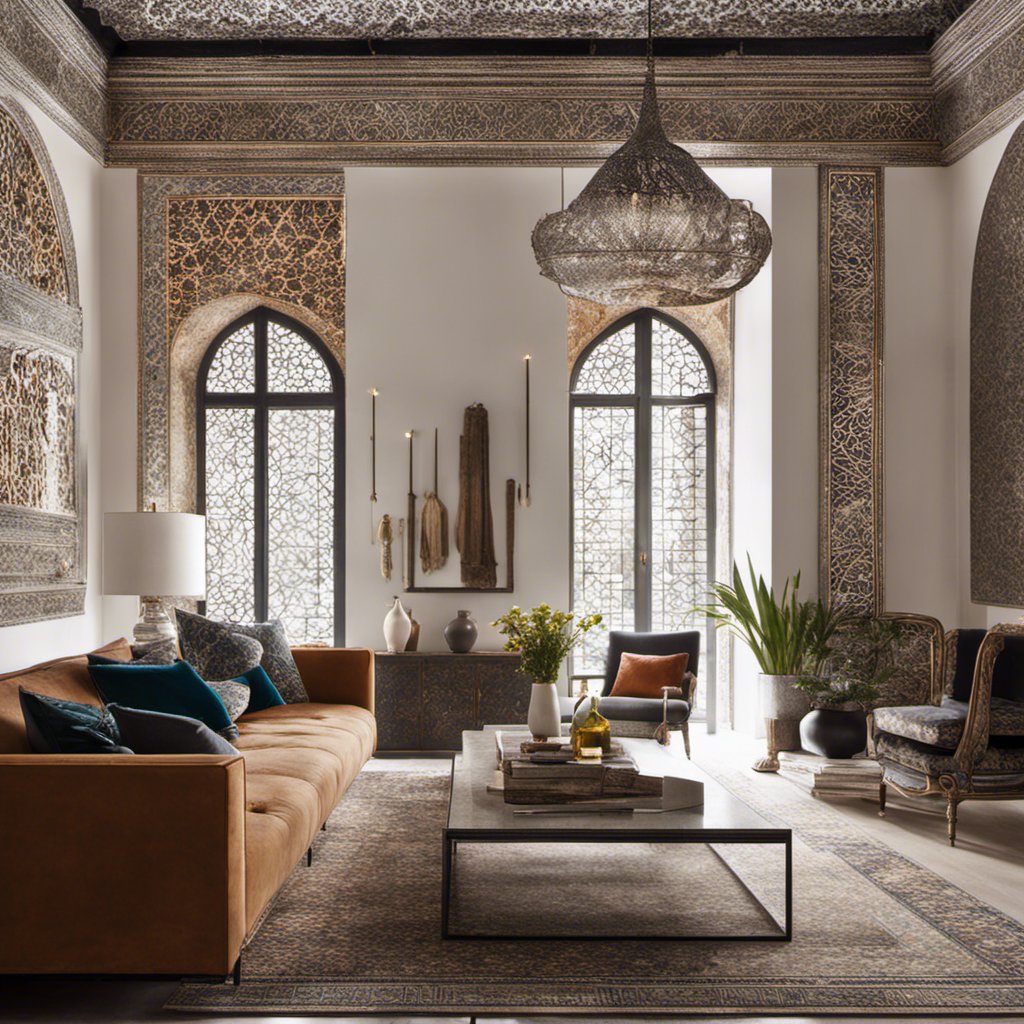
Metal: The architecture stands out with its metal decorations and ornamental elements. Commonly used are wrought iron grilles, steel windows and doors with inlays, as well as copper elements and light fixtures.
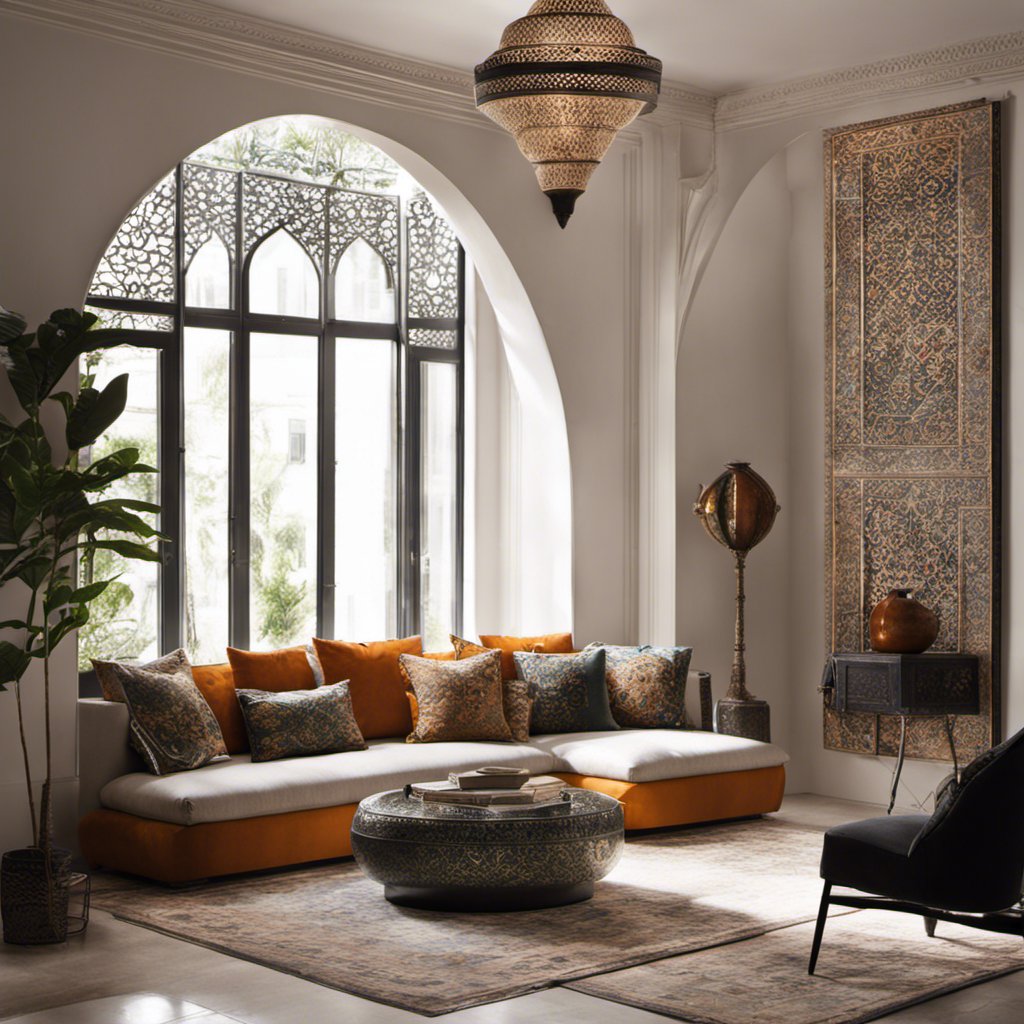
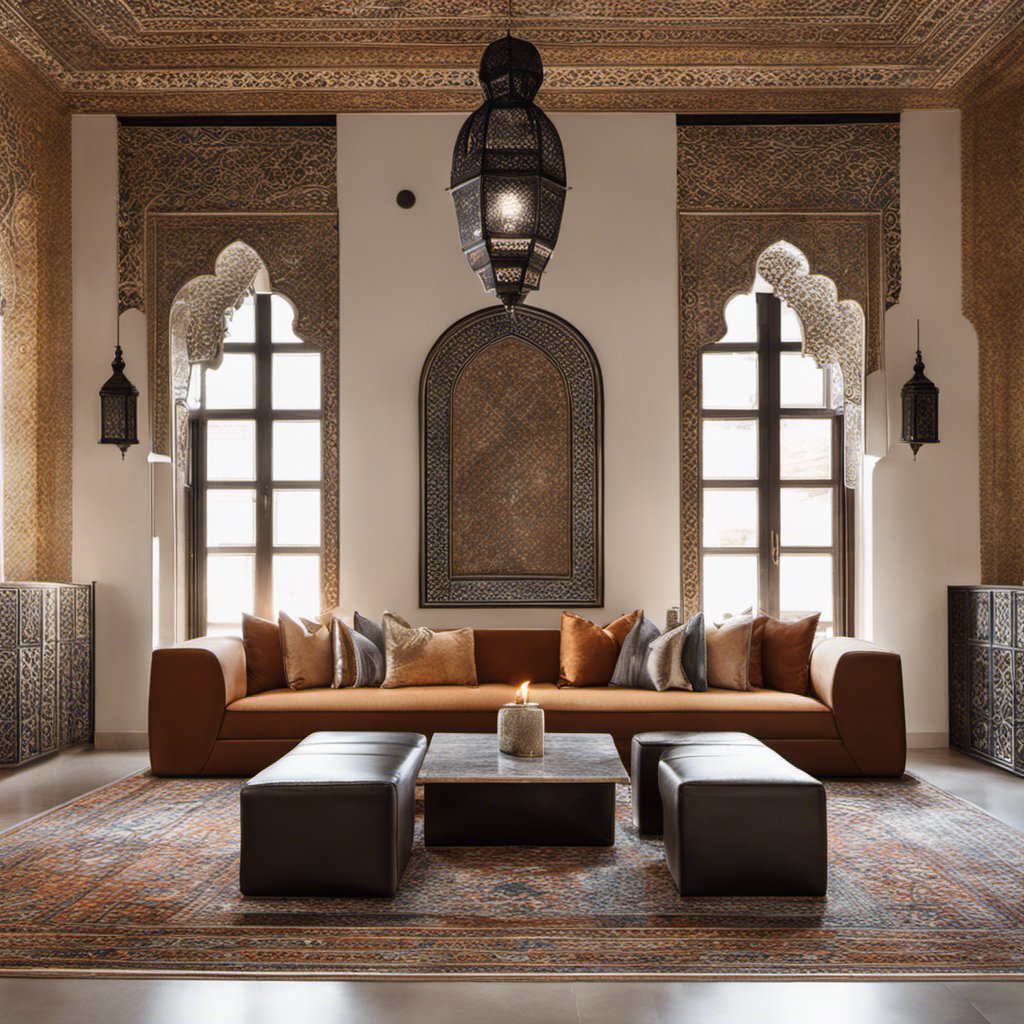
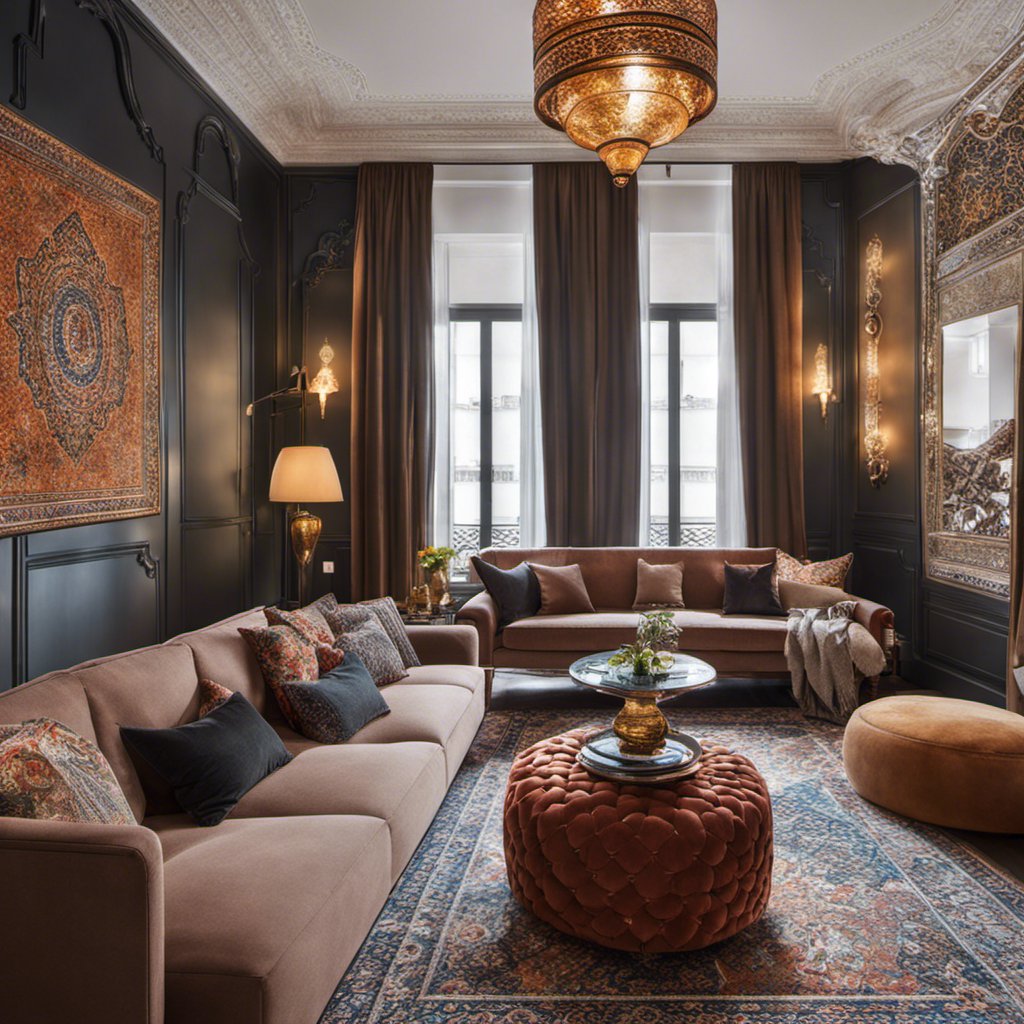
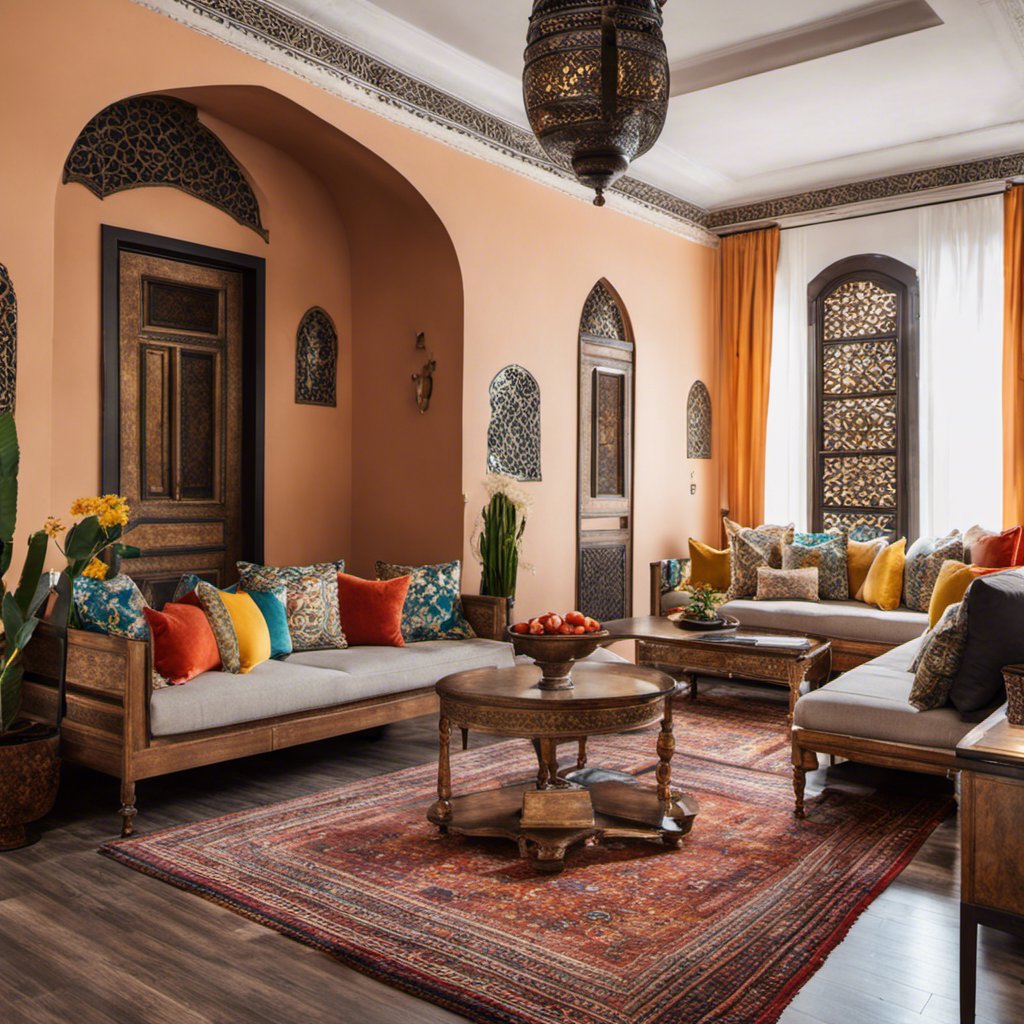
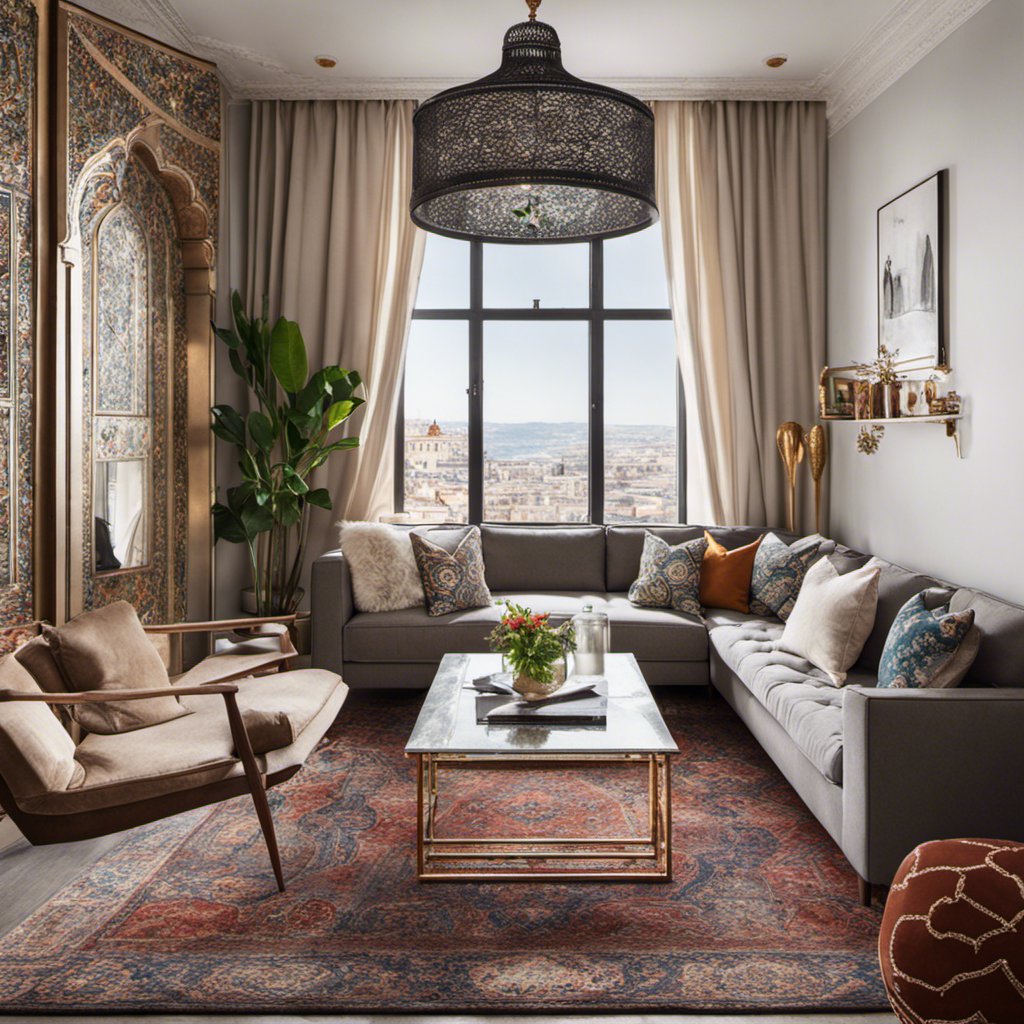
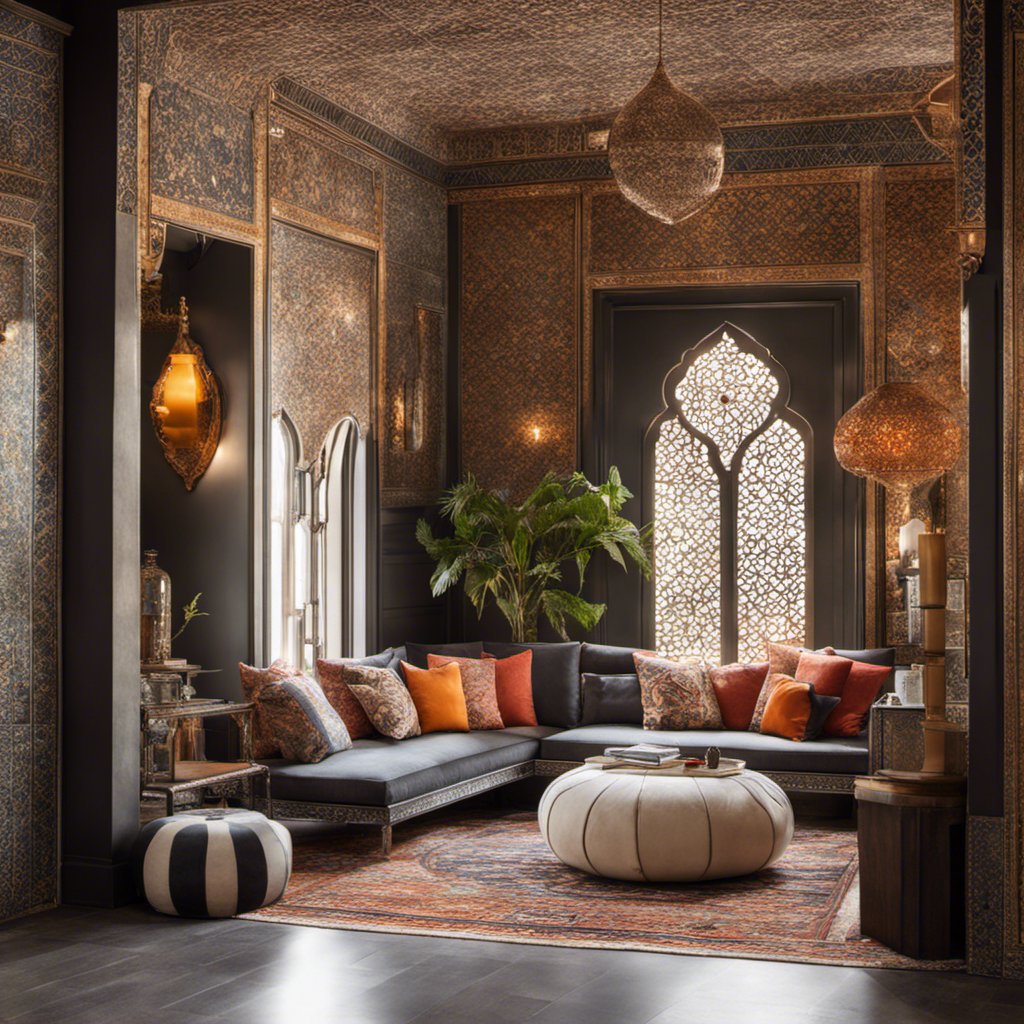
Textiles: Textiles also play a crucial role. Often utilized are colorful fabrics, cushions, rugs, and covers adorned with intricate patterns and geometric designs.
This list is not exhaustive, and other materials such as clay, stone, and glass can also be found in Moorish architecture. It's important to note that this architectural style revolves around the use of local materials and craftsmanship, giving it its unique and authentic character.
Moroccan Elements
The Moroccan style features distinct elements that set it apart from other architectural styles. Some of the most characteristic Moroccan style elements include:
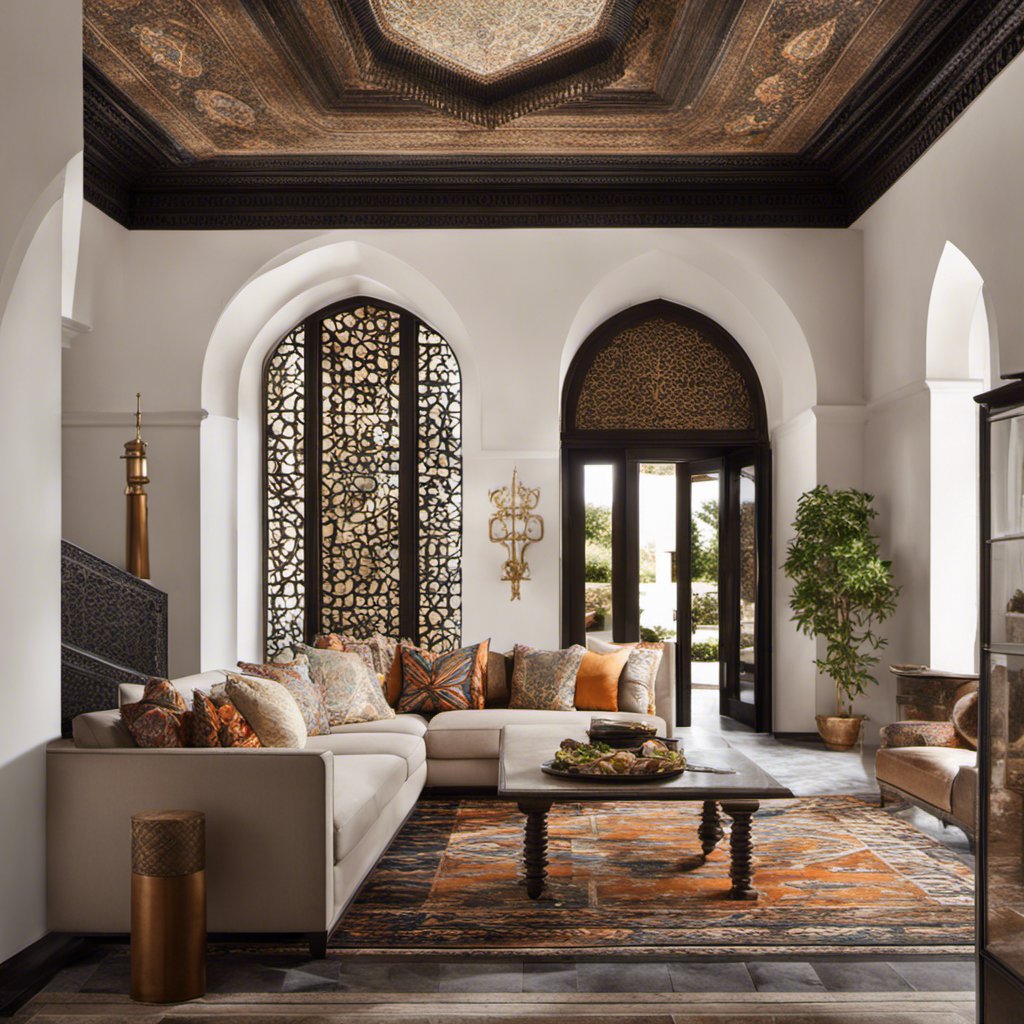
Enchanting Doors: Morocco is famous for its beautiful doors, one of the most defining elements of the style. These often feature carved wood inlays, metal tiles, or mosaics.
Zellige Mosaic: Zellige is a traditional Moroccan method of decorating walls and floors using mosaic ceramics that create intricate geometric patterns.
Moroccan style is characterized by the use of vibrant colors, intricate patterns, and architectural elements that create a mystical and exotic atmosphere.
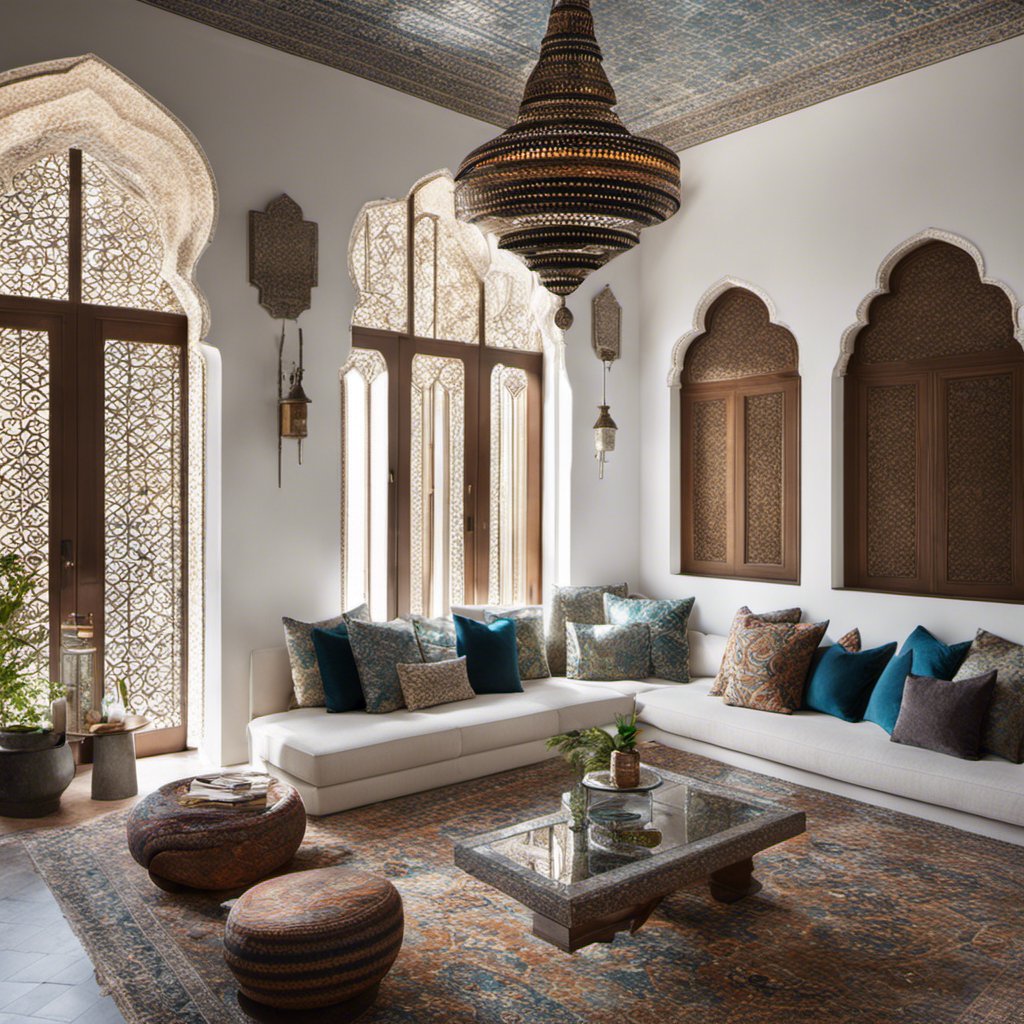
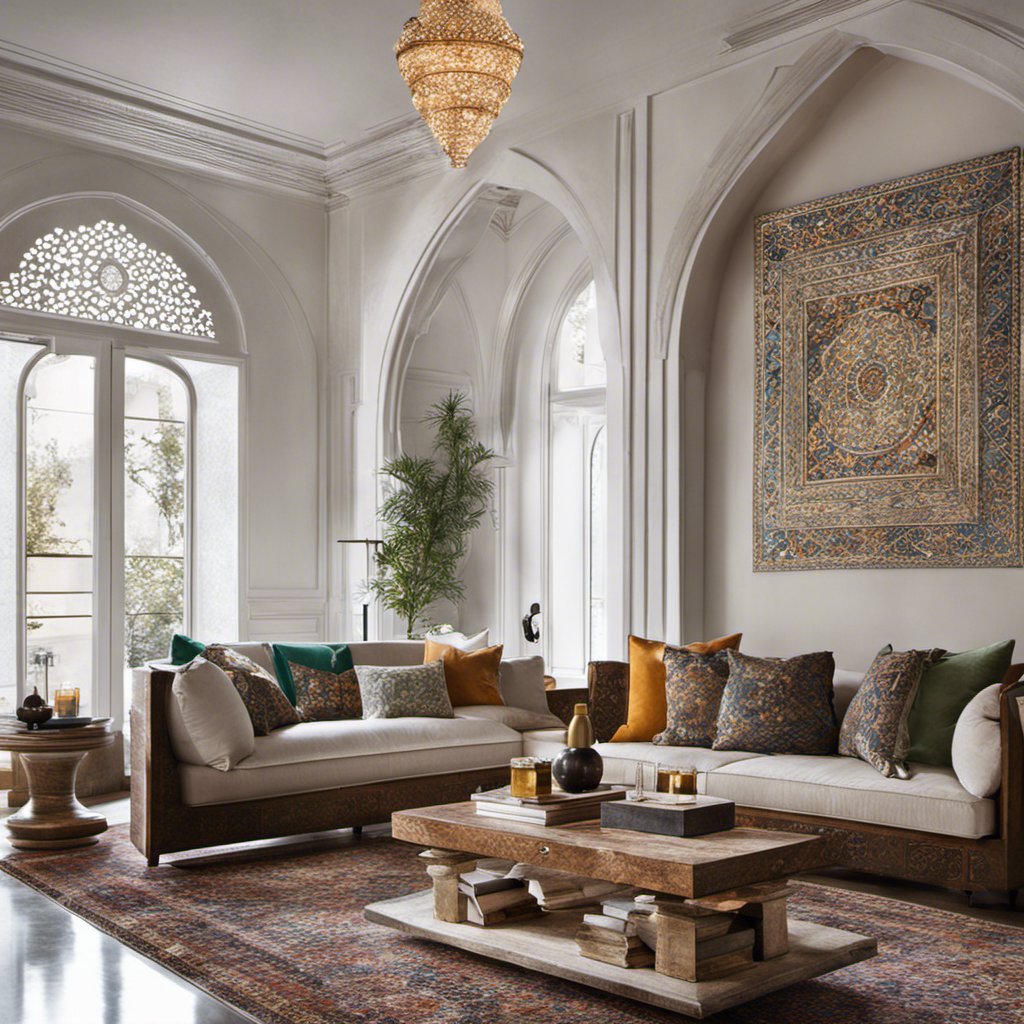
Furniture Highlights
Moroccan-style furniture impresses with its elegance, luxury, and refinement. It perfectly marries elements of Arabic and African design to create a unique and sophisticated interior.
One of the key features of Moroccan furniture is its handcrafted nature. Artisans dedicate special attention to each piece, adorning it with intricate carvings, patterns, and geometric shapes. Every detail and line is meticulously crafted, leaving a lasting impression.
Another distinctive characteristic of Moroccan furniture is the use of local materials. It can be crafted from woods such as cedar or ebony, lending the furniture both strength and allure. Additionally, bone or horn inlays may be employed to enhance elegance and sophistication.
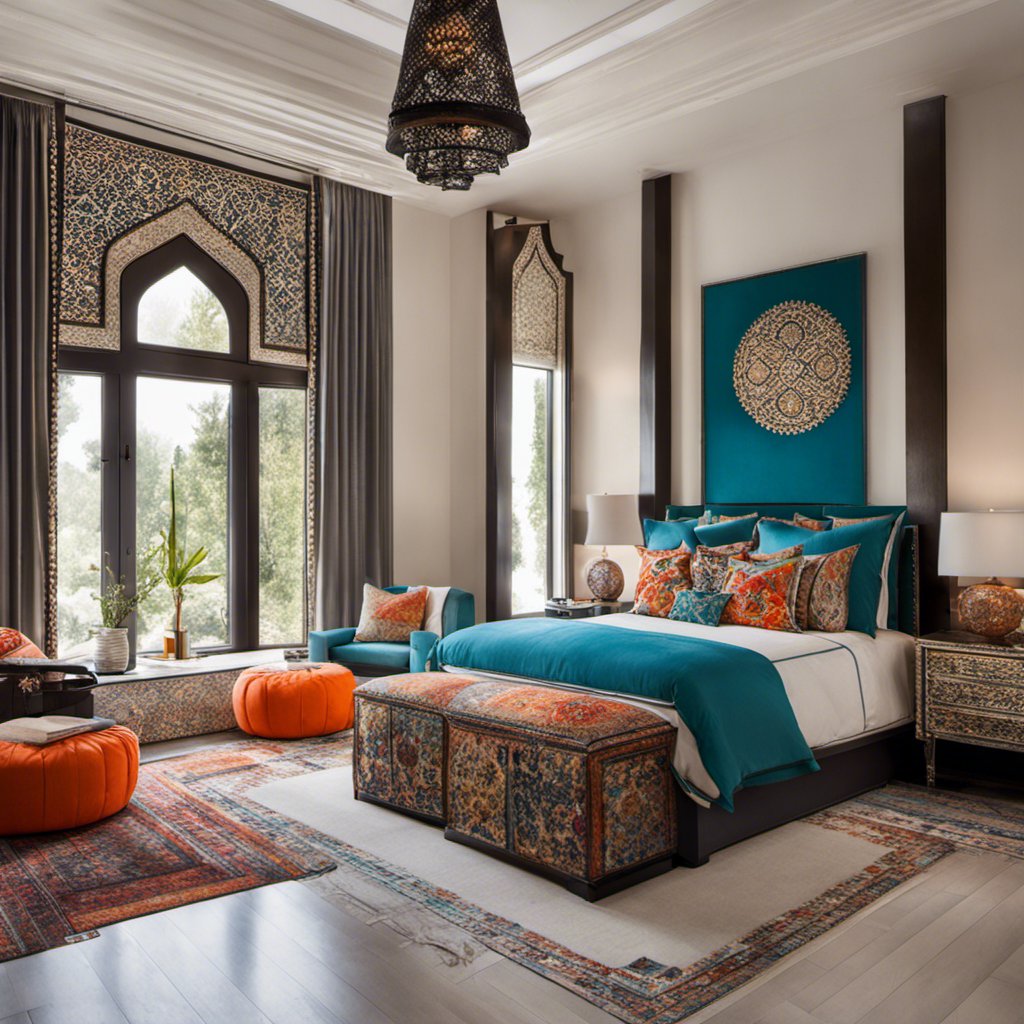
Moorish furniture comes with its own distinctive color palette. It can be crafted in rich, dark shades like chestnut, mahogany, or chocolate, lending a sense of luxury and elegance. You'll also find pieces in vibrant and lively colors such as blue, green, or purple, which add a unique charm and warmth to any space.
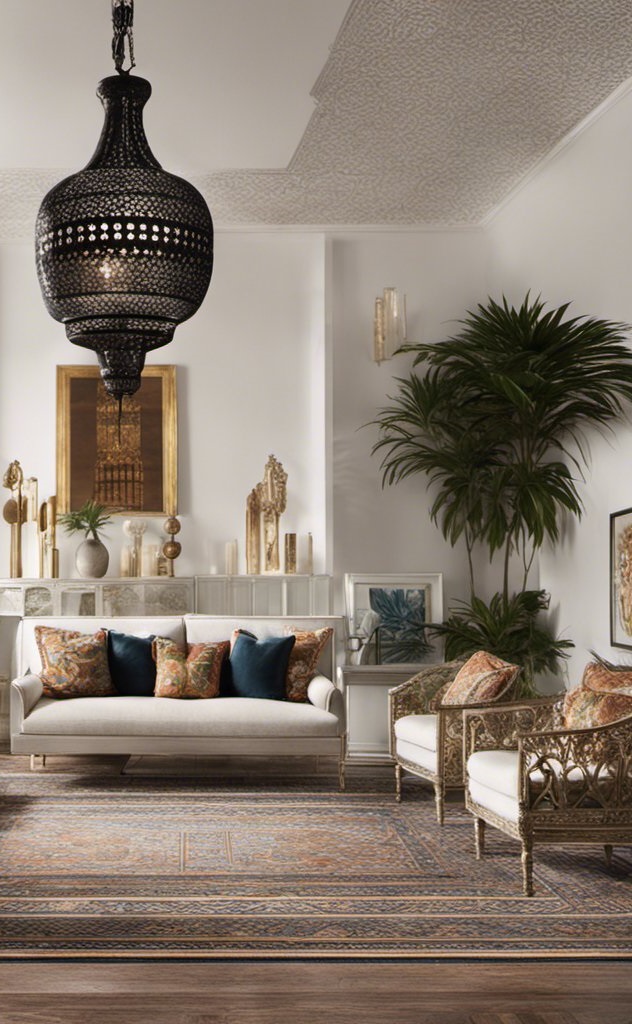
The shapes of Moorish furniture are very unique and elegant. These pieces often feature graceful curves, ornate carved details, and geometric forms. Together, these elements contribute to a sense of lightness and refinement, making the furniture truly magnificent and captivating.
Furniture in the Moorish style is characterized by its richness and opulence, creating a cozy and exotic atmosphere in any interior. This furniture transforms an ordinary room into a true architectural masterpiece, one that will amaze and inspire everyone who sees it.
Incorporating Moorish Style into Interior Design
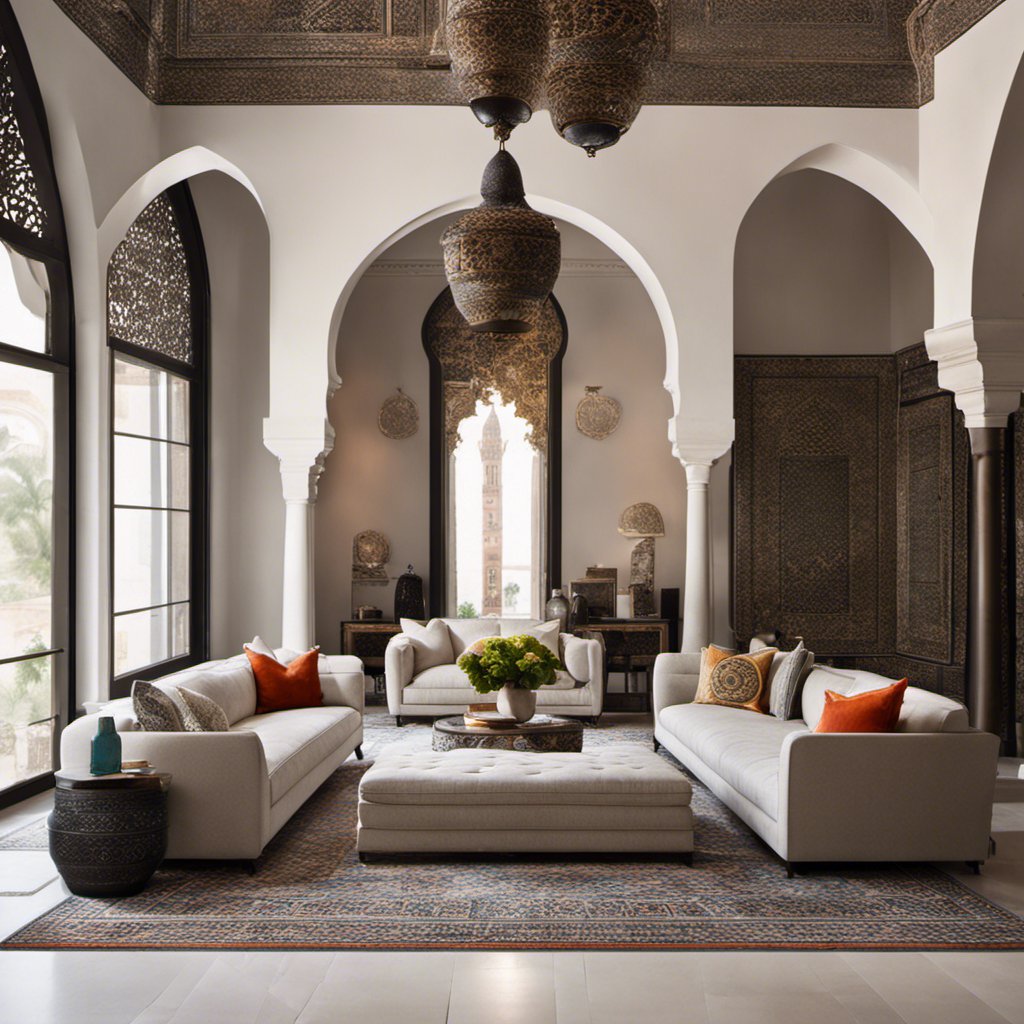
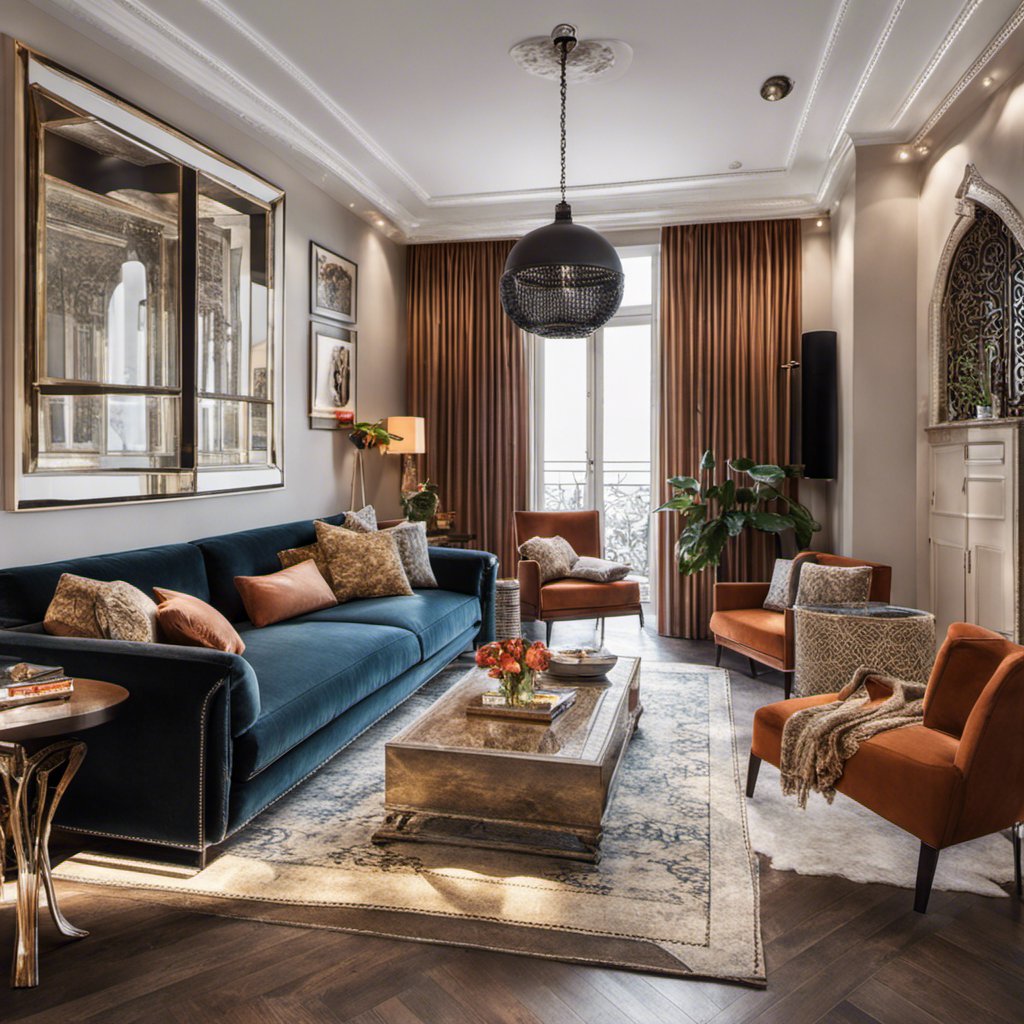
This unique approach allows you to infuse your home with luxury, mystery, and exotic flair. The style offers a splendid blend of elements from Arab and African cultures, creating a distinctive atmosphere and adding a special charm to the interior.
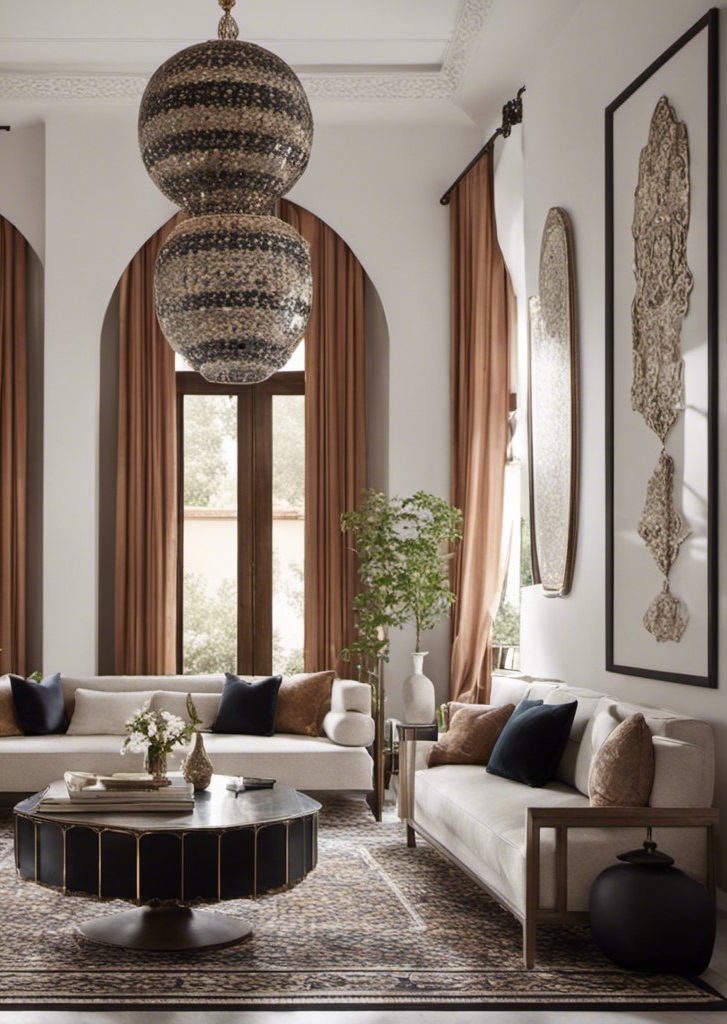
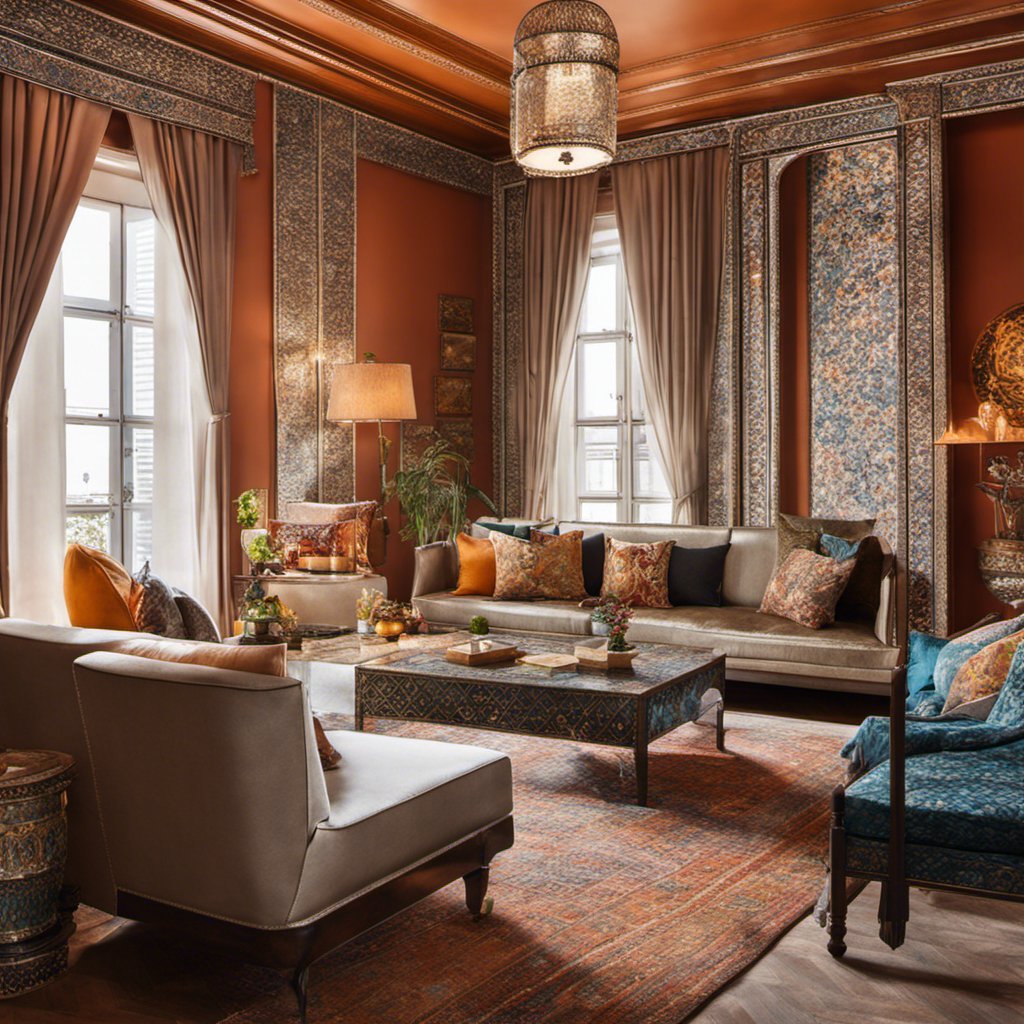
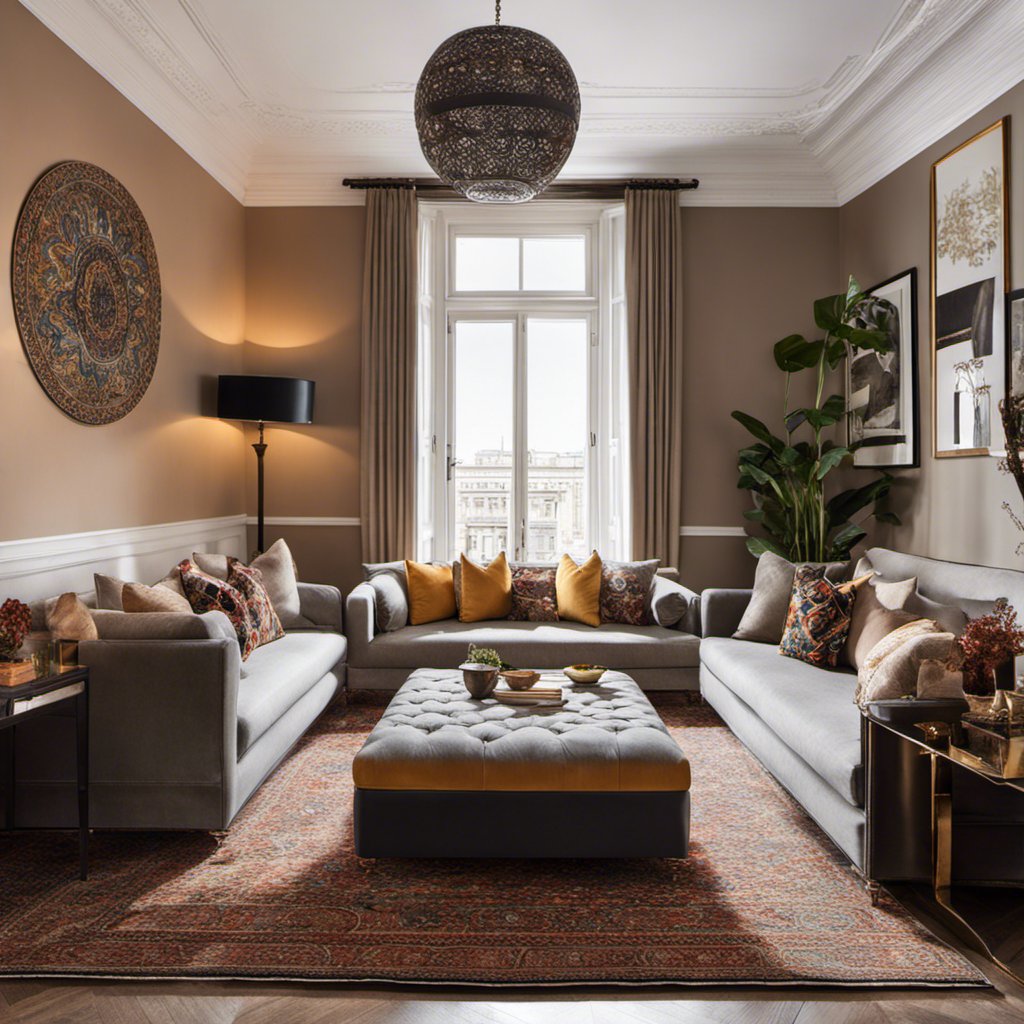
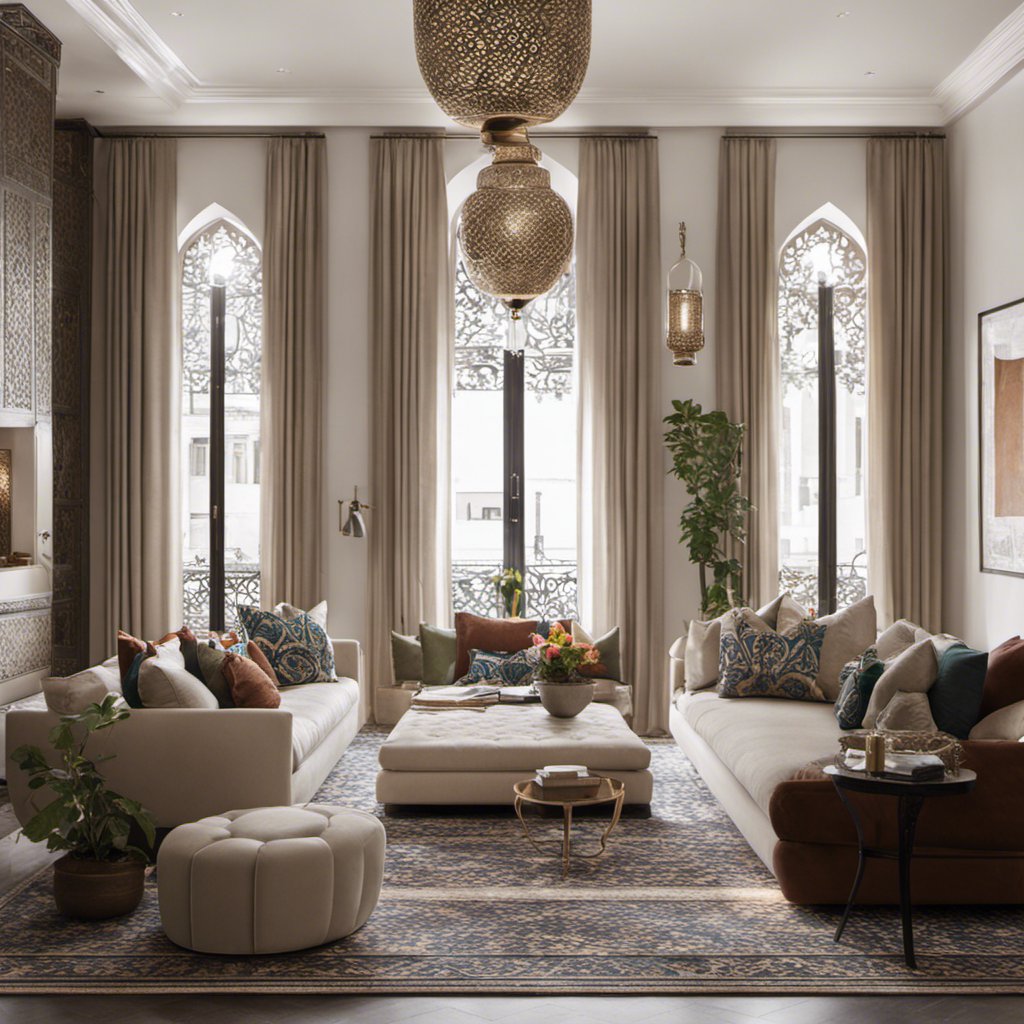
One of the main advantages of this style is its ability to turn any room into a true paradise for the eyes and soul. By using warm and rich color schemes such as shades of red, brown, and gold, you can create a cozy and comfortable interior. Additionally, soft and gentle hues like beige and ivory add charm and elegance.
Conclusion
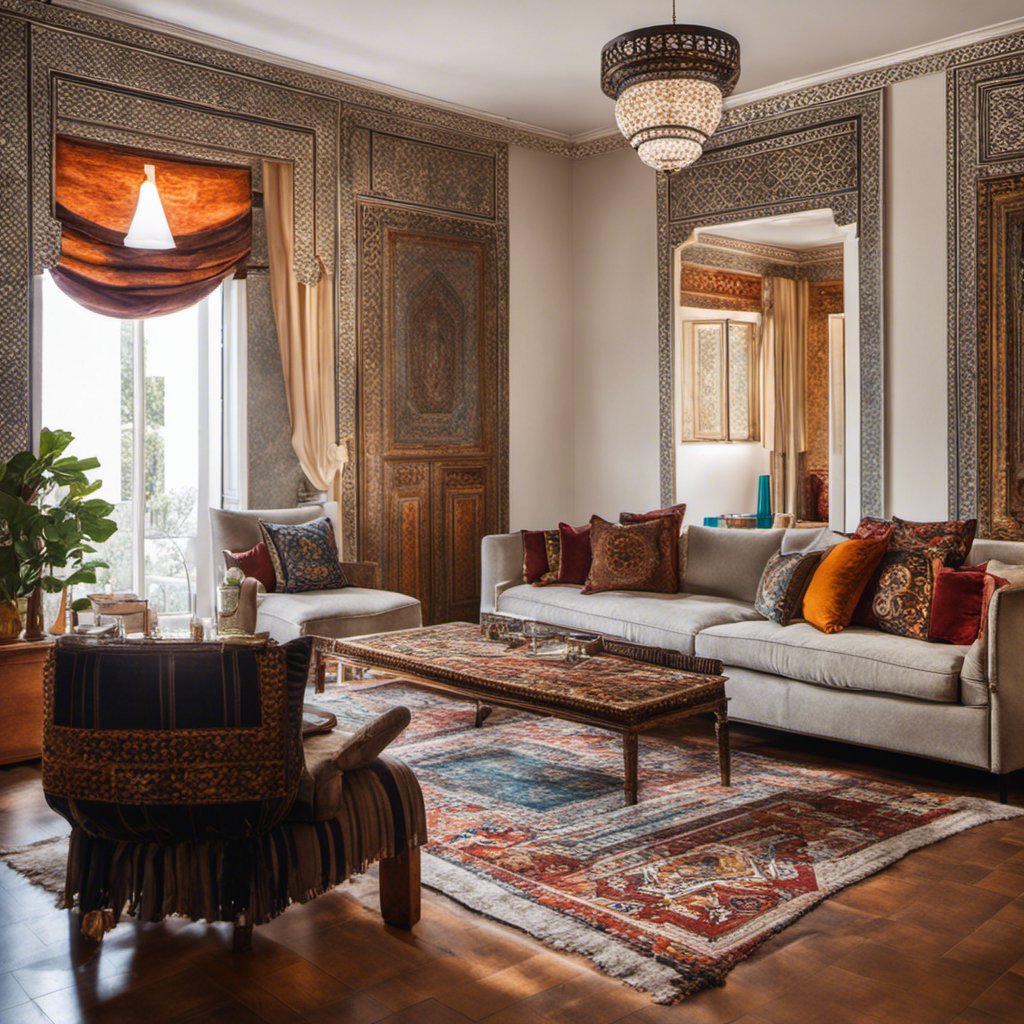
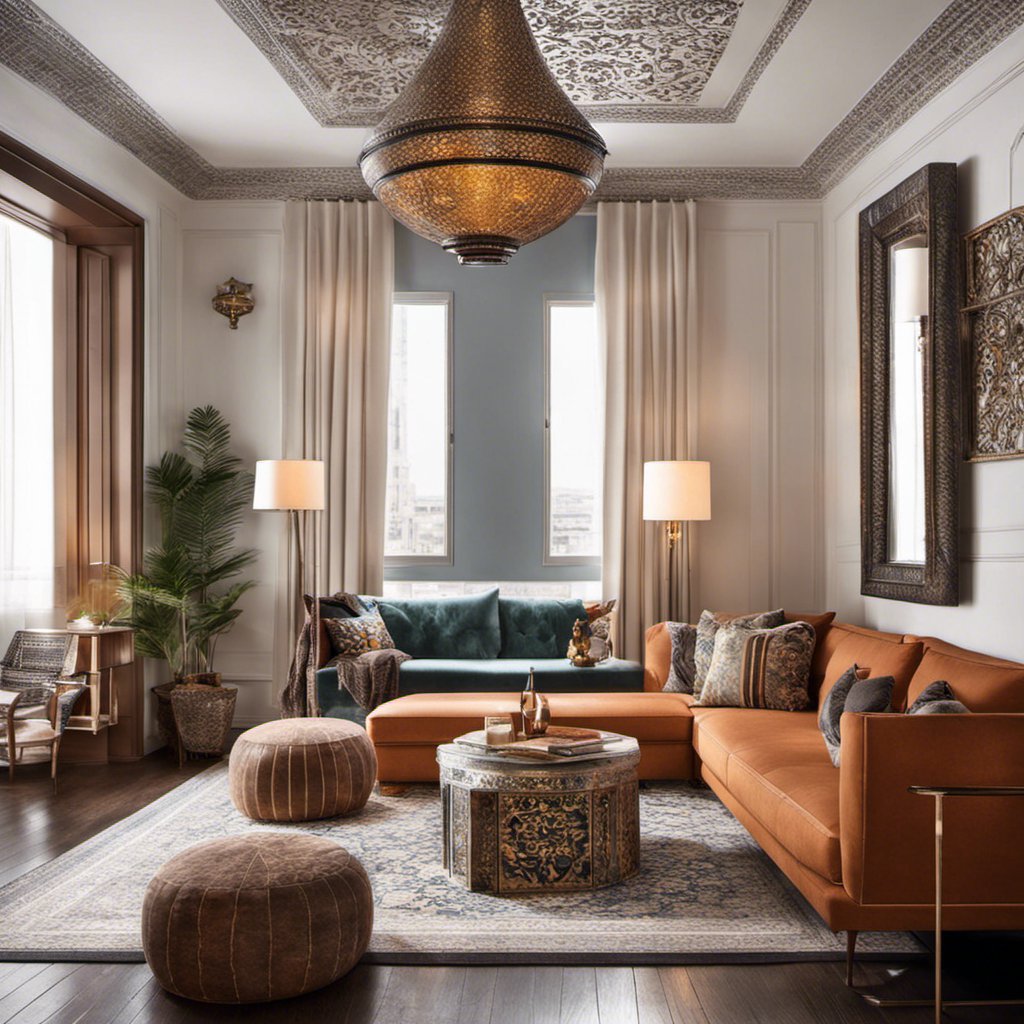
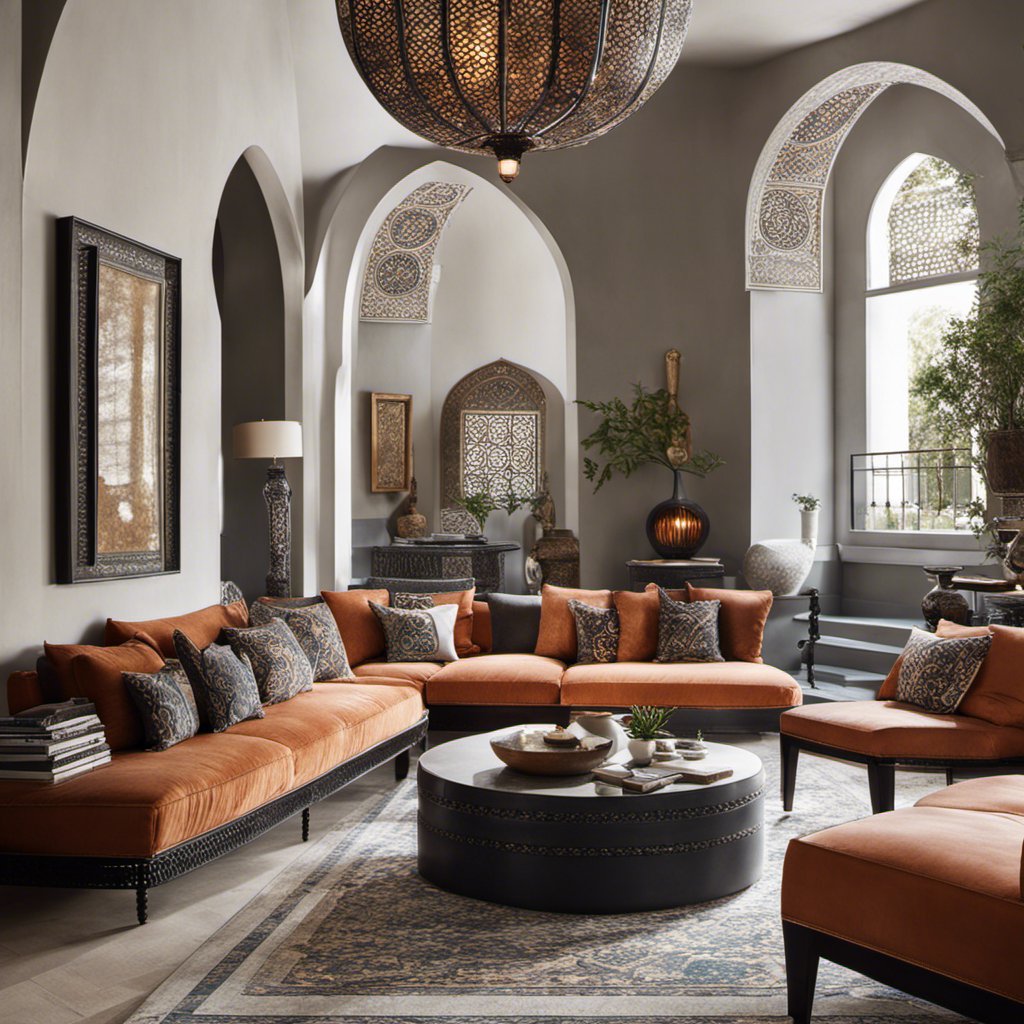
Furniture often features intricate geometric shapes and carved patterns symbolizing wealth and abundance. The use of delicate and graceful details like curves and rounded edges creates a sense of lightness and airiness. Additionally, various decorative elements such as carpets, pillows, and embroidered curtains add a special charm to the interior, allowing for the expression of individuality and style.
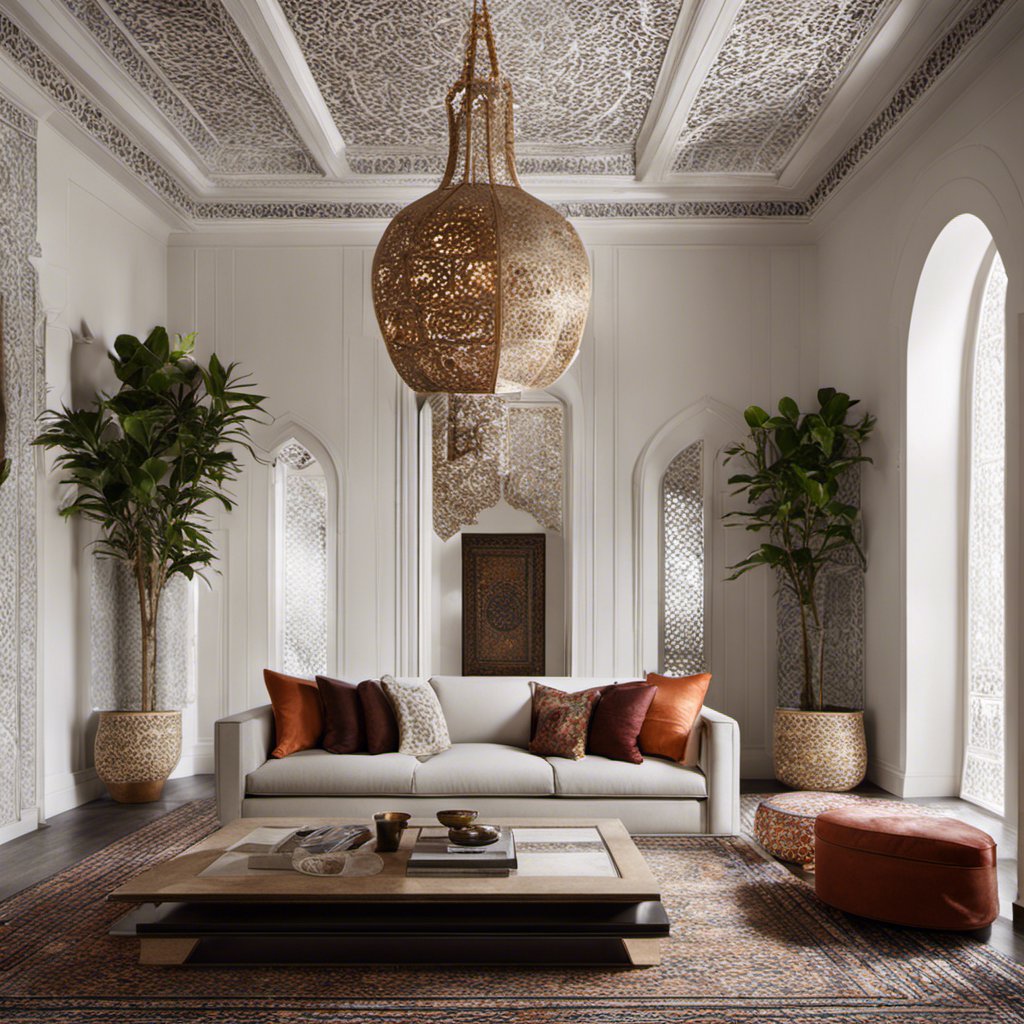
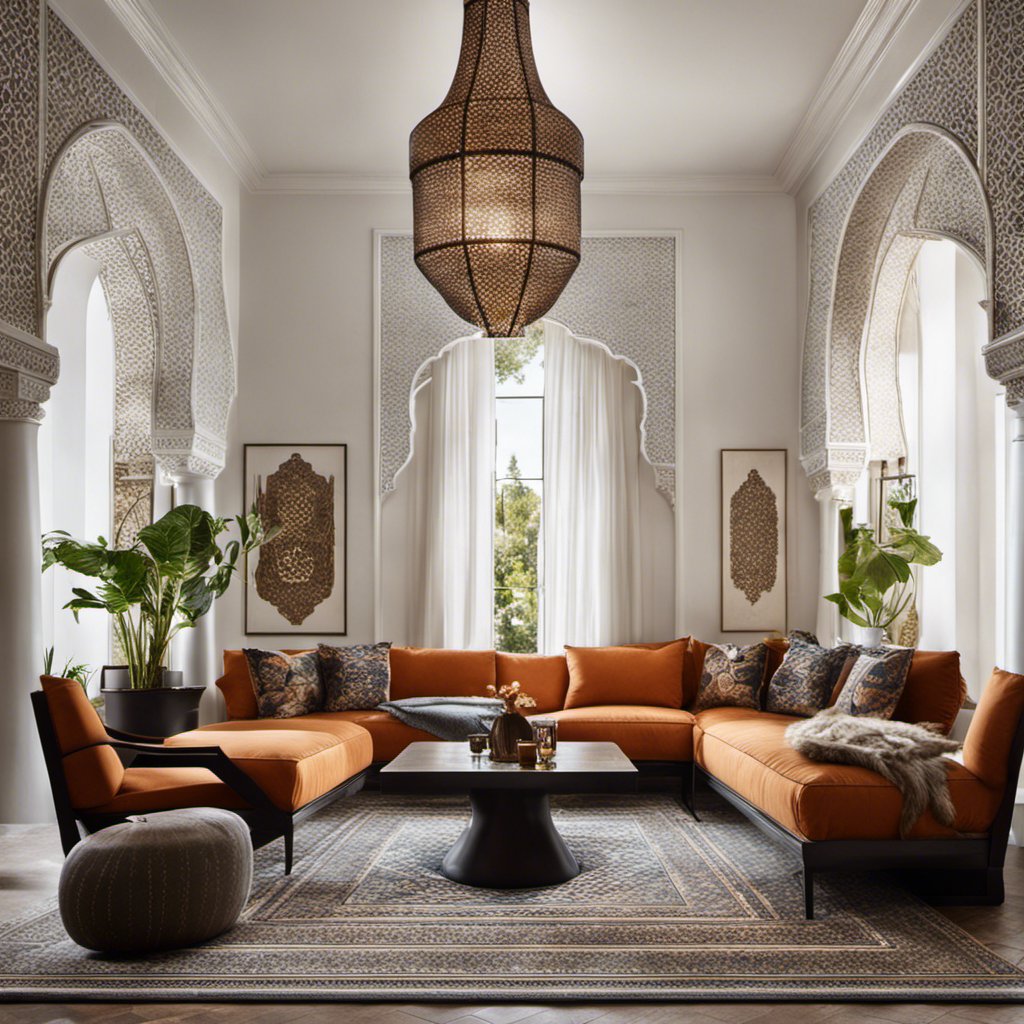
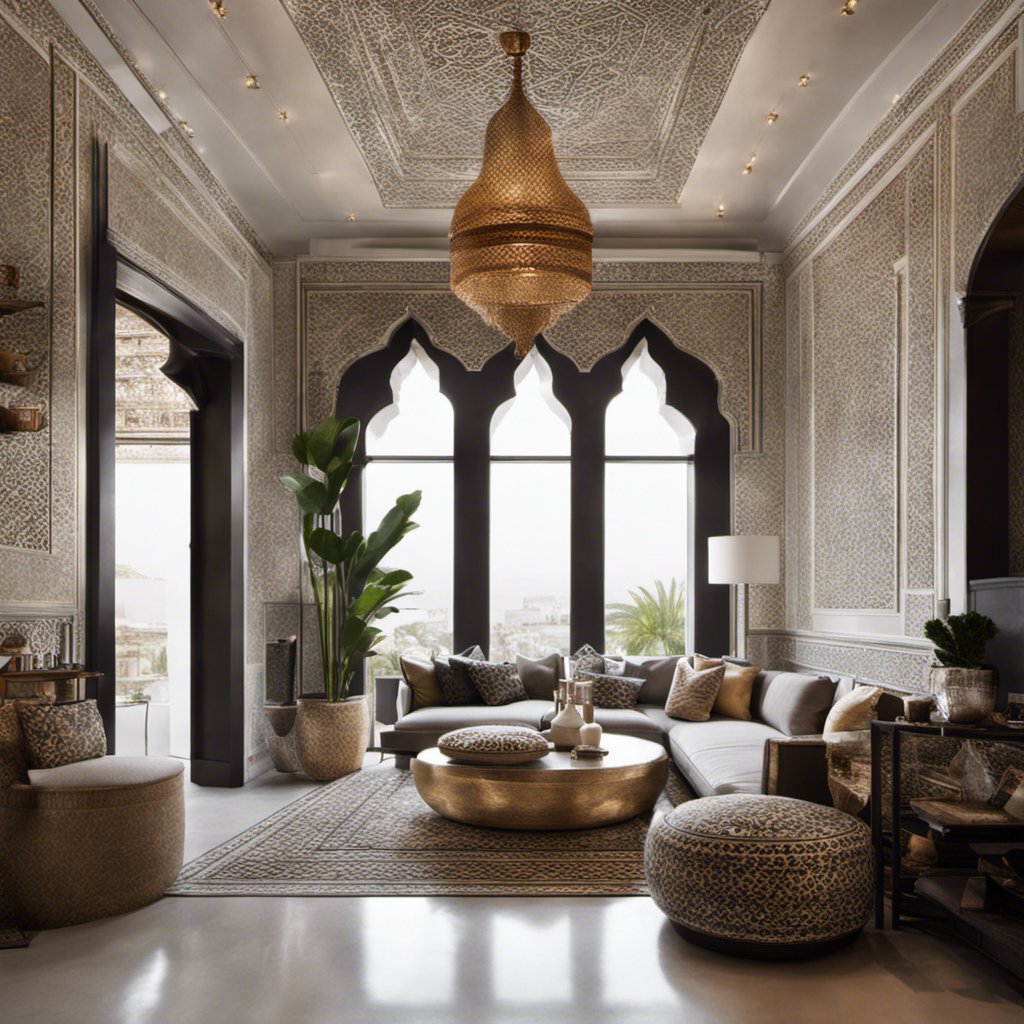
Lighting also plays a crucial role. The use of soft and gentle light creates a warm and cozy atmosphere imbued with mystery. Light fixtures and chandeliers designed as forged hoops and droplets, adorned with crystals or glass inserts, bring exceptional elegance and luxury.
The Moorish style in interior design also recommends using natural materials like wood, stone, and artificial rattan. These materials add a touch of nature and a feeling of connectedness to the outdoors.
Overall, this style offers a unique opportunity to create a cozy and romantic space filled with enigma and mystery. It is ideal for those who wish to immerse themselves in an atmosphere of nobility and sophistication, feeling the energy and magic of both Arabic and African worlds.
Conclusion
Moorish style is an intriguing and unique design that can be applied to any interior. It combines elements of traditional African design with aspects of Arab culture. This style fits perfectly into any interior, creating an unparalleled atmosphere of comfort and warmth.