The Philosophy of Color in Interior Design: A Designer's Perspective
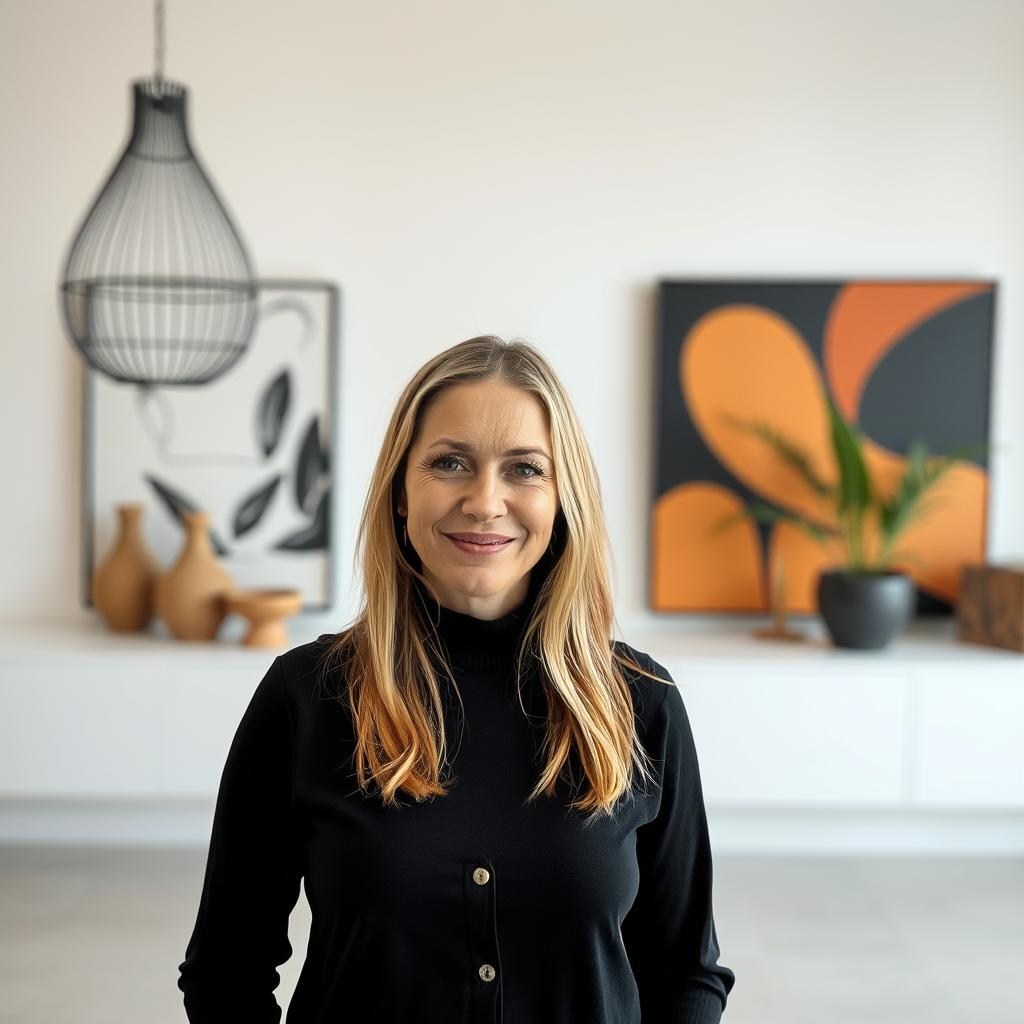
As an interior designer, I am constantly amazed by the power of color and its ability to transform a space. Color is not just about aesthetics; it is a form of communication, a way to express ourselves, and a tool to create a specific atmosphere. Today, I want to share my thoughts on color as a philosophy in interior design.
Color has been a fascination for humans since the beginning of time. From ancient cave paintings to modern-day art installations, color has always played a significant role in our lives. In interior design, color is used to create a visual impact, evoke emotions, and influence our perception of space. But how can we understand and appreciate the true power of color?
To grasp the philosophy of color, we must first understand its psychological and cultural implications. Different colors can evoke various emotions and memories, which can be both personal and universal. For instance, blue is often associated with calmness and tranquility, while red can stimulate excitement and passion. However, these associations can vary depending on cultural backgrounds and individual experiences.
In interior design, color is used to create a specific mood or atmosphere. When working with clients, I always ask about their lifestyle, preferences, and how they want to feel in their space. Based on their responses, I create a color palette that supports their desired atmosphere. For example, a serene bedroom might incorporate shades of blue and green, while a lively living room could feature bold pops of red or orange.
But color is not just about creating a mood; it also influences our perception of space. Light colors tend to make a room feel more spacious, while darker shades can create a cozier atmosphere. Additionally, warm colors like red, orange, and yellow can make a space feel more inviting and intimate, while cool colors like blue, green, and purple can create a sense of distance and openness.
When selecting colors for a project, I often look to nature for inspiration. The natural world offers a harmonious blend of colors that can serve as a perfect starting point for a color palette. By incorporating natural colors into a design, we can create a sense of balance and harmony that is both aesthetically pleasing and emotionally comforting.
However, it's essential to remember that there are no strict rules when it comes to color. The most important thing is to create a space that reflects the individuality of the people who live there. Don't be afraid to experiment with color and have fun with the creative process.
In conclusion, color is a powerful tool in interior design that can evoke emotions, influence perception, and create a specific atmosphere. By understanding the philosophy of color, we can use it to create harmonious and inspiring spaces that support the well-being of those who inhabit them. So go ahead, explore the world of color, and let your creativity shine!
Recommended Reading:
"The Imitation Game: How the Color of a Room Affects Your Mood" - Psychology Today
"The Psychology of Color" - WebFX
"Color Psychology: How Color Affects Us" - Vivid Grouting
p.s.
Why not let us help you bring your dream color palette to life? Our user-friendly online color selection tools make it easy and fun to find the perfect shades for your space. Simply upload a photo of your room or choose one of our templates, and let us guide you through the exciting world of color. Give it a try and unlock a world of possibilities for your home!