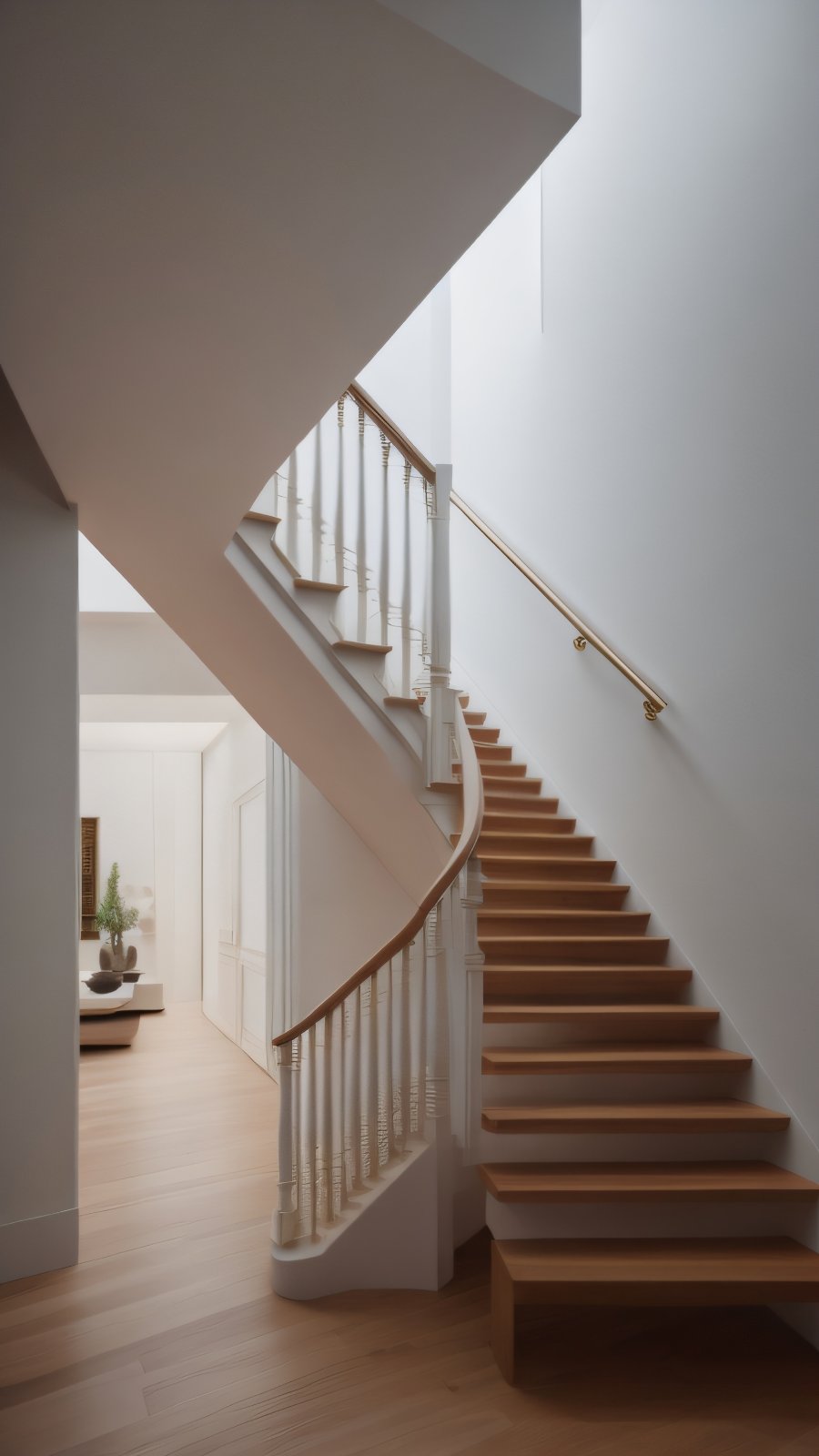
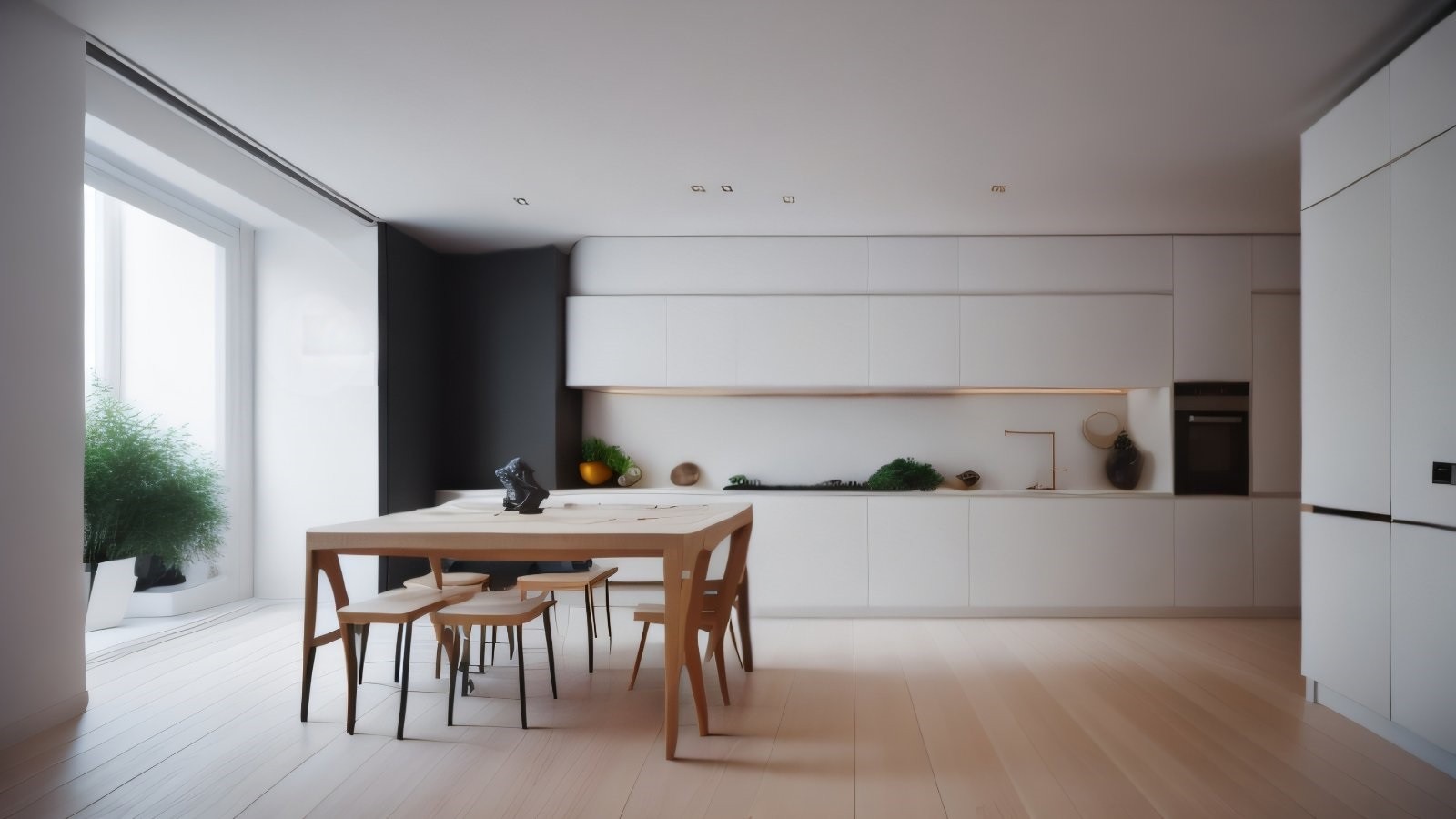
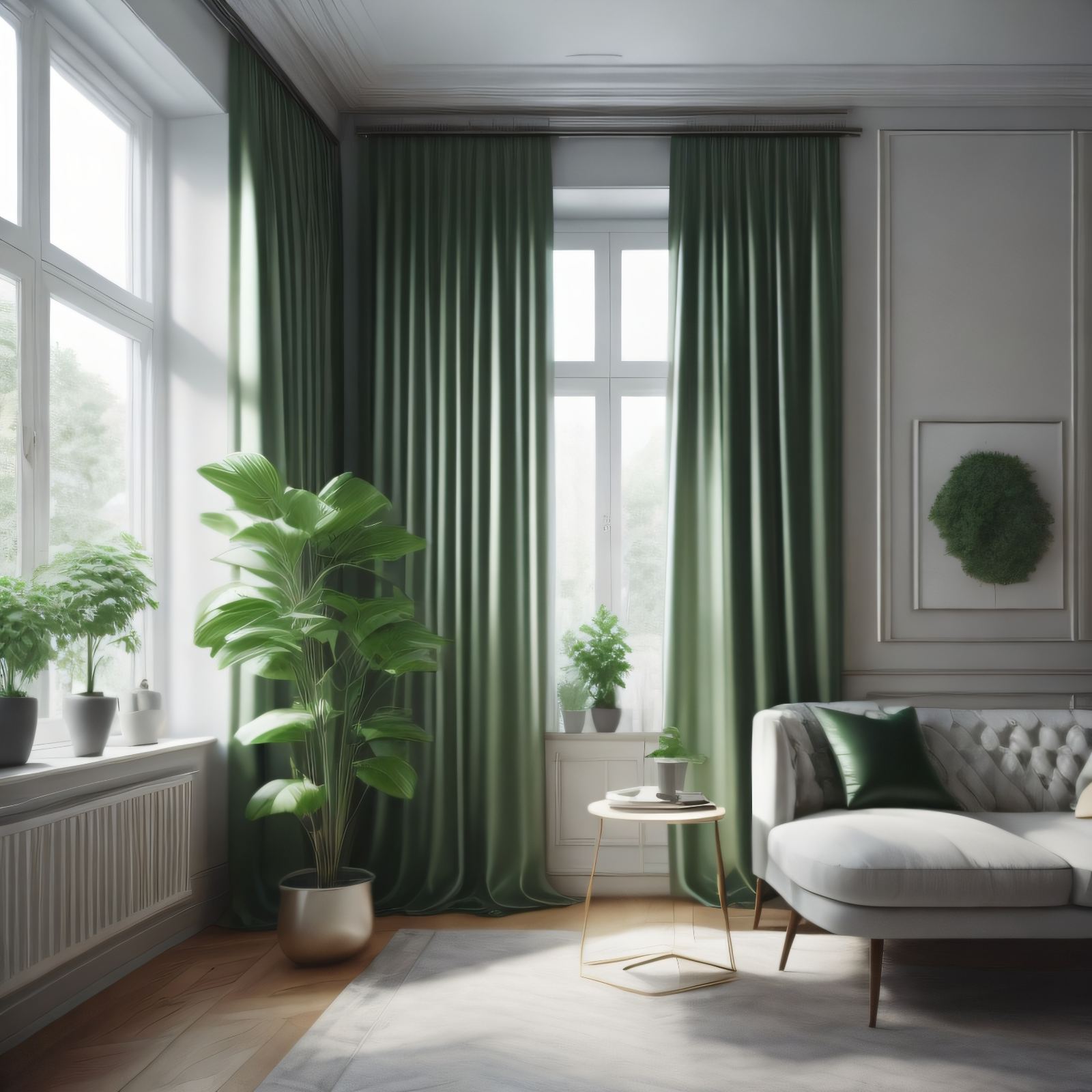
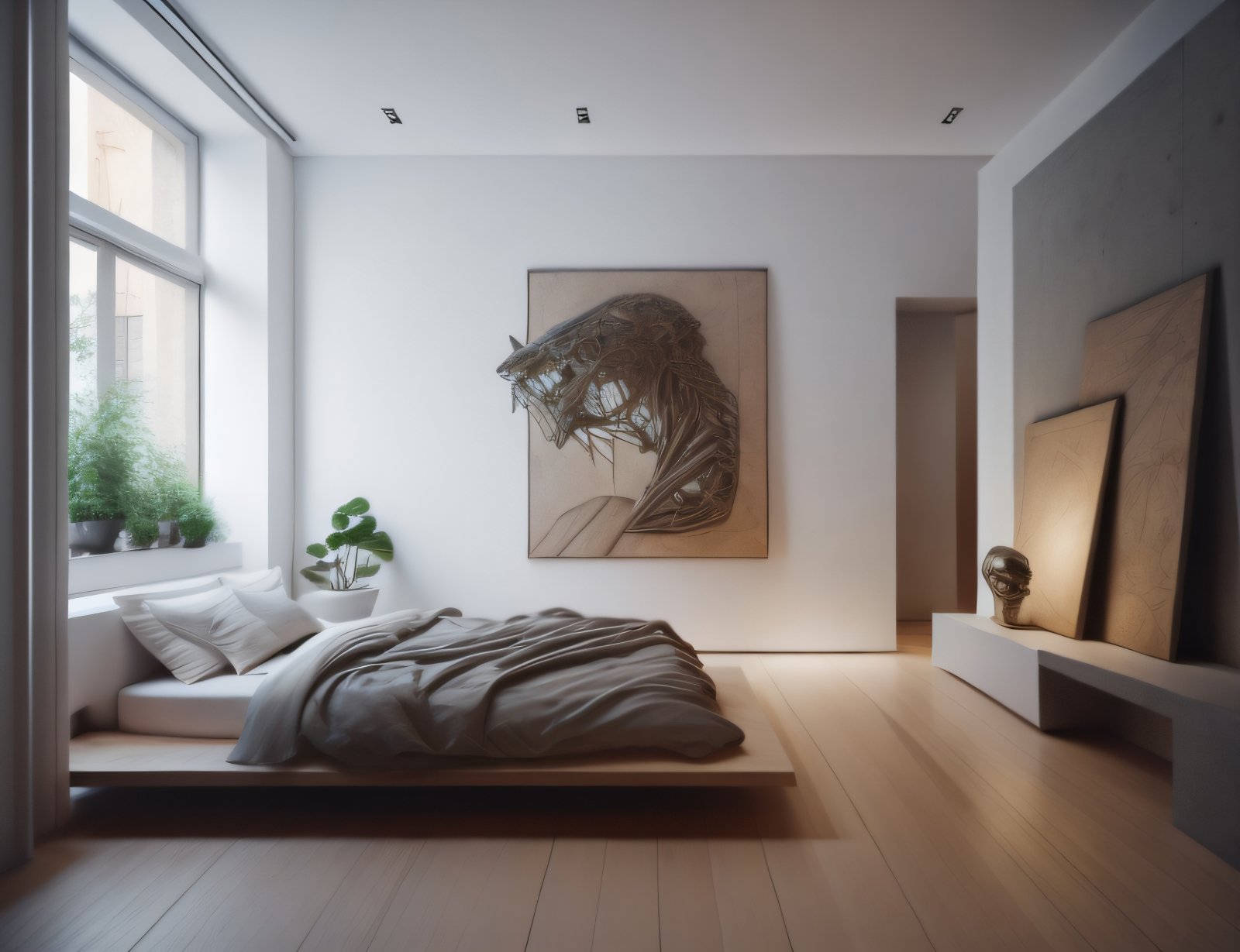
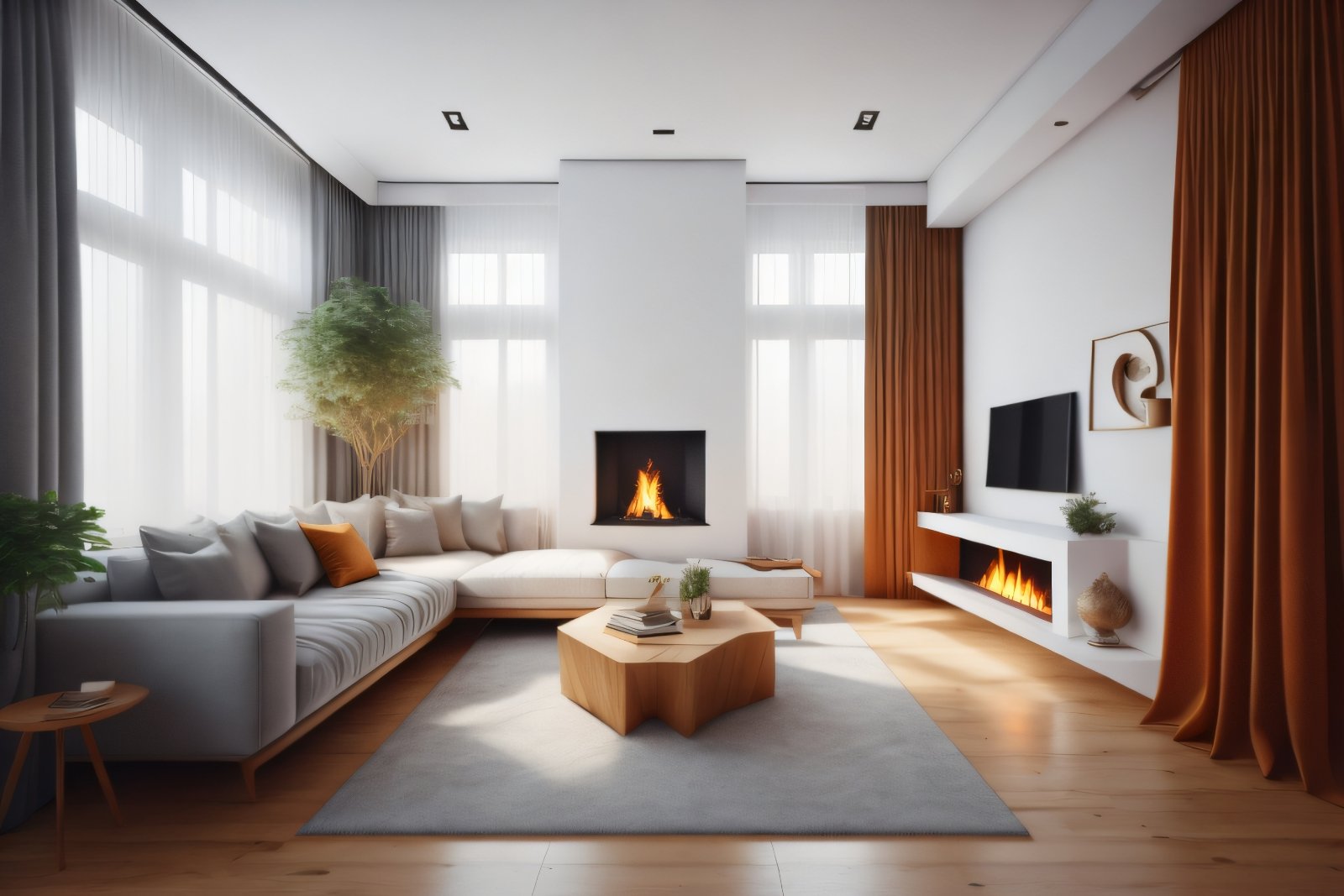
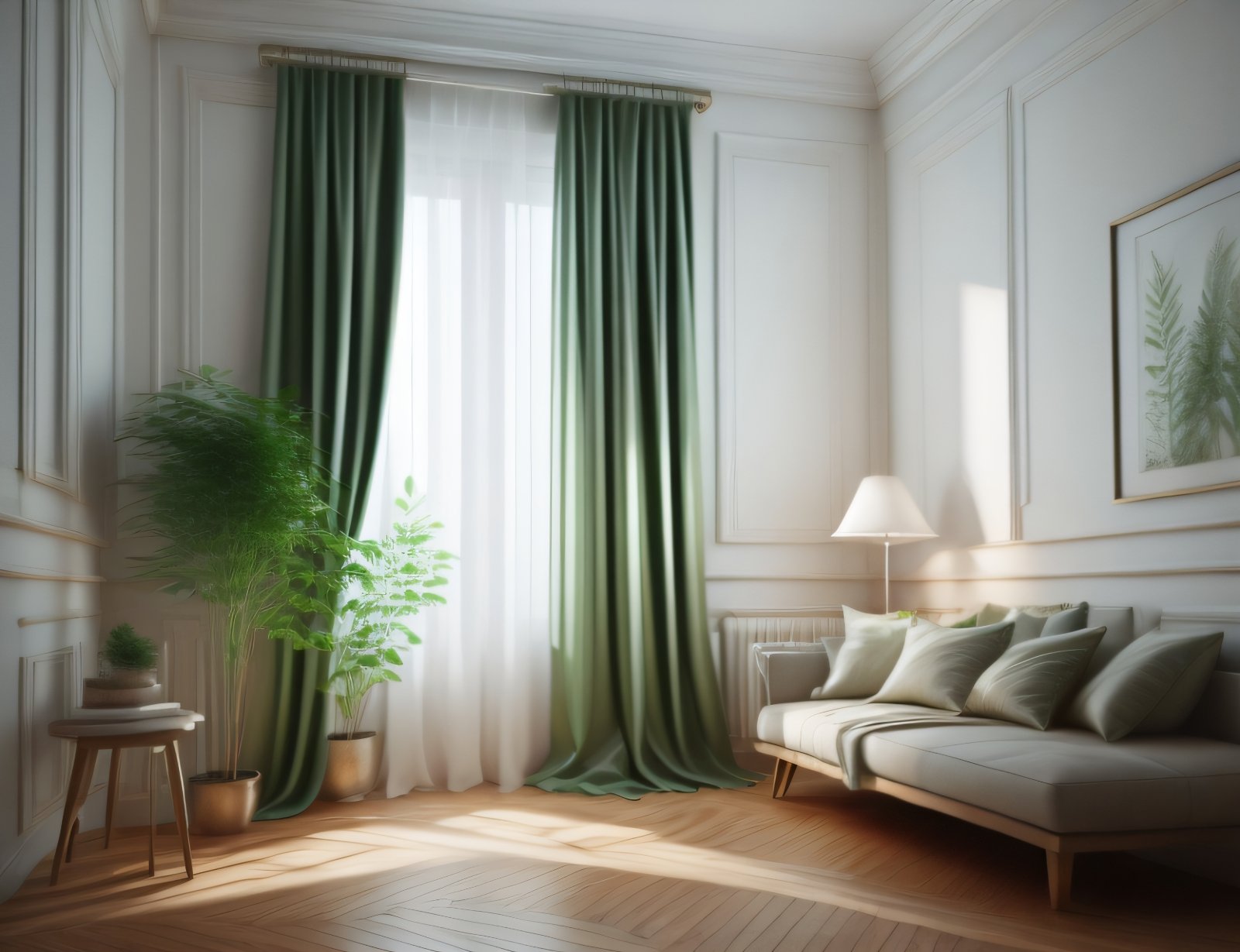
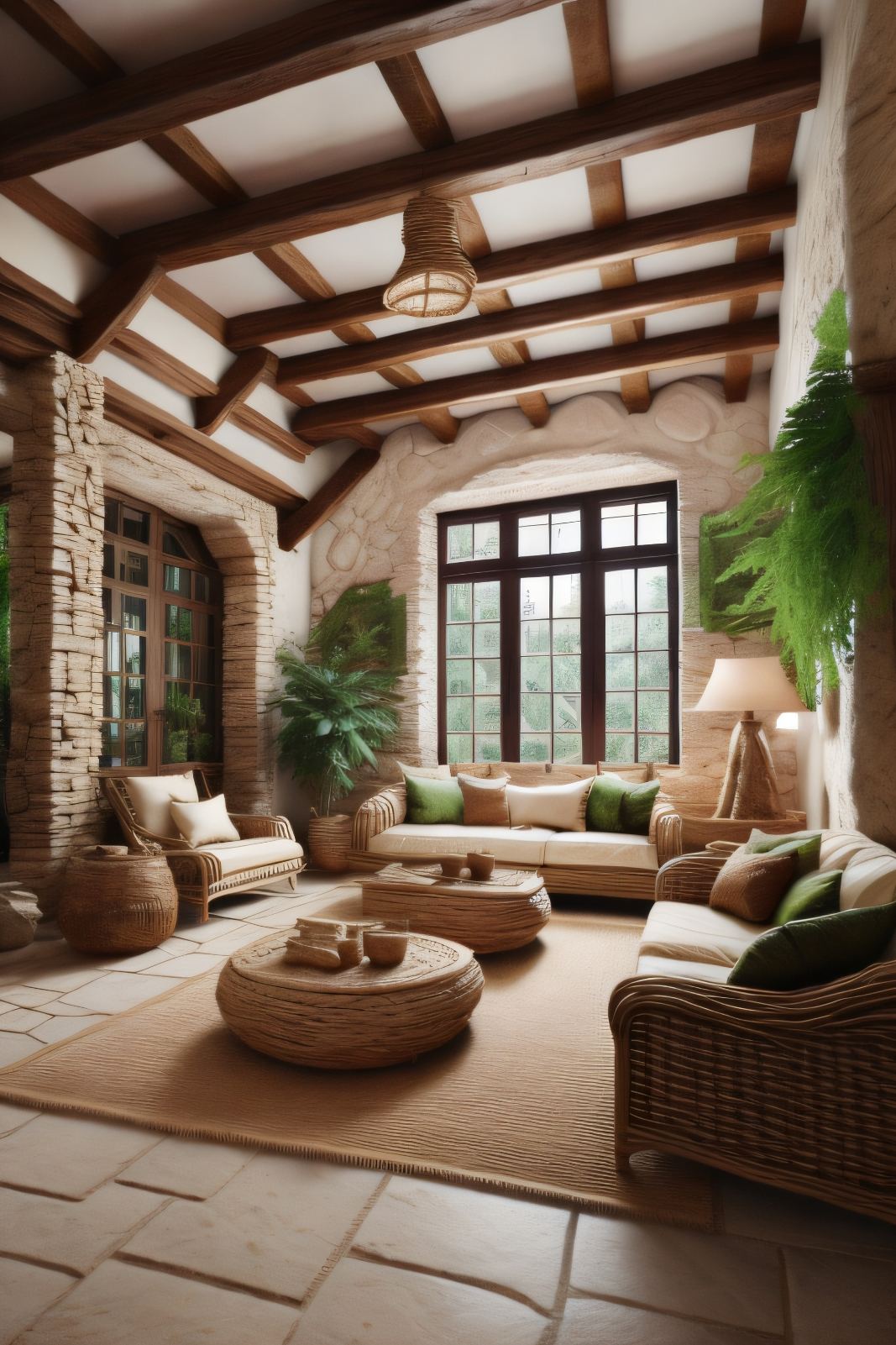
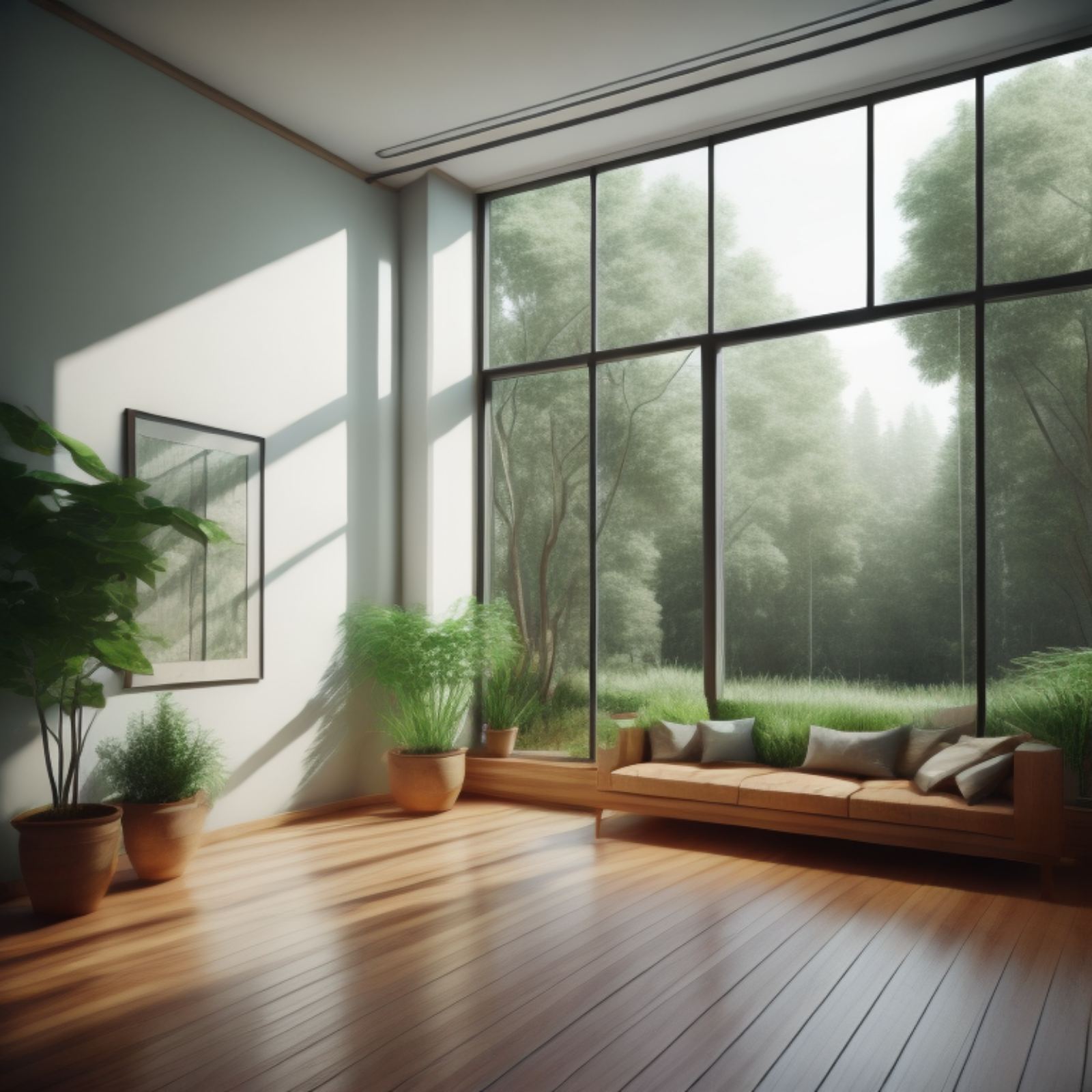
Eco-friendly Interior Design: Sustainable Solutions for Living Spaces
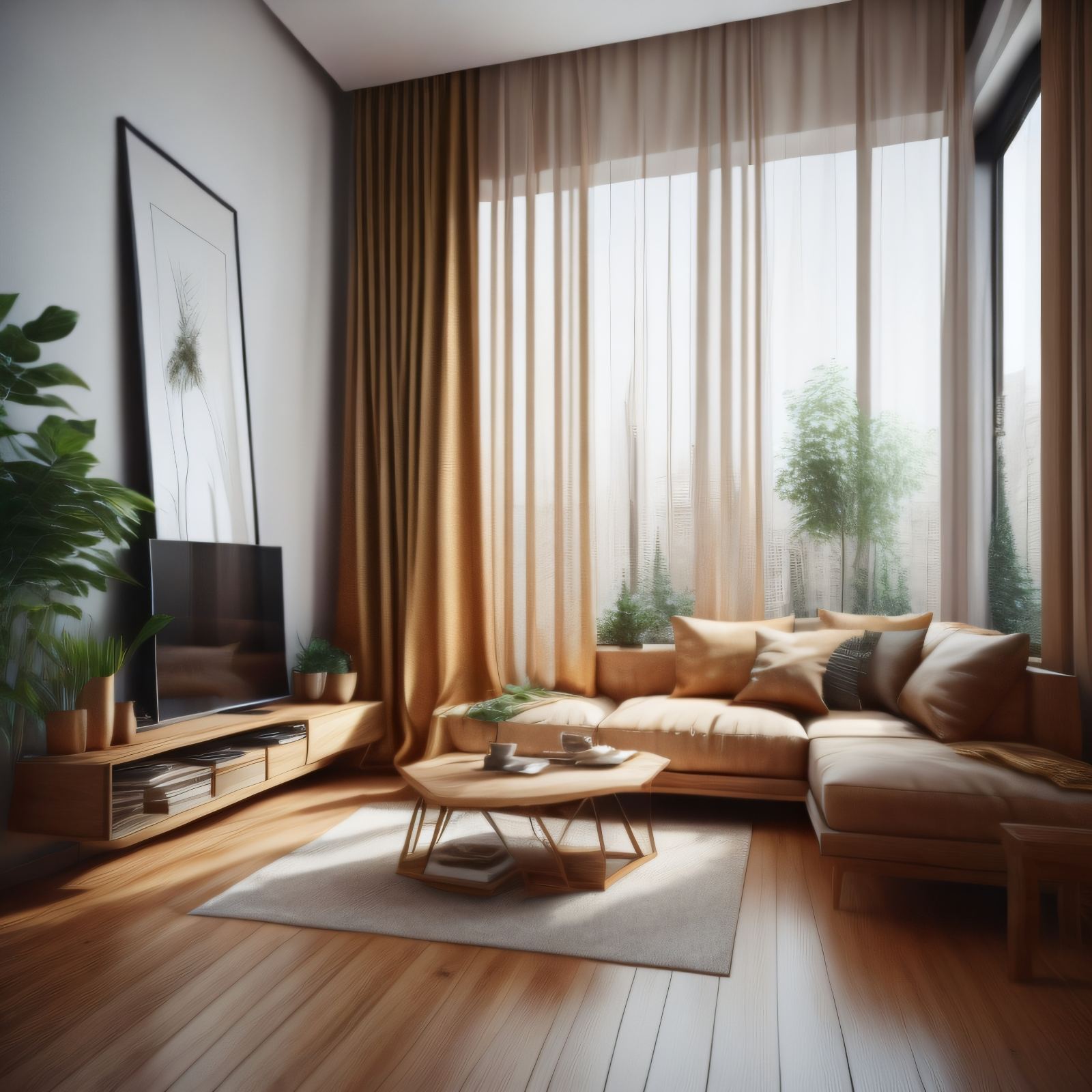
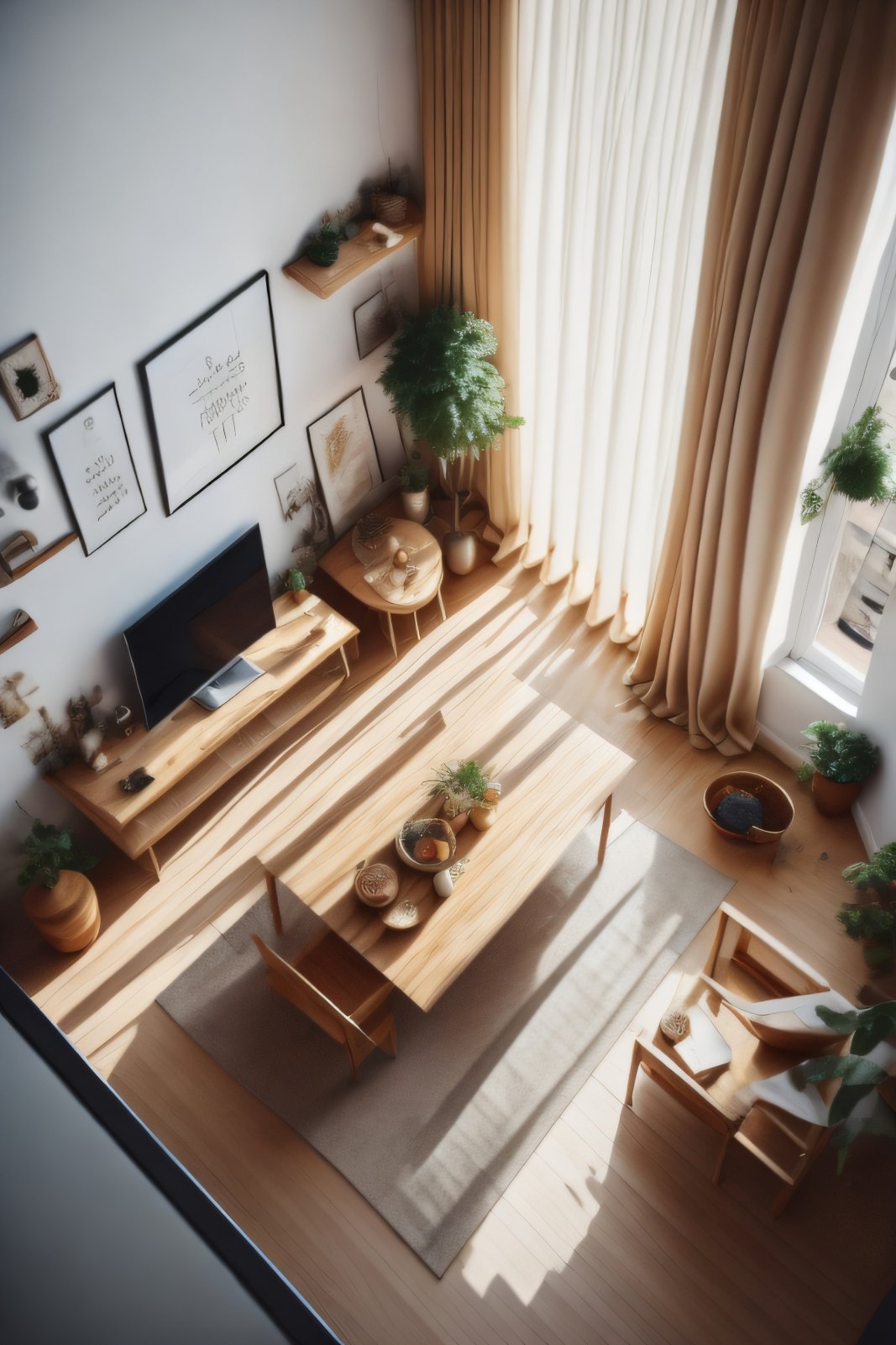
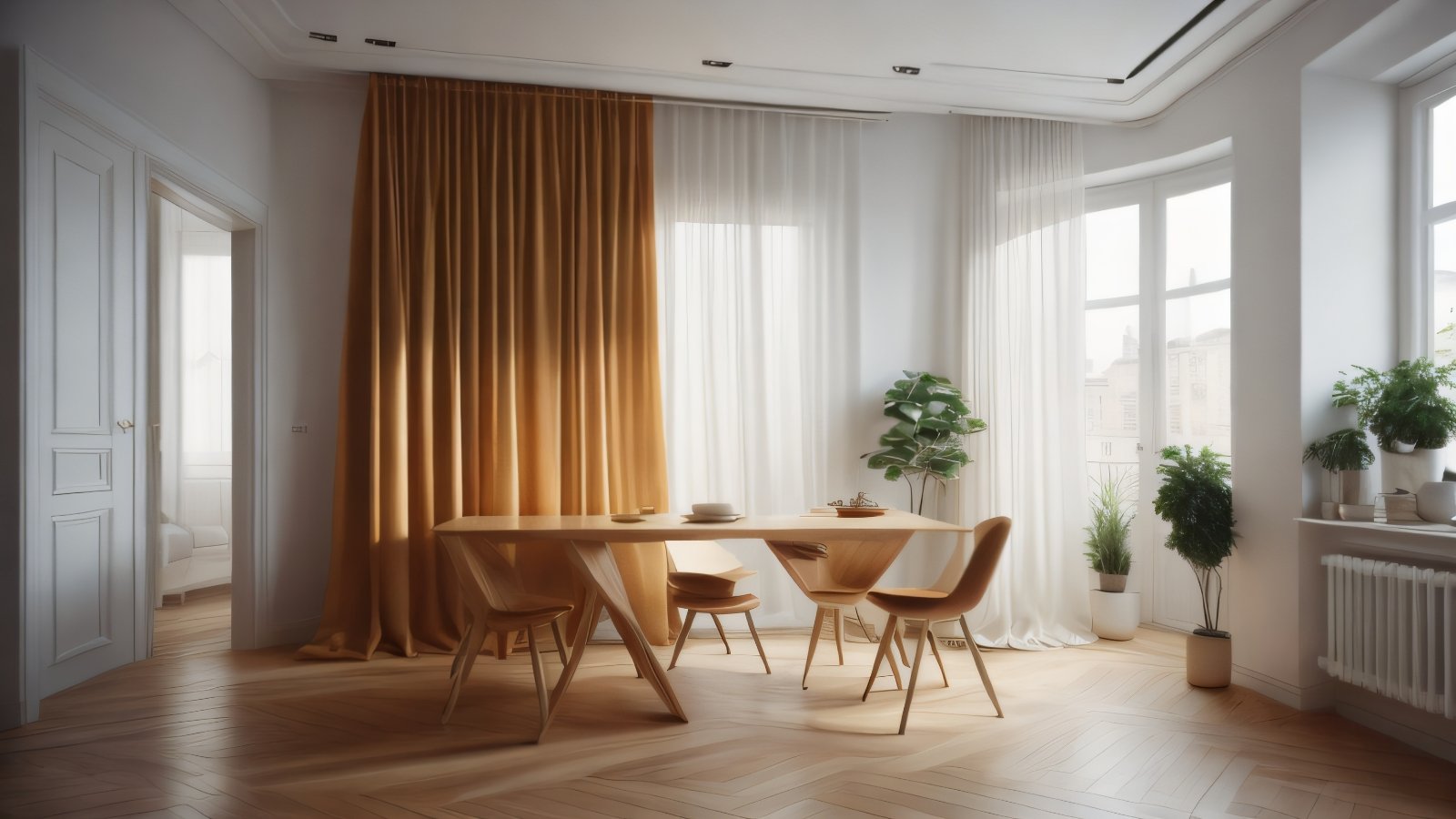
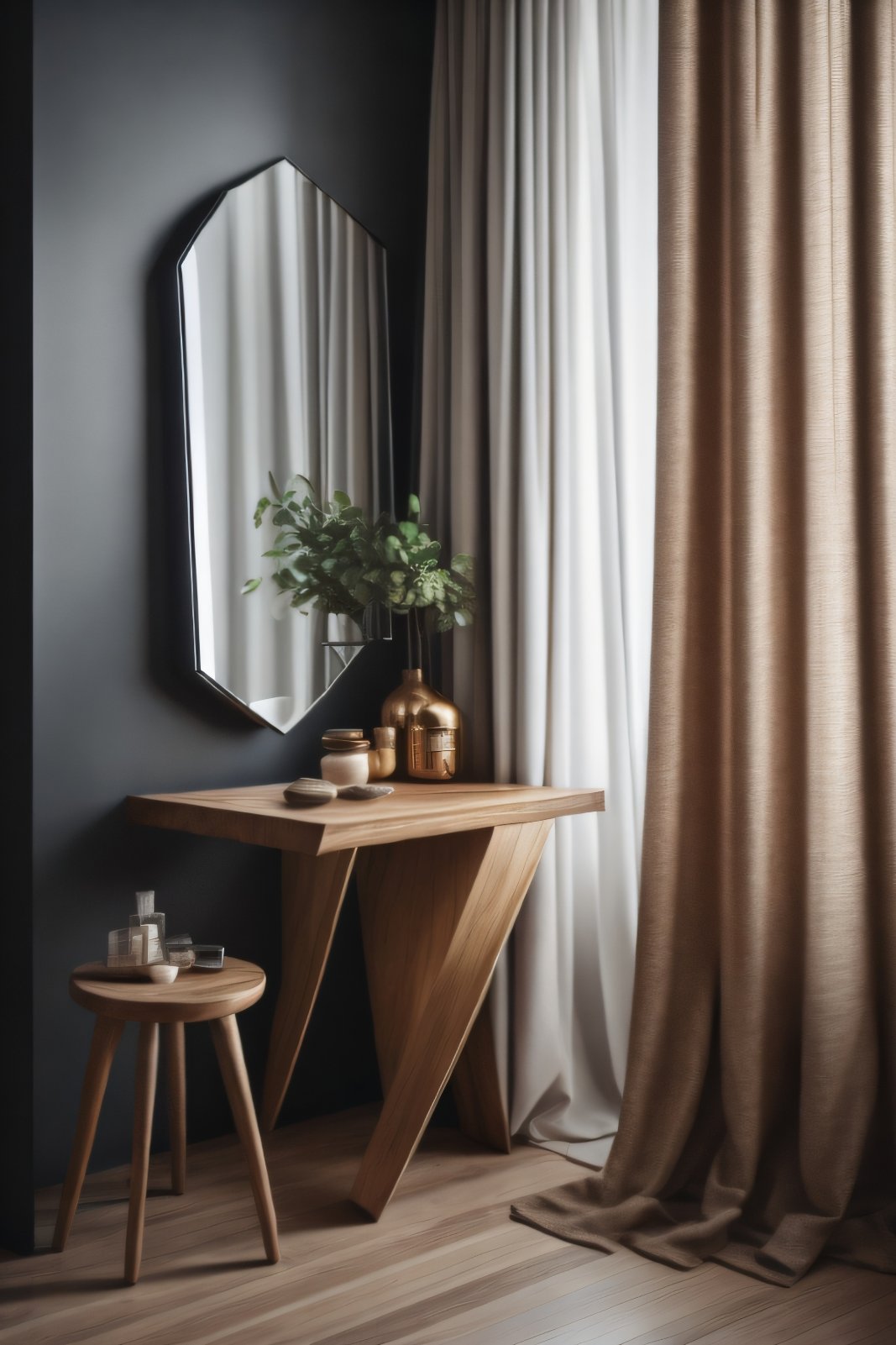
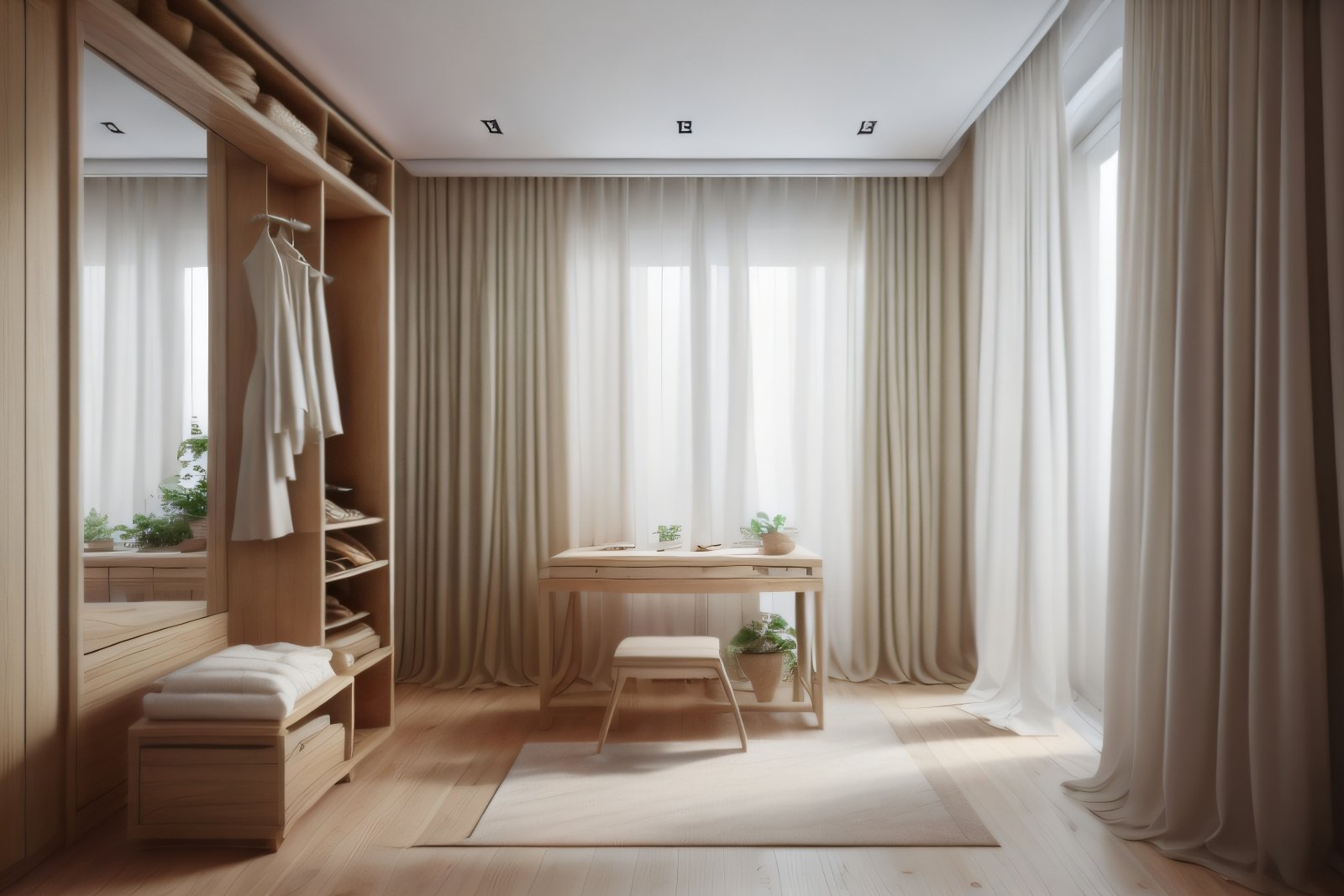
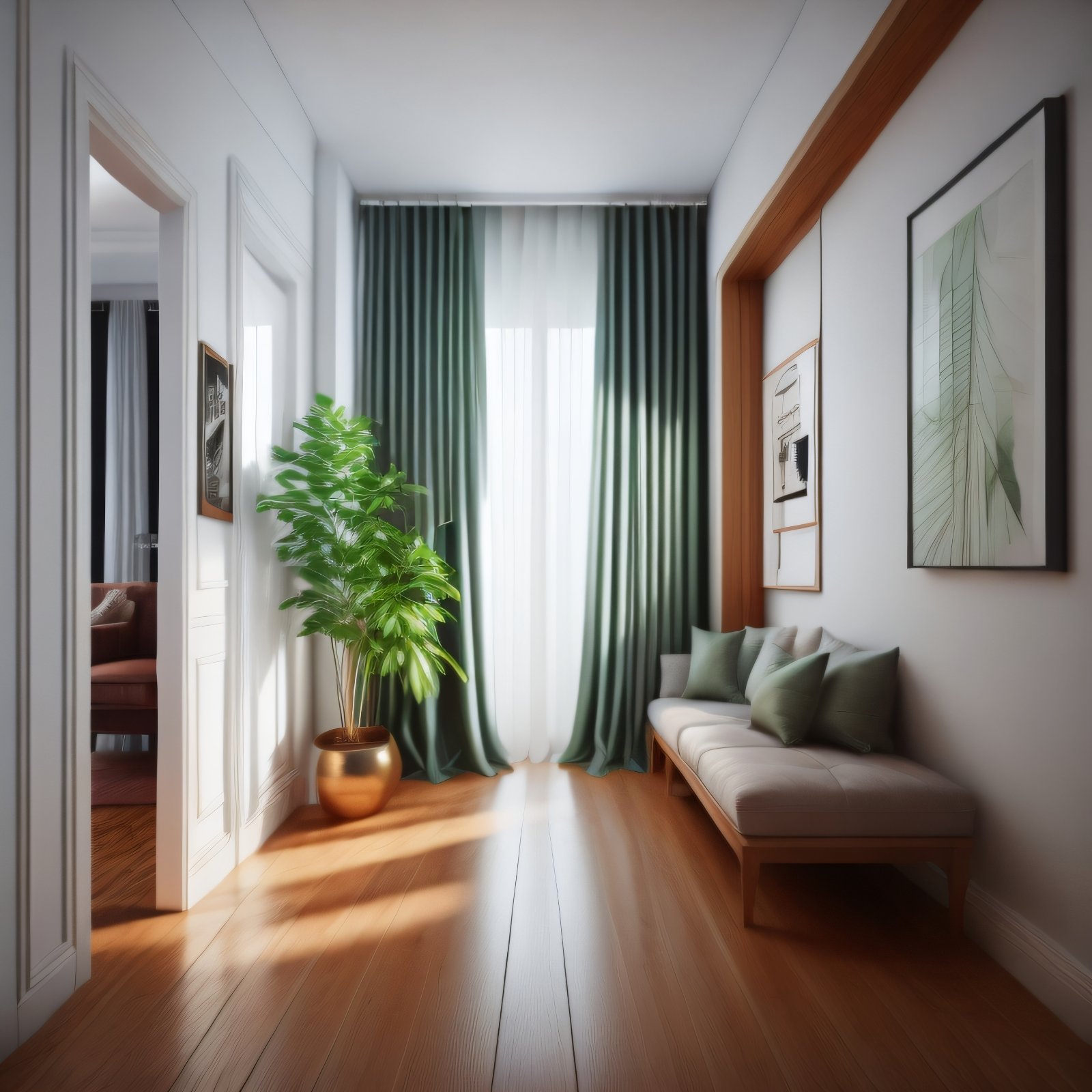
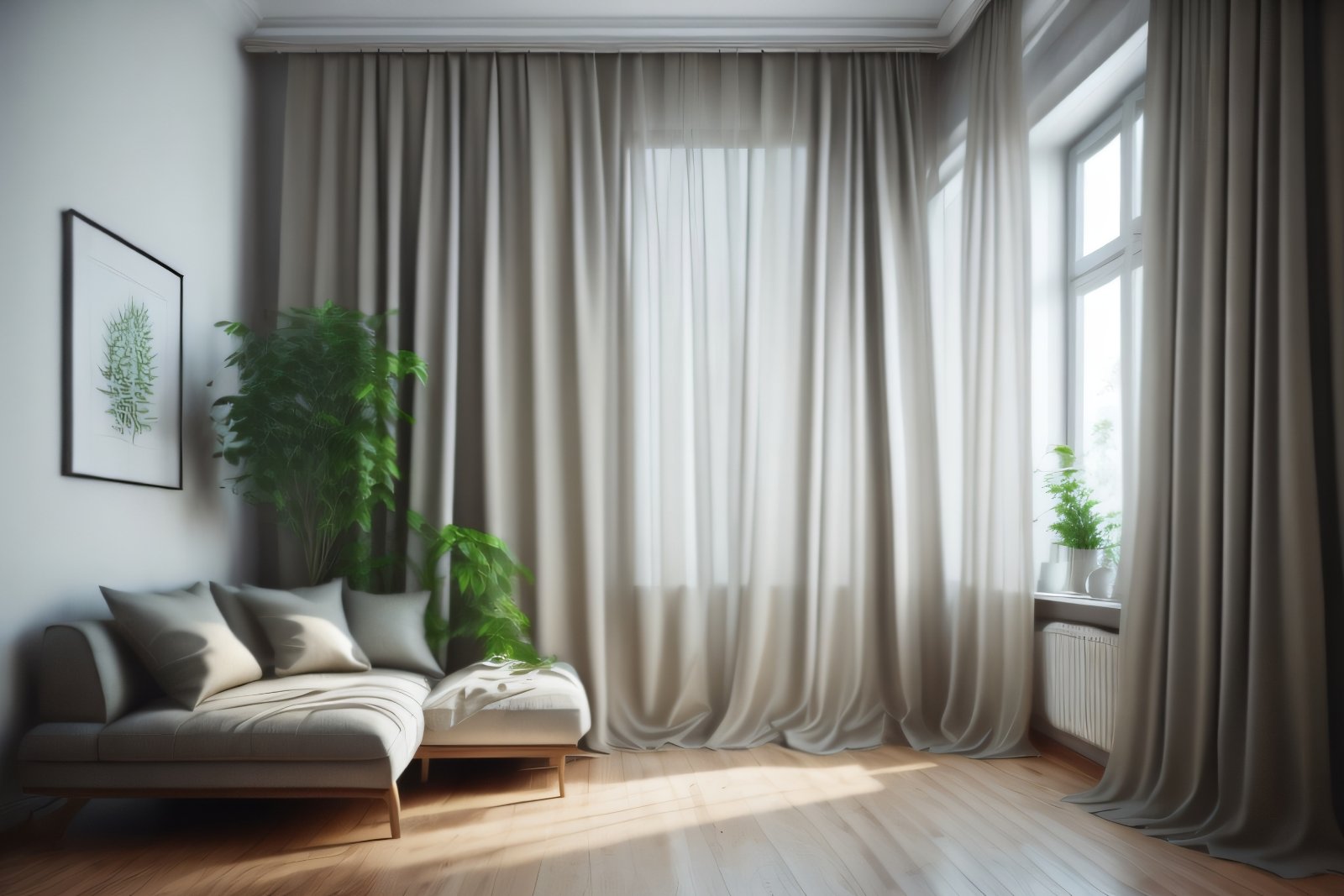
Bring eco-friendliness and style into your interior with eco-friendly design. Unique solutions: from natural materials to sustainable furniture. Create a harmonious and environmentally clean space.
The modern world recognizes the necessity of an eco-friendly lifestyle. Our planet is suffering from environmental pollution, and we all must contribute to the movement towards a greener planet. Riding this wave, eco-friendly interior design is becoming increasingly popular. In this article, we will discuss what sets eco-friendly style apart from others, what materials are used to create an eco-friendly interior, and the advantages of this style.
How Does Eco-Friendly Style Differ from Others?
Eco-friendly interior design is a concept rooted in the principles of sustainability and environmental consciousness. It differs from other interior styles not only visually but also in its philosophy and approach to creating spaces.
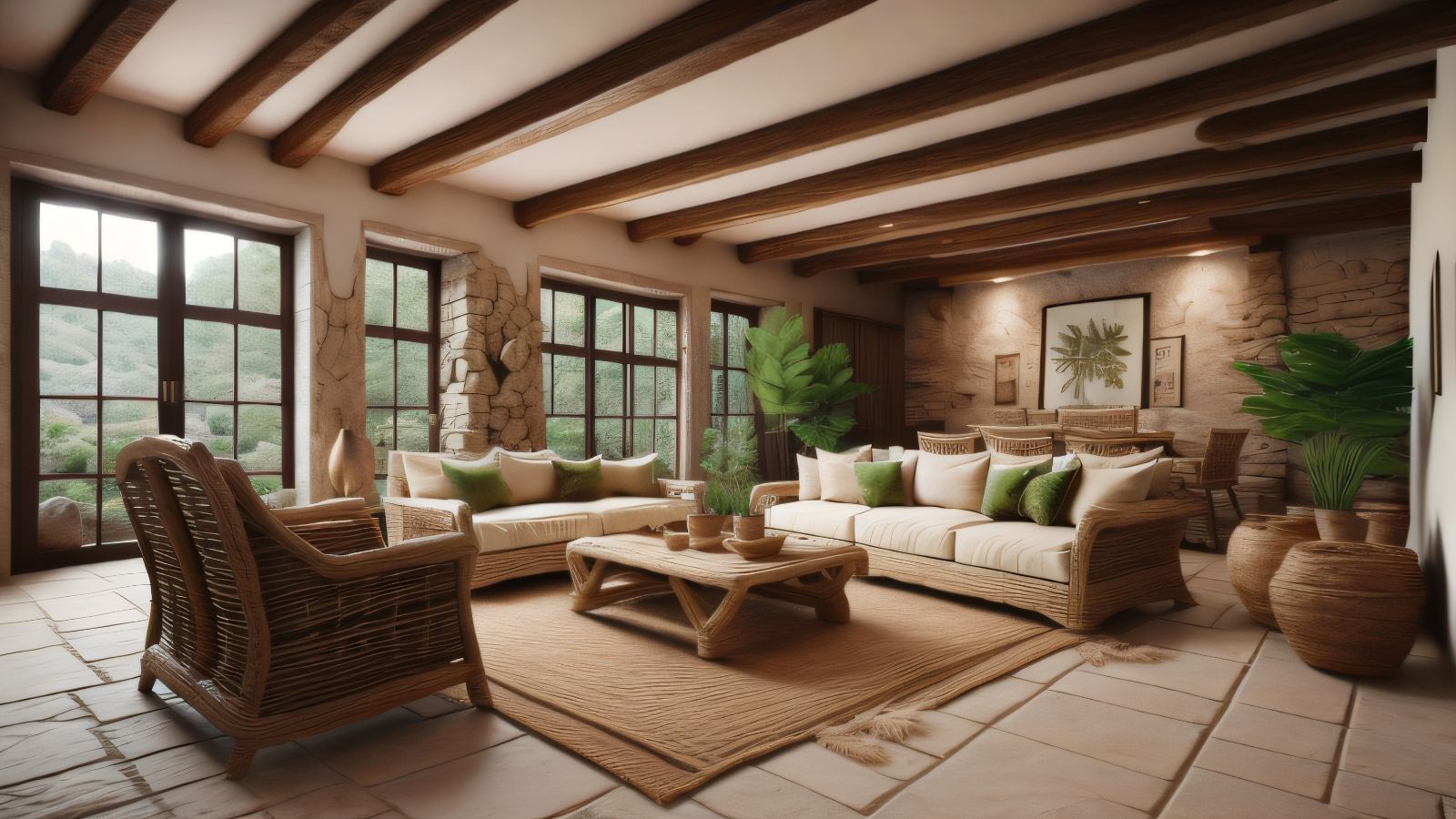
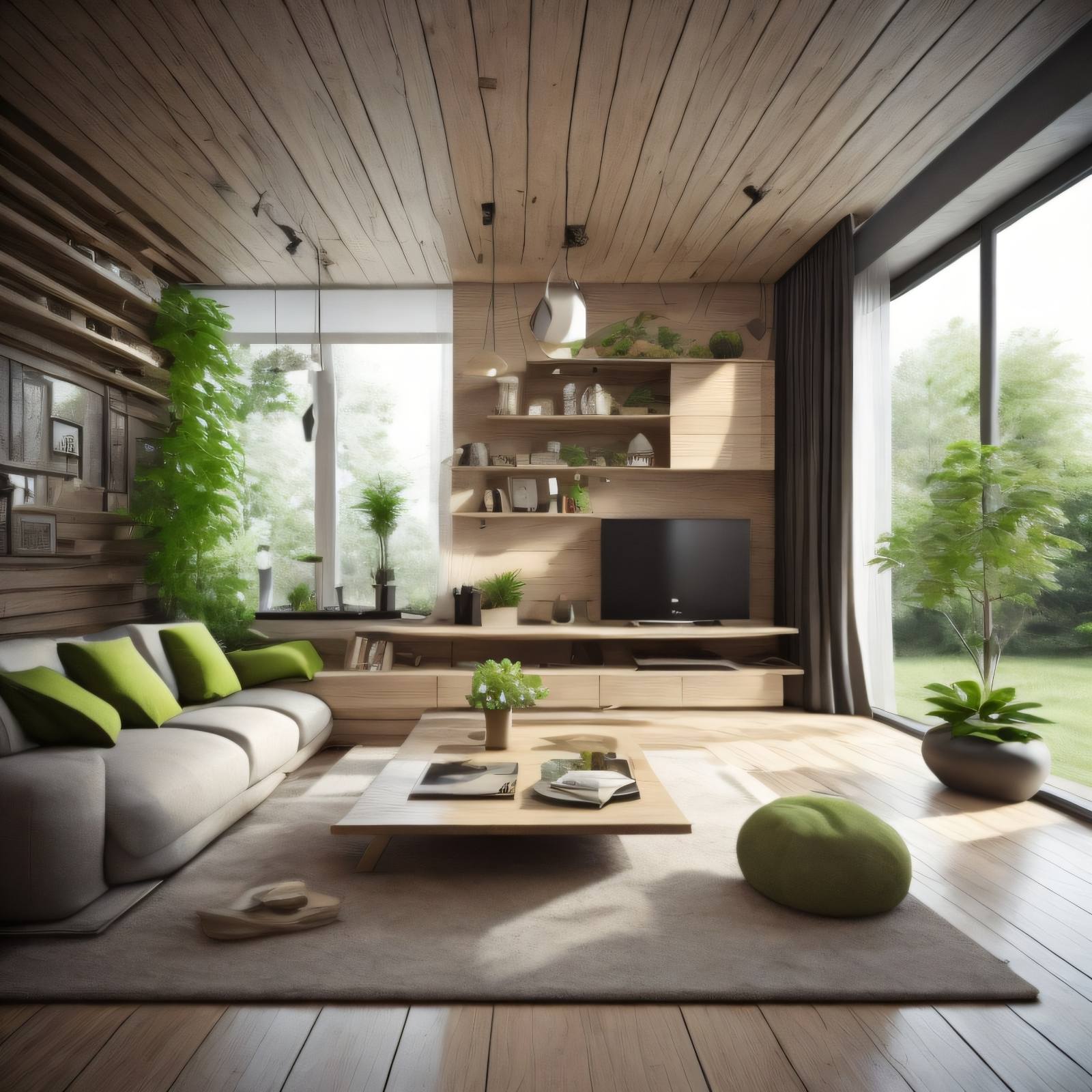
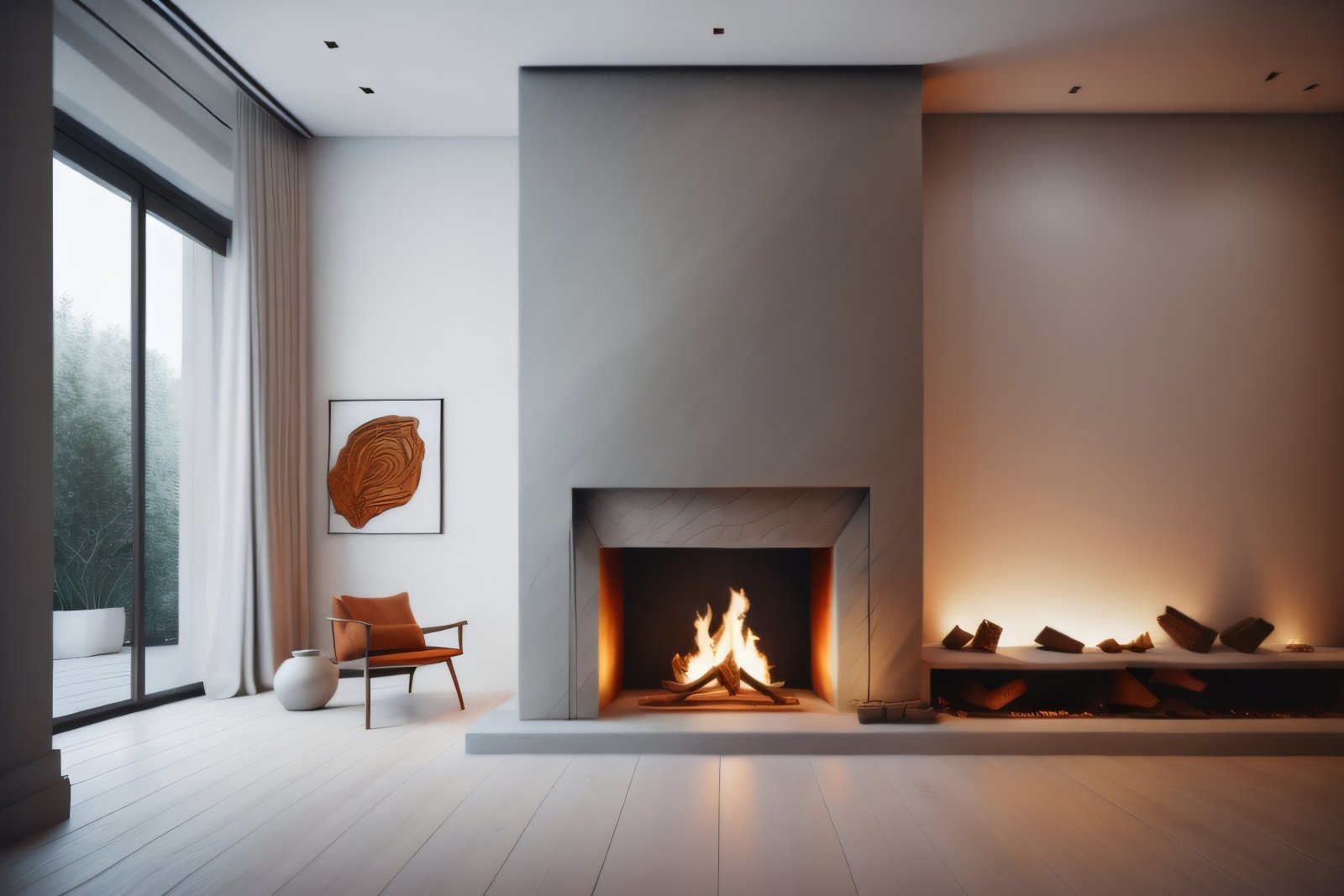
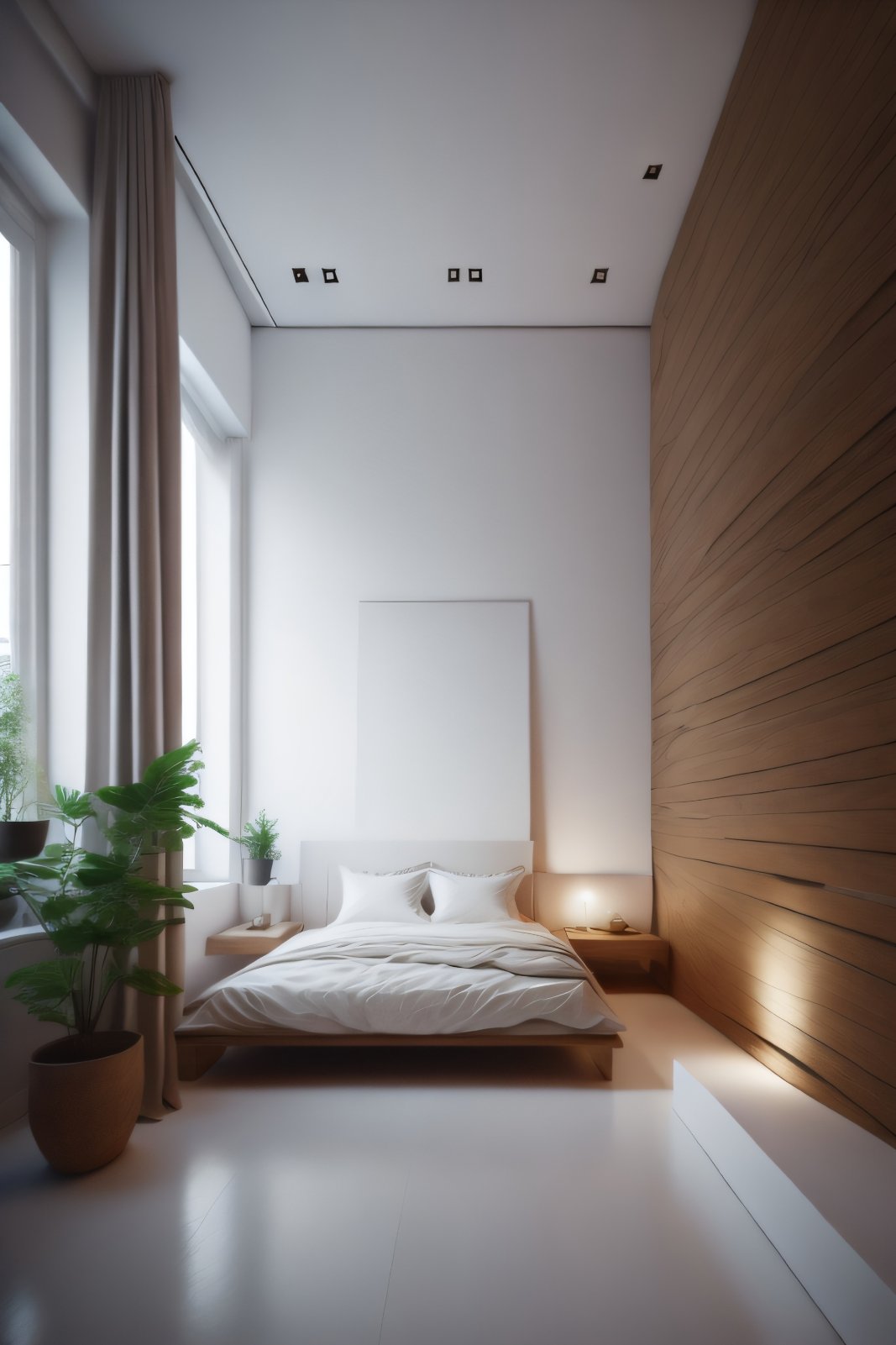
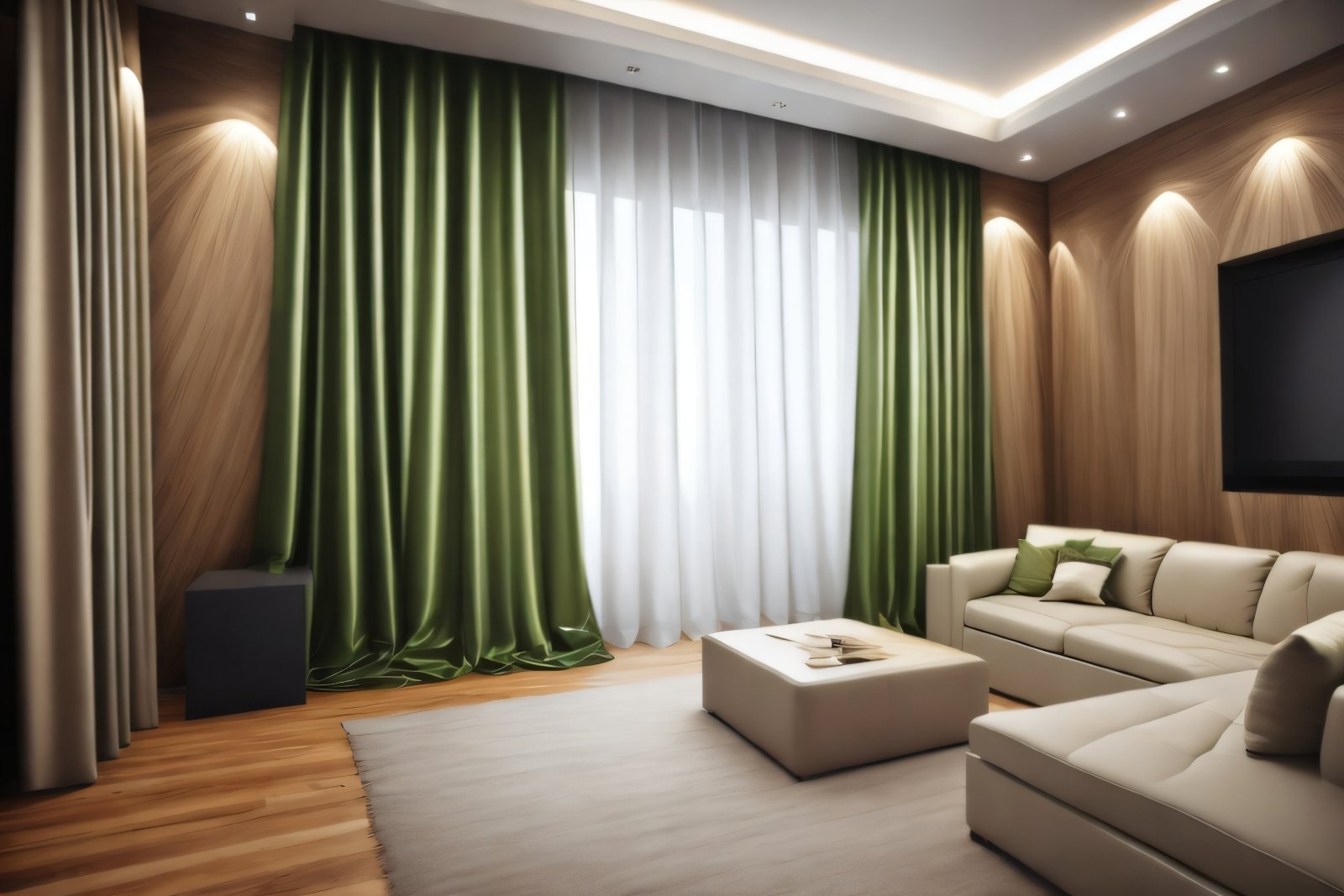
Firstly, it aims to minimize the negative impact on nature by using natural and eco-friendly materials. Instead of synthetic substances and plastics, the interior uses wood, stone, seashells, clay, rattan, and other organic materials. This not only creates aesthetically pleasing interiors but also reduces environmental impact due to the absence of toxic substances and waste.
Secondly, it emphasizes sustainability and recycling of materials. This means that during the creation of the interior, preference is given to materials that can be recycled or disposed of in the future. For example, using wood from forests grown specifically for these purposes or using recycled plastic to create furniture or decor. This helps to reduce consumption and pressure on natural resources.
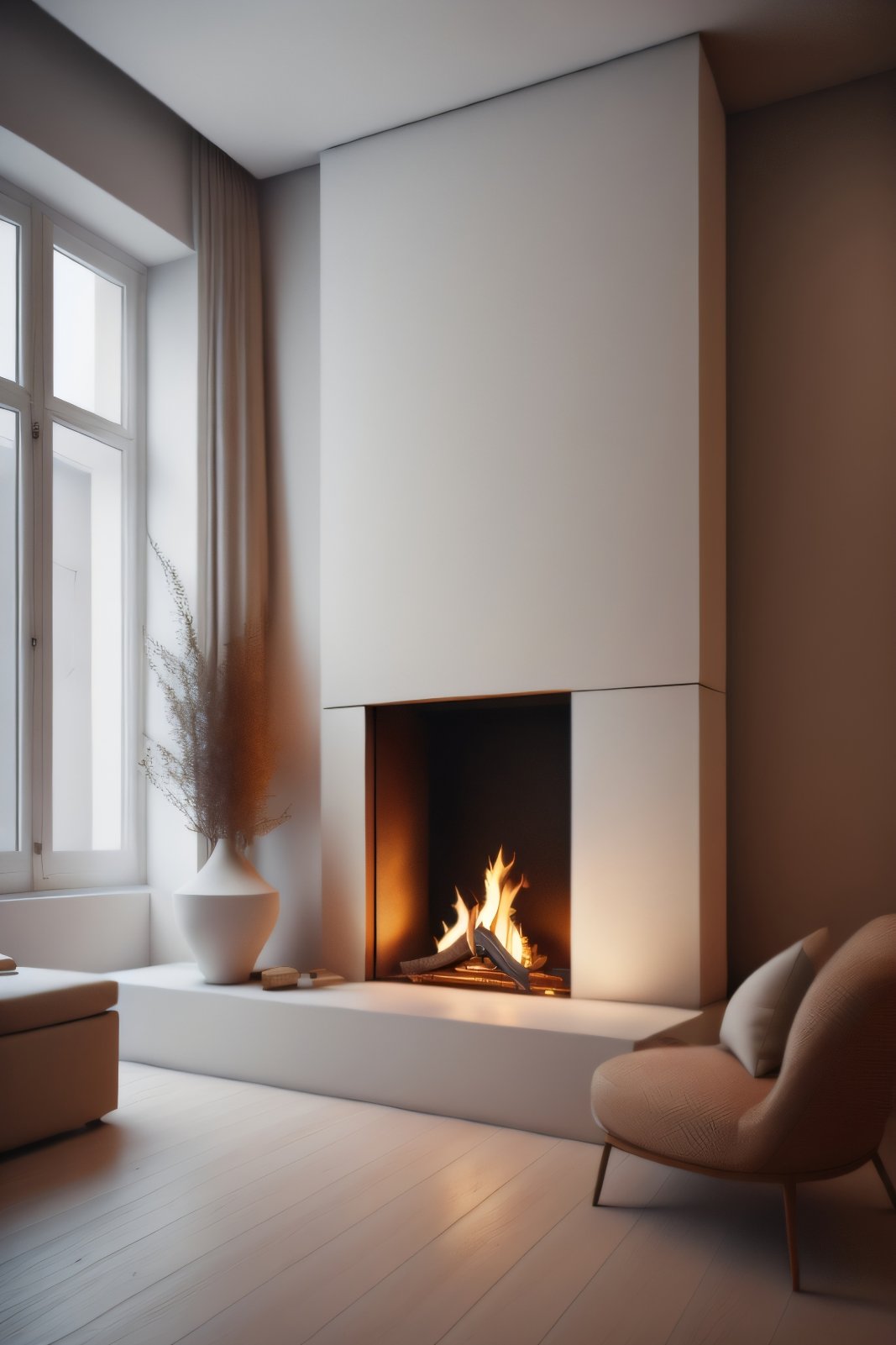
Thirdly, it promotes the use of energy-efficient systems and technologies. This includes elements such as smart energy management systems, solar panels, energy-saving lighting and equipment, thermal regulating materials, and insulation. These measures not only reduce energy consumption but also minimize the environmental impact.
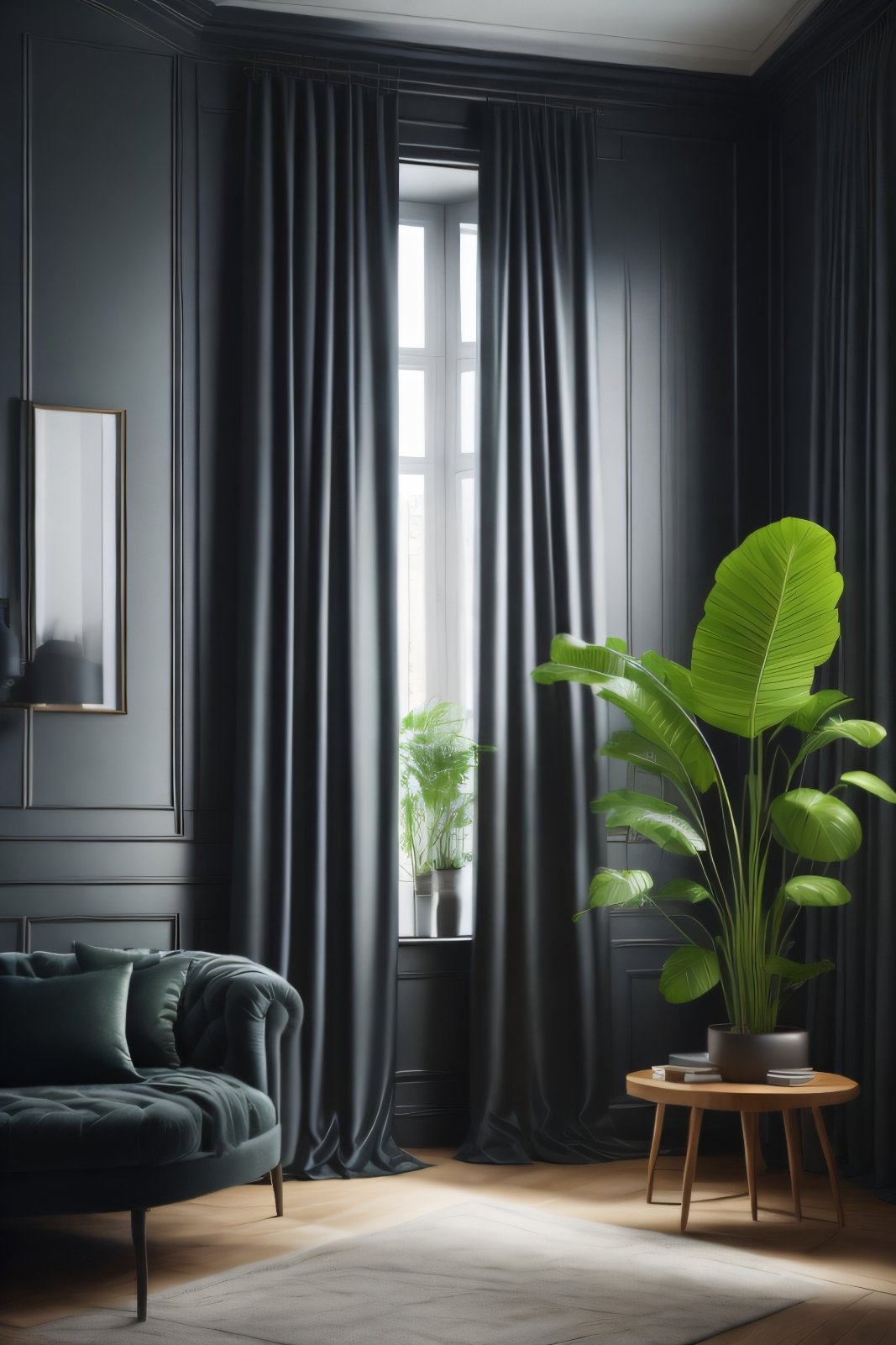
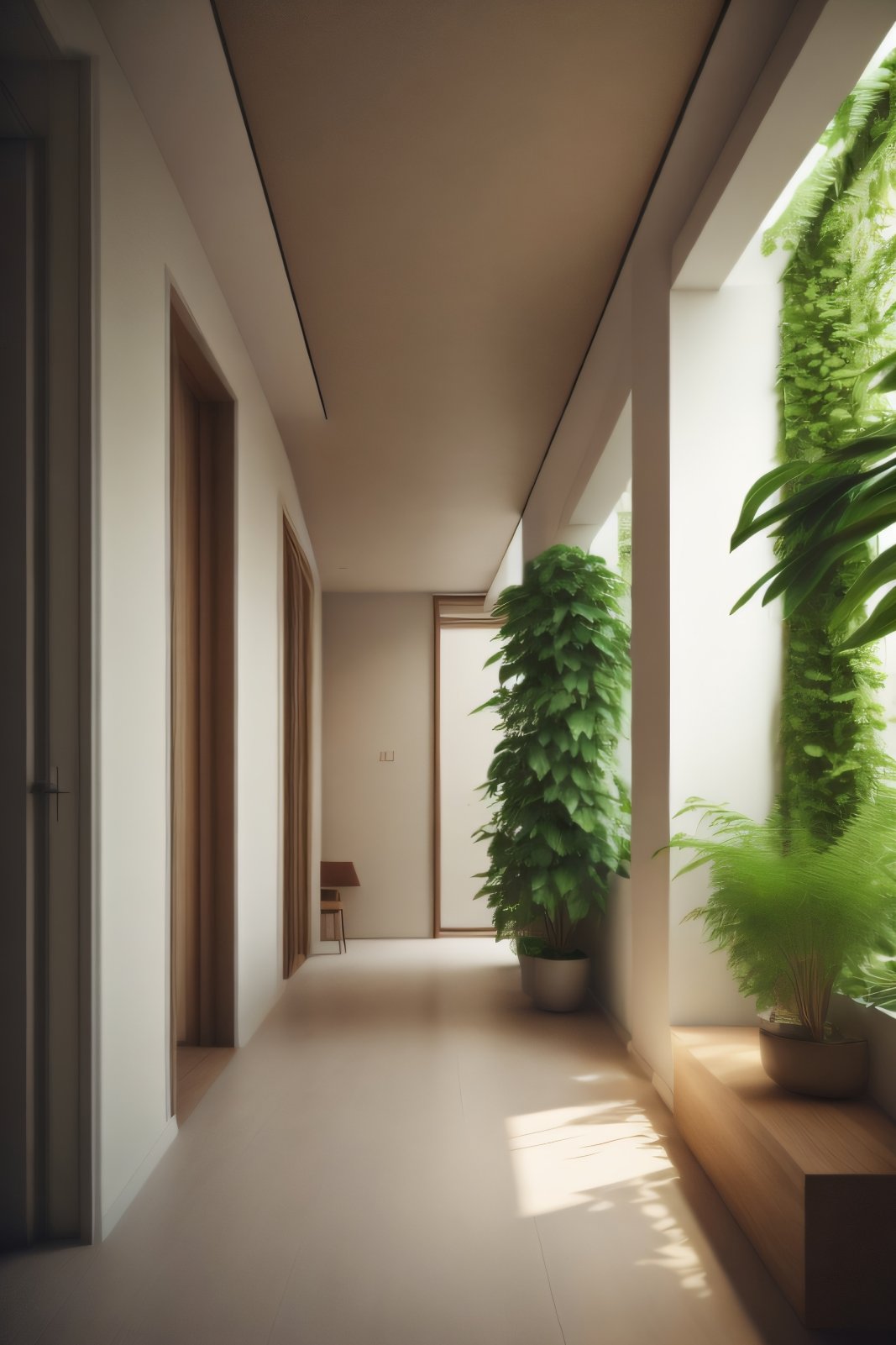
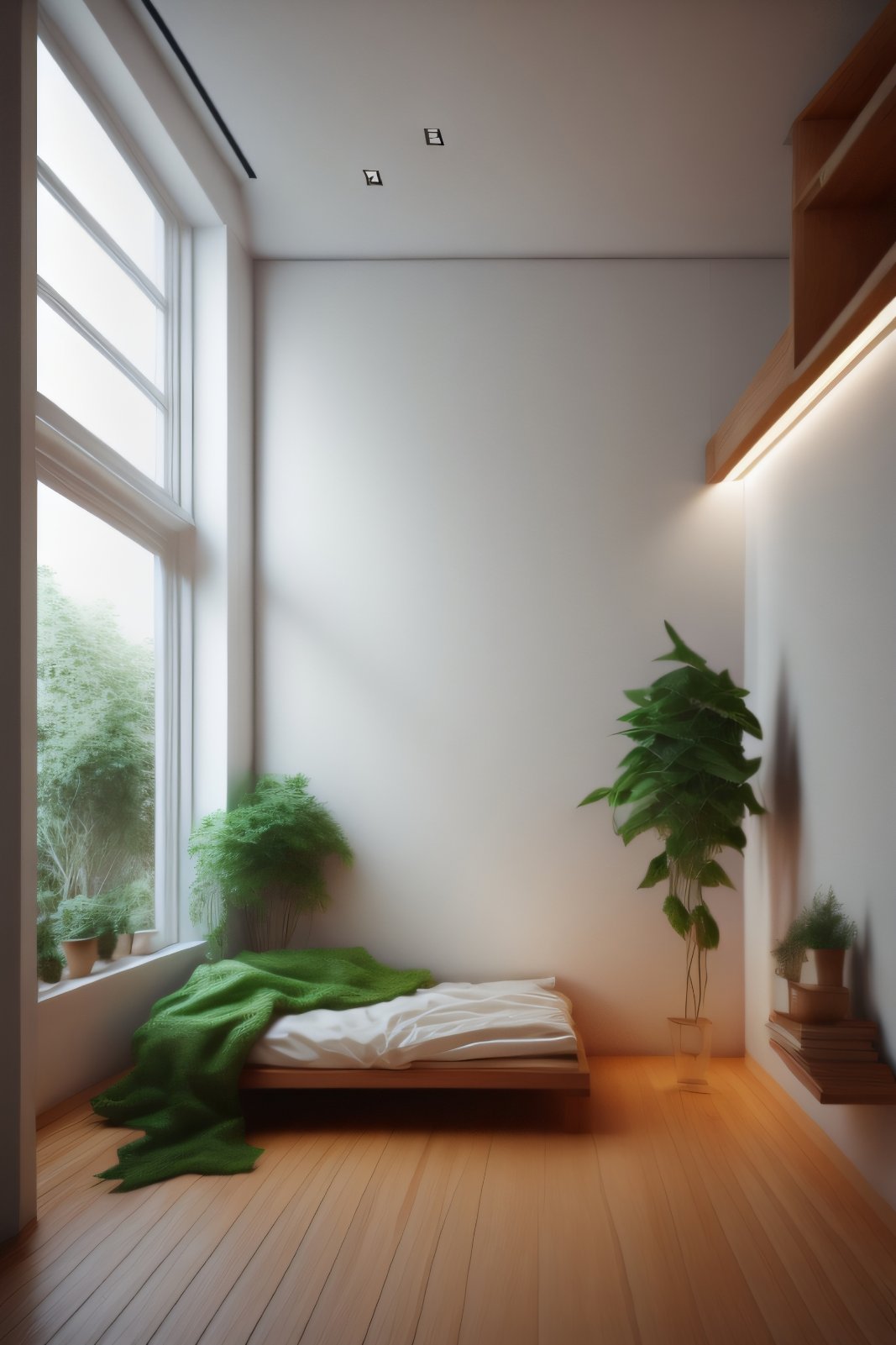
Finally, it encourages the incorporation of plants and natural components into the design. Greenery and plant motifs are integral parts of this style, bringing freshness and harmony. Plants not only beautify the space but also purify the air, increase oxygen levels, and reduce stress for people.
Overall, this style is distinguished by its adherence to sustainability and ecological principles from start to finish—from material selection to the use of energy-saving solutions. It is designed not only to create beautiful and comfortable interiors but also to promote awareness and responsibility towards the environment.
What materials are used to create an eco-friendly interior?
This is a space design created using materials that do not harm the environment or human health. It is built on the principles of sustainable development, where resource consumption is minimized, and waste recycling is maximized.
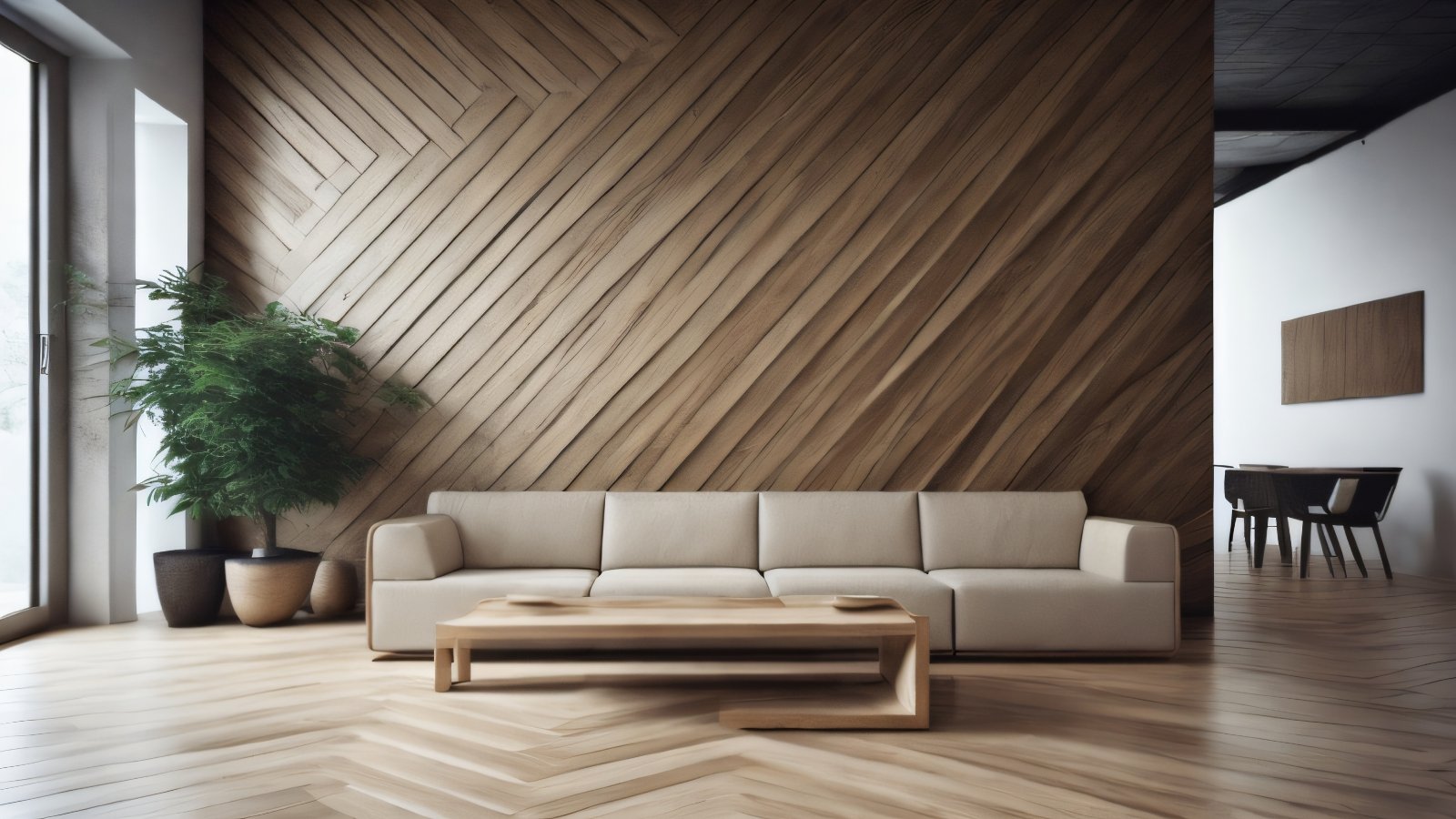
In creating such an interior, various materials are used that help preserve natural resources and significantly reduce negative environmental impacts. One such material is wood, especially types that are grown and harvested following forestry principles. These types of wood have high stability and durability while retaining their natural beauty and aesthetics.
Creating an eco-friendly interior also involves using natural stones, such as marble, granite, and aluminum. These materials are naturally strong, resistant to external influences, and easily recyclable. Moreover, such materials do not emit harmful substances and do not cause allergic reactions, which is crucial for creating a healthy and safe indoor atmosphere.
Another popular material is bamboo. Bamboo has several advantages: it grows quickly, so its harvesting does not lead to deforestation, and its use in construction reduces wood consumption. Bamboo is also highly durable and long-lasting, while being lightweight and flexible. Additionally, it is highly resistant to moisture and fire.
Recycled waste materials are also actively used. For example, furniture made from recycled plastic or wood, flooring from recycled synthetic materials, and textiles from organic fibers.
A crucial aspect of sustainable interior design is the proper selection of finishing materials. Preference is given to natural water-based paints and varnishes that do not emit harmful substances and do not pollute the indoor air.
Overall, such an interior can be created using a wide variety of materials that ensure health and safety for both the environment and people. This includes natural wood, natural stones, bamboo, recycled materials, and finishing materials based on natural components. It's important to consider that each material has its own features and benefits, so it's essential to take into account a comprehensive set of sustainable development principles to create a truly eco-friendly interior.
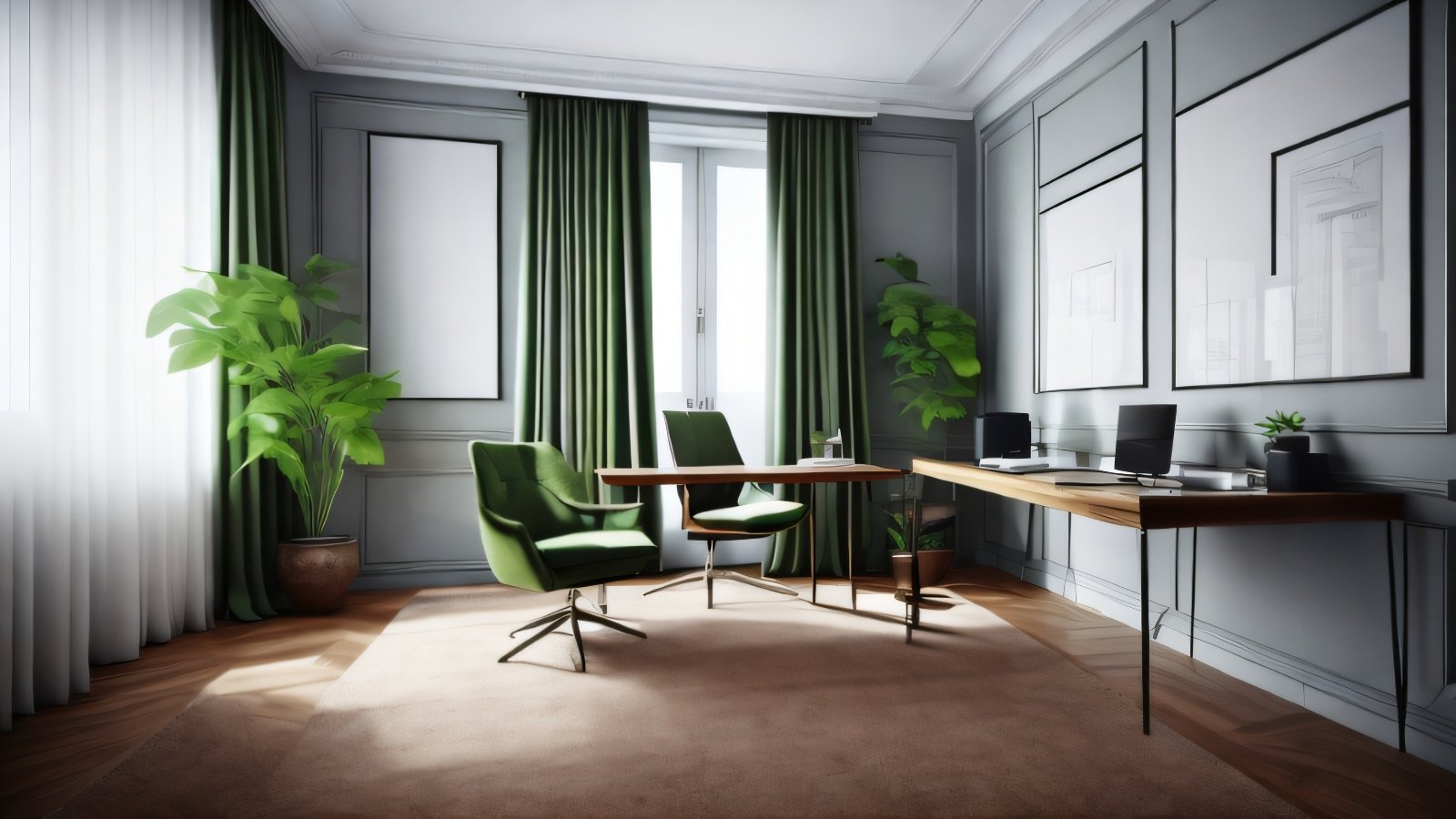
Benefits of Eco-Friendly Interior Design
Eco-friendly design utilizes natural materials that do not harm the environment. This style also minimizes the use of toxic substances during renovations, enhancing the safety for residents.
Eco-friendly design has its own distinctive flow, adding uniqueness to any home. Each element contributes to the overall mood, creating a cozy atmosphere.
Natural materials used in eco-friendly interiors are known for their longevity and resistance to mechanical impact and damage, making this style appealing to those who value a long-lasting interior.
Every element is designed to help create a warm and comfortable atmosphere. This is particularly effective when the room is decorated in warm colors and wrapped in natural materials.
Helping to preserve animal habitats, maintaining plant biodiversity, and improving overall environmental quality.
Lighting
This is a harmonious blend of functionality, aesthetics, and environmental care. Unlike traditional light sources such as halogen or incandescent lamps, this lighting fully synchronizes with natural rhythms and energy-saving requirements.
A key feature of such lighting is the use of energy-efficient light sources such as LED lamps or energy-saving fluorescent lights. These consume significantly less electricity and have much longer lifespans compared to standard bulbs. Additionally, they do not contain hazardous substances like mercury, which is a primary component in traditional bulbs. This makes eco-friendly lighting safe for health and contributes to its longevity.
Another important aspect of lighting is adjusting light intensity and color temperature. By allowing brightness and color tone adjustments based on needs and mood, you can create a comfortable atmosphere for both work and relaxation. Moreover, well-designed lighting can visually alter space, creating the illusion of larger or smaller areas, highlighting architectural features, or emphasizing interior accents.
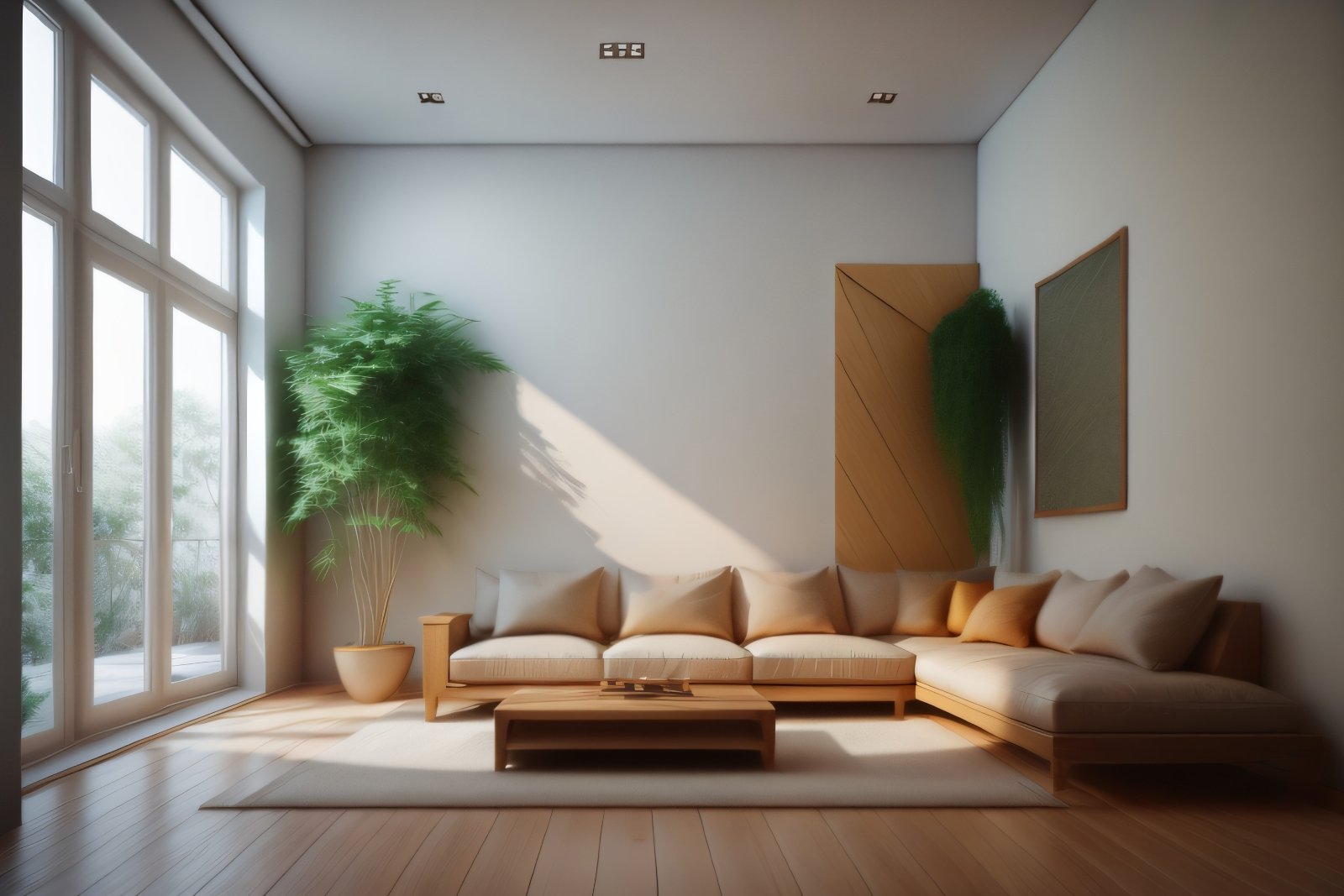
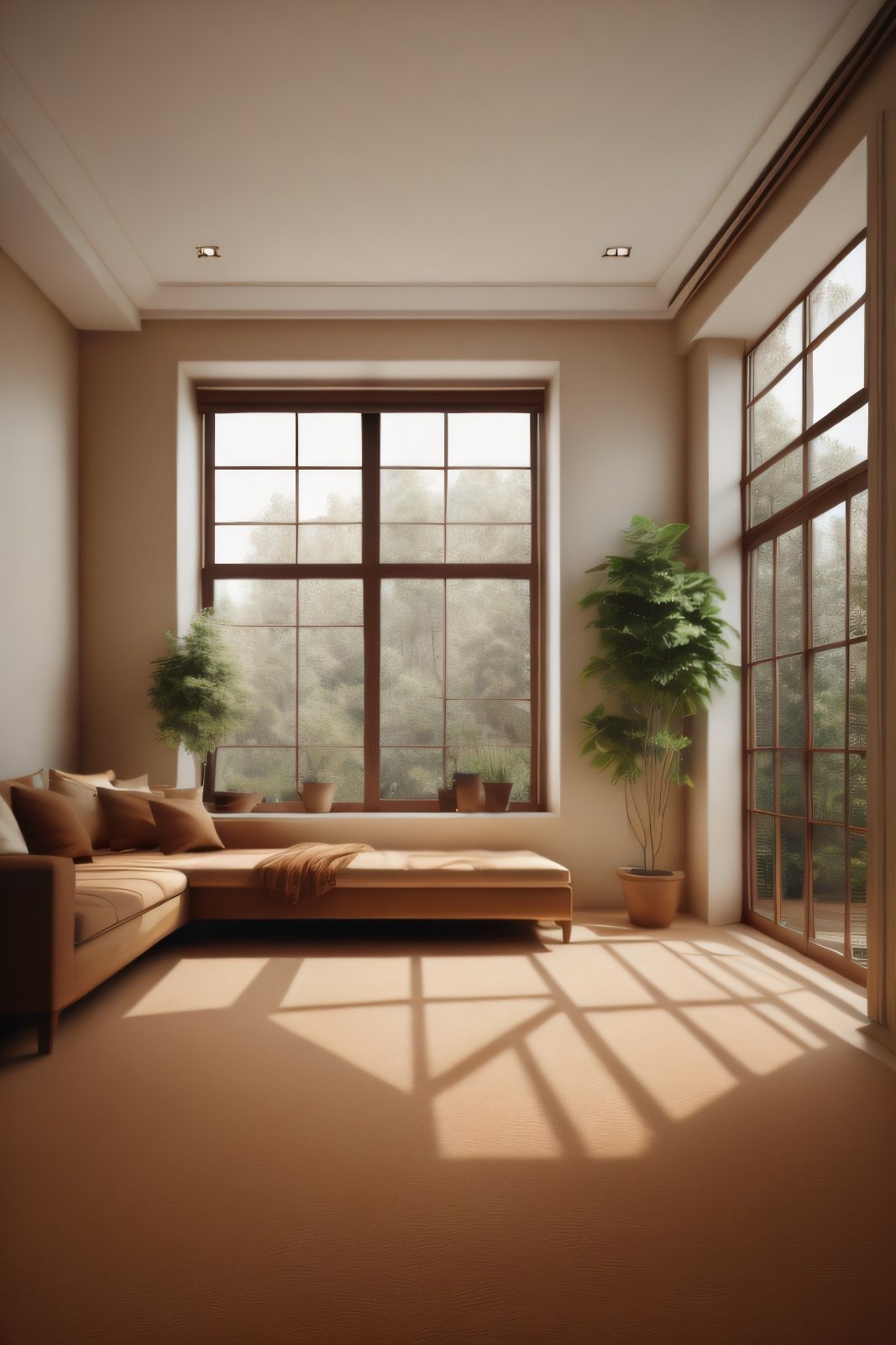
It is also important to highlight the use of natural lighting. Large windows, panoramic solid glass partitions, and zoned use of space allow maximum sunlight to enter the room. This creates a sense of freshness, natural harmony with nature, and additionally reduces electricity costs during the daytime.
Finally, it's essential to note the possibility of using additional decor elements that add an eco-friendly touch to modern interiors. For instance, light fixtures made from natural materials like wood, bamboo, or cotton can become a standout feature in the design, giving the room a cozy and natural appearance. Additionally, lighting powered by solar energy or geothermal sources can be used to further minimize environmental impact.
Overall, lighting offers a unique opportunity not only to create a comfortable and functional indoor environment but also to minimize negative effects on the environment. This is a harmonious combination of aesthetics, energy savings, and care for our planet.
Furniture
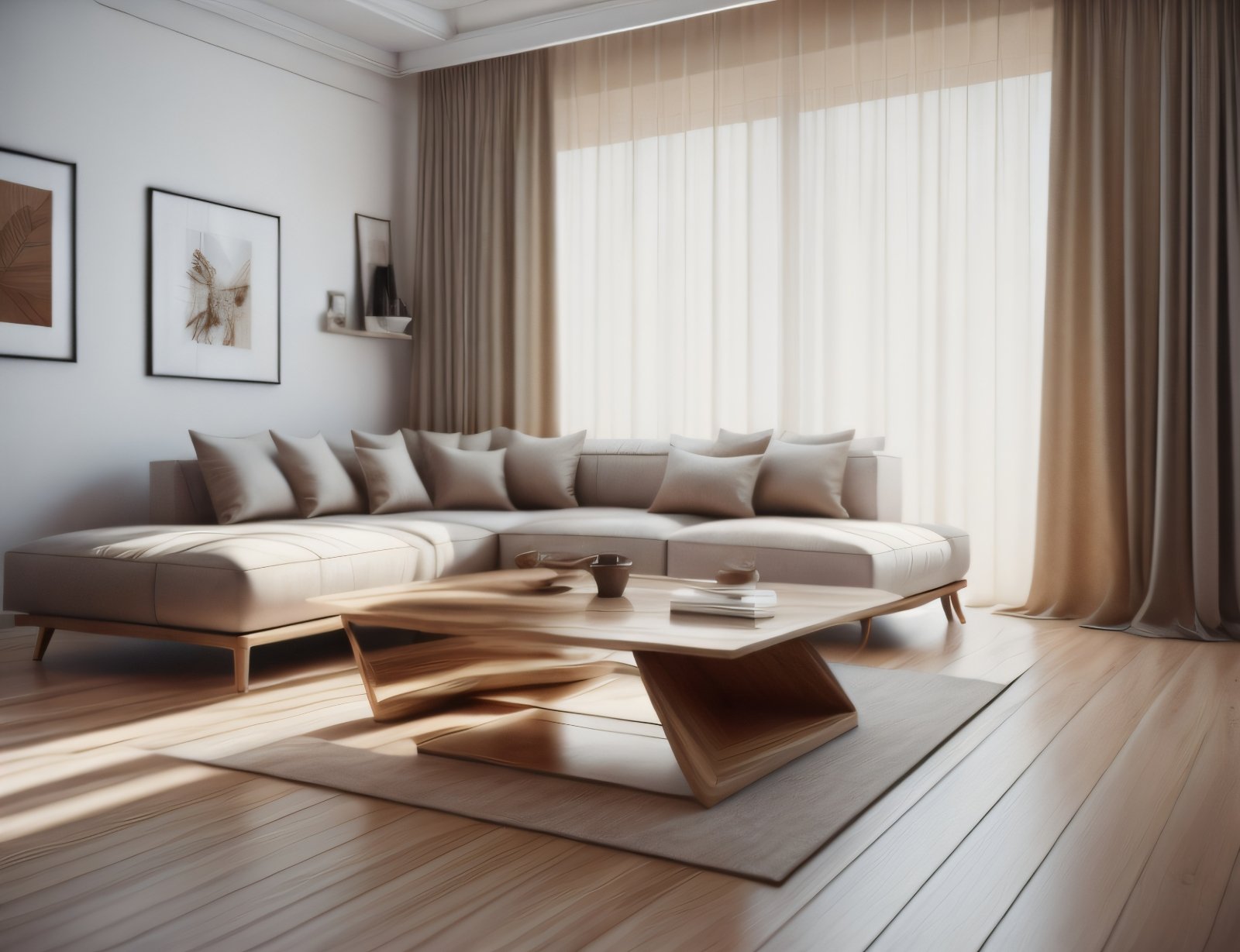
It embodies harmony with nature and care for the environment. Not only does it reflect our values and desire to live in harmony with nature, but it also provides an excellent way to create a cozy and comfortable atmosphere in the home.
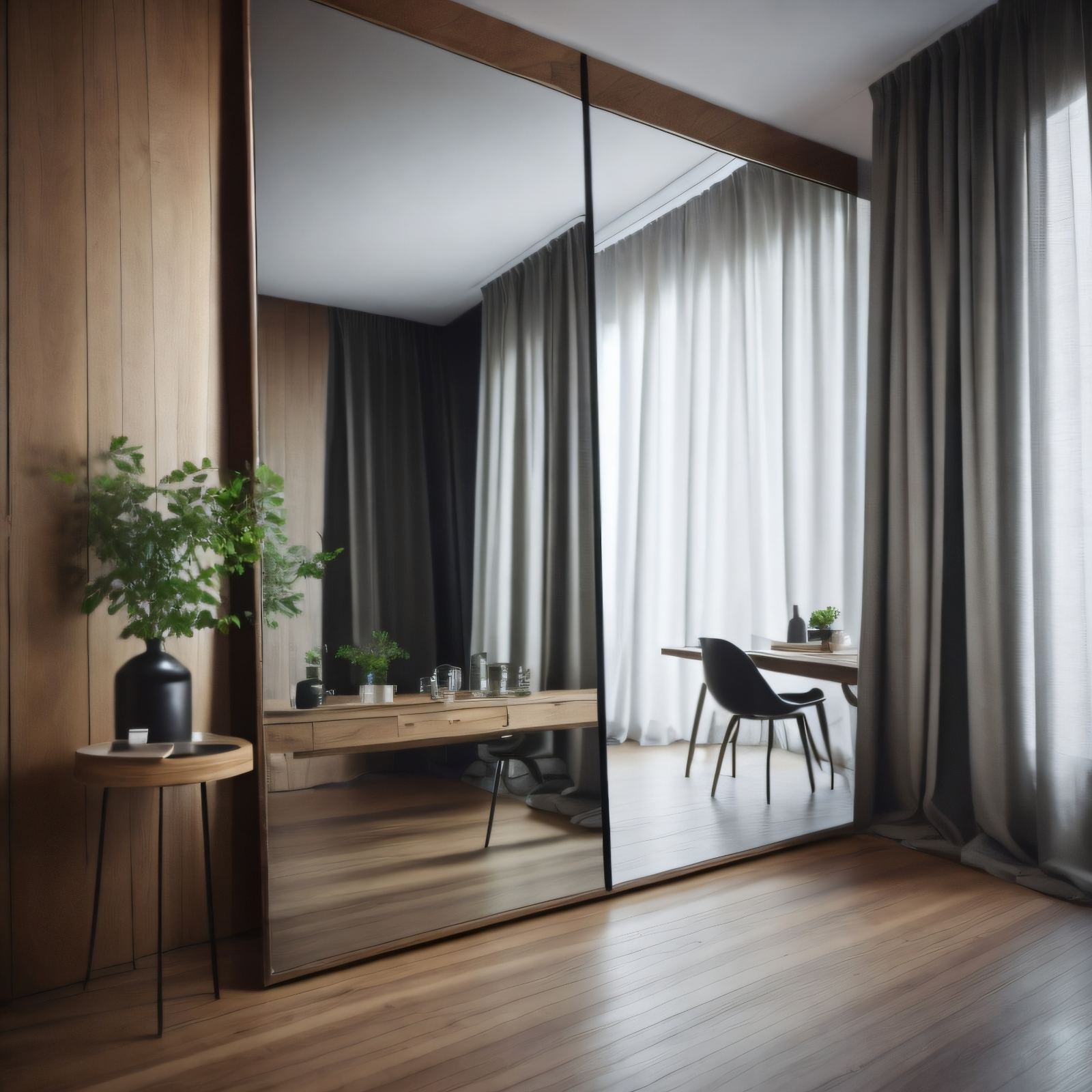
The furniture is crafted from natural and eco-friendly materials such as wood, woven rattan or bamboo, organic cotton, linen fabrics, and even recycled materials. This approach minimizes the use of synthetic and hazardous substances that can harm the environment and our health.
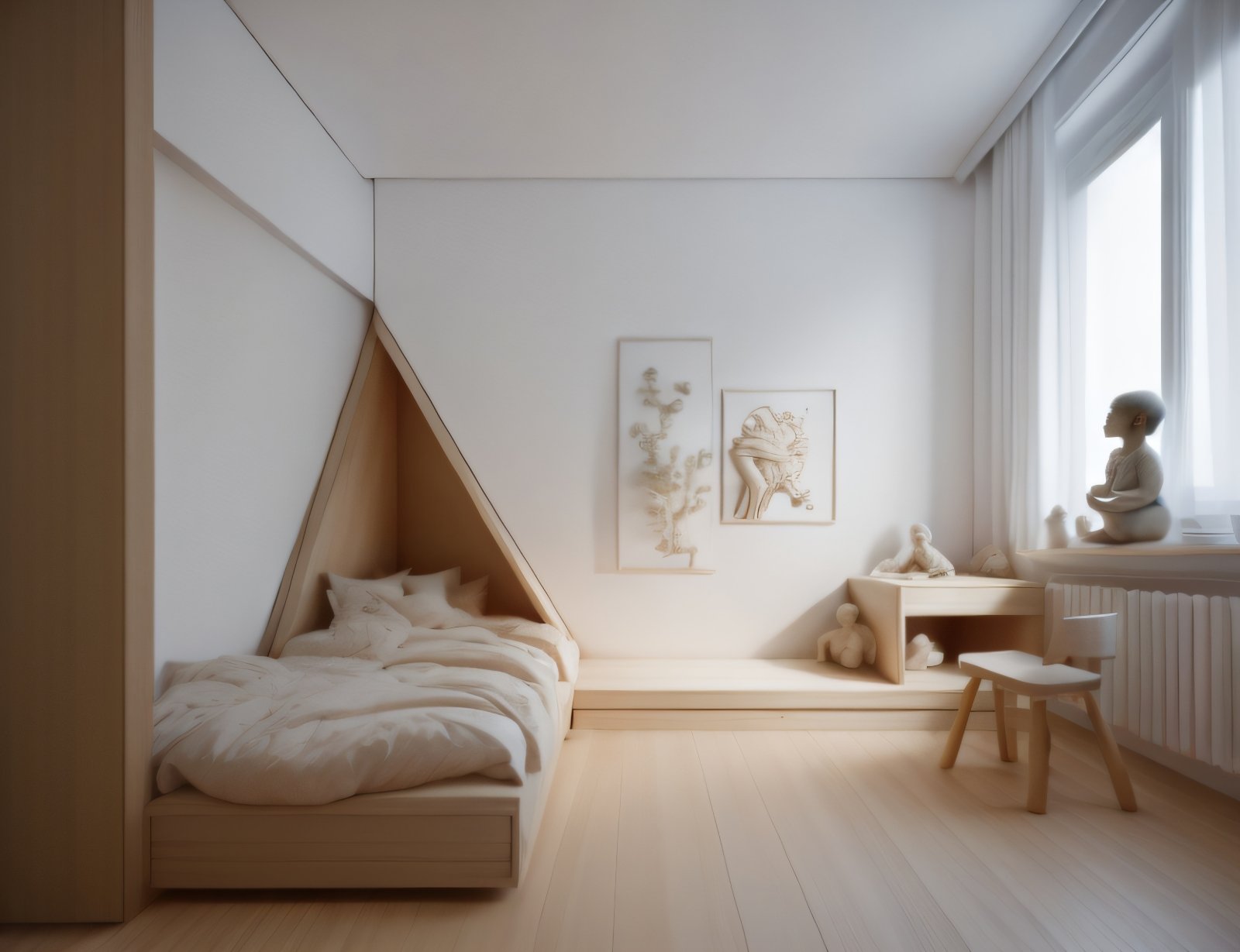
Eco-friendly furniture features a unique design inspired by nature. It is characterized by organic shapes, natural tones, and simple lines. This kind of furniture brings a sense of tranquility and calmness to a room, which is especially important in our hectic times.
Eco-friendly furniture is also a model of sustainable consumption and durability. It is created in accordance with all ecological norms and standards and can serve for many years without losing its functionality and aesthetic appeal. By choosing such furniture, we make a responsible choice and contribute to the preservation of the environment.
By combining various furniture elements, we can create unique and personalized interiors that reflect our individual personalities and lifestyles. This style can be modern and minimalist, or traditional and cozy, depending on our preferences.
Furniture is not just a functional interior object; it also becomes a work of art. Its unique charm and natural beauty not only fit into any design project but also give the space a special atmosphere and character.
All the above makes furniture an ideal choice for those aiming to create harmony with nature in their homes. It allows us to not only care for our planet but also to create a space that promotes our physical and emotional well-being. Eco-friendly furniture is not just about items; it tells stories of its creation, care for nature, and our environment, fostering harmony and balance in the interior and within ourselves.
Materials and Finishes
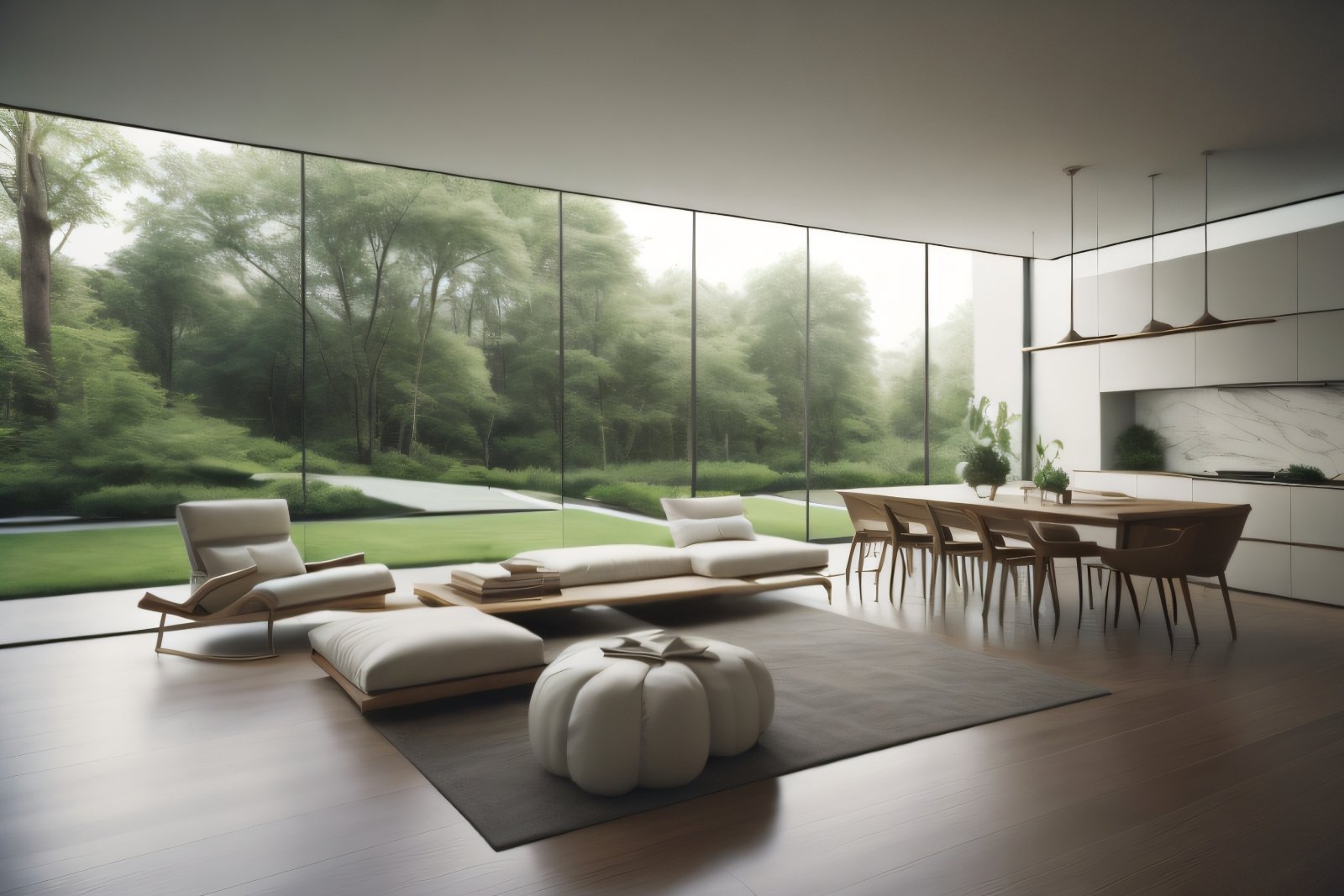
This style is one of the most current and popular trends in modern design. It is based on harmony with nature, using natural and eco-friendly materials that not only give the space a natural and organic look but also help create a healthy, comfortable atmosphere.
Materials are predominantly natural and renewable resources. Wood, stone, bamboo, cotton, linen, clay, ceramics, and stone are some of the materials often found in eco-friendly design. They are known for their high durability, unique aesthetic appeal, and environmental friendliness, making them perfect for creating a cozy and harmonious interior.
Eco-friendly finishes also have their own particularities. One key aspect is the use of natural dyes and finishing materials without chemicals. This helps preserve the natural look and feel of surfaces, showcasing the texture and patterns of wood, stone, or ceramics. Moreover, eco-friendly designers prefer to minimally process materials, maintaining their natural structure and texture.
It's also important to use natural lighting to create a harmonious and serene atmosphere. Large windows, glass doors, skylights, and strategically placed light fixtures on walls or ceilings can maximize daylight, reduce electricity consumption, and enhance the natural simplicity of the space.
Special attention is also given to using plants and flowers. To avoid industrial materials, designers often choose natural accessories like tree branches, dried flowers, and grasses to add a sense of natural harmony and warmth to the room.
Overall, this style is a wonderful way to create a calm and cozy atmosphere at home, making everyone feel closer to nature. Using natural and eco-friendly materials along with decorating spaces in natural and earthy tones can help create a unique interior that embodies respect for the environment and complements the resident's lifestyle.
Eco-Friendly Interior Decor
Eco-friendly interior decor has become one of the hottest trends in recent years. It combines eco-principles, natural materials, earthy tones, and organic beauty to create a harmonious space that promotes wellbeing and relaxation.
The main idea behind eco-friendly decor is the use of natural materials such as wood, stone, bamboo, textiles from organic fibers, rattan, and clay. These materials not only bring a natural aesthetic to the space but are also environmentally friendly, free of harmful substances, and biodegradable. They can also create a warm and cozy atmosphere filled with natural light and fresh air.
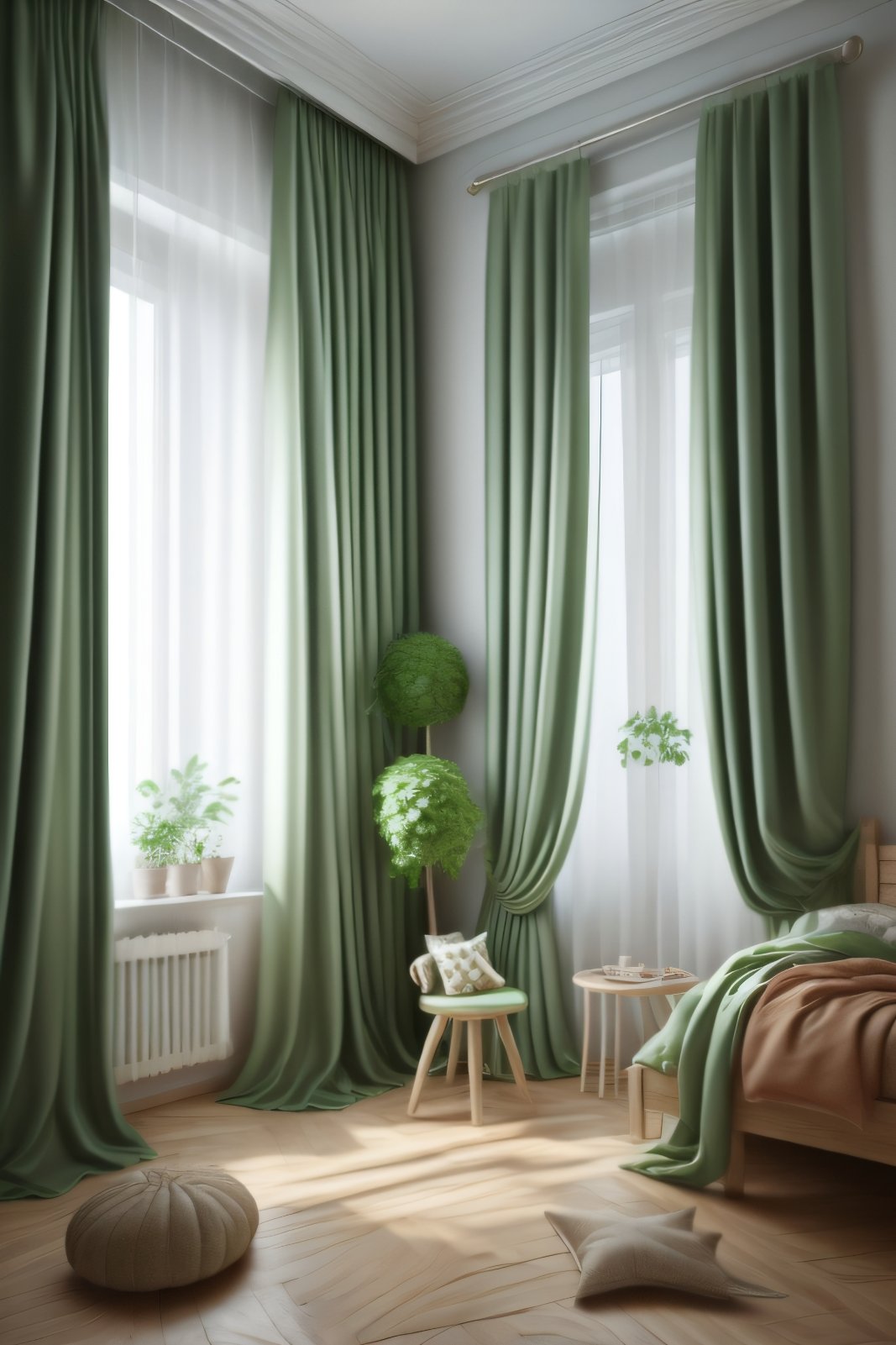
The color palette mainly consists of natural shades—ranging from neutral beiges, sands, and grays to warm earth tones and greens. These colors reflect the beauty and harmony of nature, creating a sense of calm and tranquility. Special attention is given to greenery such as tree branches, flowers, and bushes, which not only add a refreshing touch but also create a tangible connection to nature.
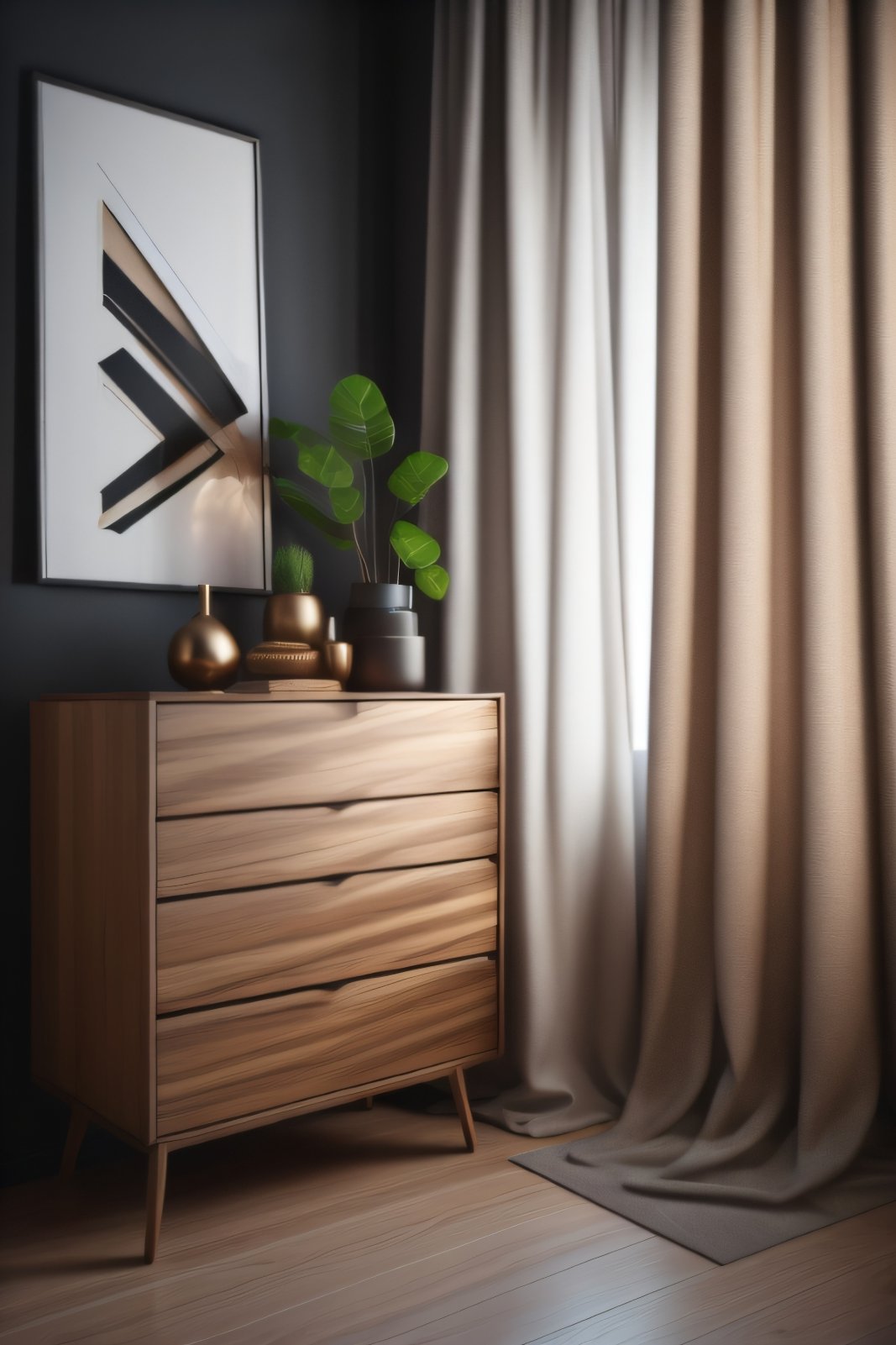
Furniture is characterized by simple forms and natural textures. Wooden pieces with distinct grains and minimalistic designs create a sense of naturalness and organic feel. Additionally, eco-friendly decor often features comfortable soft seats and backrests covered in natural fabric or leather. These pieces not only provide comfort but are also safe for health and the environment.
Accessories and decorations give the interior a complete and unique look. These can include clay vases, wooden candle holders, natural rugs, textiles with hand embroidery, woven baskets, and rattan chairs. Moreover, eco-friendly interiors actively incorporate plants—both green indoor plants and flowers. They not only decorate the space but also refresh the air, creating a pleasant atmosphere.
Decor is not just a trendy choice but also a reflection of care for nature and oneself. This style helps create a harmonious and unique space that promotes relaxation and rejuvenation. It will imbue your home with a special atmosphere, filled with the aesthetics of nature and tranquility.
Conclusion
Eco-friendly interior design is a style that helps people preserve the environment, looks unique and cozy, and is resistant to mechanical impacts and damage. Most importantly, it is safe for health. It is composed of organic materials and aims to help create a comfortable and cozy home for its residents. This is a reliable choice that should be more widely adopted.
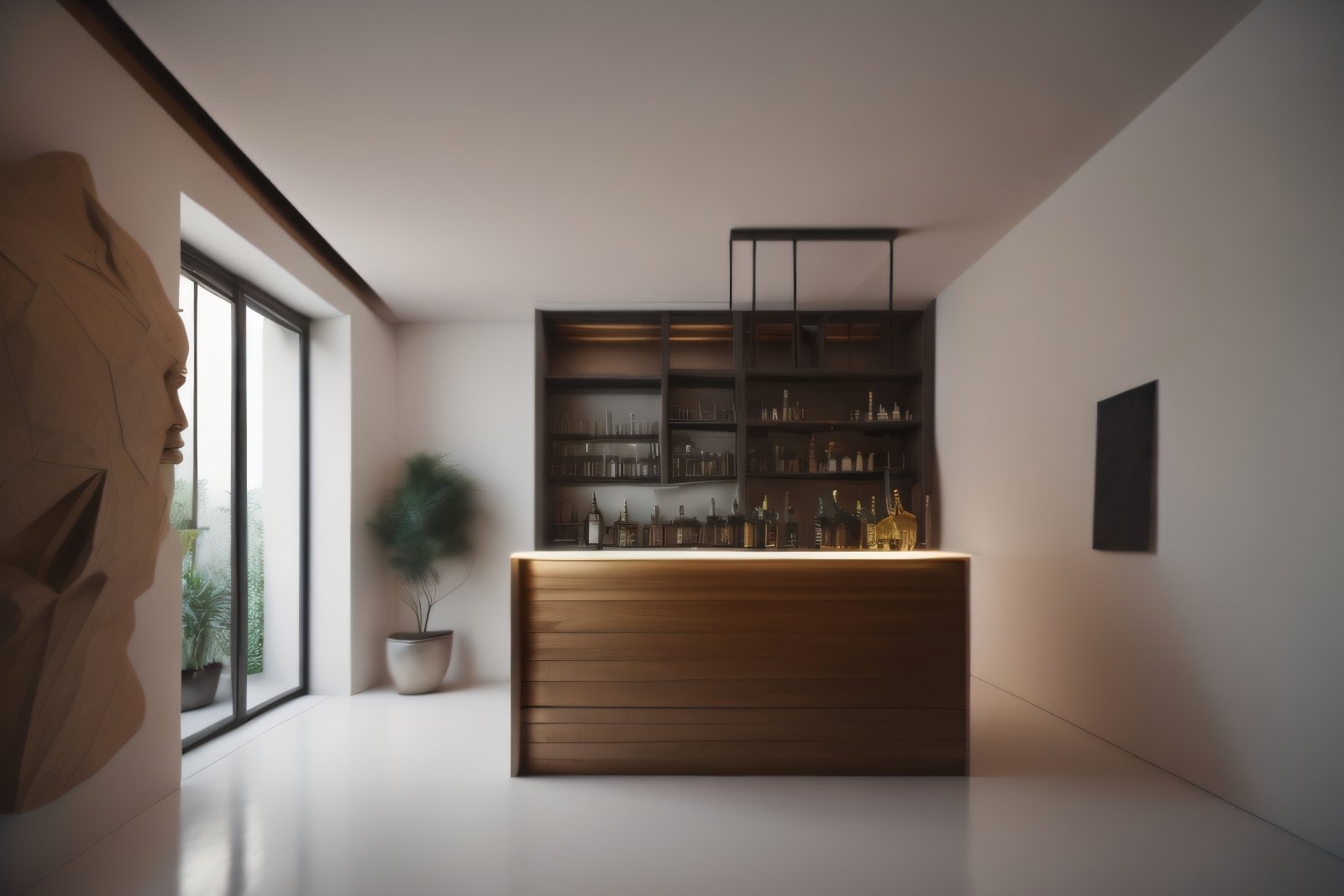
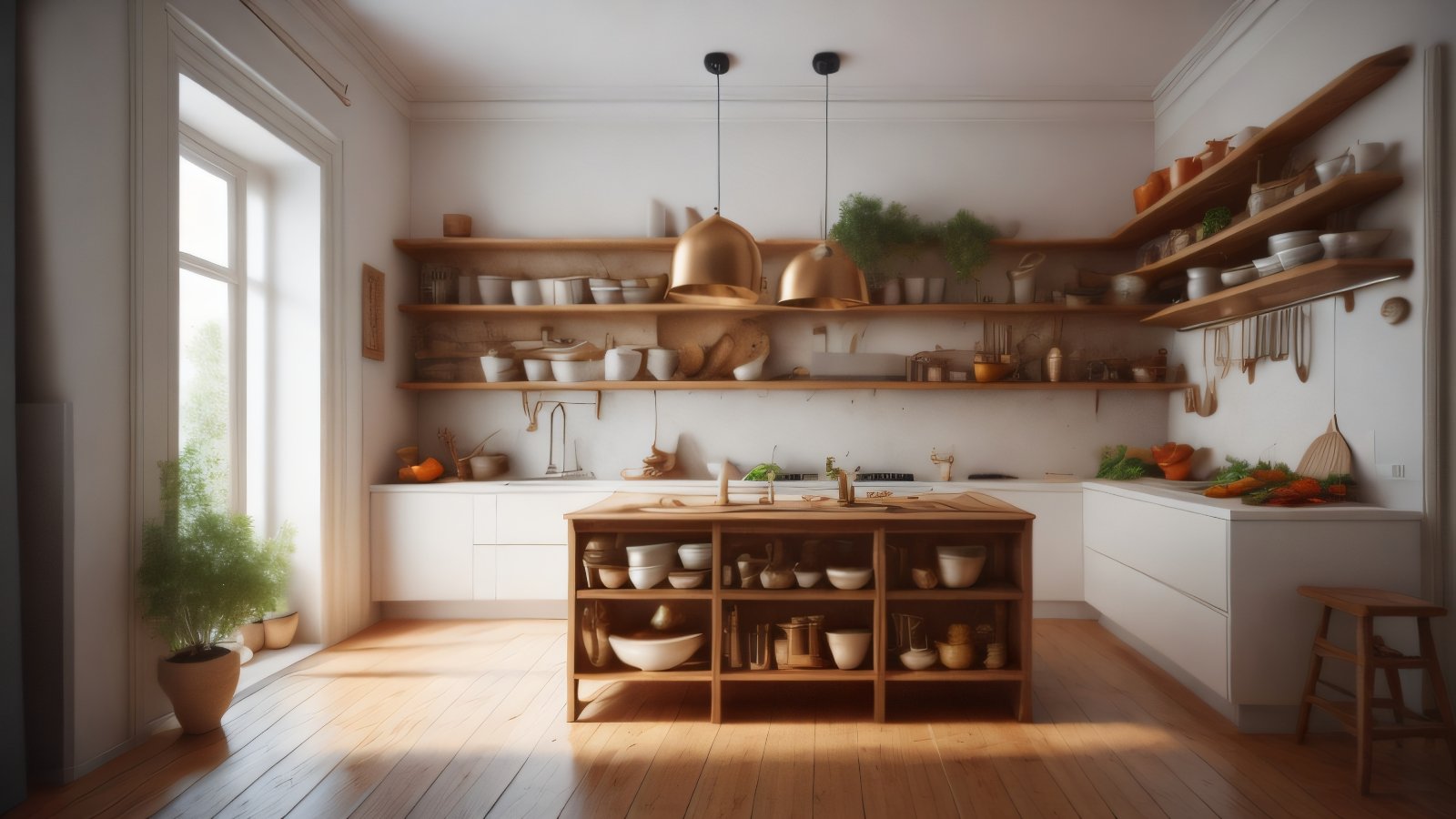
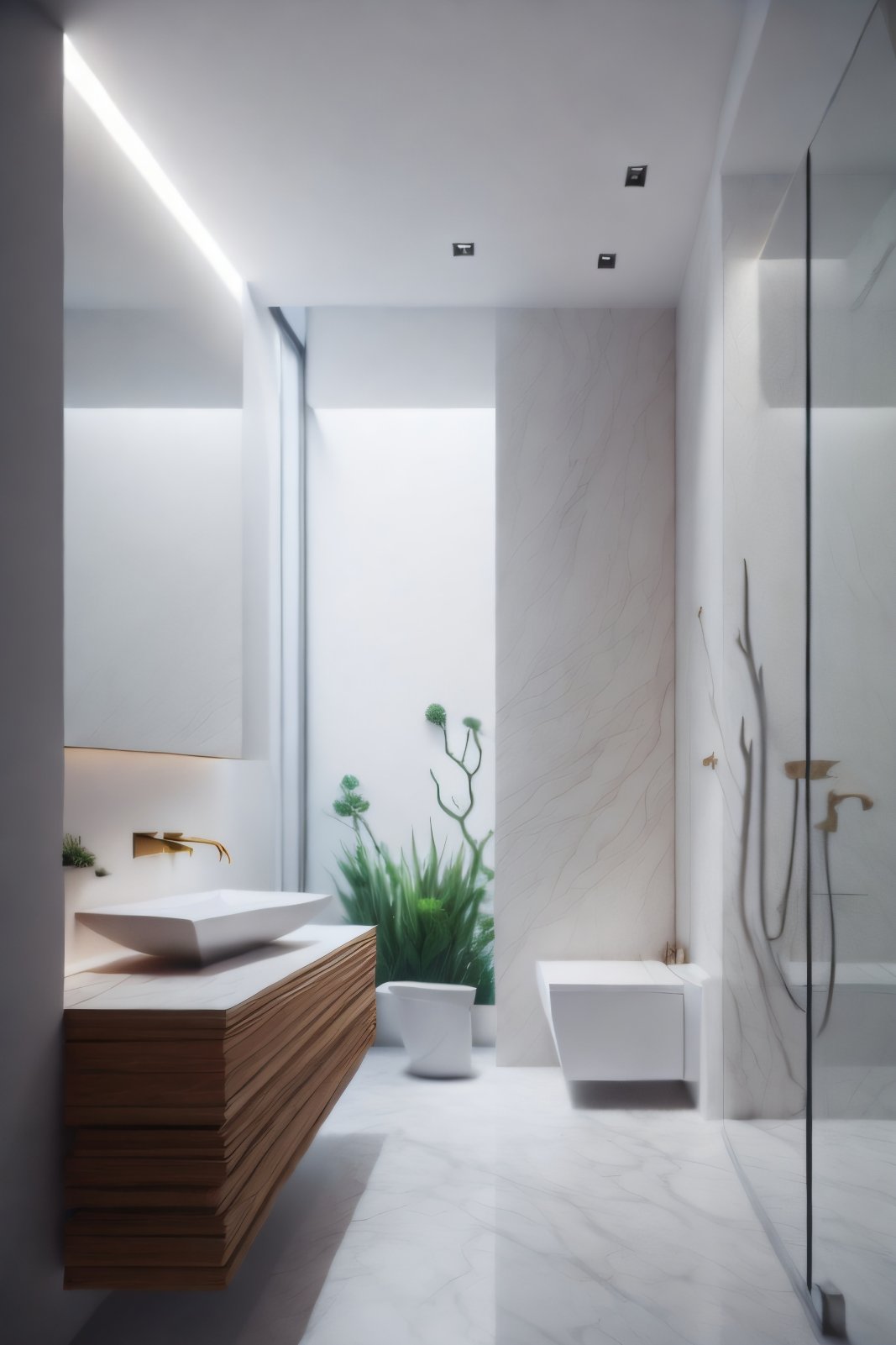
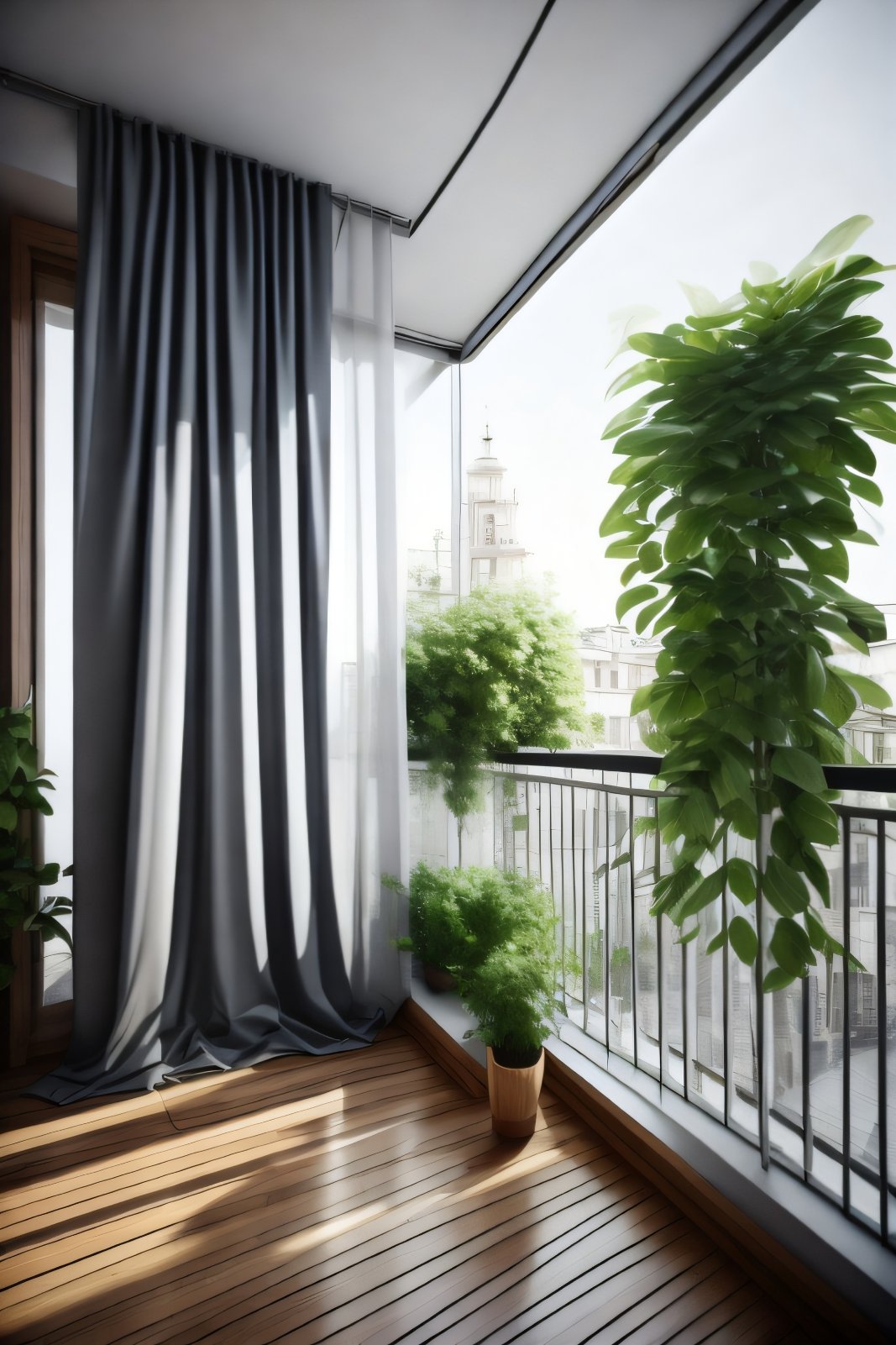
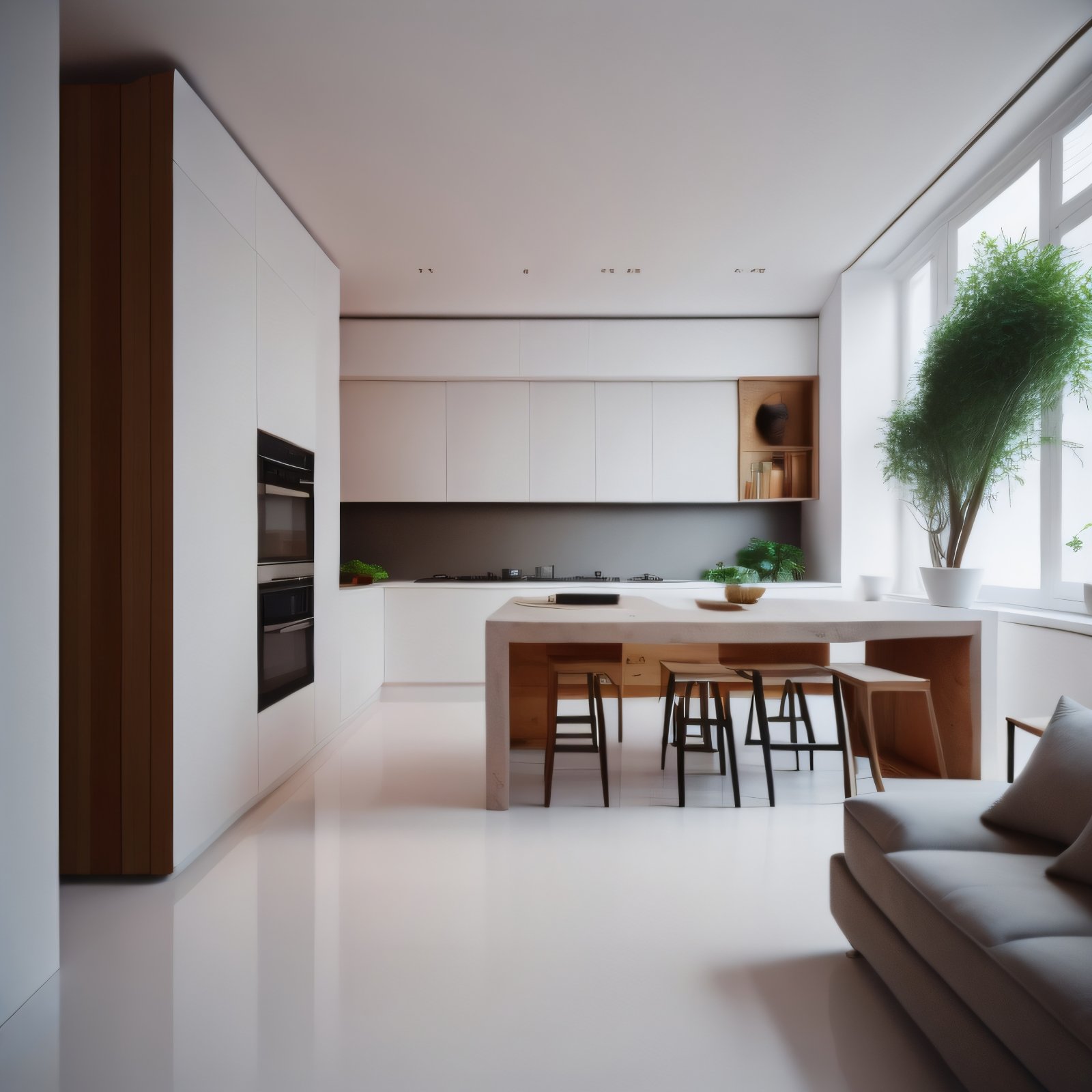
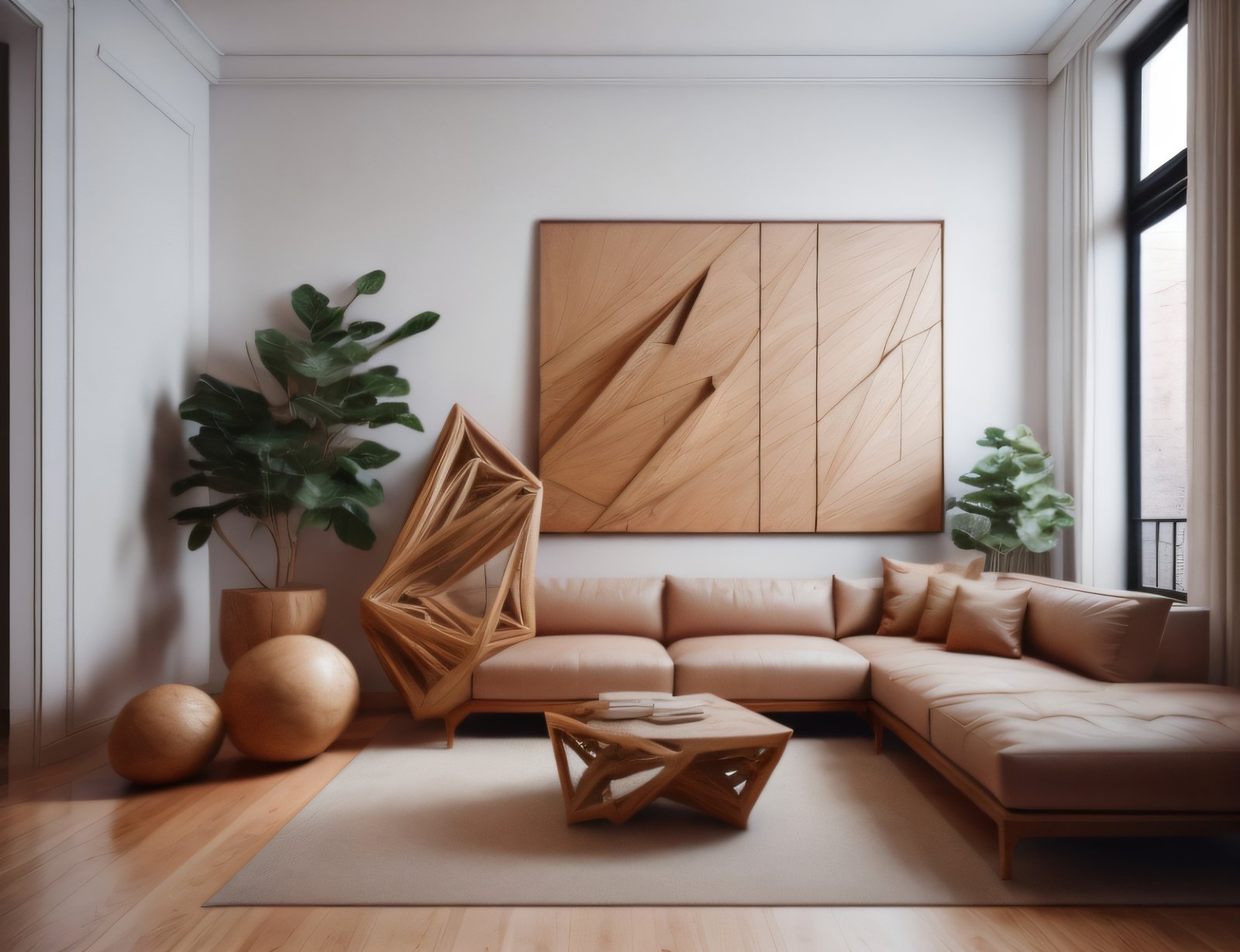
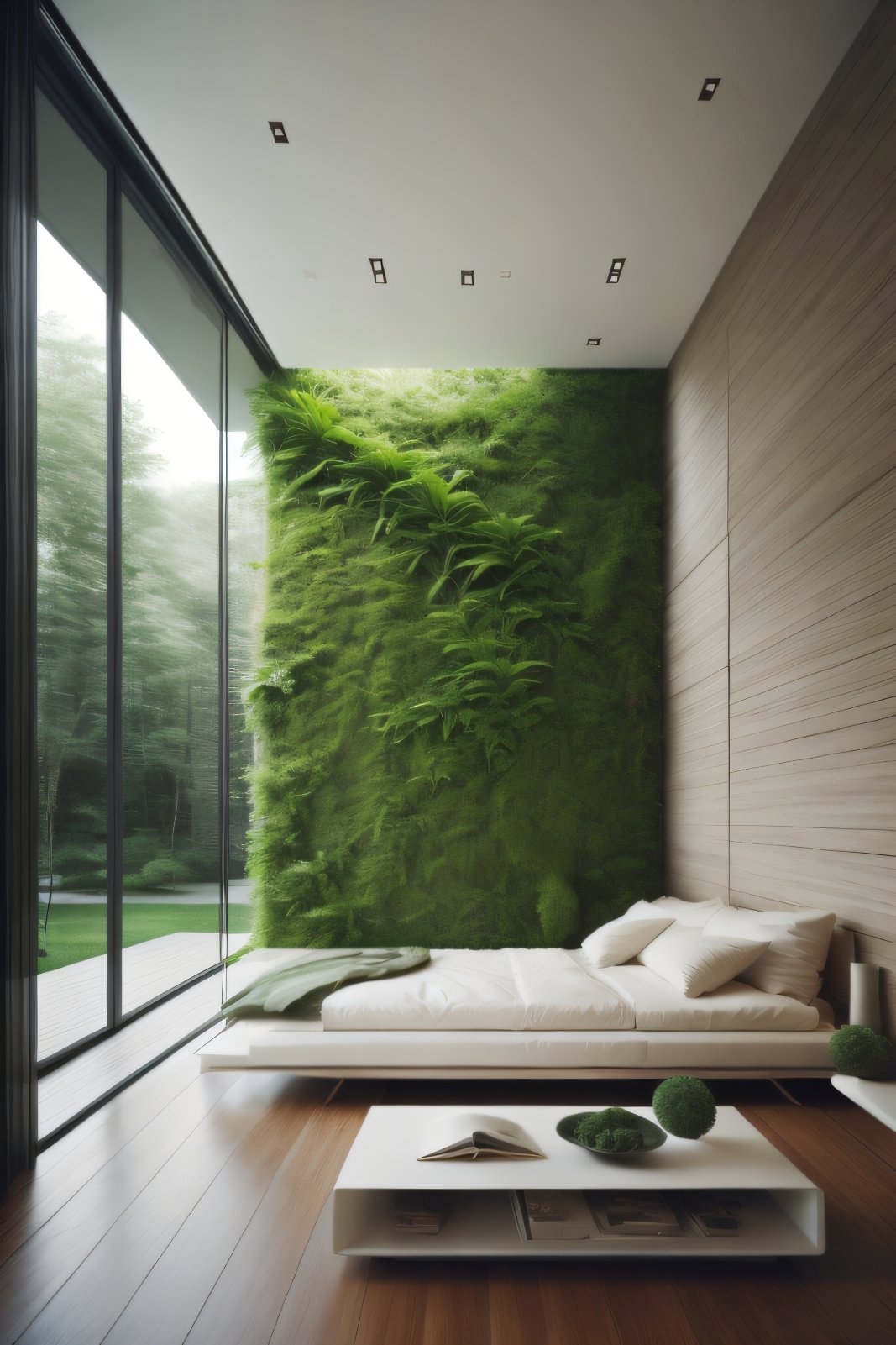
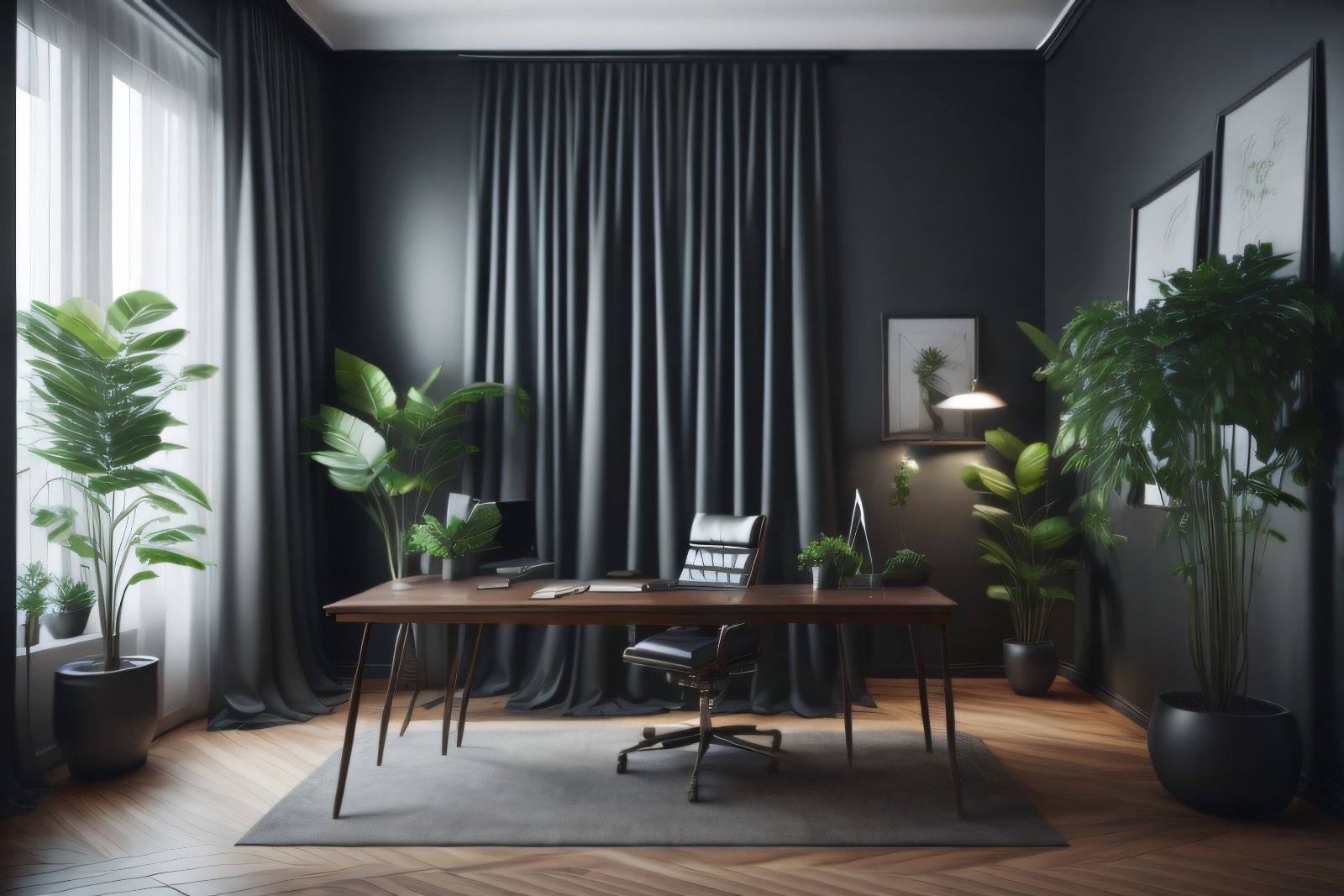
Eco-friendly interior design — Photos: