Create Comfort and Elegance with German Interior Style
Open the door to German interior style. Discover ideas, inspiration, and tips for creating a cozy and elegant space in your home. Embrace German quality and aesthetics in every detail.
German homes and interiors have always captivated attention with their precision, functionality, and high-quality craftsmanship. The simplicity and minimalism combined with a high level of comfort and convenience make the German style of interior design popular not only in Germany but around the world.
The German style, like all other styles, has its own unique features. One of the primary characteristics is the use of natural materials. Wood, stone, leather, glass, and metal form the basis of this style, creating a sense of reliability and quality, which is one of its main principles. Great attention is paid to details, and handmade work is often used in interior finishes.
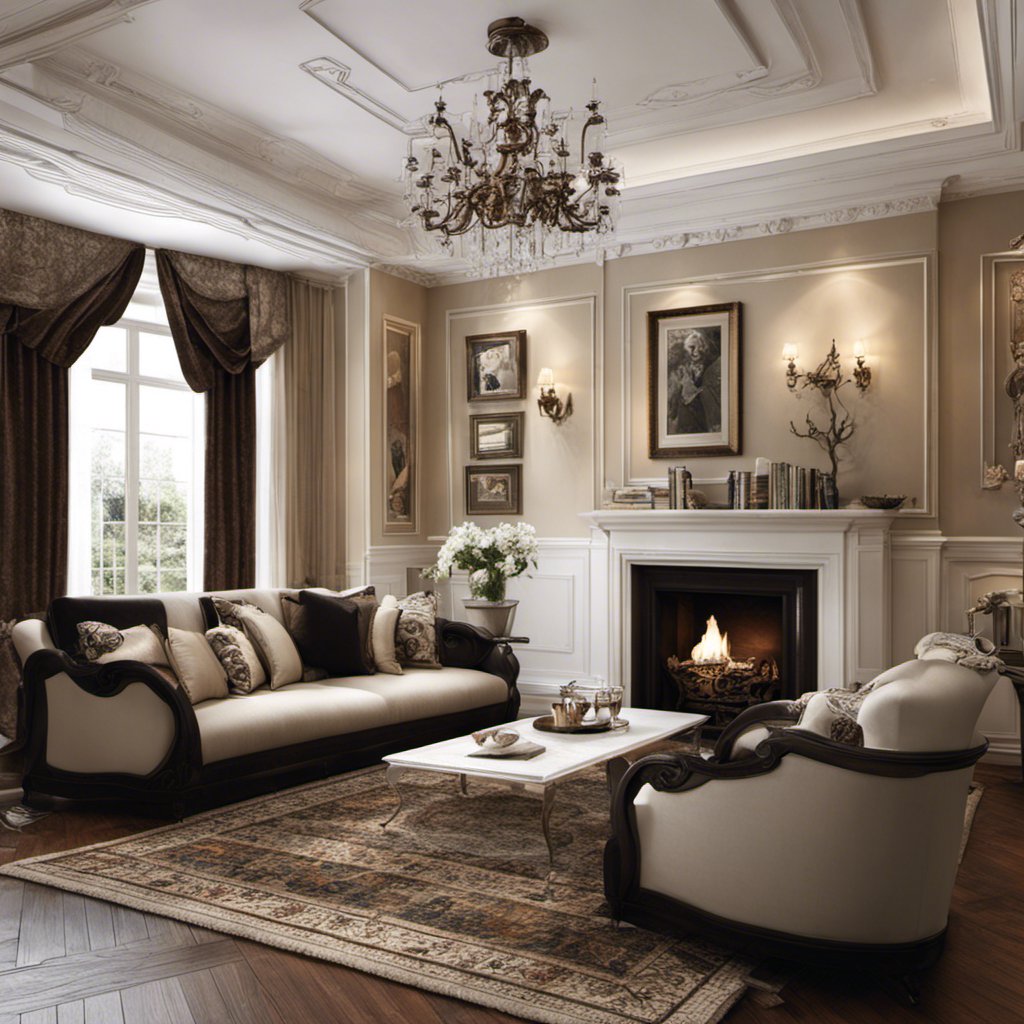
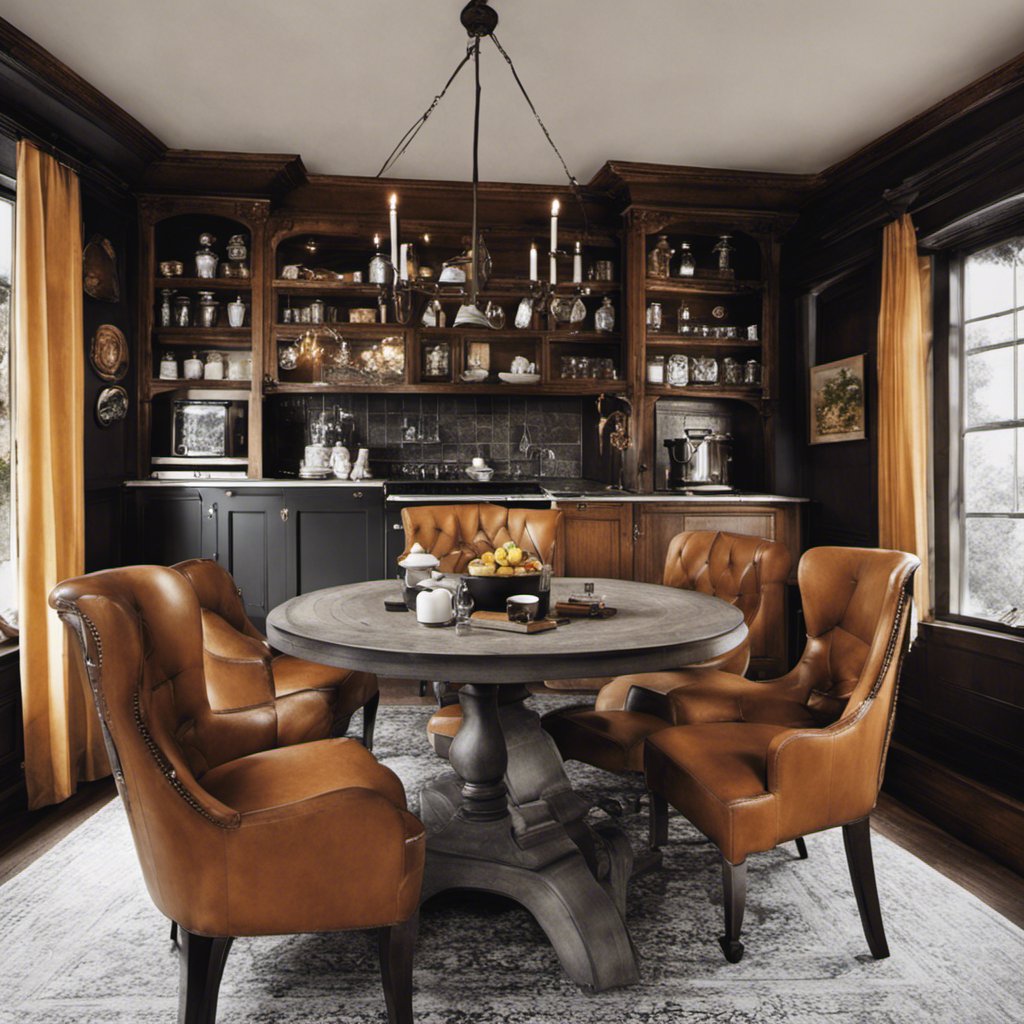
Distinctive Features
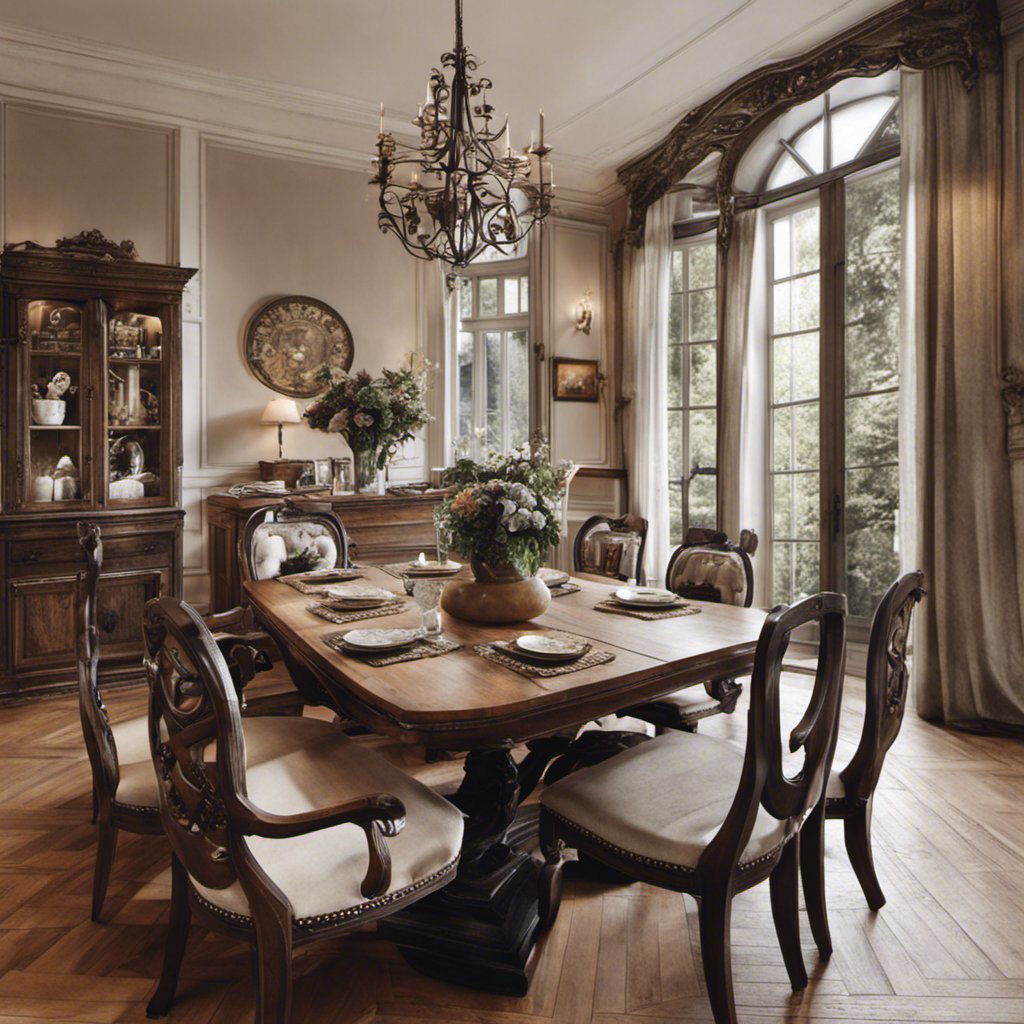
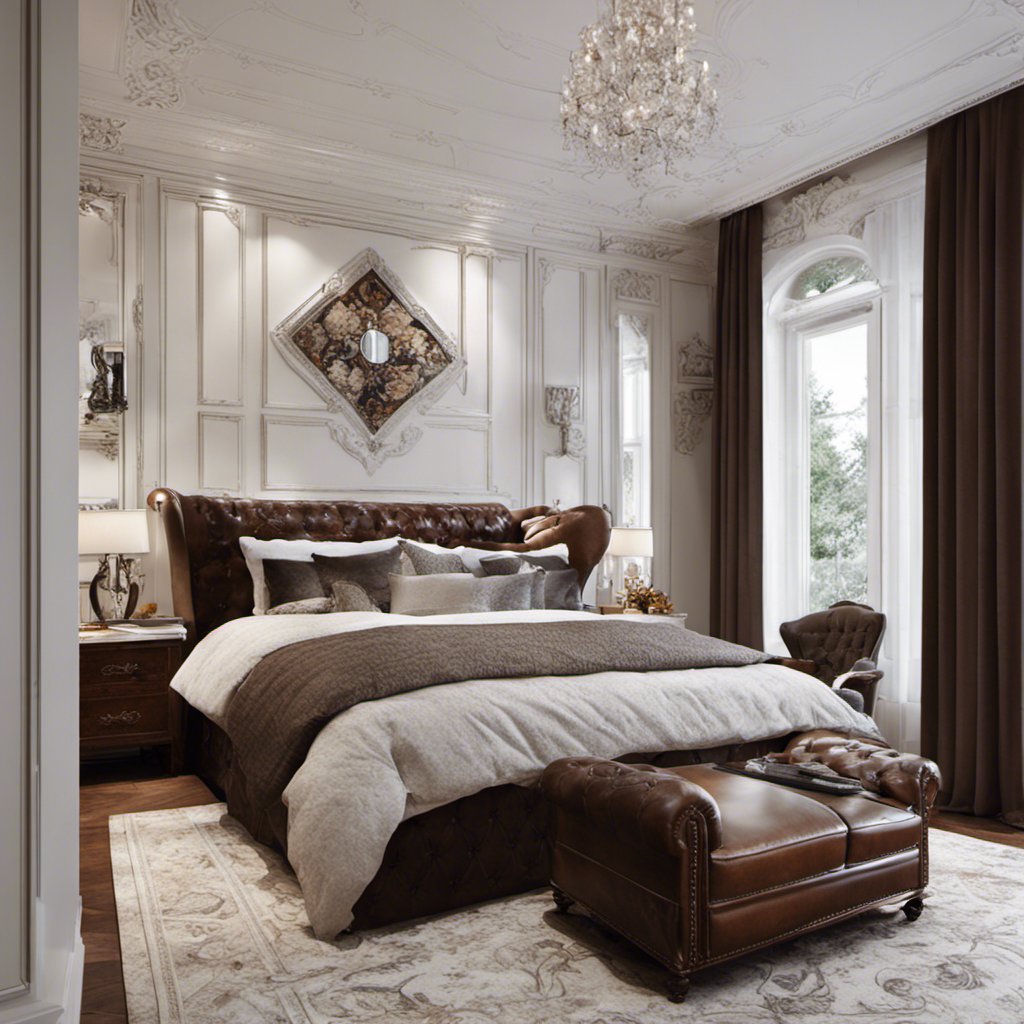
The German interior style, known for its precision and practicality, can also be reflected in the choice of colors and shades.
The color palette is usually very balanced, utilizing neutral tones that soothe and give the space a sense of harmony.
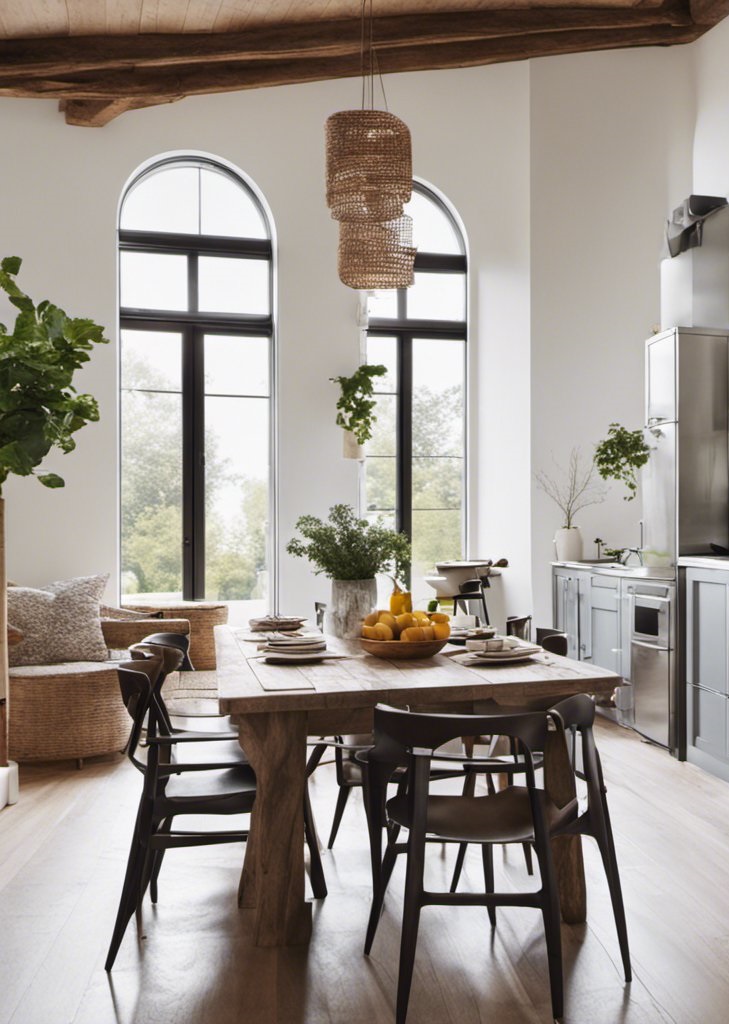
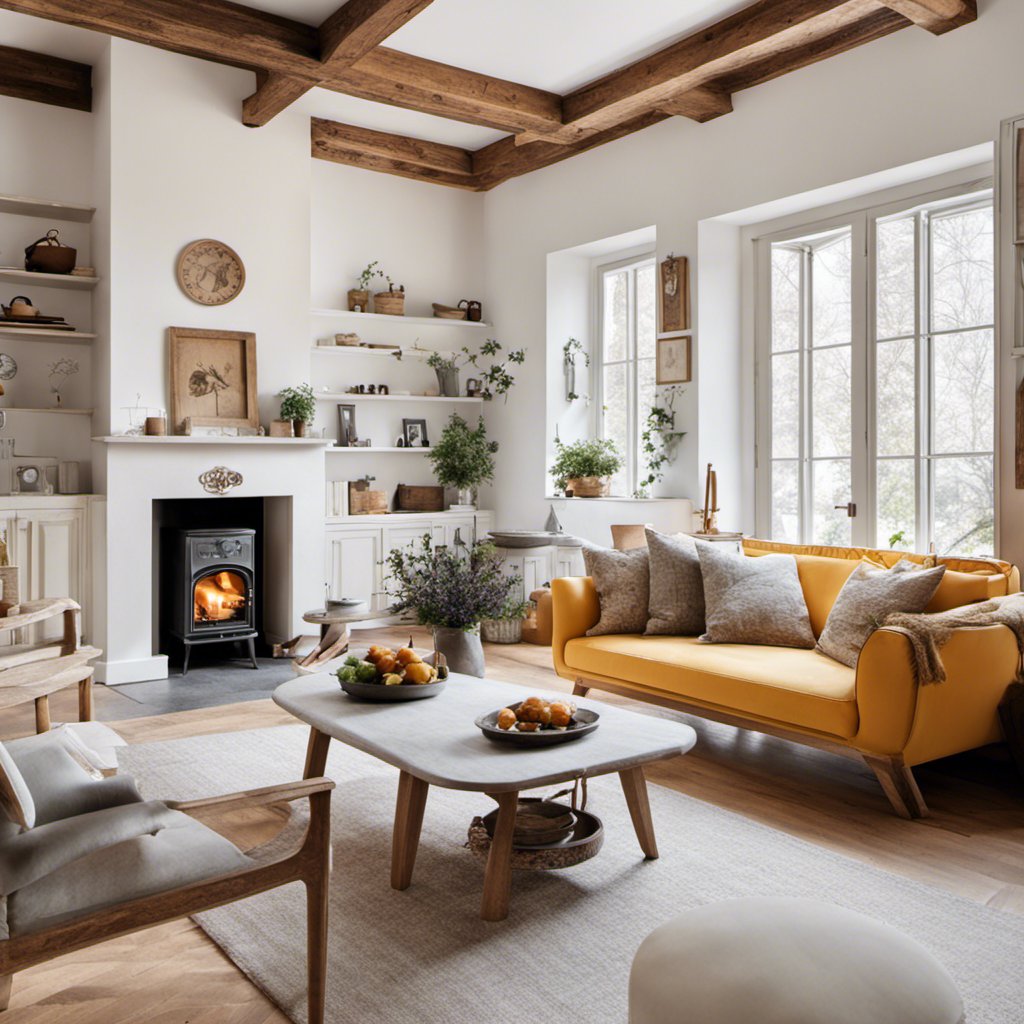
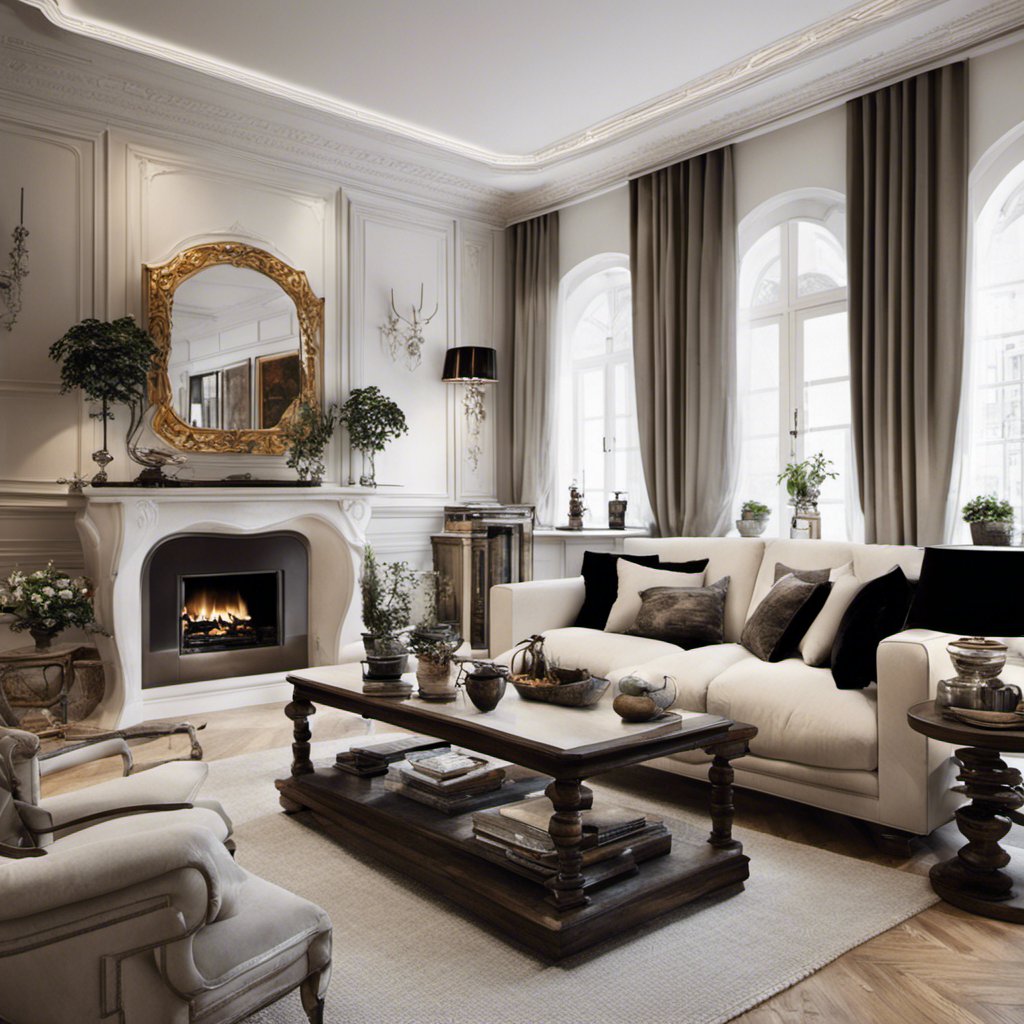
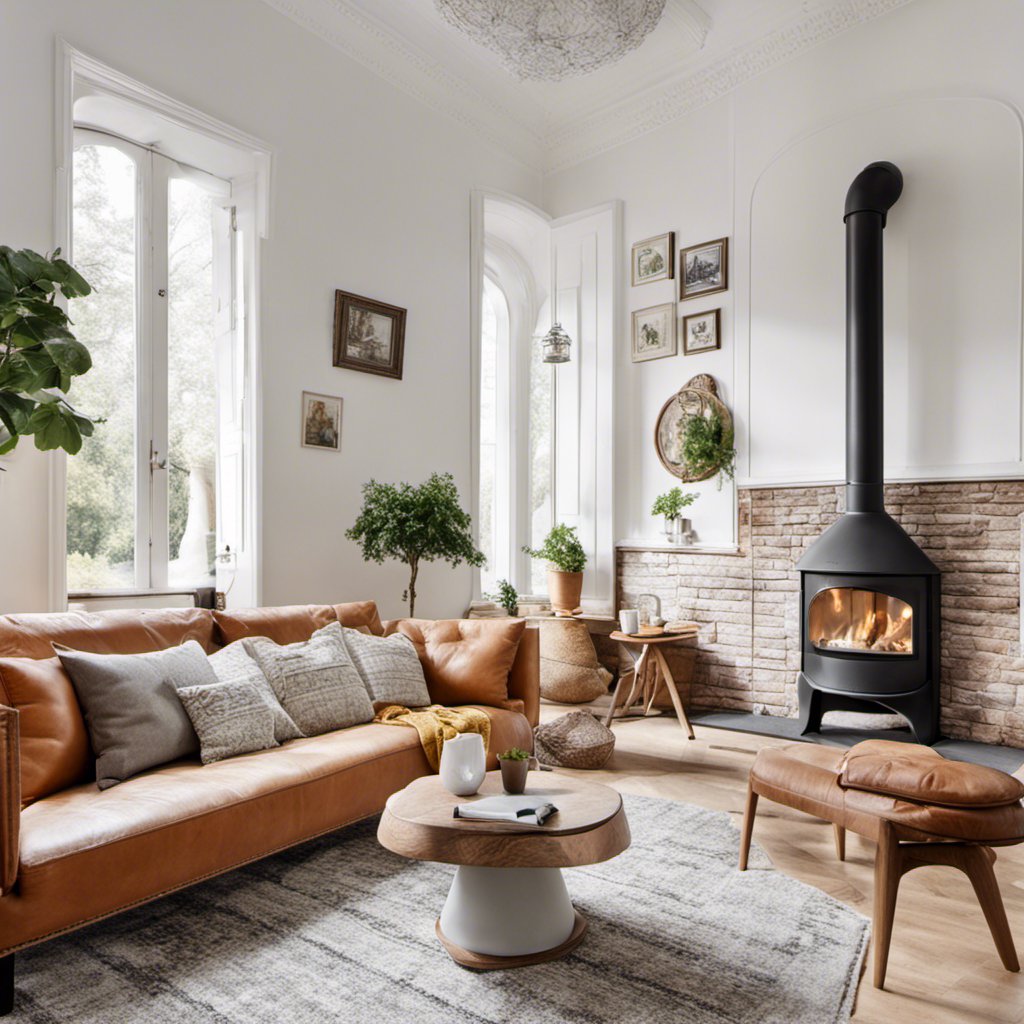
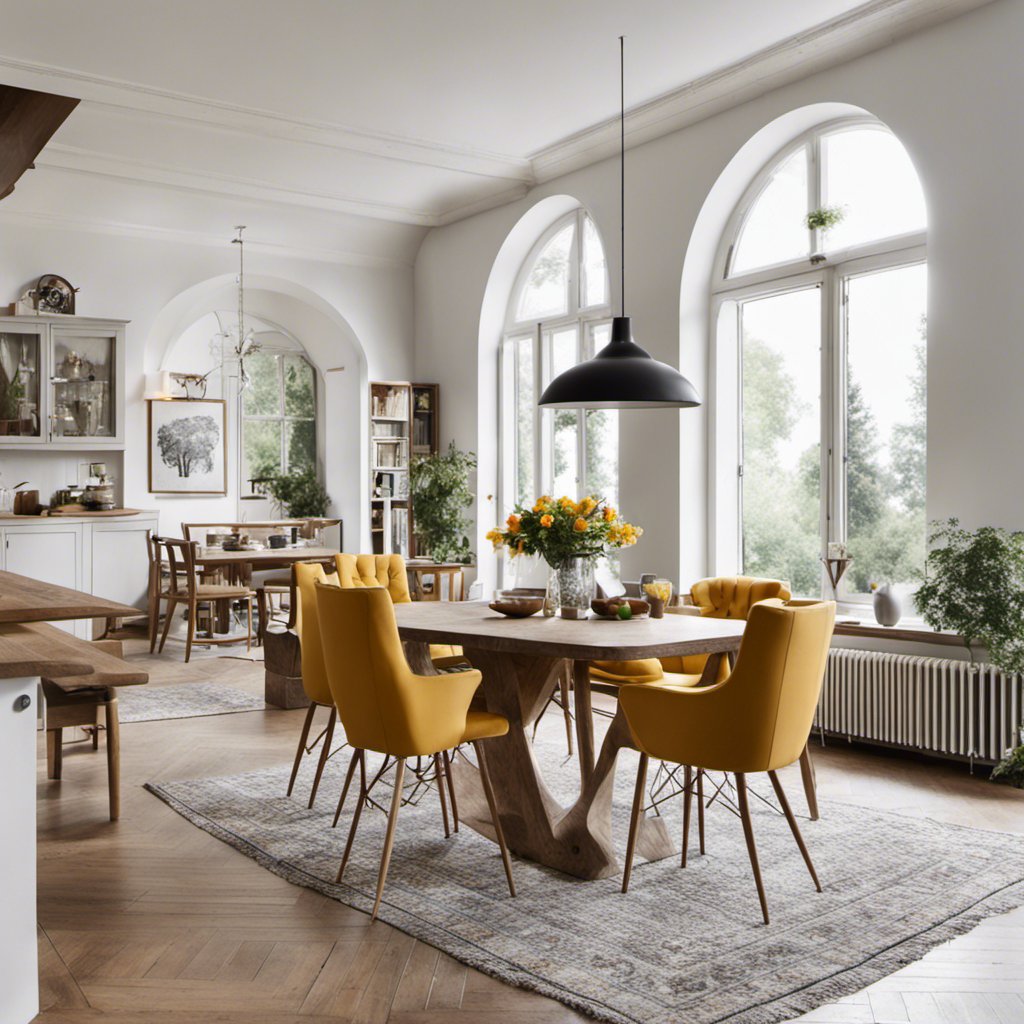
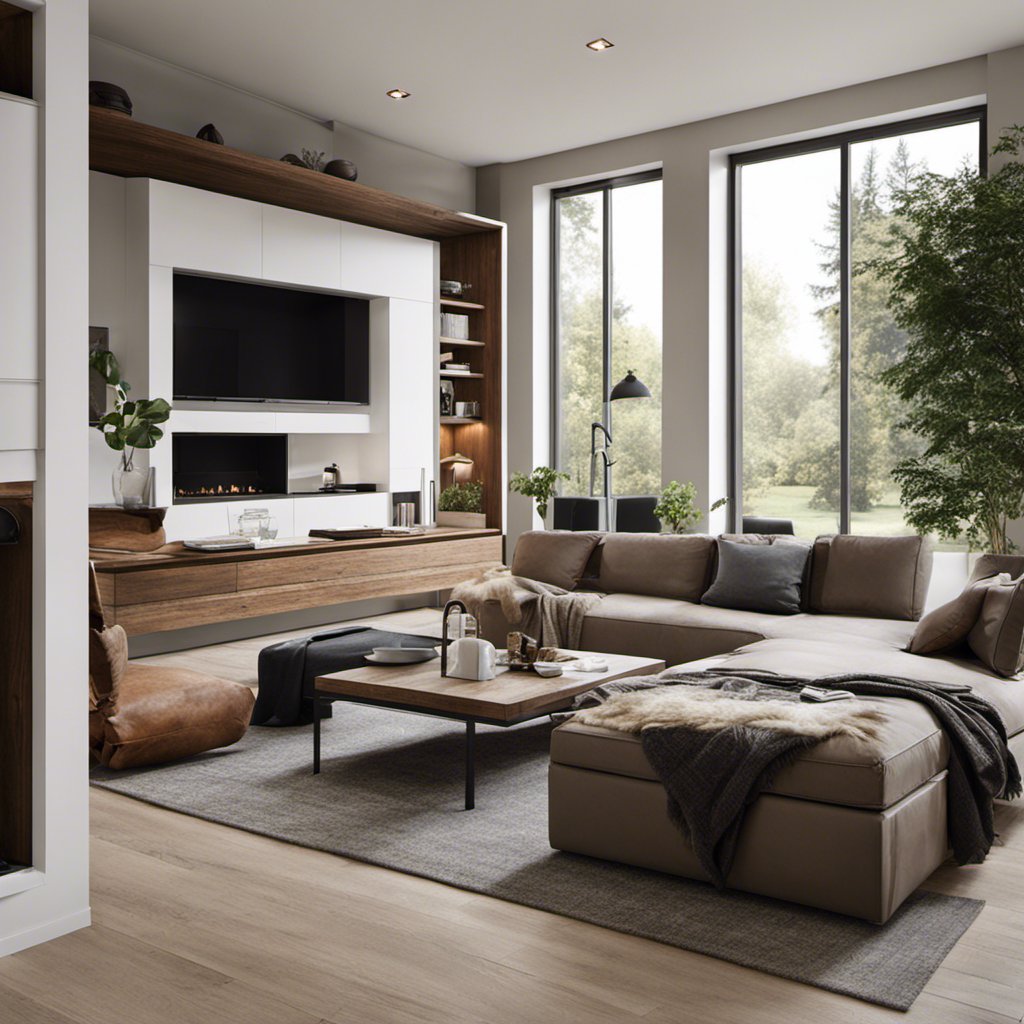
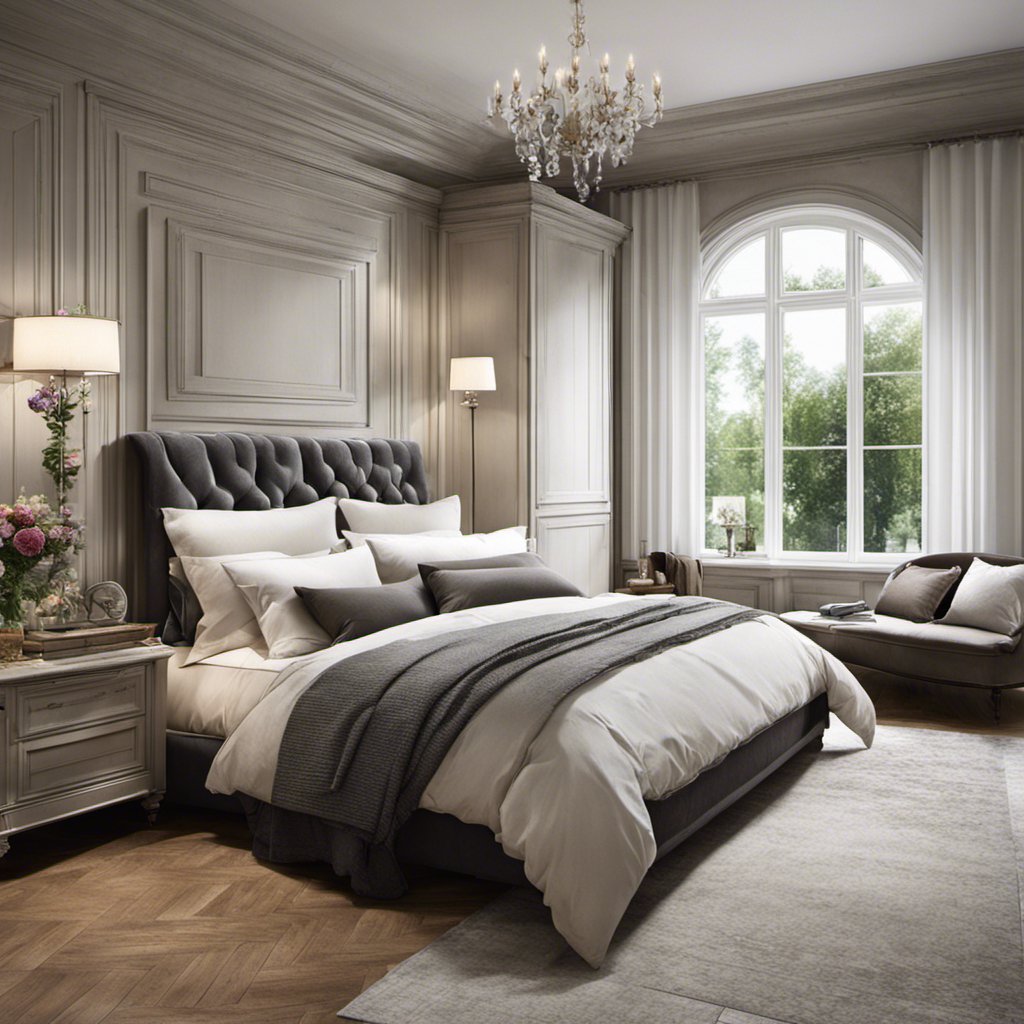
One of the most popular colors is white. White is used abundantly and forms the primary backdrop for other interior elements. White walls, ceilings, and furniture create a sense of light and space, making the room feel more pleasant and cozy.
However, this style doesn't exclude the use of other colors. Color accents can be introduced through textures and finishes. For instance, wooden furniture elements can be in warm shades of brown or beige, adding warmth and a natural touch to the room.
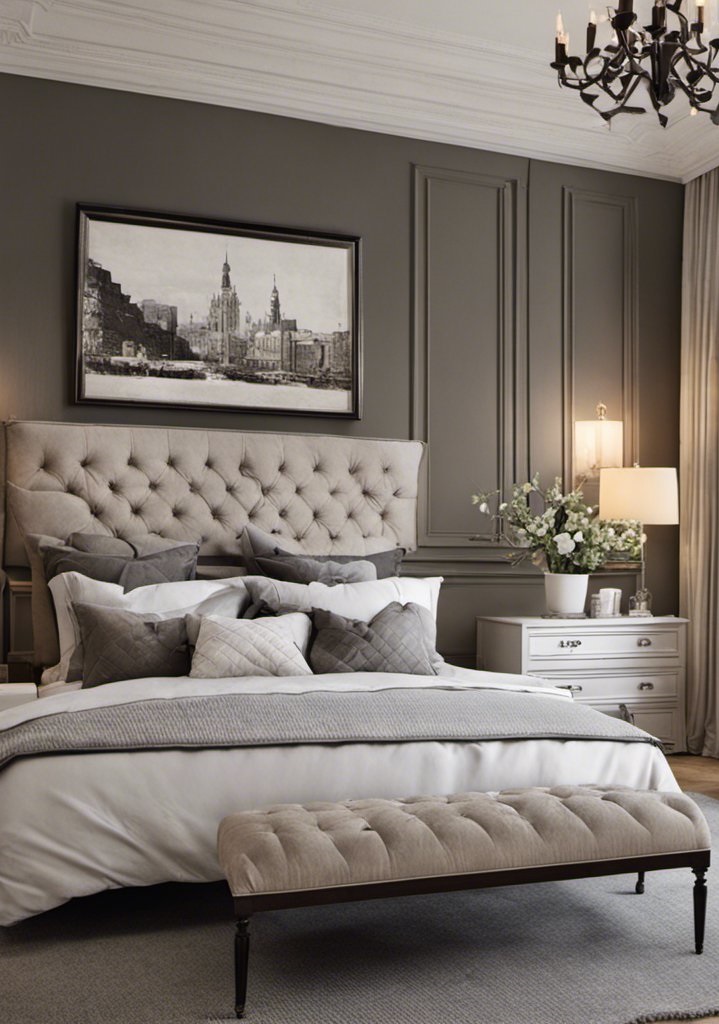
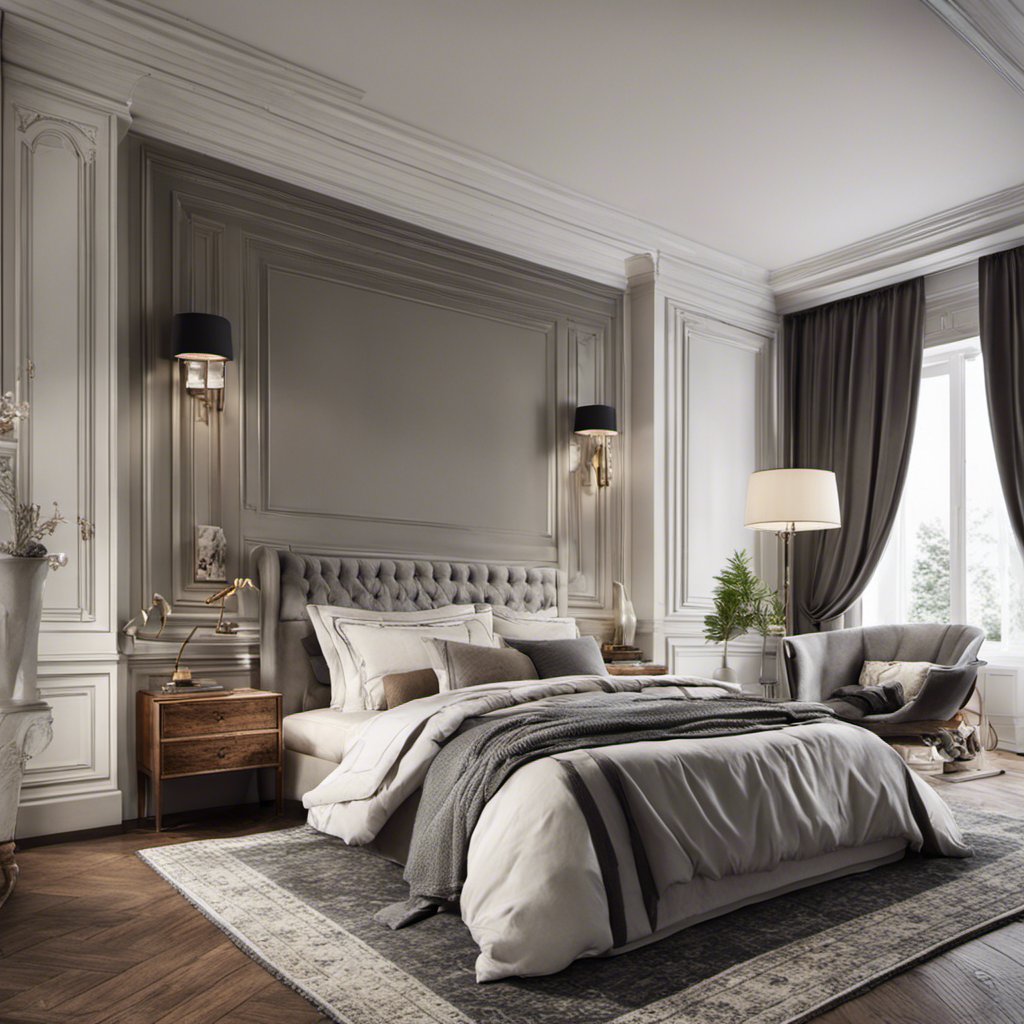
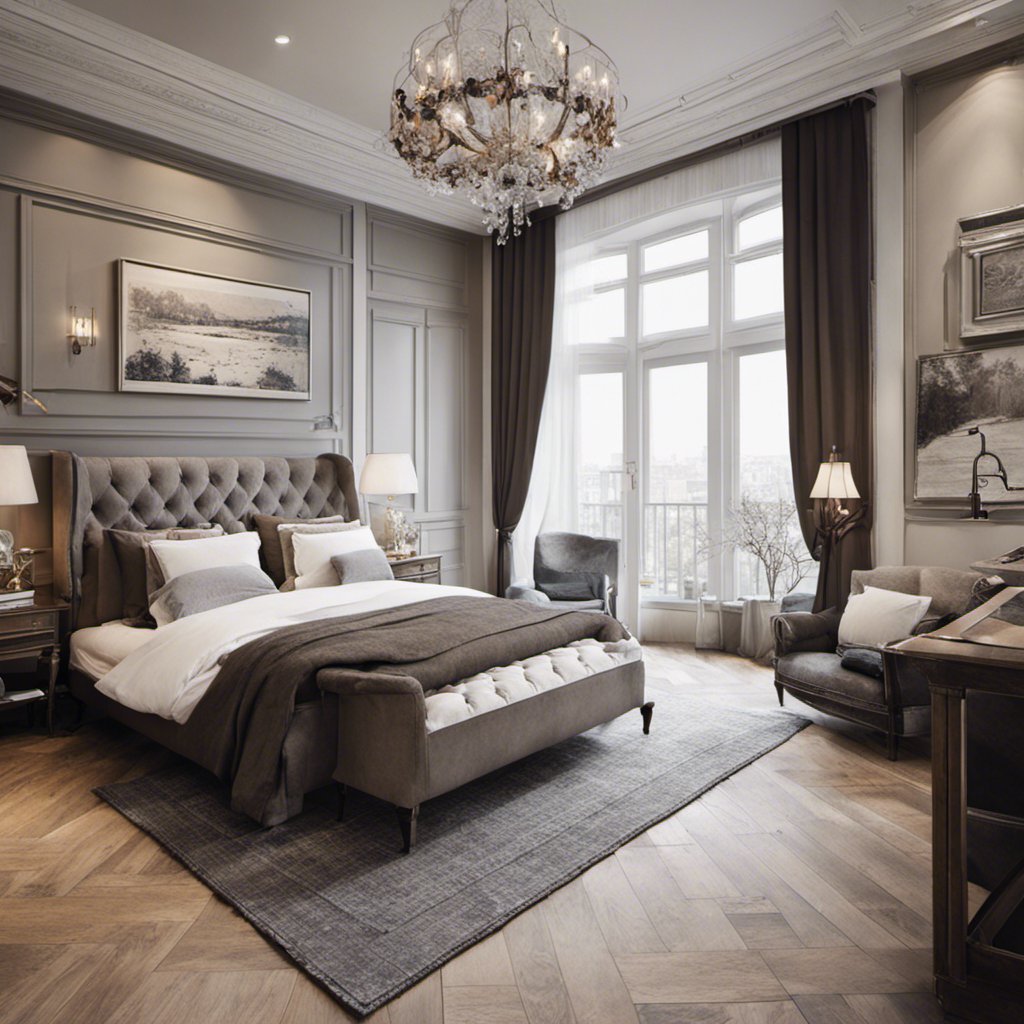
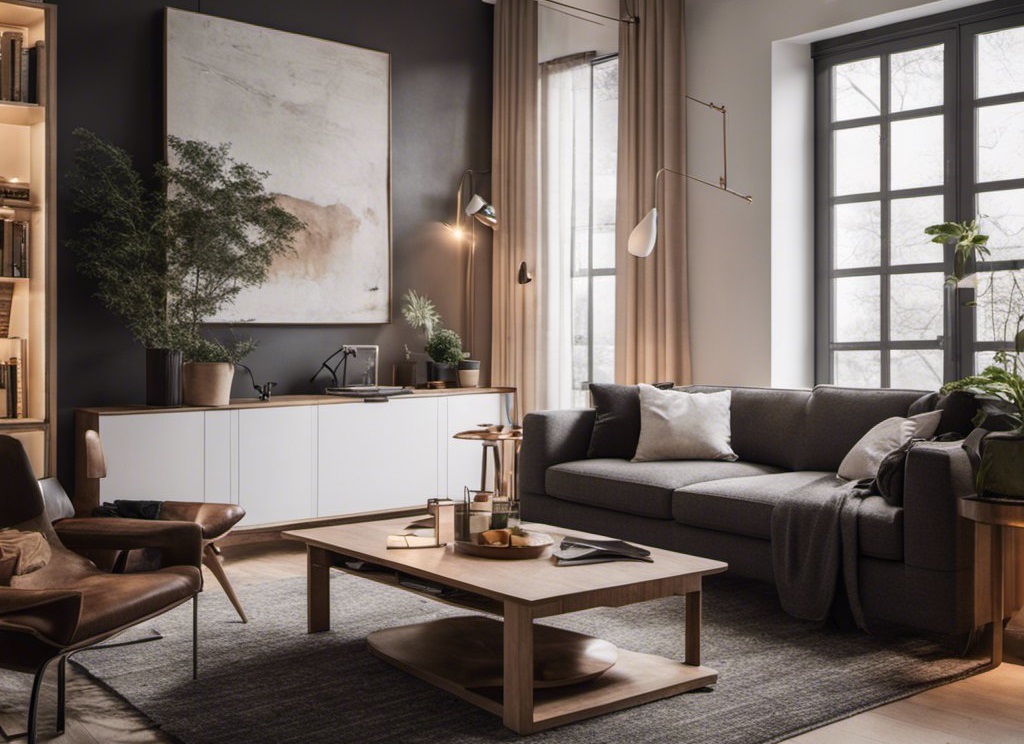
Additionally, the German interior style often incorporates blue and gray hues. Blue and gray shades can be used to create a pleasant atmosphere in the bedroom or living room. Soft blue walls or gray wallpapers can create a relaxing ambiance and serve as an excellent backdrop for other interior elements.
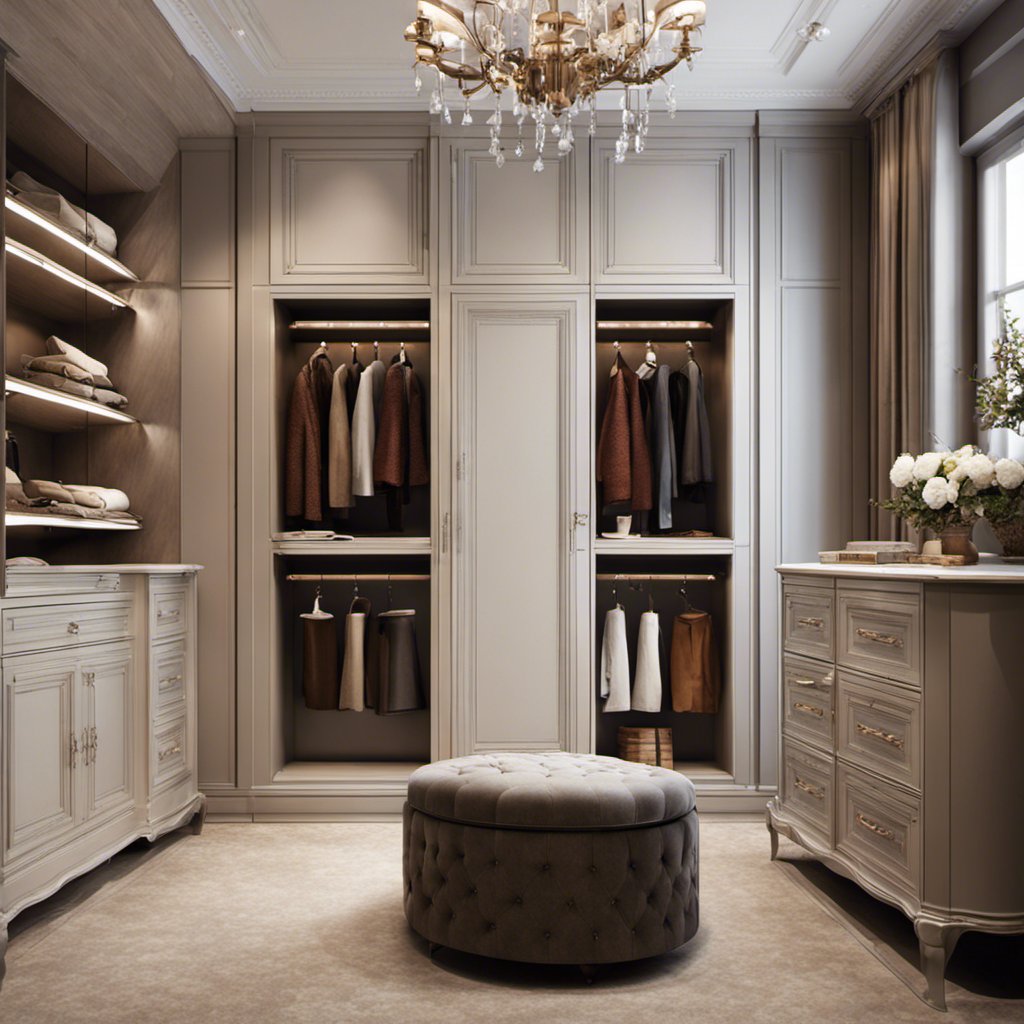
Neutral shades such as beige and brown are also popular. These colors help create a cozy and warm atmosphere in the home. Beige walls and furniture blend well with other tones and bring a sense of calm and comfort to the space.
As with all interior styles, particular attention is paid to choosing the right shades that complement each other and create a unified harmony. The colors and shades should be restrained but at the same time create a comfortable and cozy atmosphere for the residents.
Due to its moderation and neatness, it is an excellent choice for those who appreciate minimalism and functionality. The color palette in this style helps create a calm and harmonious space where every detail is well-thought-out, and the colors serve as a backdrop, highlighting the beauty and perfection of German design.
Finishing Materials
Finishing is an essential part of creating an elegant and understated atmosphere. The materials used in this style should seamlessly blend with the overall design of the space, highlighting its sophistication and functionality.
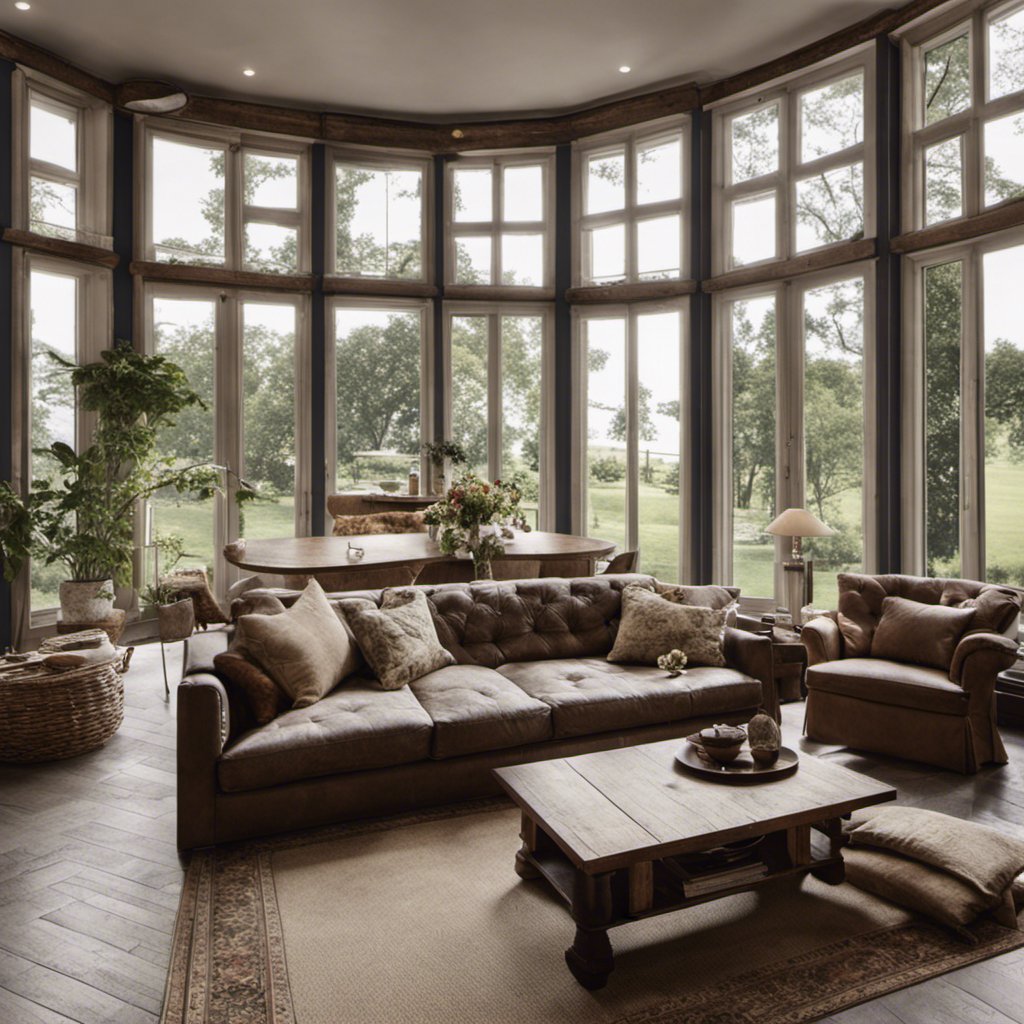
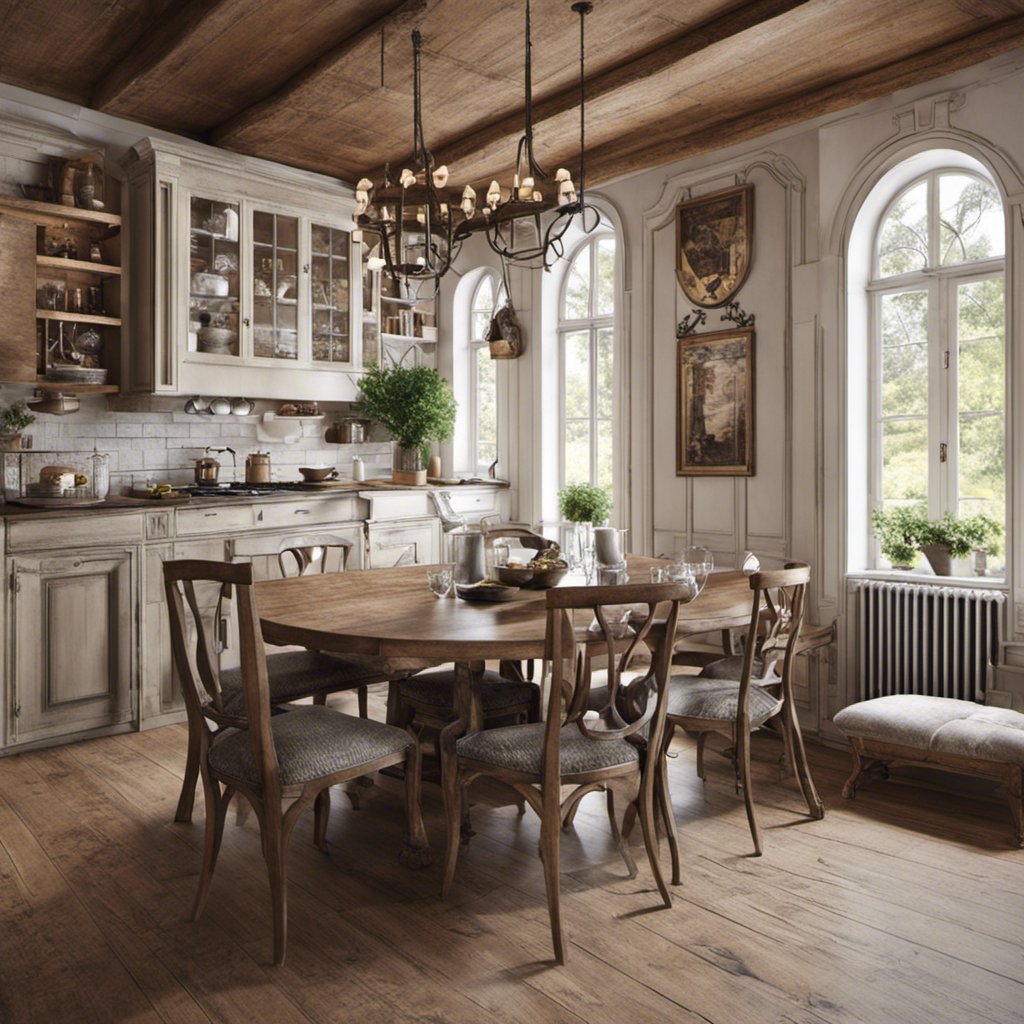
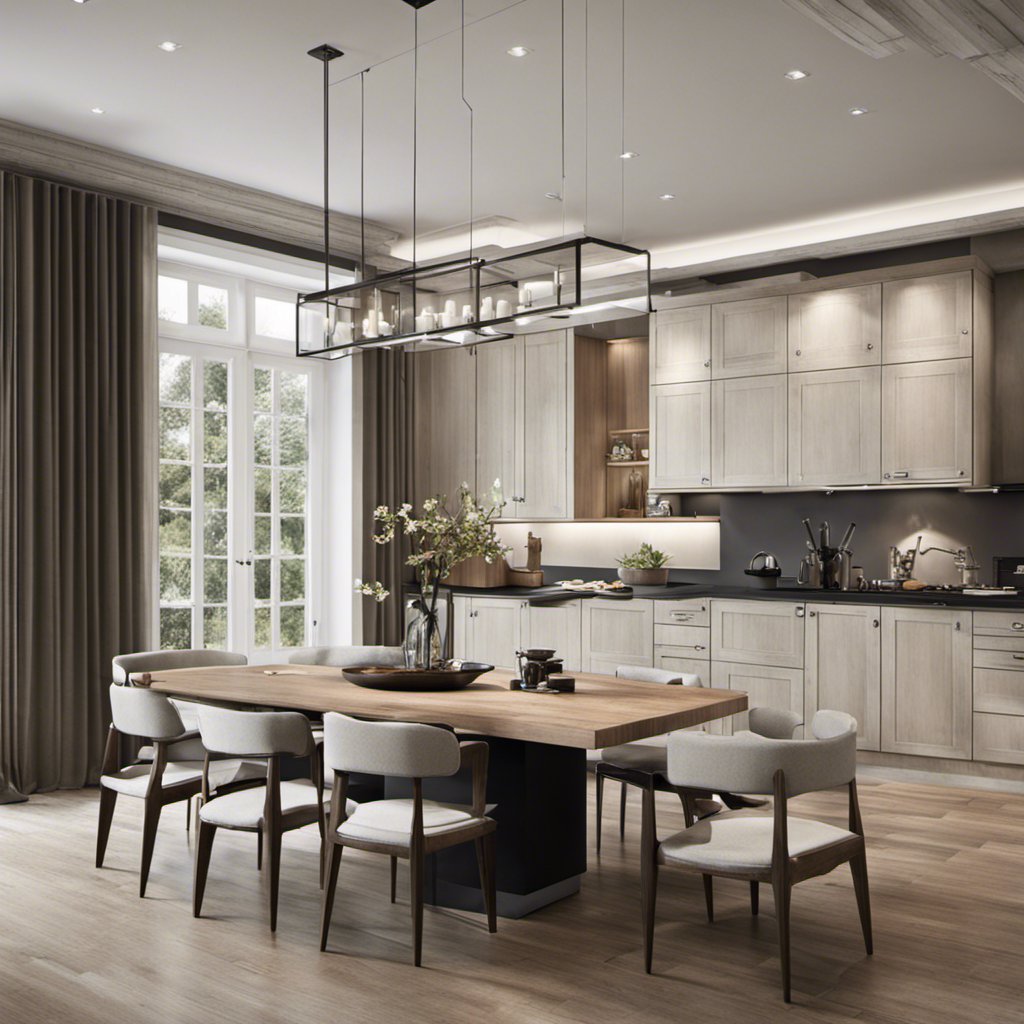
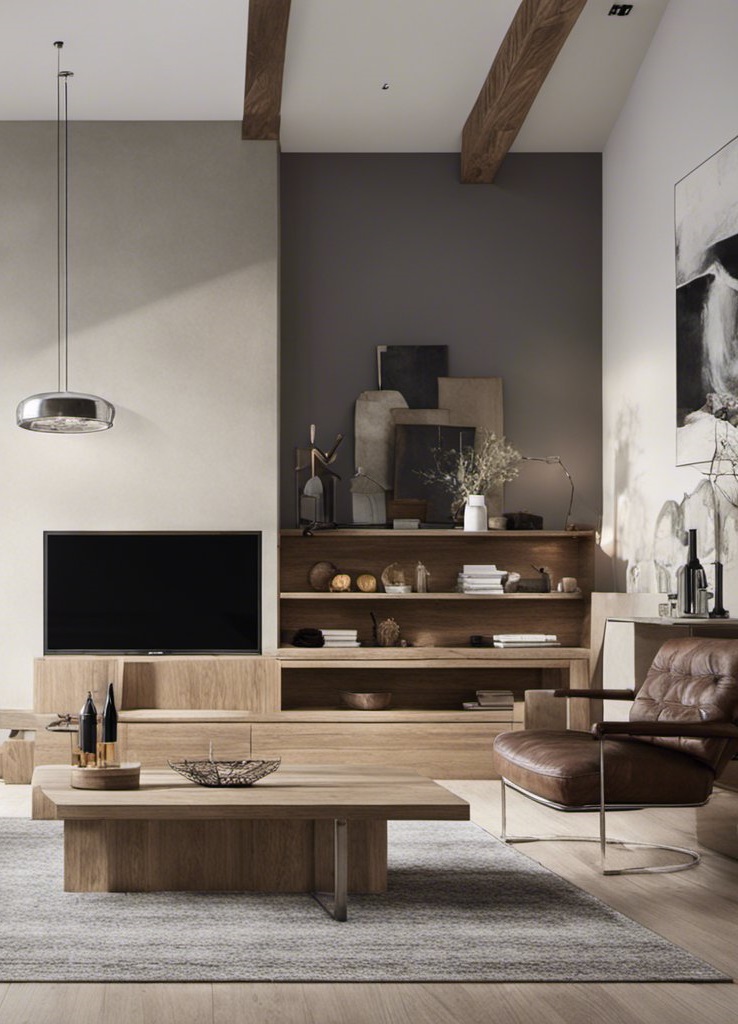
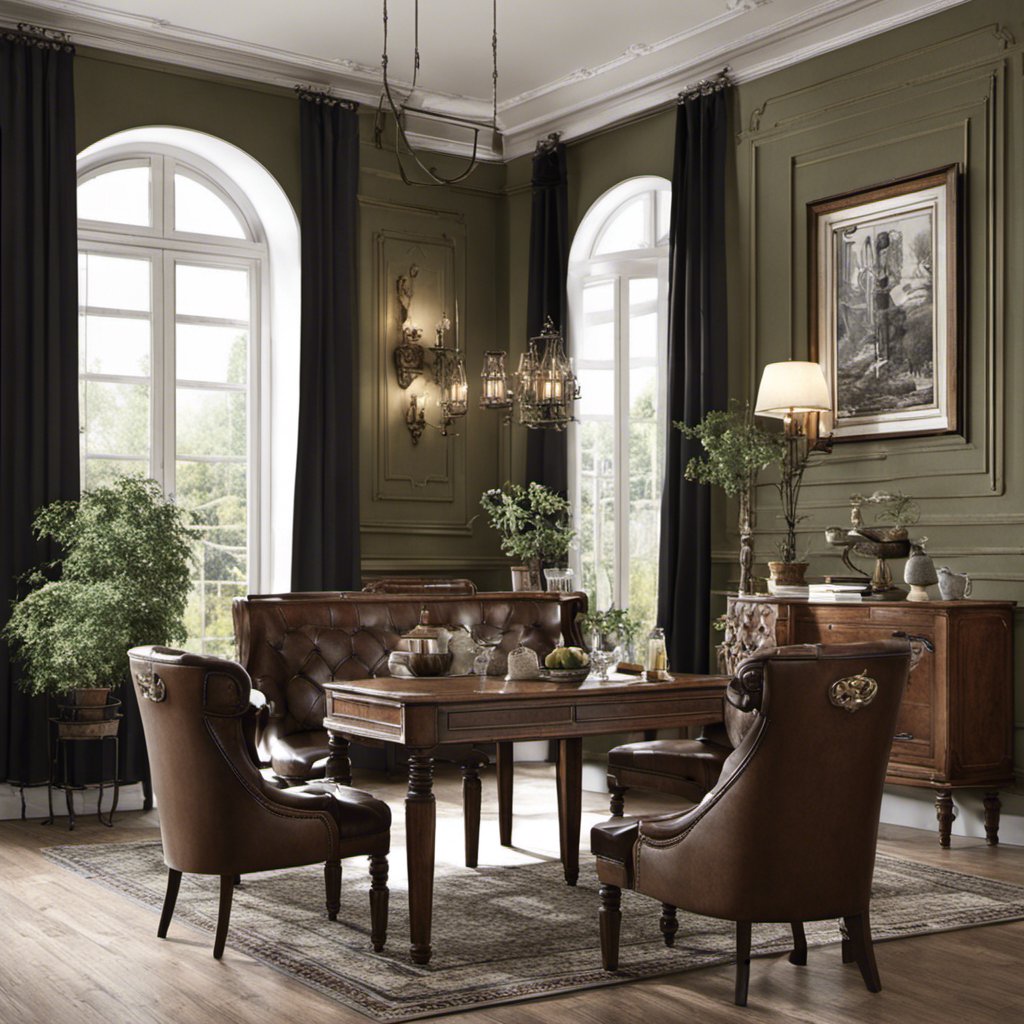
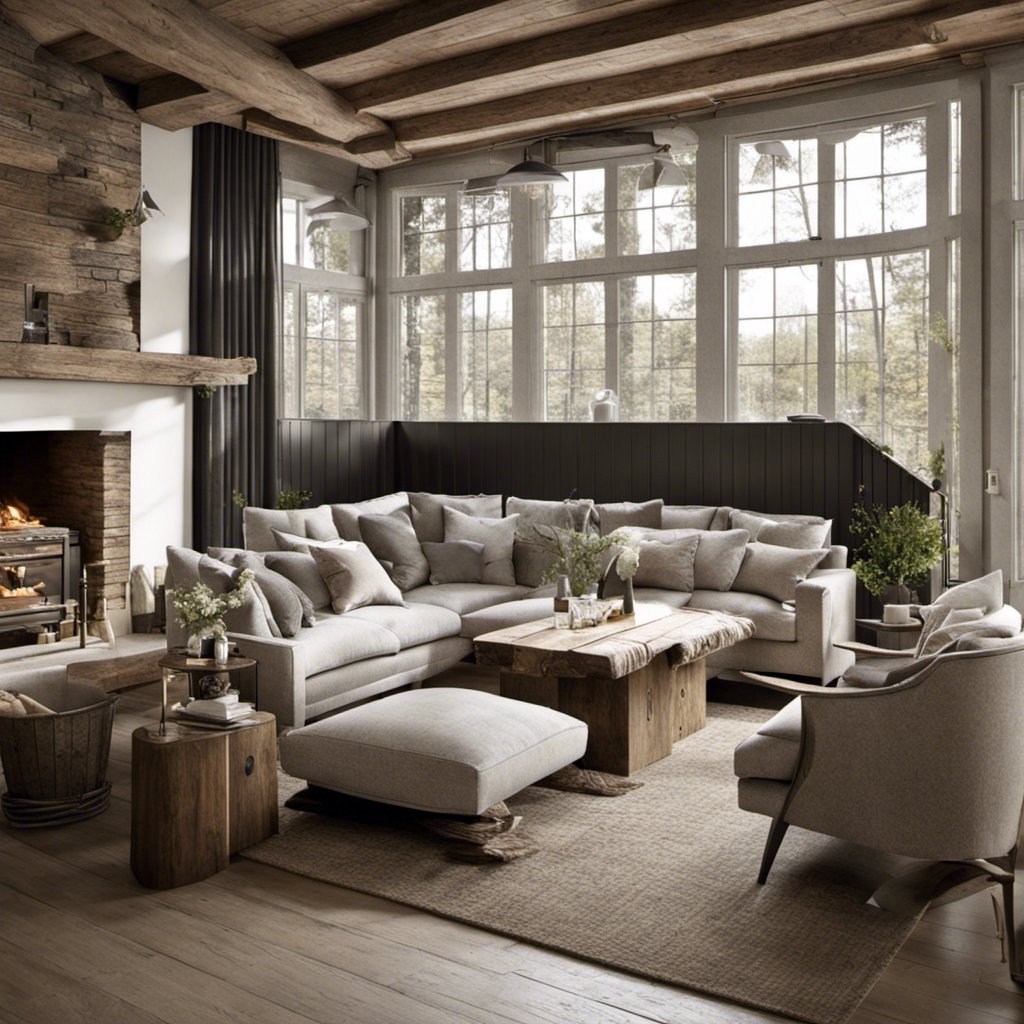
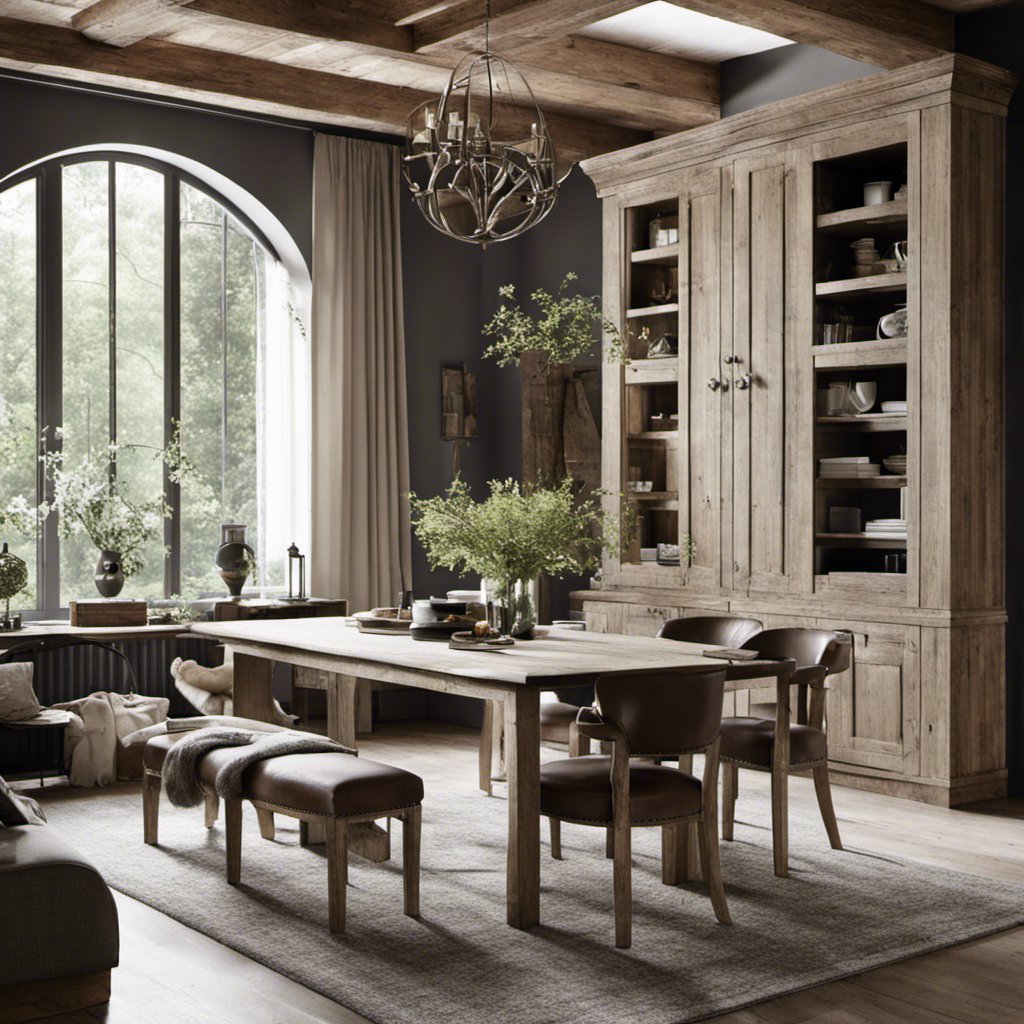
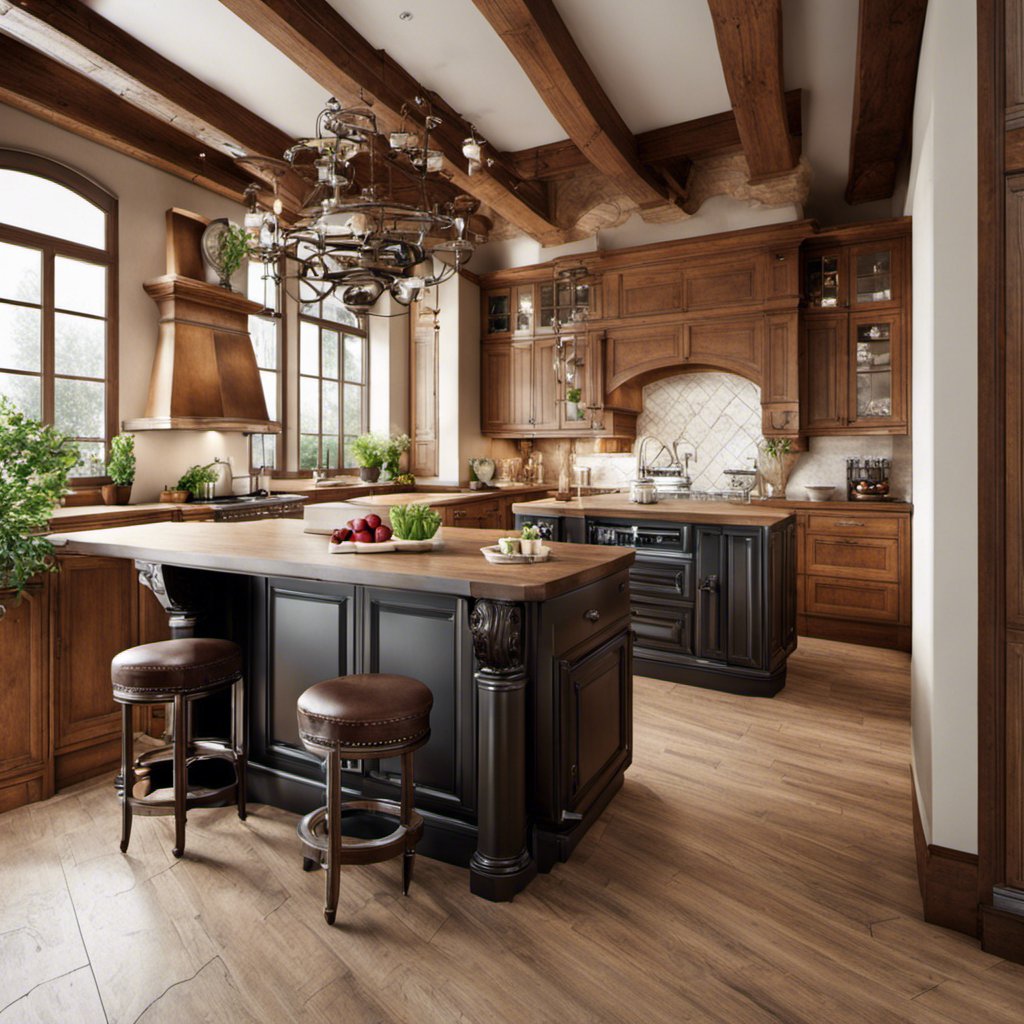
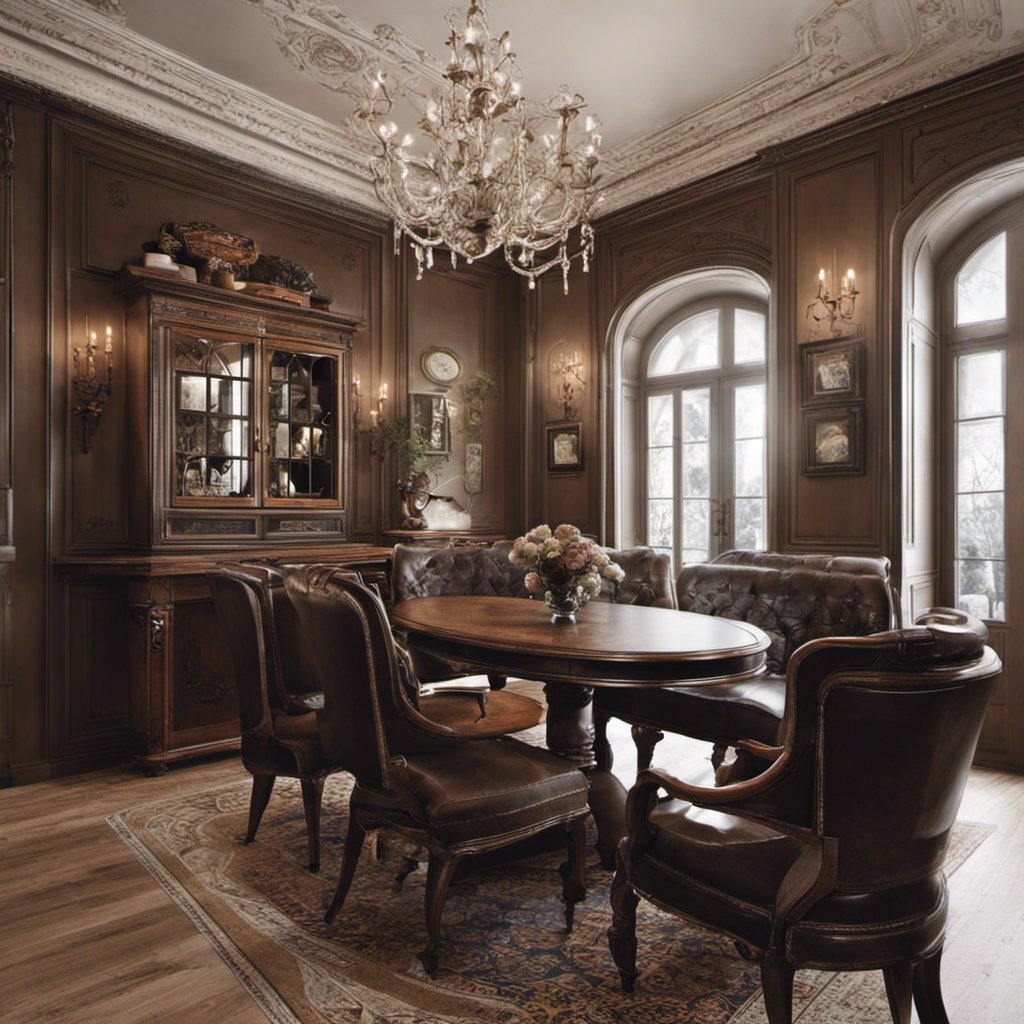
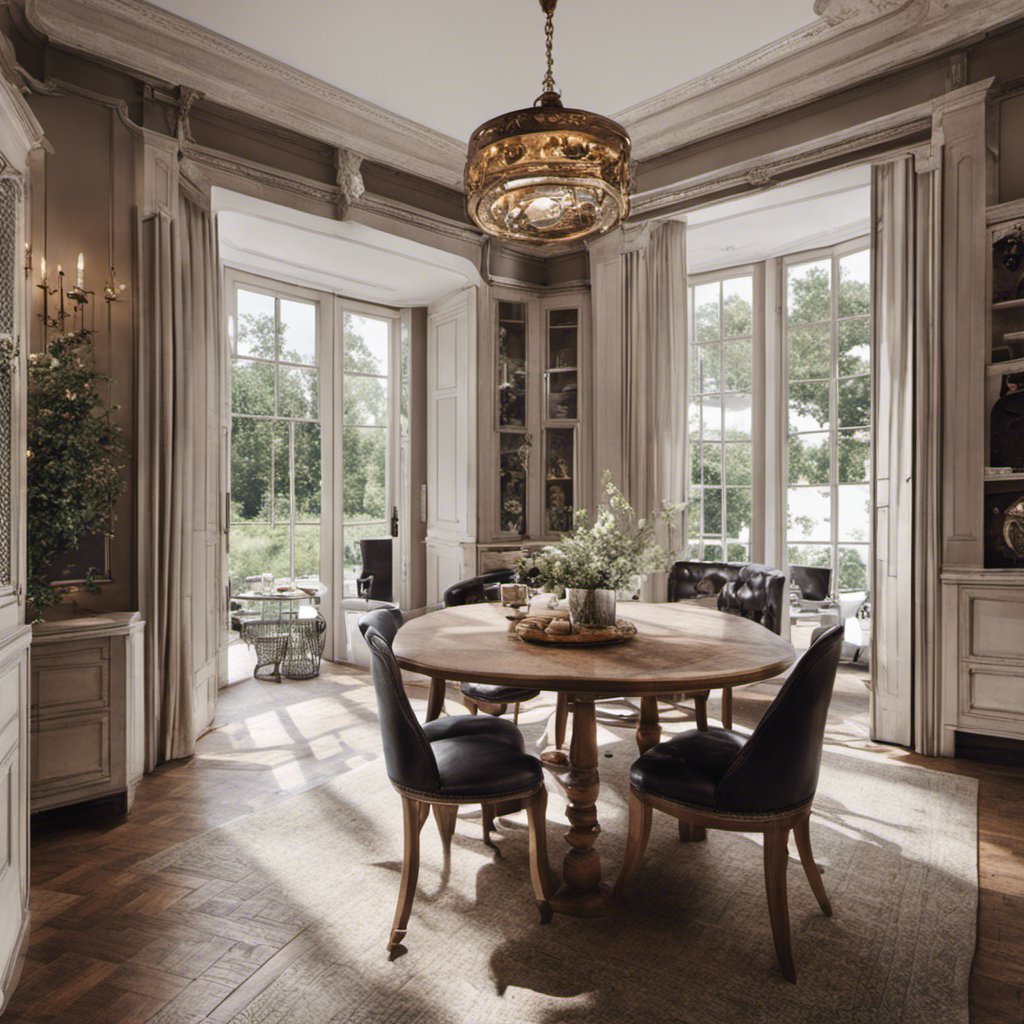
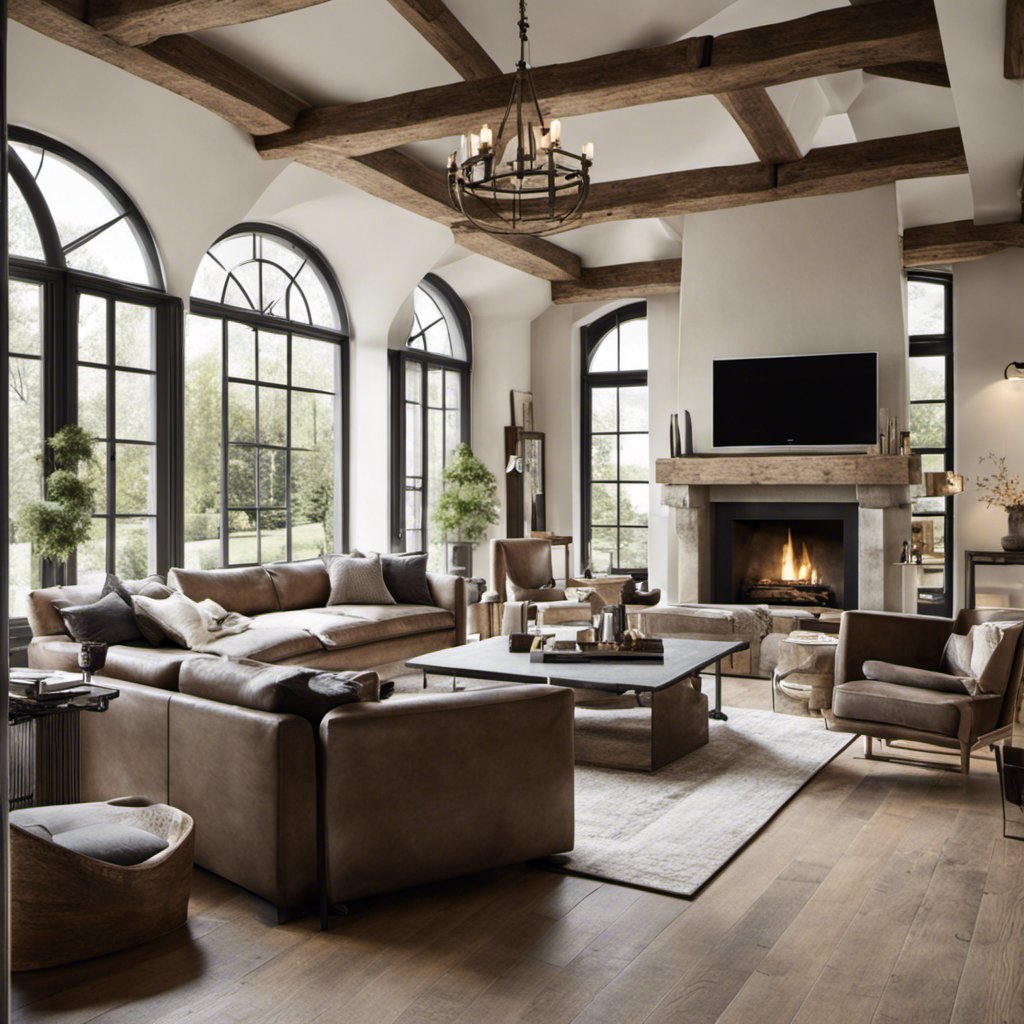
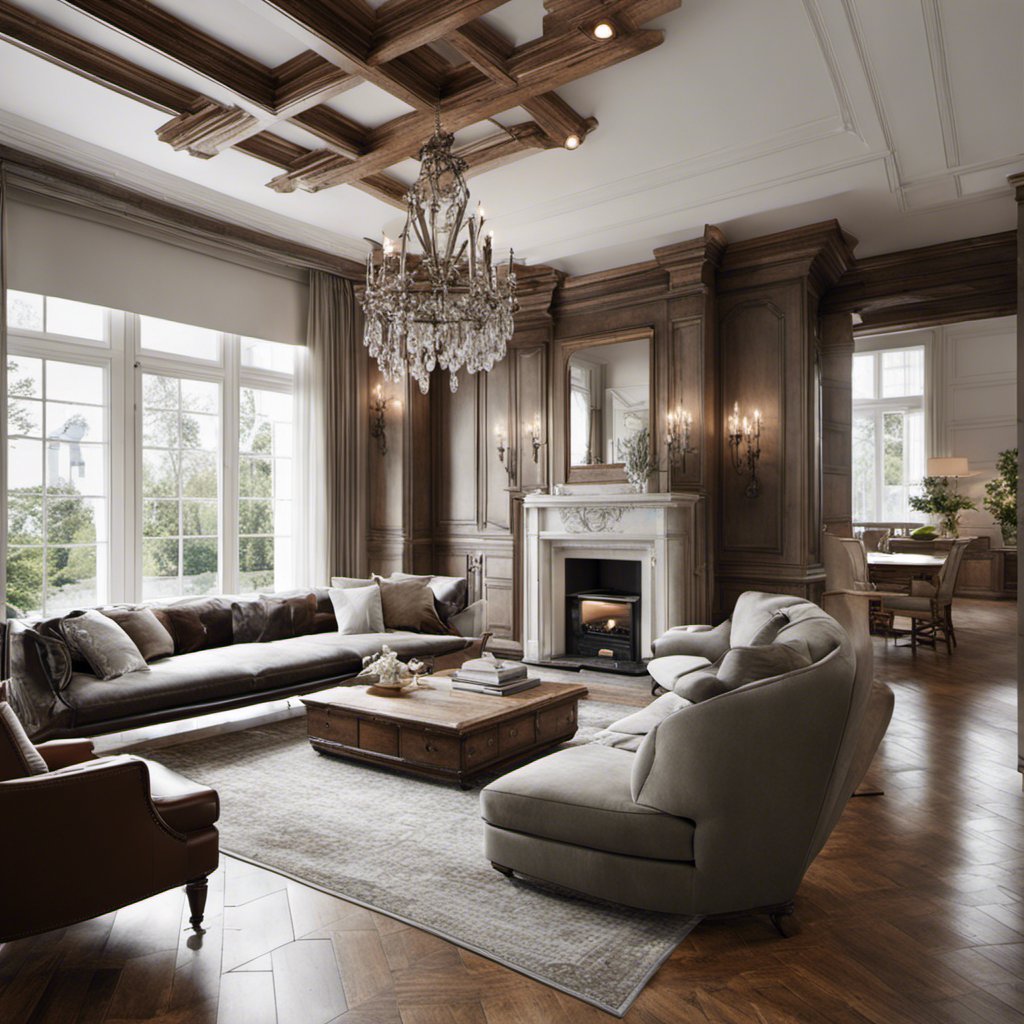
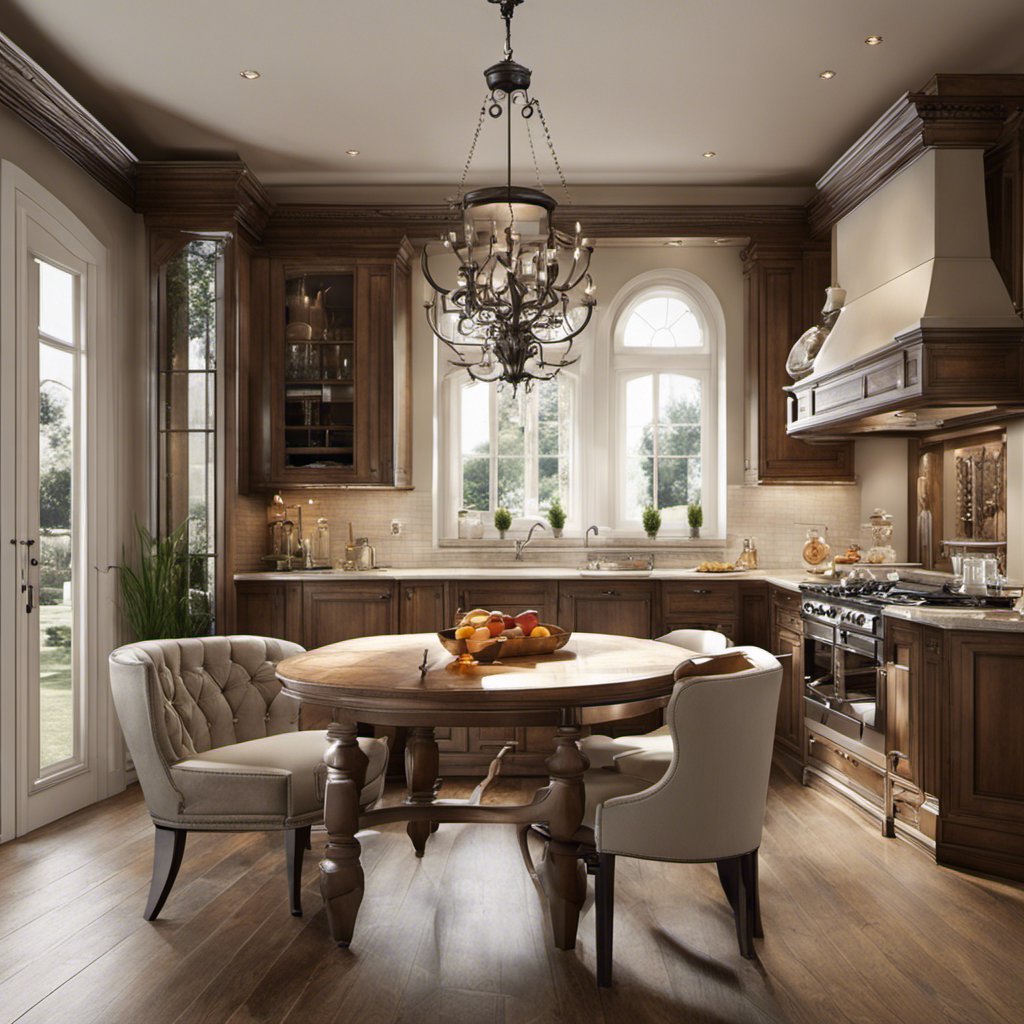
One of the key materials is wood. In German interiors, wooden surfaces are prevalent, creating a warm and inviting ambiance. Often, solid wood such as oak or walnut is used, lending the interior a sense of strength and durability. Wooden floors, ceilings, or walls can be left in their natural color or treated to preserve the wood's texture and hue.
Another popular material is stone. Both natural and artificial materials can be utilized, such as natural stone or ceramic tiles. Stone surfaces can be used for flooring, wall cladding, or fireplace surrounds, giving the interior a sense of nobility and resilience.
Textile is also an important material. Textile elements like curtains, rugs, and cushions can add comfort and softness to the interior. Often, natural fabrics like linen, cotton, or wool are used in neutral or muted shades. Simple designs and delicate patterns in textile elements foster a sense of harmony and tranquility.
Glass and metal are also widely used. Glass elements like windows, glass partitions, or doors help create an open and bright atmosphere. Metal details such as handles, table bases, or light fixtures add a touch of modernity and style to the interior.
An important characteristic is the naturalness and authenticity of the materials. The combination of wood, stone, textiles, glass, and metal creates a balance and harmony in the interior. Materials are chosen in such a way that each one emphasizes the strength and quality of the German interior style.
The finishing is the embodiment of elegance and functionality. Choosing materials should align with the overall design of the room and reflect its uniqueness. Carefully selected materials will create a comfortable and pleasant atmosphere, which is highly valued in German interior design.
Furniture
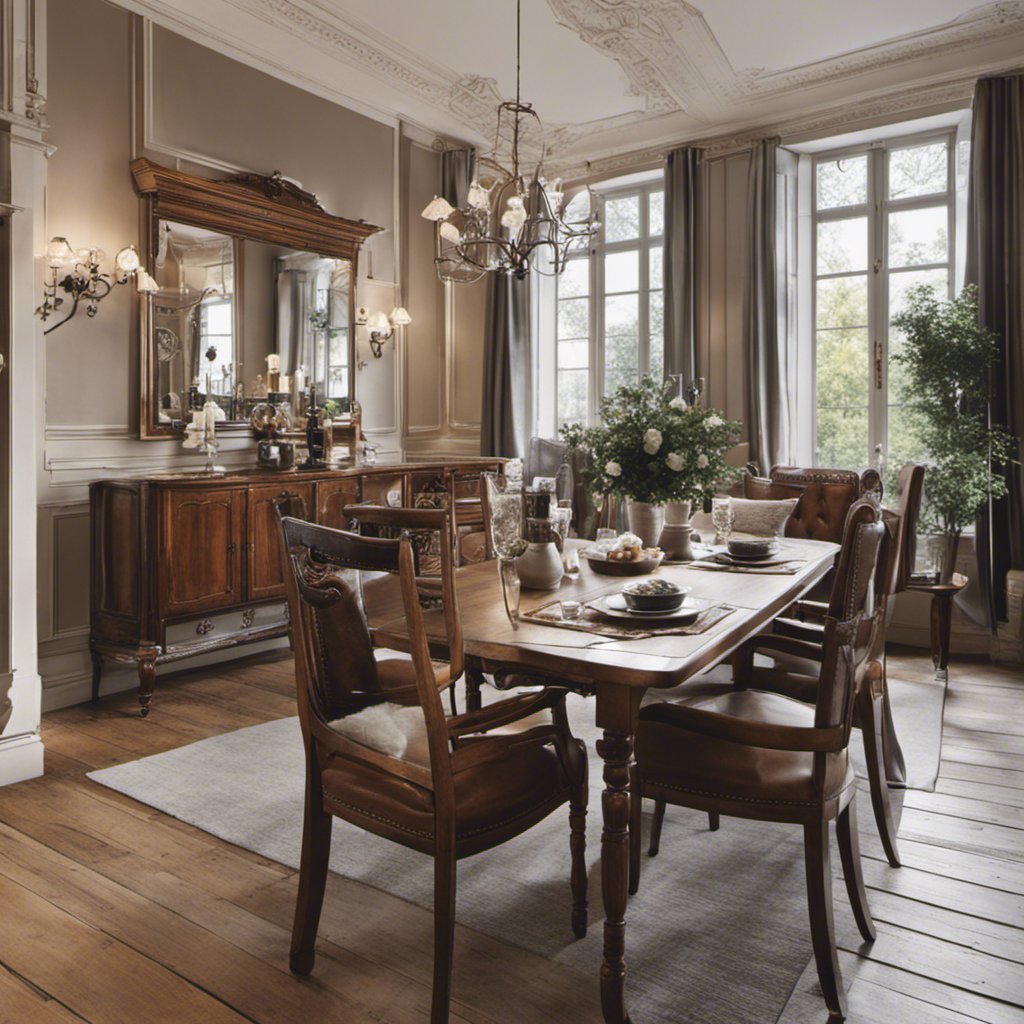
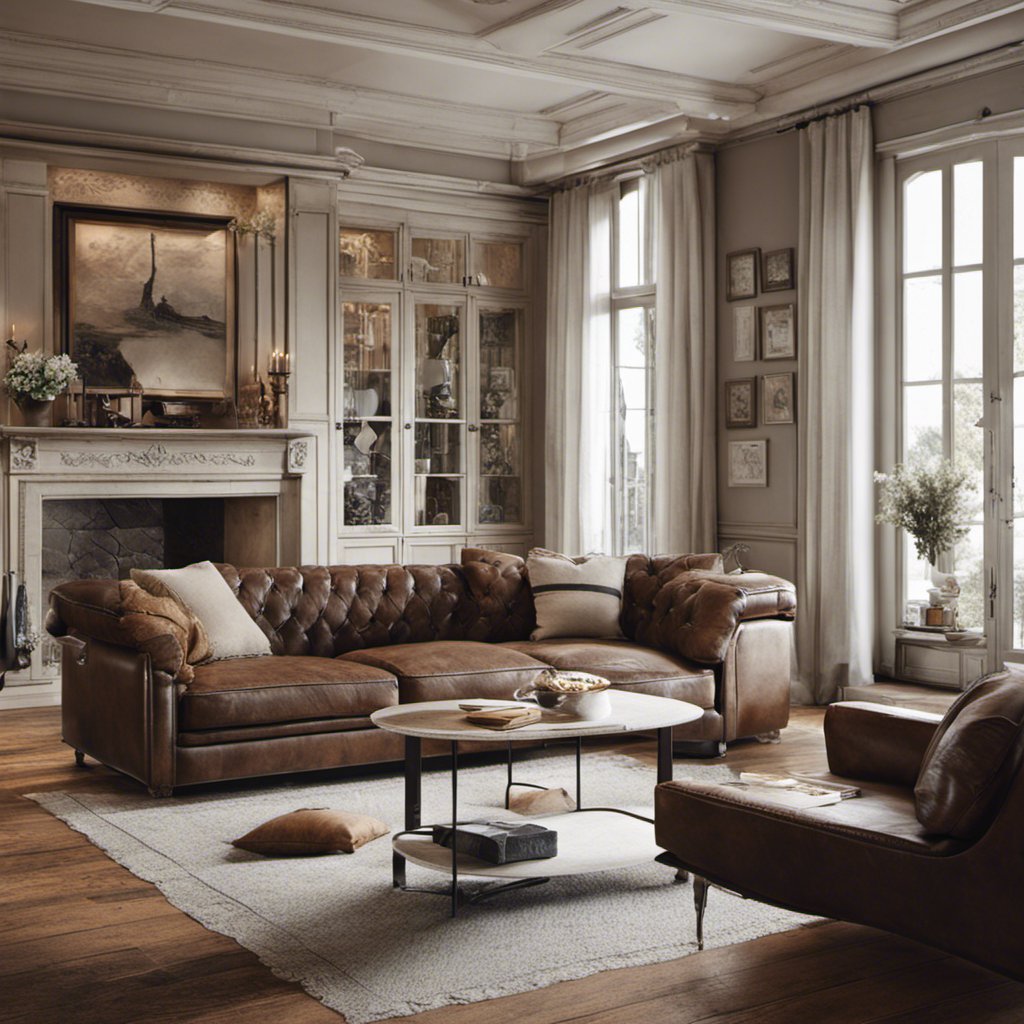
This is the true embodiment of elegance and functionality. It stands out with its sophisticated and strict design while not compromising on comfort and practicality. One of the key features of this style is the use of natural materials and high-quality craftsmanship.
Furniture embodies aesthetic principles and functional requirements. It is characterized primarily by simplicity of form and minimalist decor. The outlines of the furniture pieces are typically clean and restrained, with any superfluous elements removed. However, every detail serves a functional purpose and has its precise place within the composition.
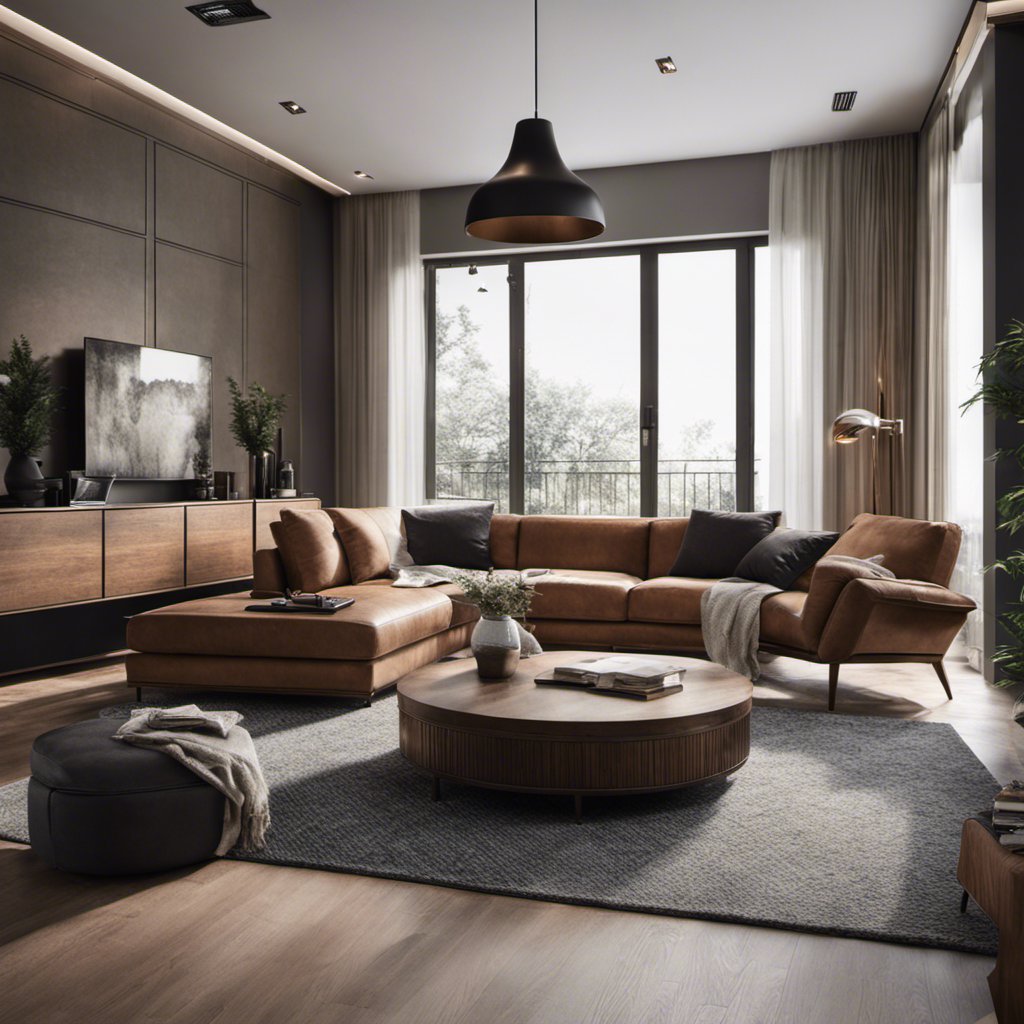
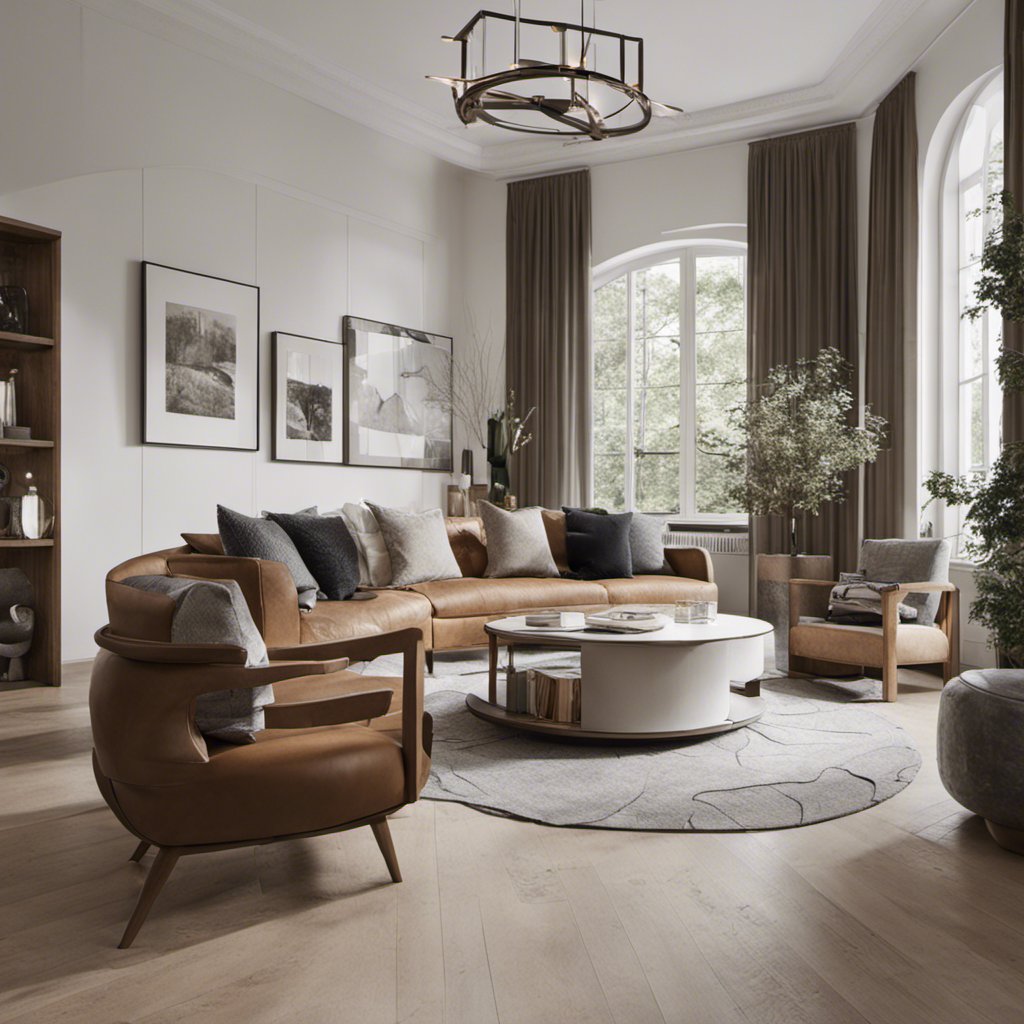
The color scheme of the furniture is also marked by moderation. The primary shades used in this style are neutral and muted colors such as beige, gray, brown, and white. This palette creates a calm and harmonious atmosphere in the room.
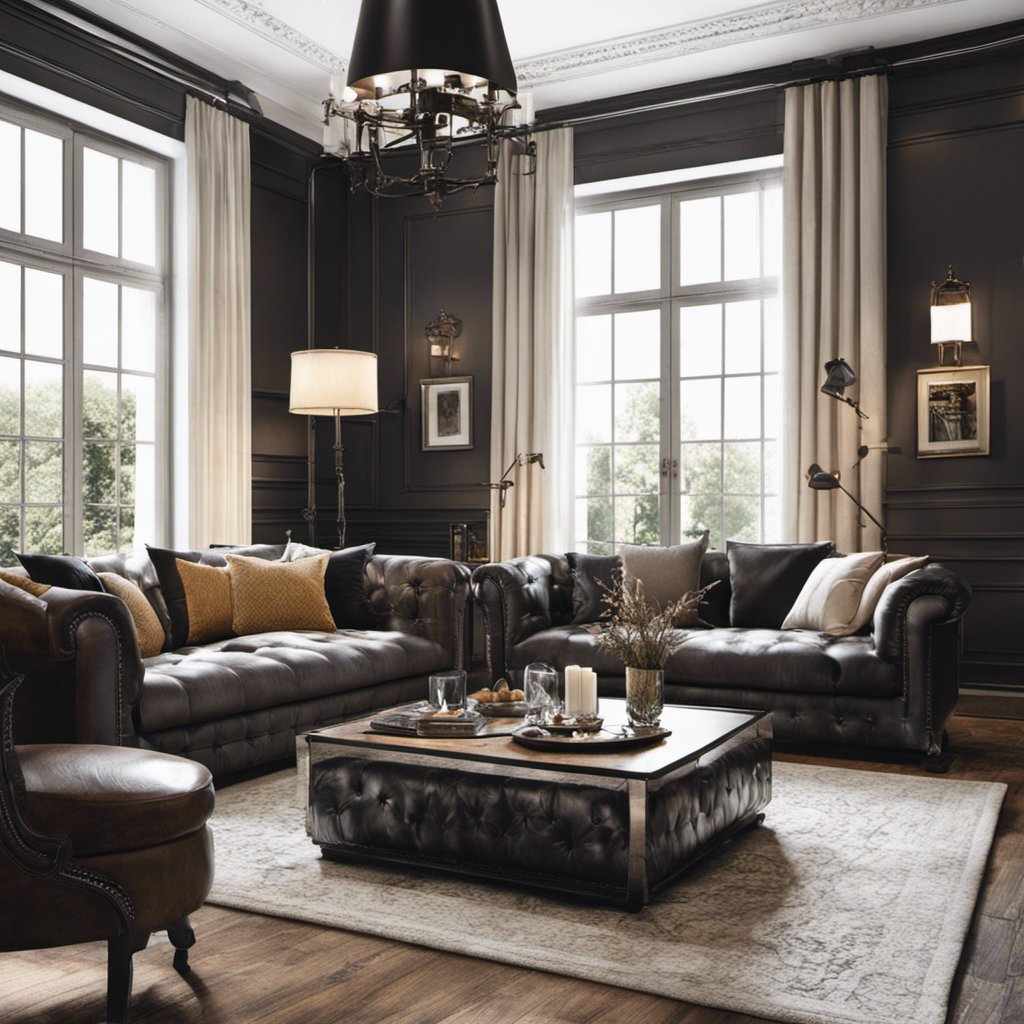
High-quality natural materials such as wood, leather, metal, and glass are widely used in the production of furniture. This lends the furniture durability and longevity. It's also important to note that special attention is given to the environmental safety of the materials.
Functionality and convenience are distinguishing features of this type of furniture. German furniture, in particular, is designed with user needs in mind. Every inch of space is meticulously planned, allowing for the most efficient use of each square meter of the room.
German-style furniture is a combination of elegance, functionality, and quality. It creates an atmosphere of tranquility and harmony in any space. If you aim for a balanced and cozy interior, then German-style furniture is the perfect choice for you.
Lighting
Lighting is a crucial and indispensable element that brings exceptional harmony and coziness to every room. The German interior design style is known for its neatness, functionality, and meticulous attention to detail.
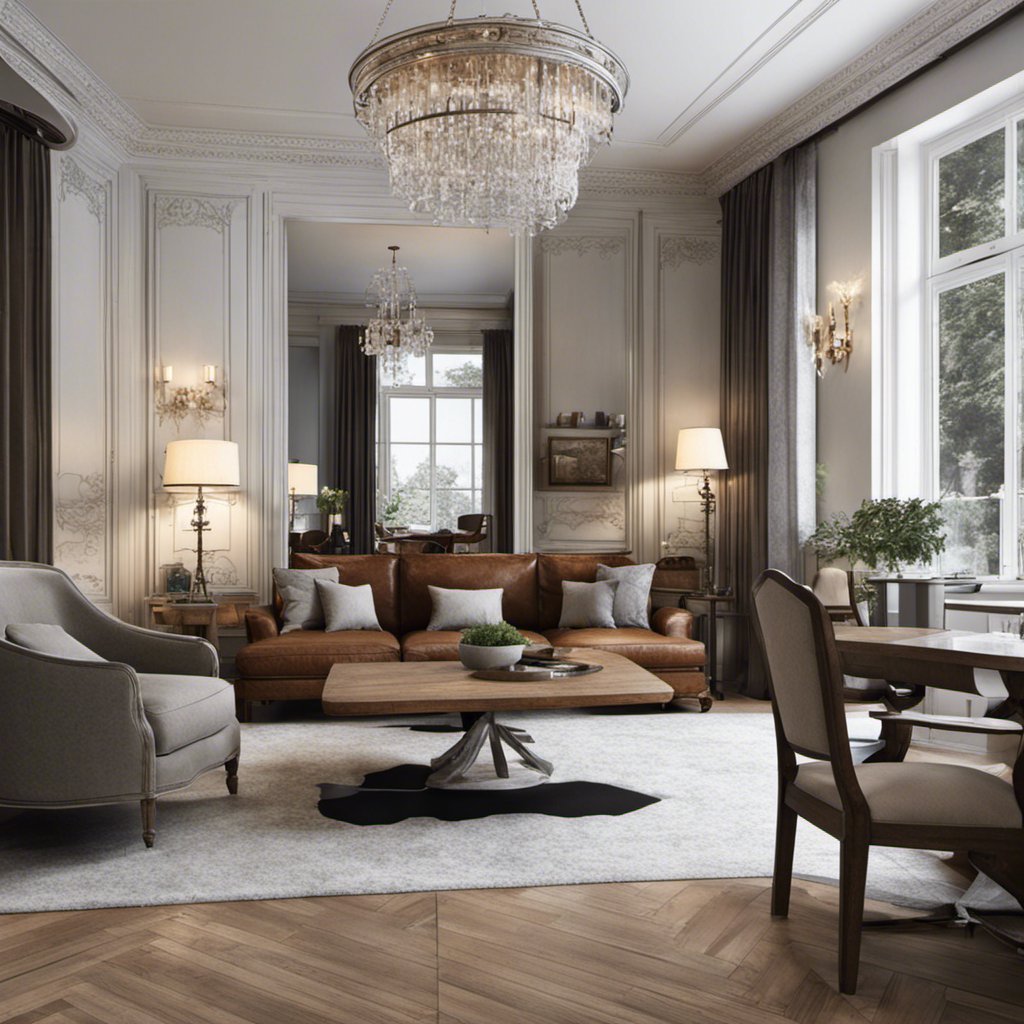
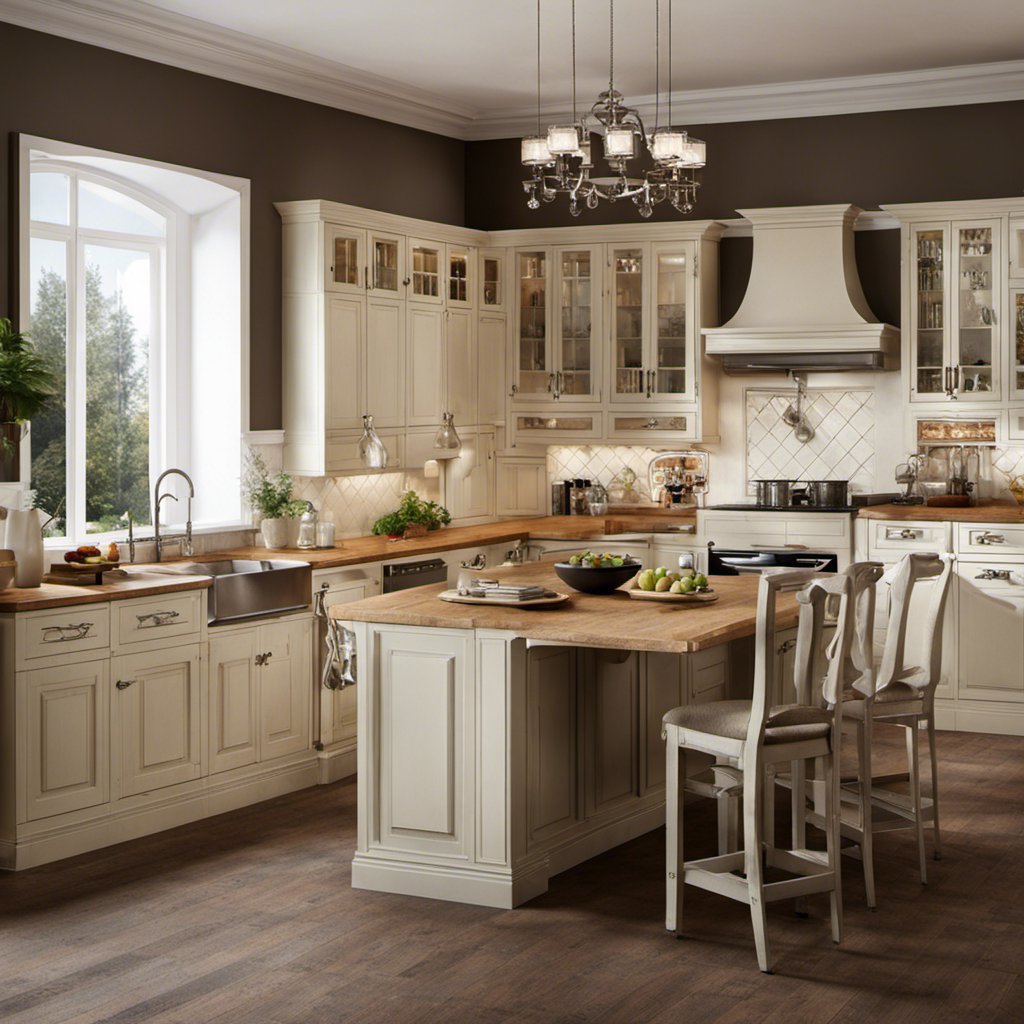
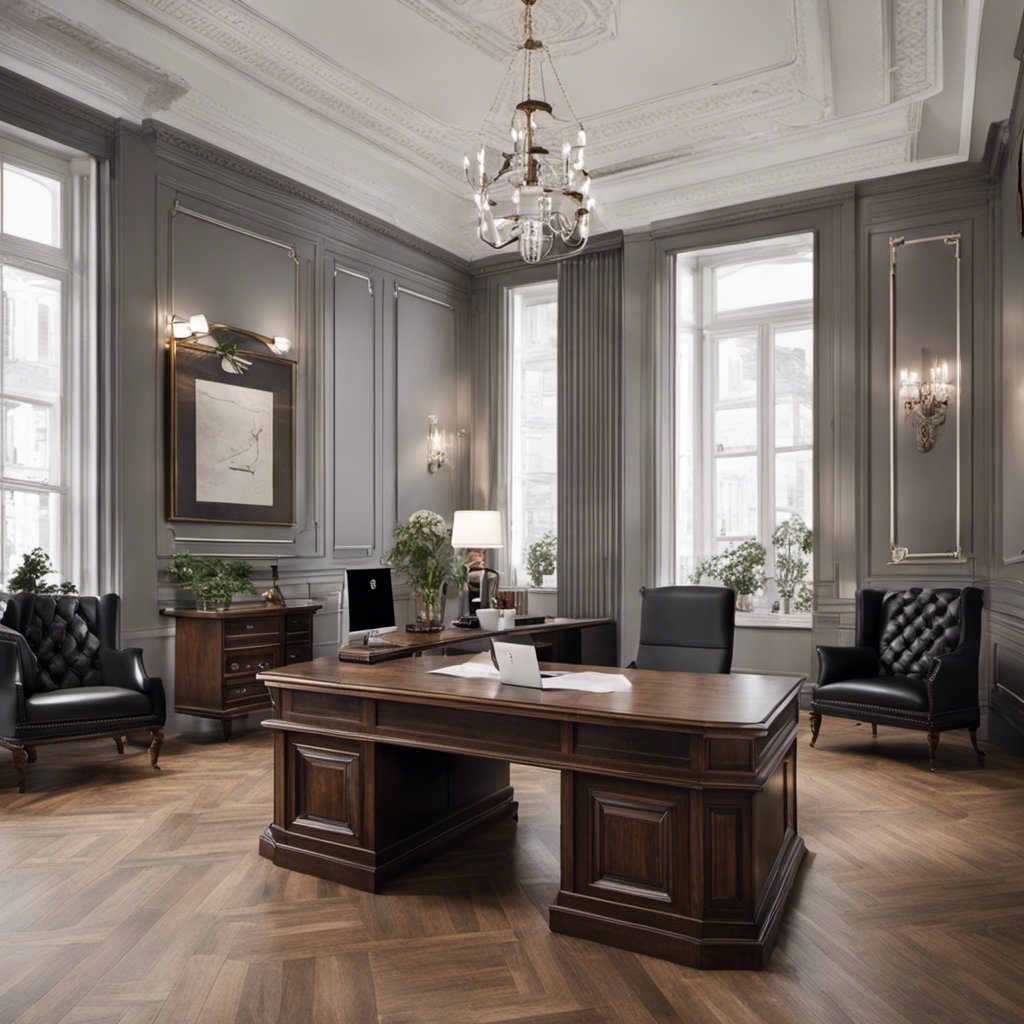
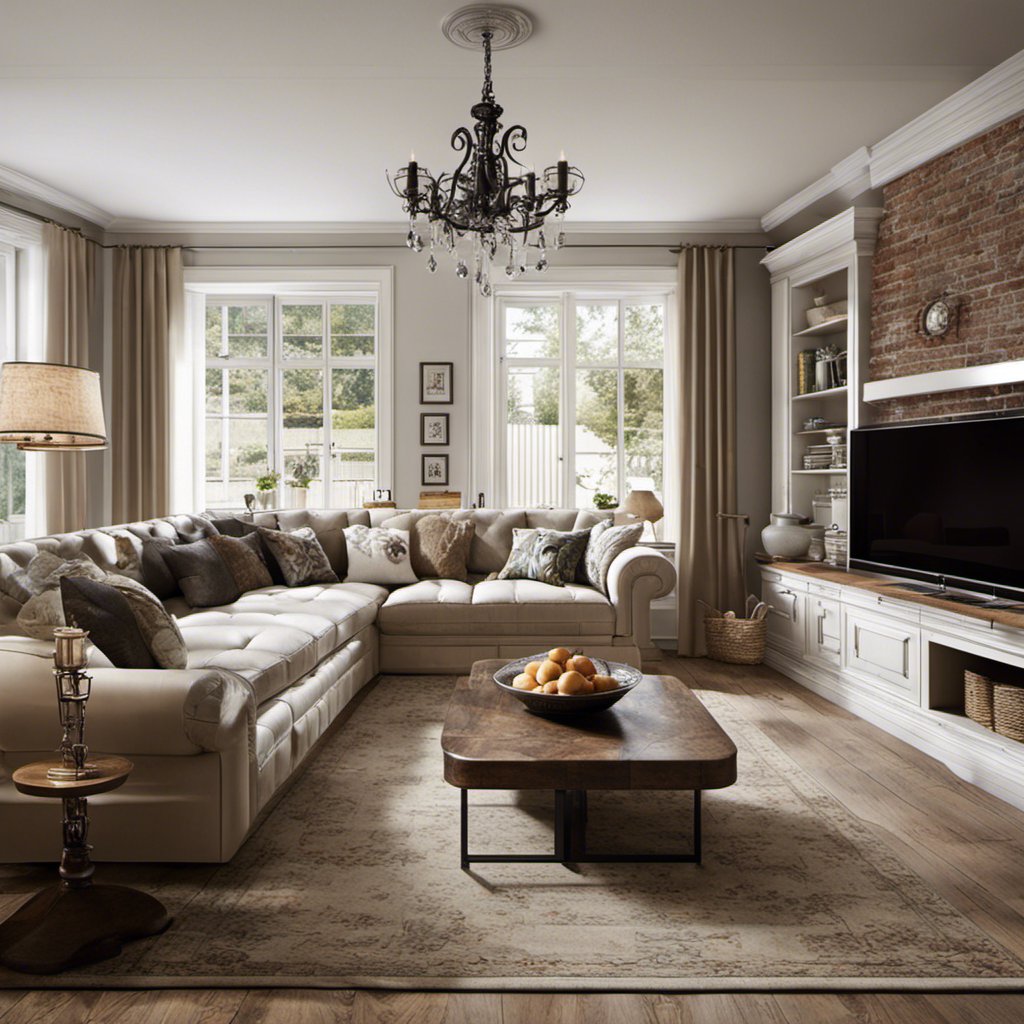
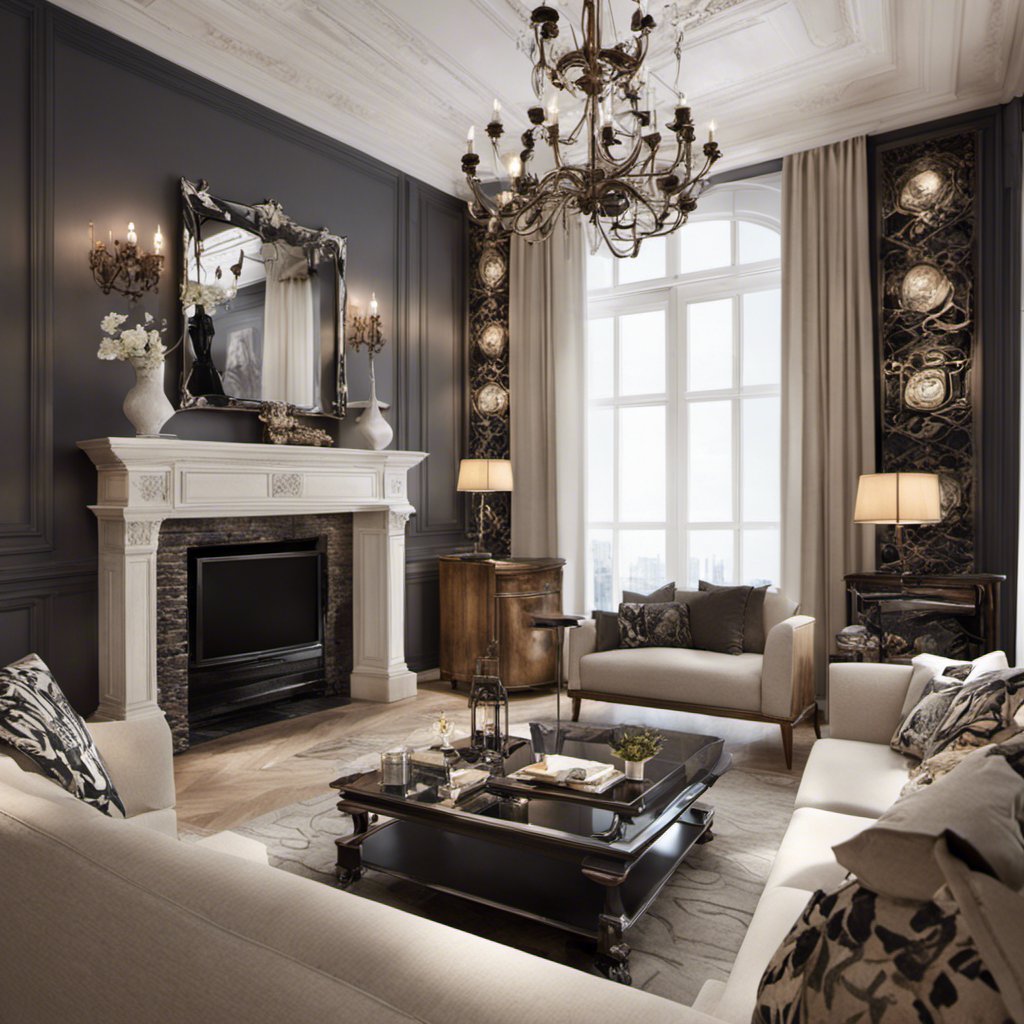
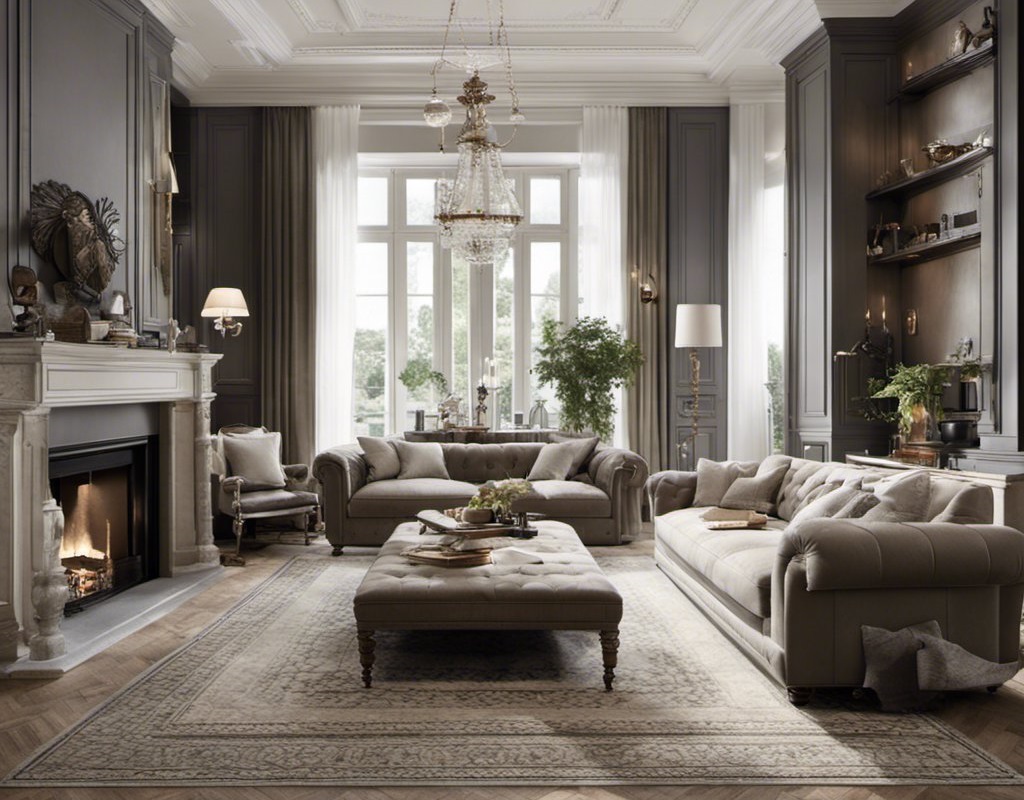
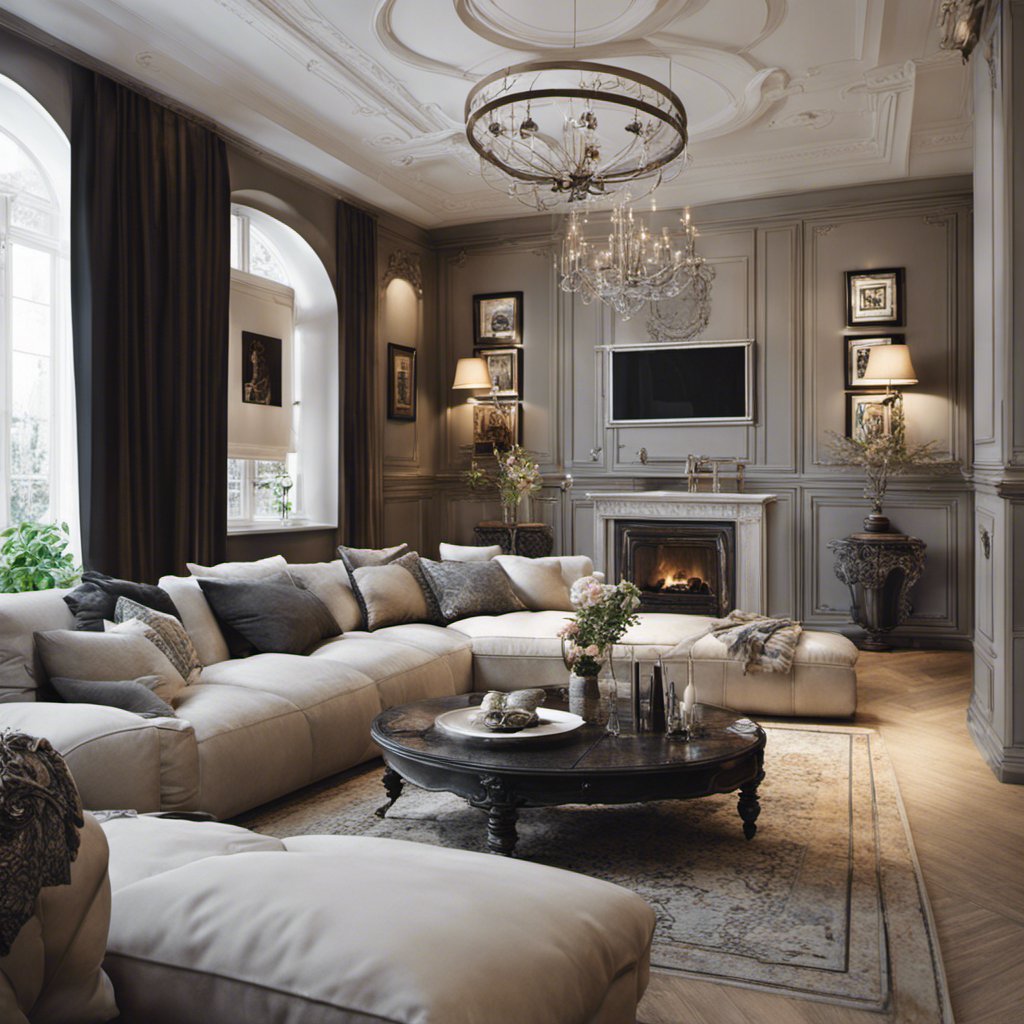
Lighting in this style is characterized by the use of a variety of light sources, creating unique effects and ambiance. Chandeliers with crystals or glass pendants are key lighting elements, adding sophistication and elegance to the space. Chandeliers with bronze or metal bases, adorned with intricate carvings or gentle curves, highlight the German style by adding character and subtlety.
Floor lamps and table lamps play an essential role in the lighting scheme. They provide additional lighting and create a pleasant interplay of shadows and light. Floor lamps with gracefully curved bases, finished with gold leaf or other refined materials, effectively draw attention and complement the overall interior composition.
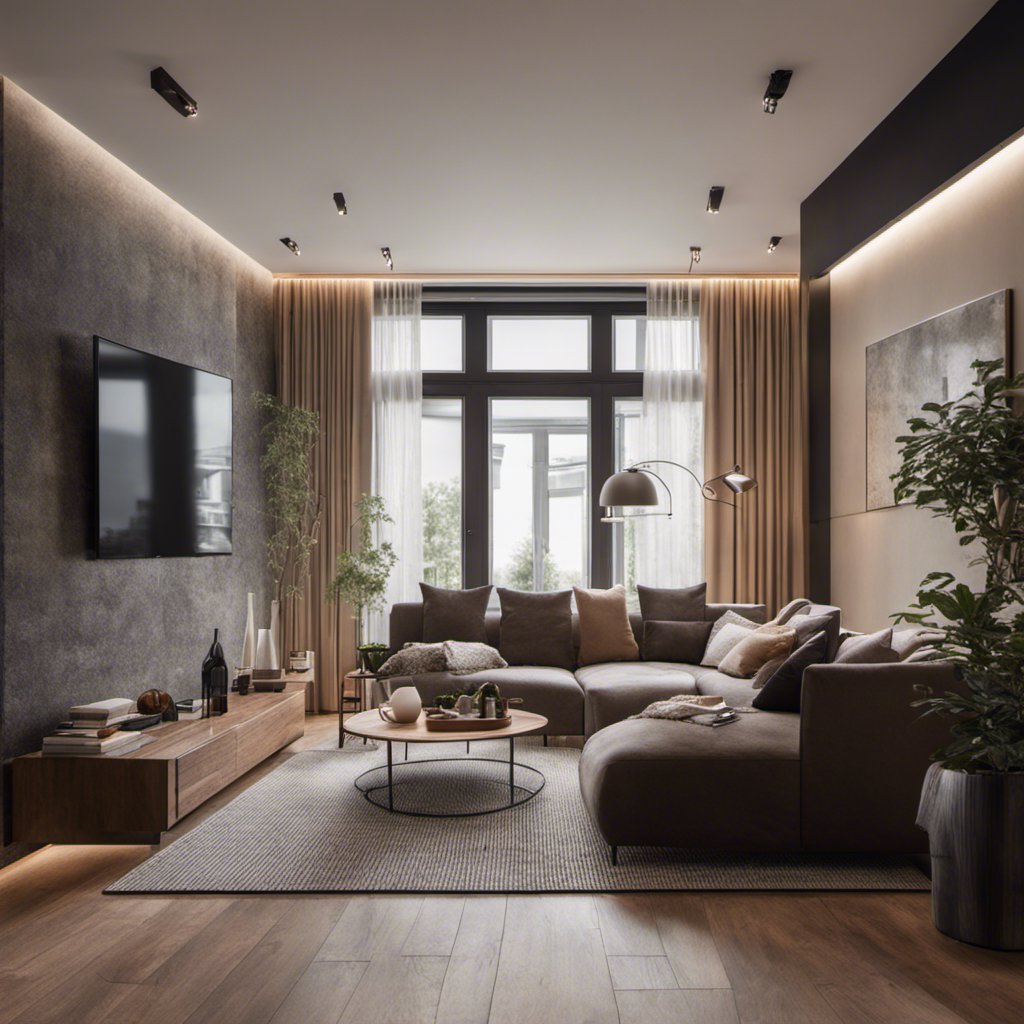
Moreover, simple and functional lighting solutions are actively used, combining quality, aesthetics, and comfort. This can include simple yet stylish wall fixtures or ceiling lights that impress with their straight lines and minimalism.
The primary goal of lighting is to create a pleasant and relaxing ambiance that combines beauty and comfort. Designers aim to use both natural and artificial lighting in such a way that it highlights the architectural details of the room, ensures sufficient illumination of all areas, and strikes the right balance between light and shadow.
In conclusion, lighting in German-style interiors is a blend of functionality, aesthetics, and originality. It meets all lighting needs and creates a luxurious, cozy, and welcoming atmosphere in any space. Lighting is the most crucial element for achieving harmony and an exceptional sense of style and quality in your interior.
Summary
The German style signifies simplicity and functionality. Furniture in this style usually features a minimalist design and is often in white, gray, black, or natural wood tones. The main requirement for German furniture is high quality. German furniture manufacturers are renowned worldwide for their innovative designs. Everything made in Germany stands out for its rigorous quality.
The color palette is also simple and minimalist, including shades of white, gray, black, and brown. The key is that the colors harmonize well with each other.
The essence of German design, spanning from interiors to social areas and industrial design, is rooted in functionality and ergonomics. This concept means that design in Germany has always focused on how an object can be used in everyday life, regardless of the material from which it is made.
Attention to detail is crucial in the German style. One of the key details is lighting. Ceiling chandeliers are frequently used in such interiors; they serve not only as sources of light but also as artistic objects. Another important element is the use of plants. German interiors avoid excessive displays of flowers and plants. Instead, they incorporate elegant compositions of one or a few plants.
German interior design is a blend of simplicity and quality, functionality and comfort. It stands out from other styles due to its minimalism and naturalness. German interiors are always appealing for their precision and high level of craftsmanship. Everything created in German design is not only aesthetically pleasing but also ergonomic, practical, and comfortable. Embracing the German style in interior design is a guarantee that your home will be crafted to the highest standards of quality and practicality.