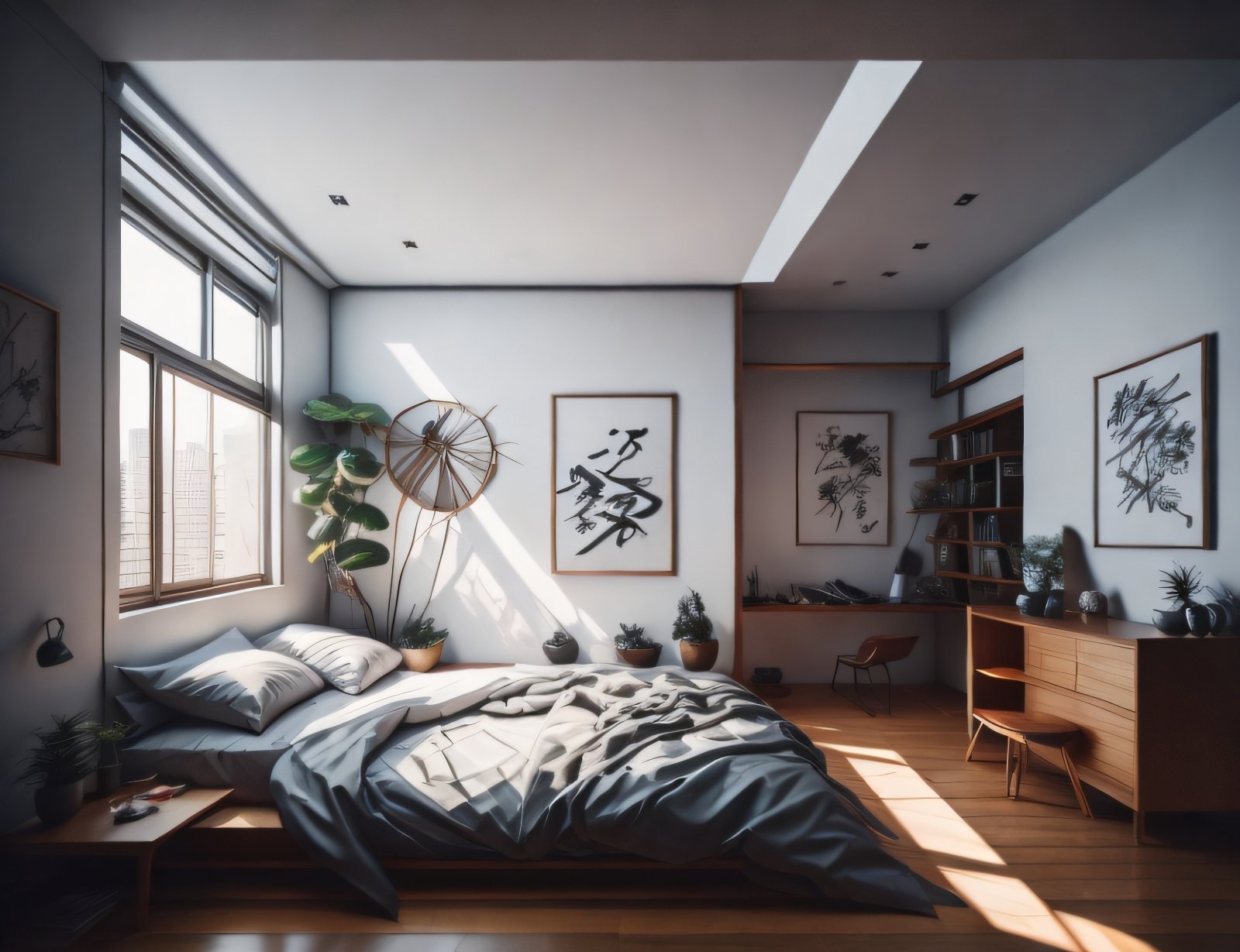
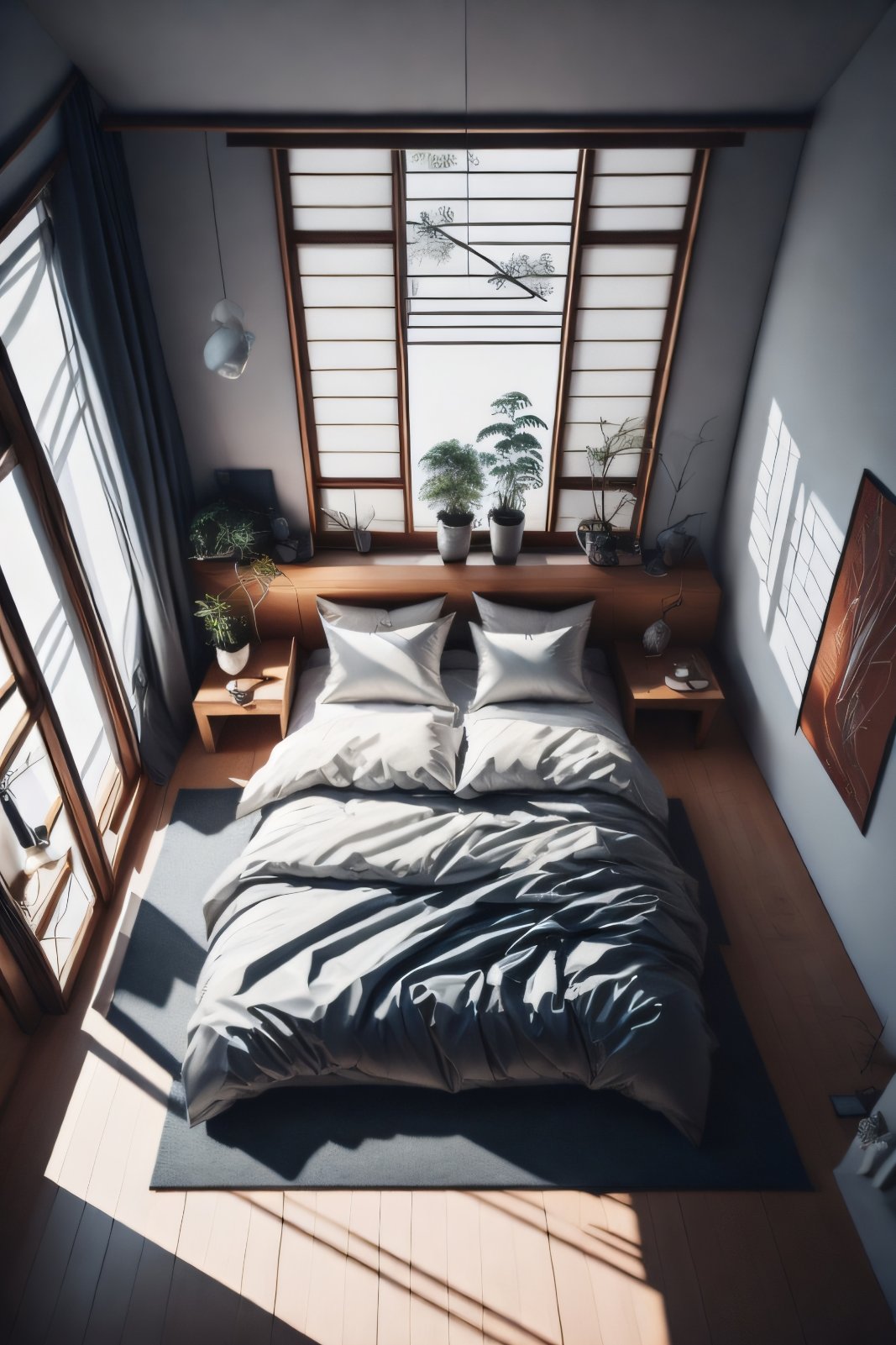
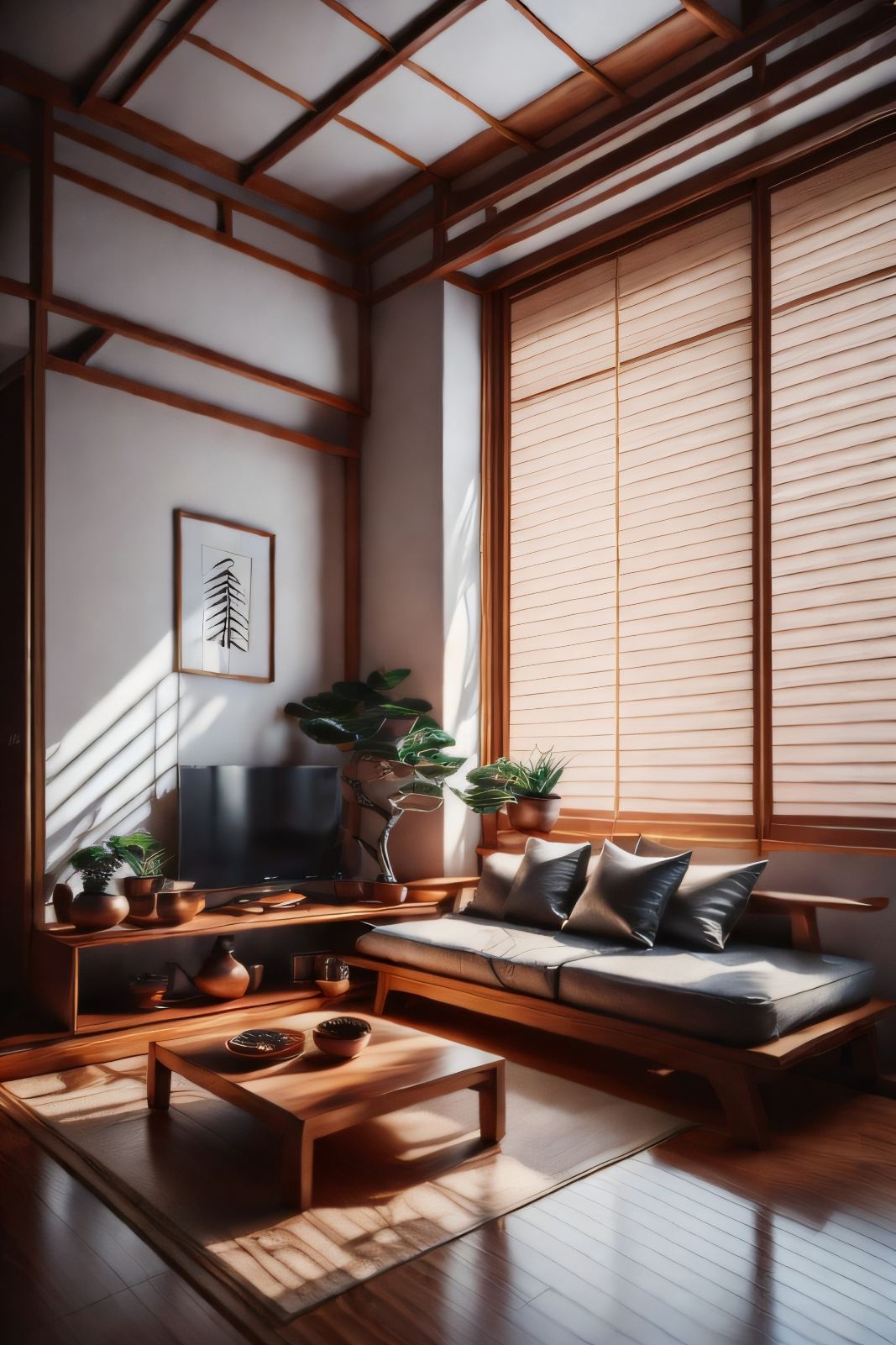
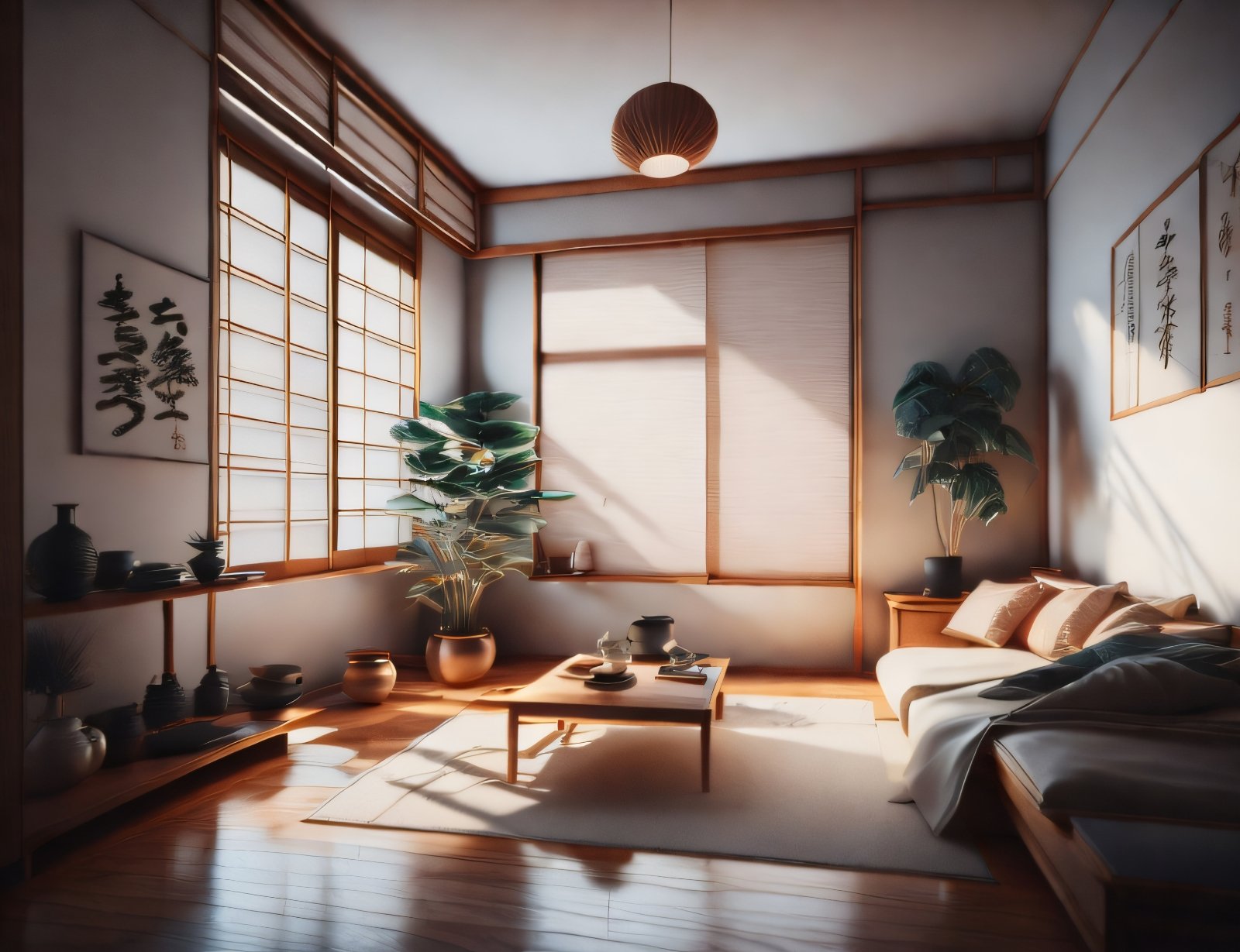
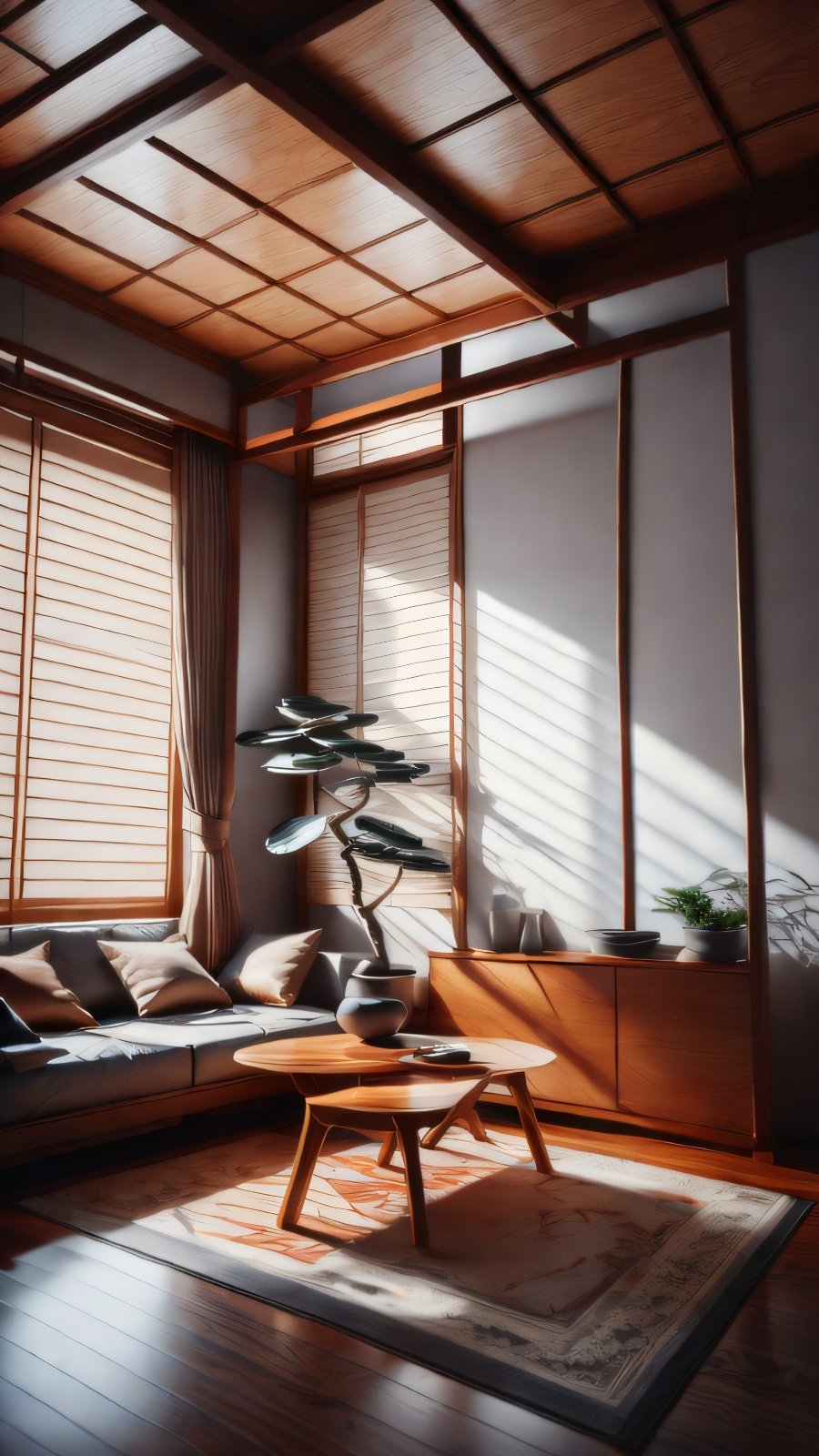
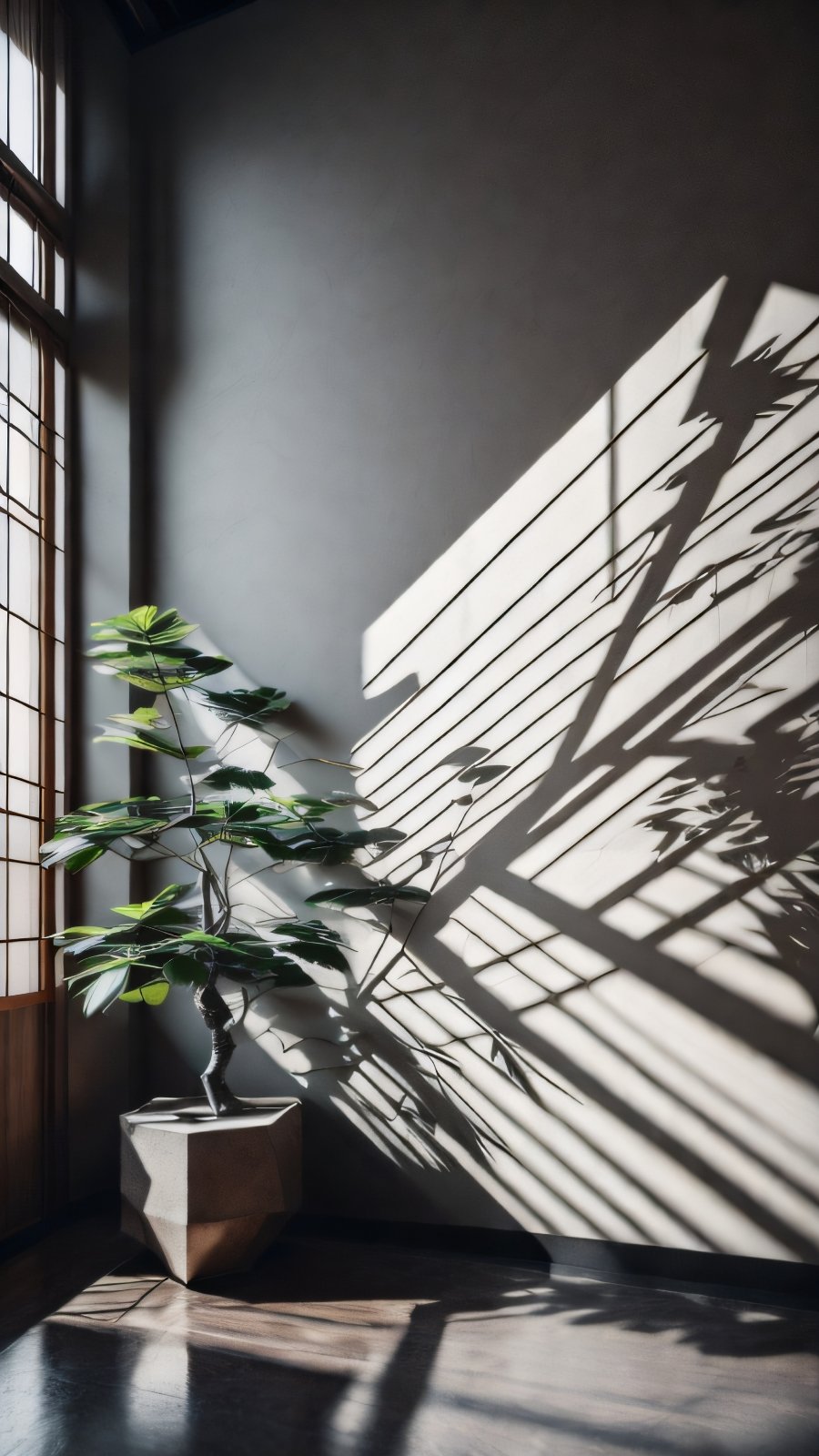
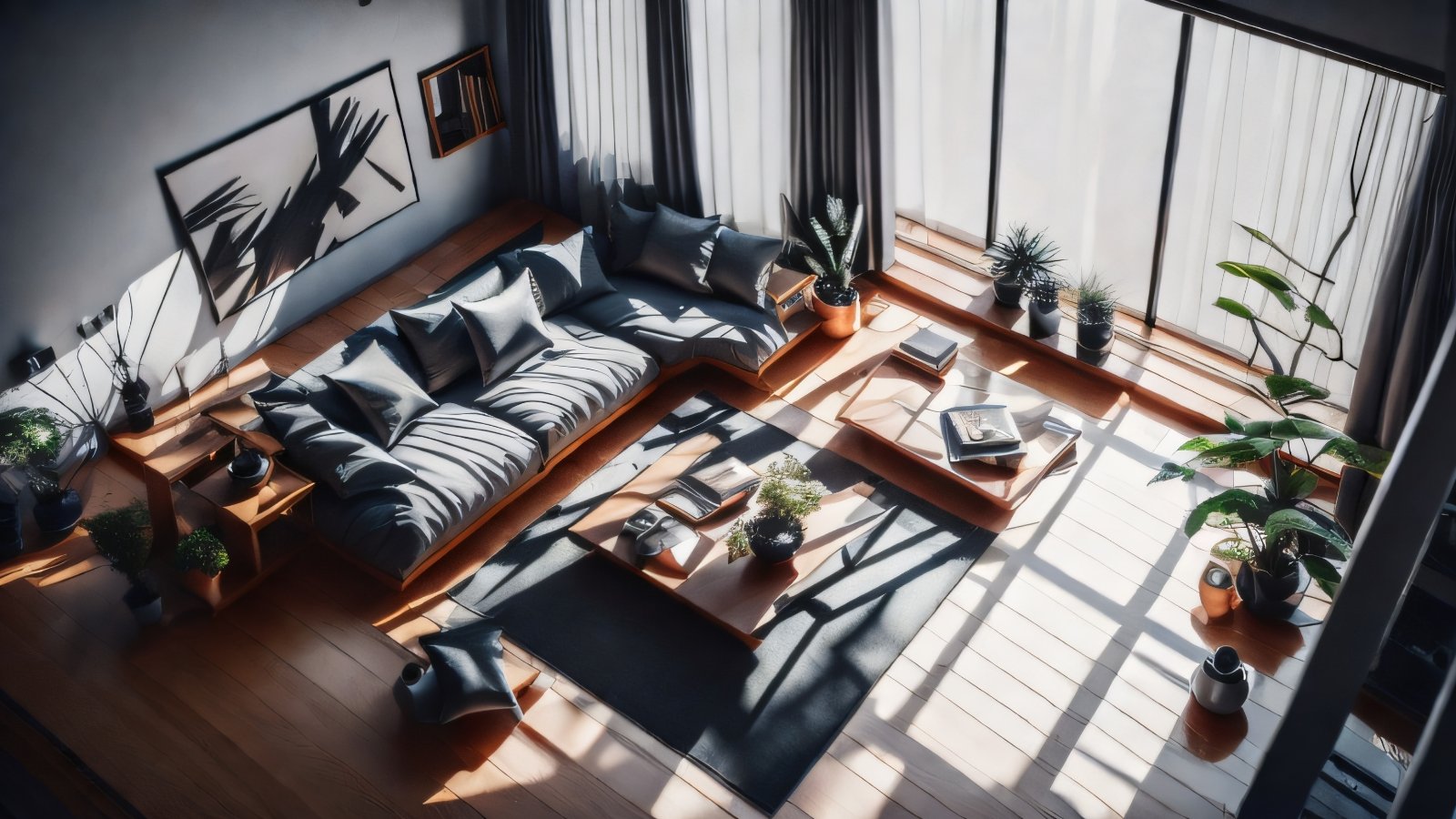
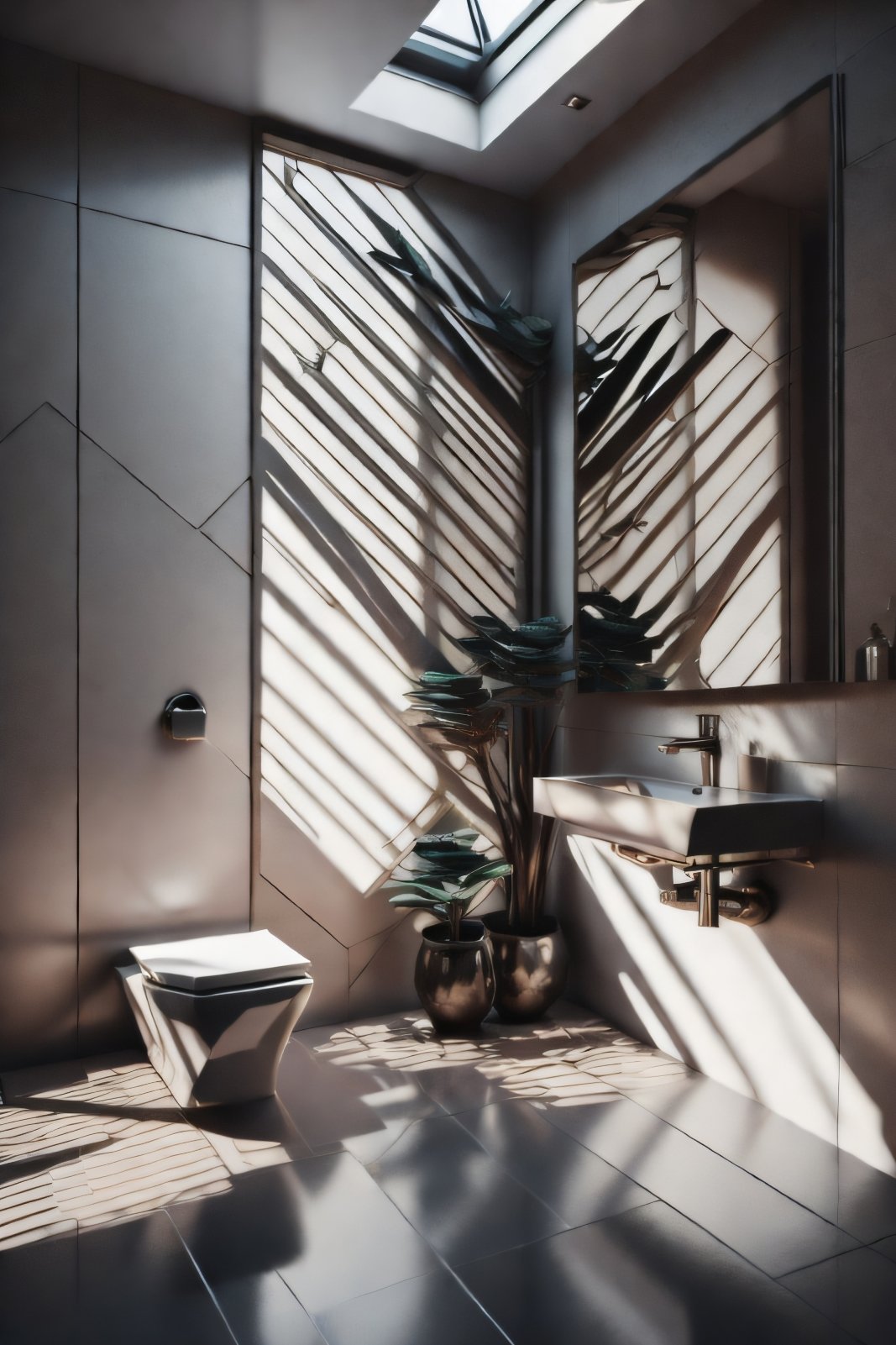
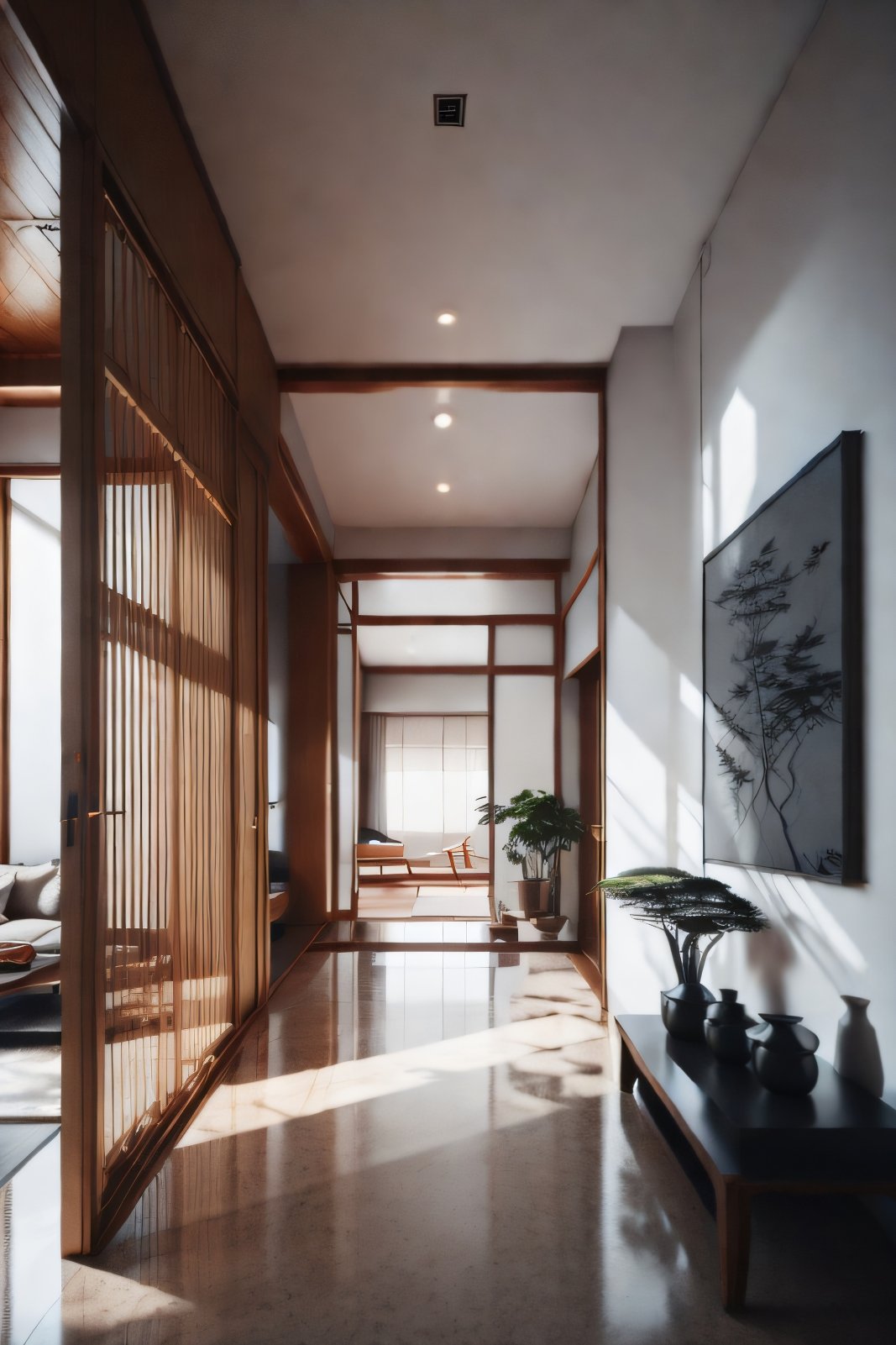
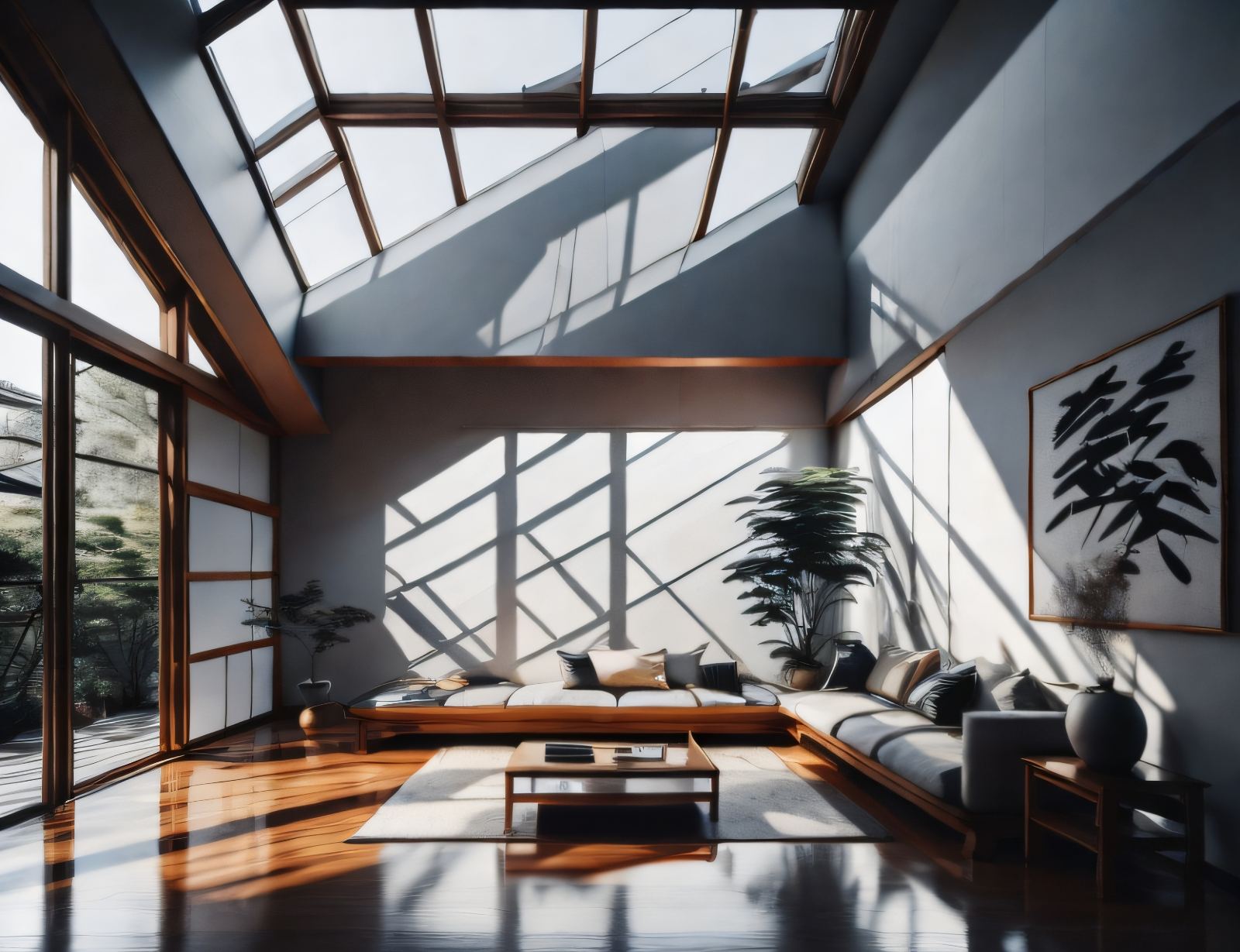
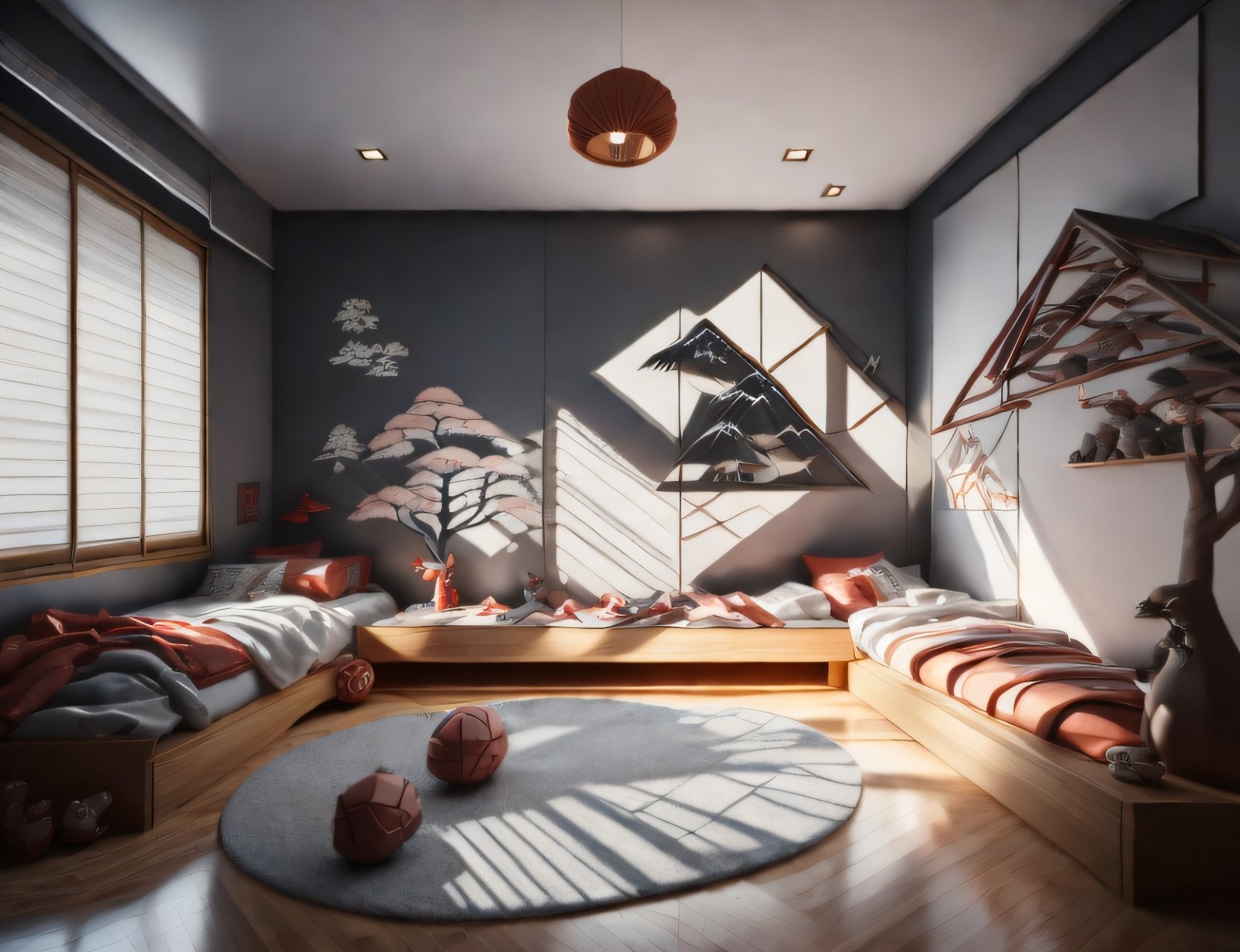
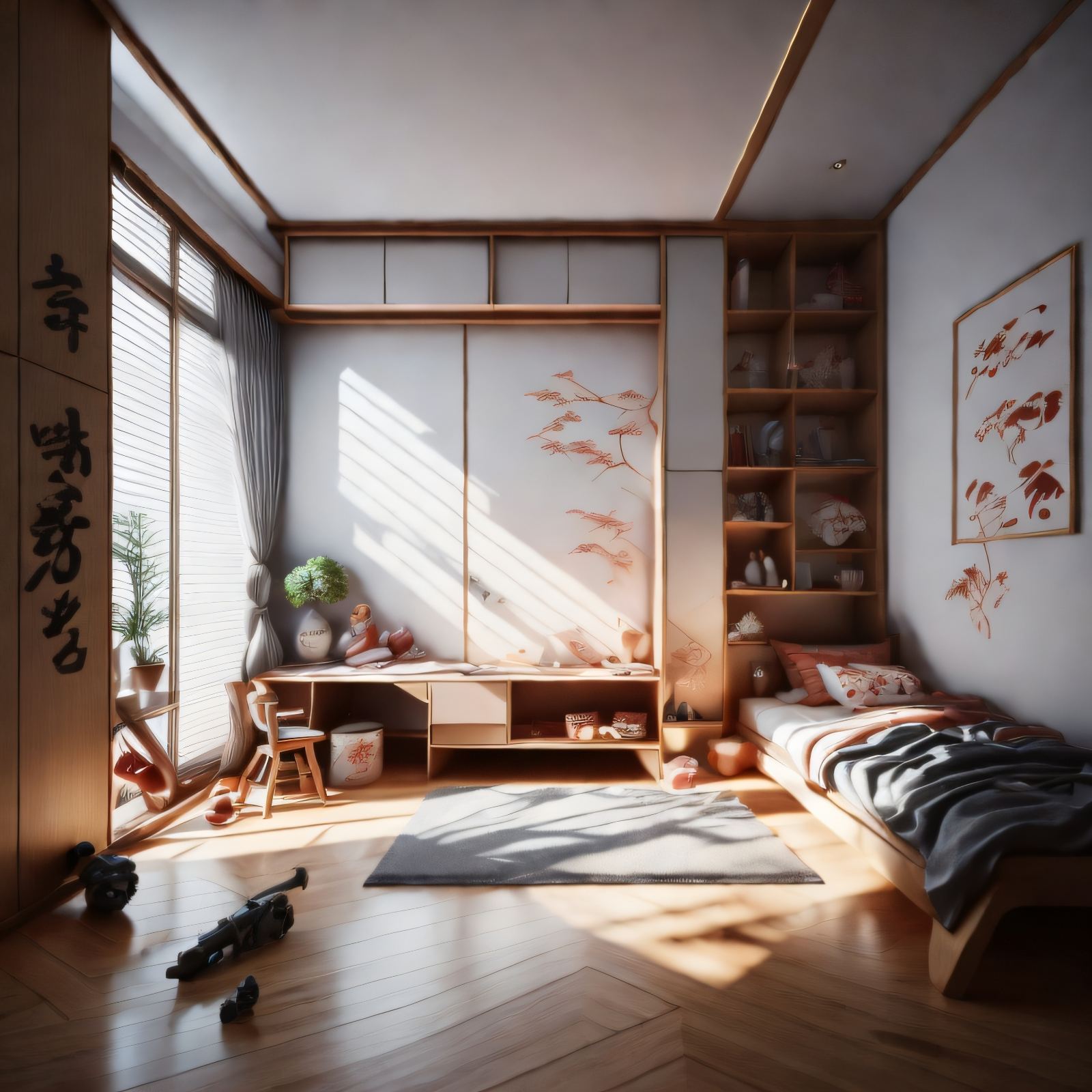
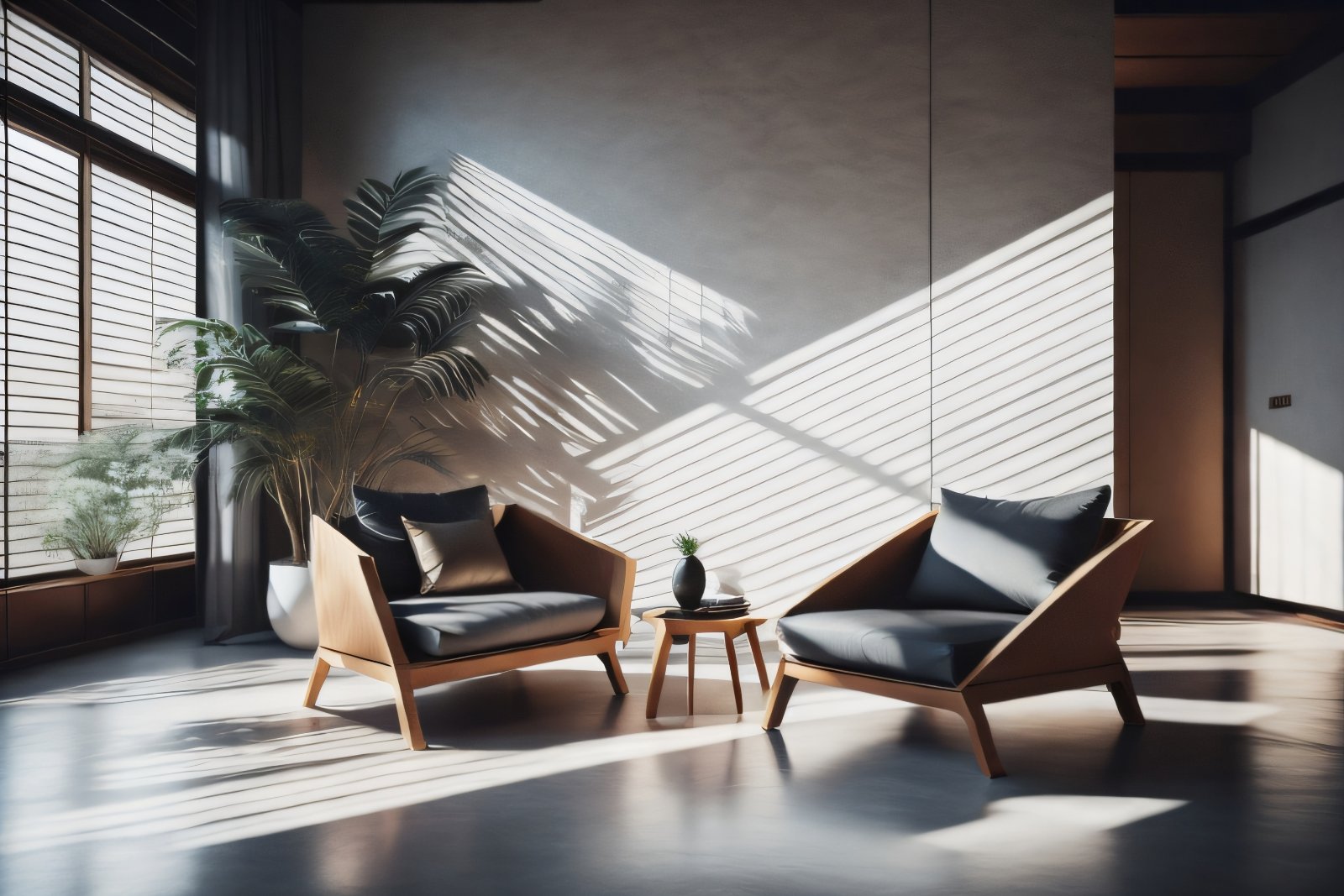
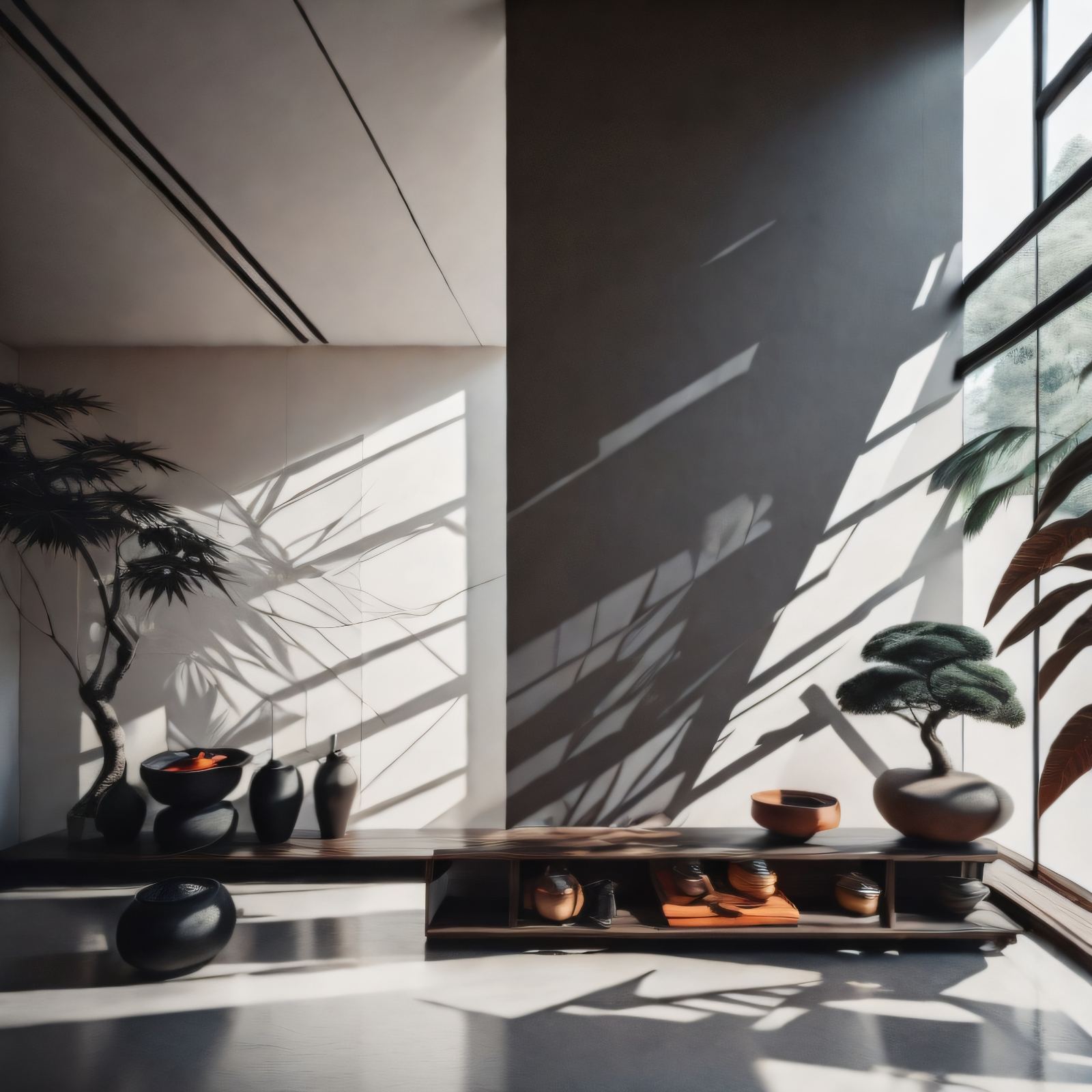
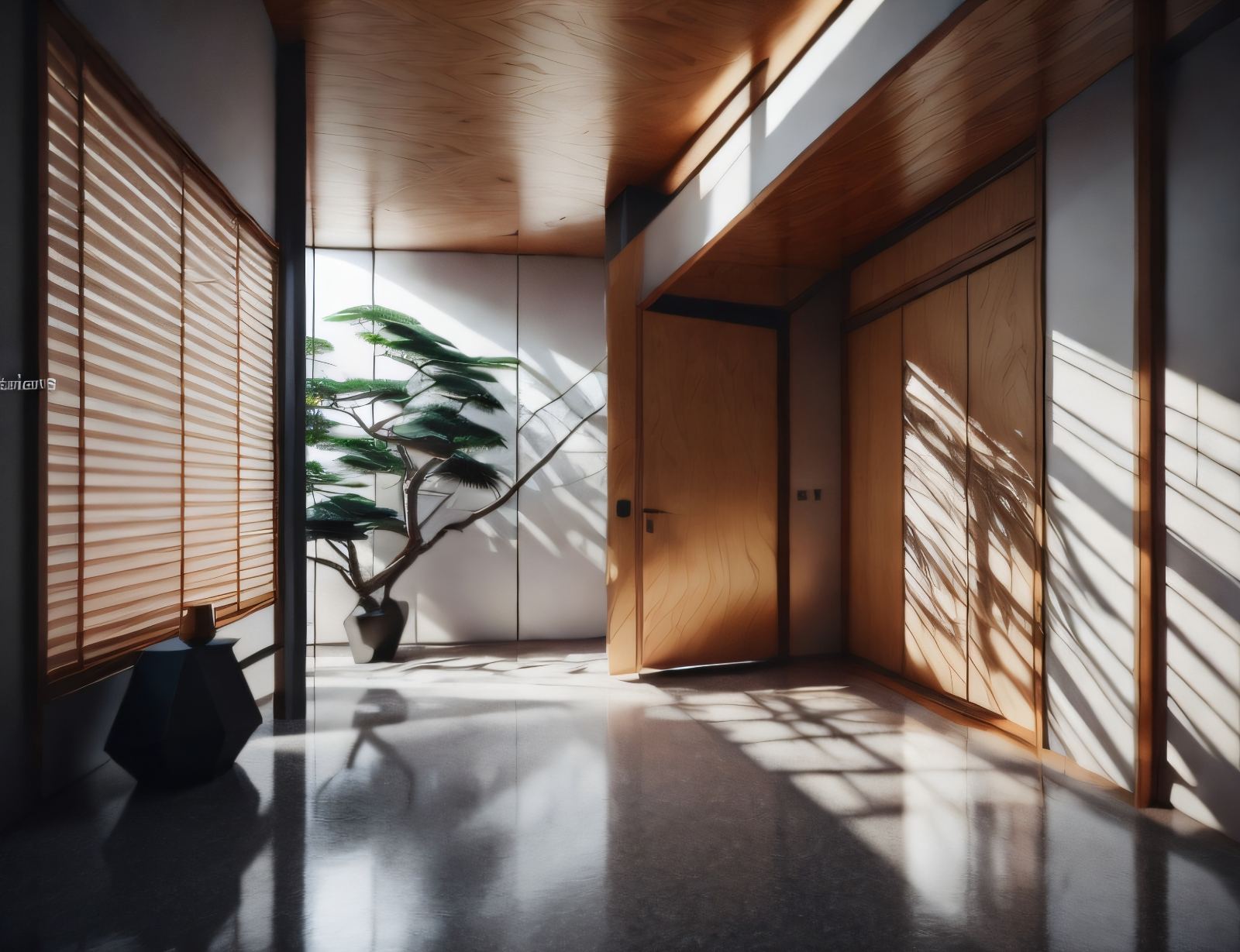
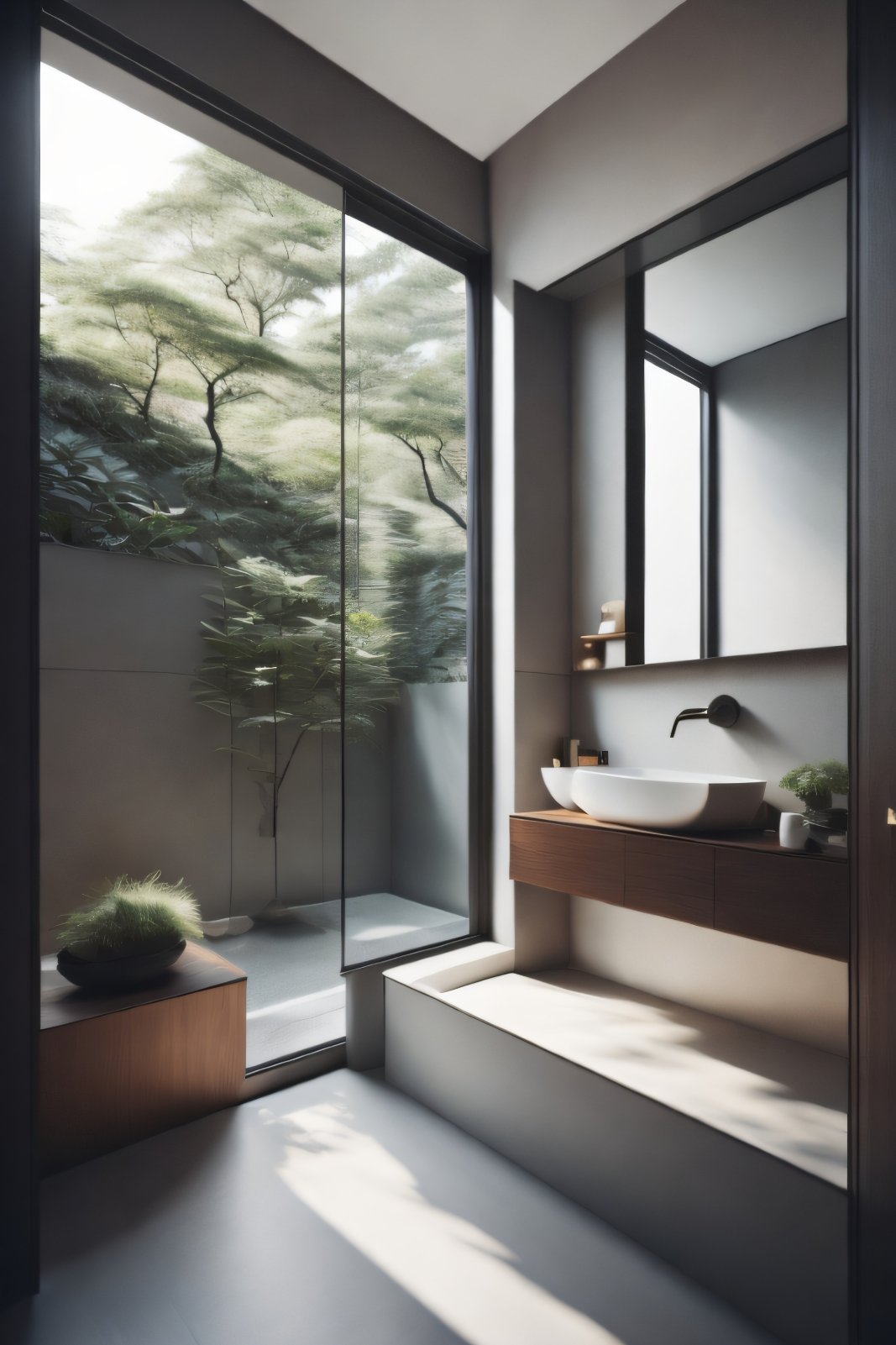
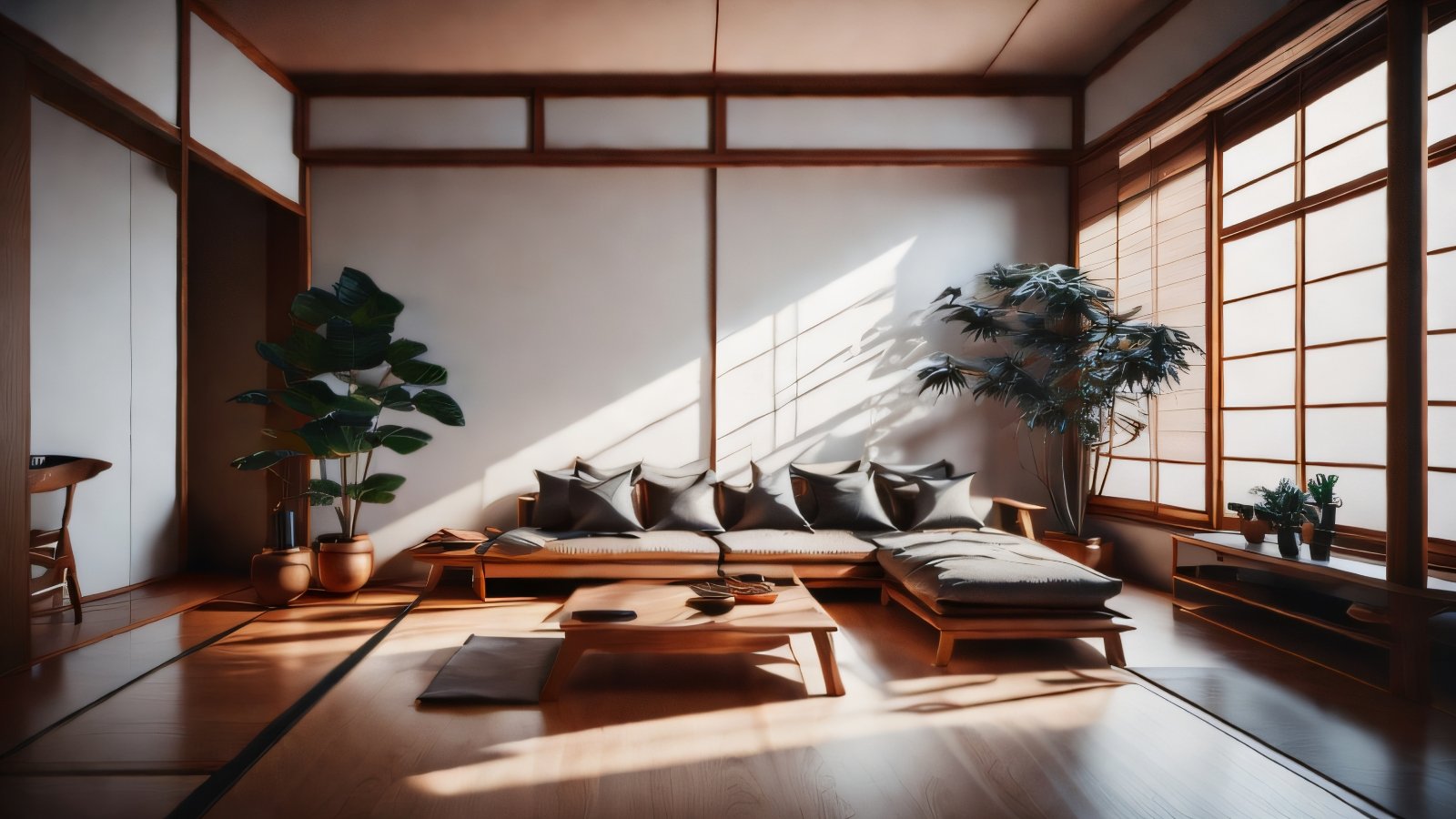
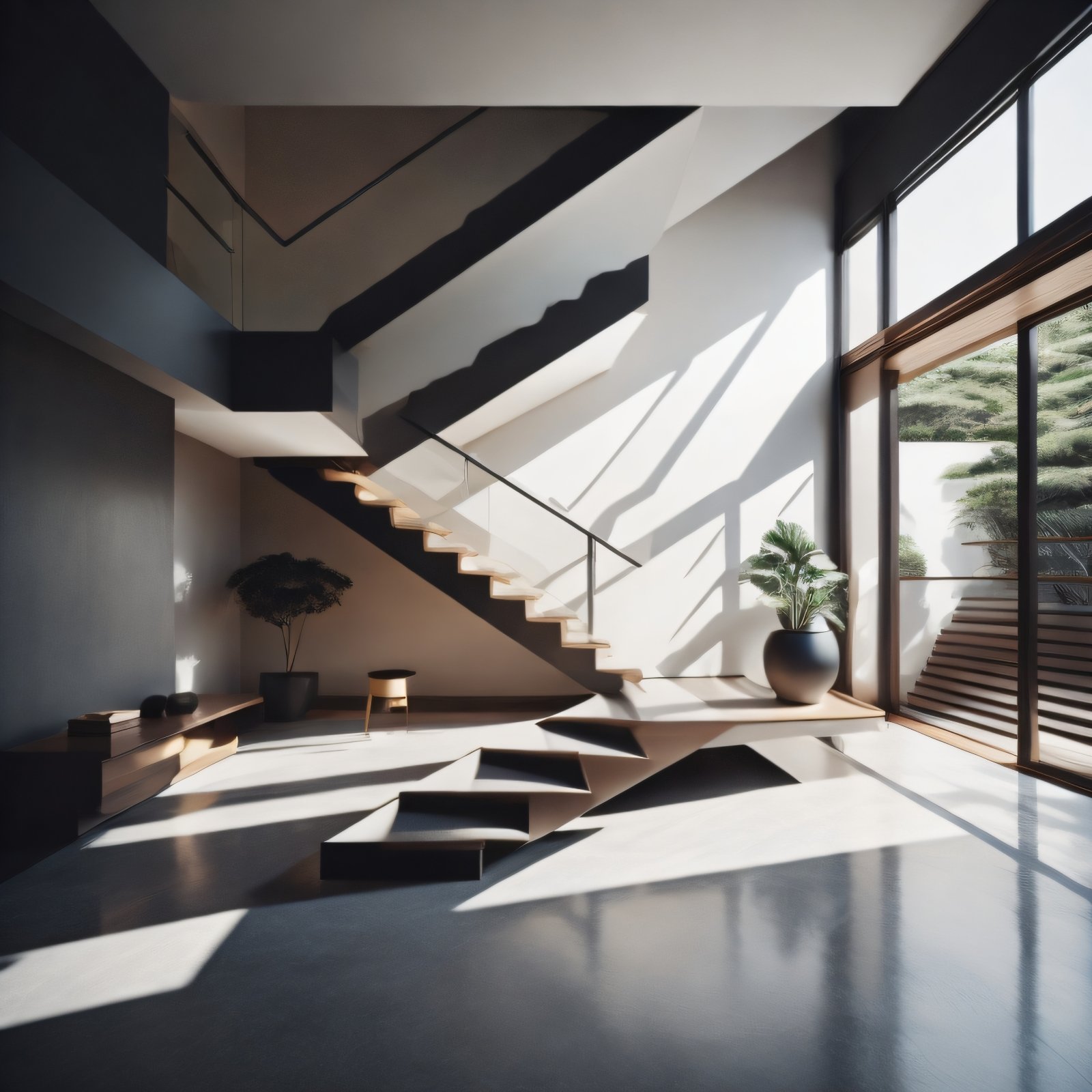
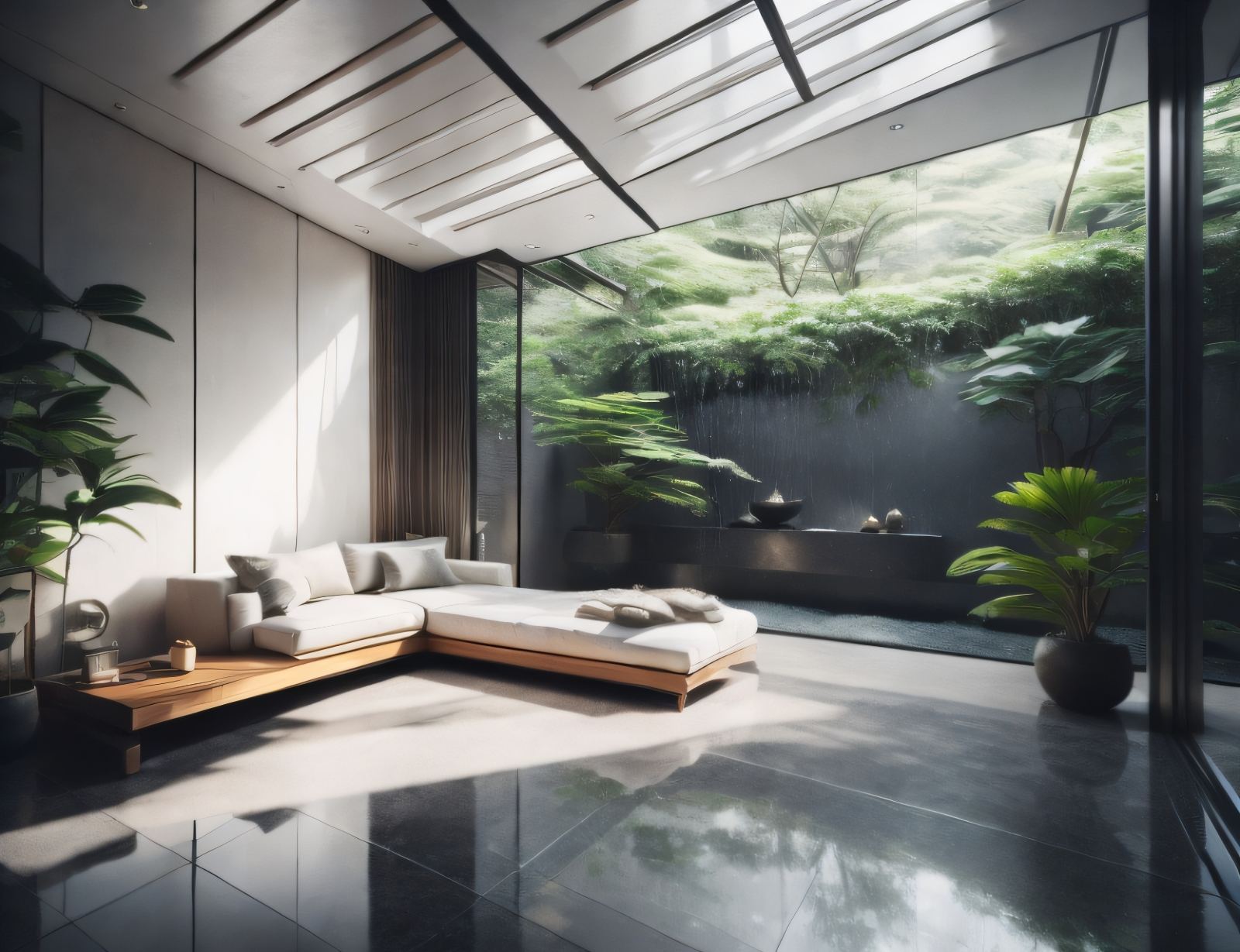
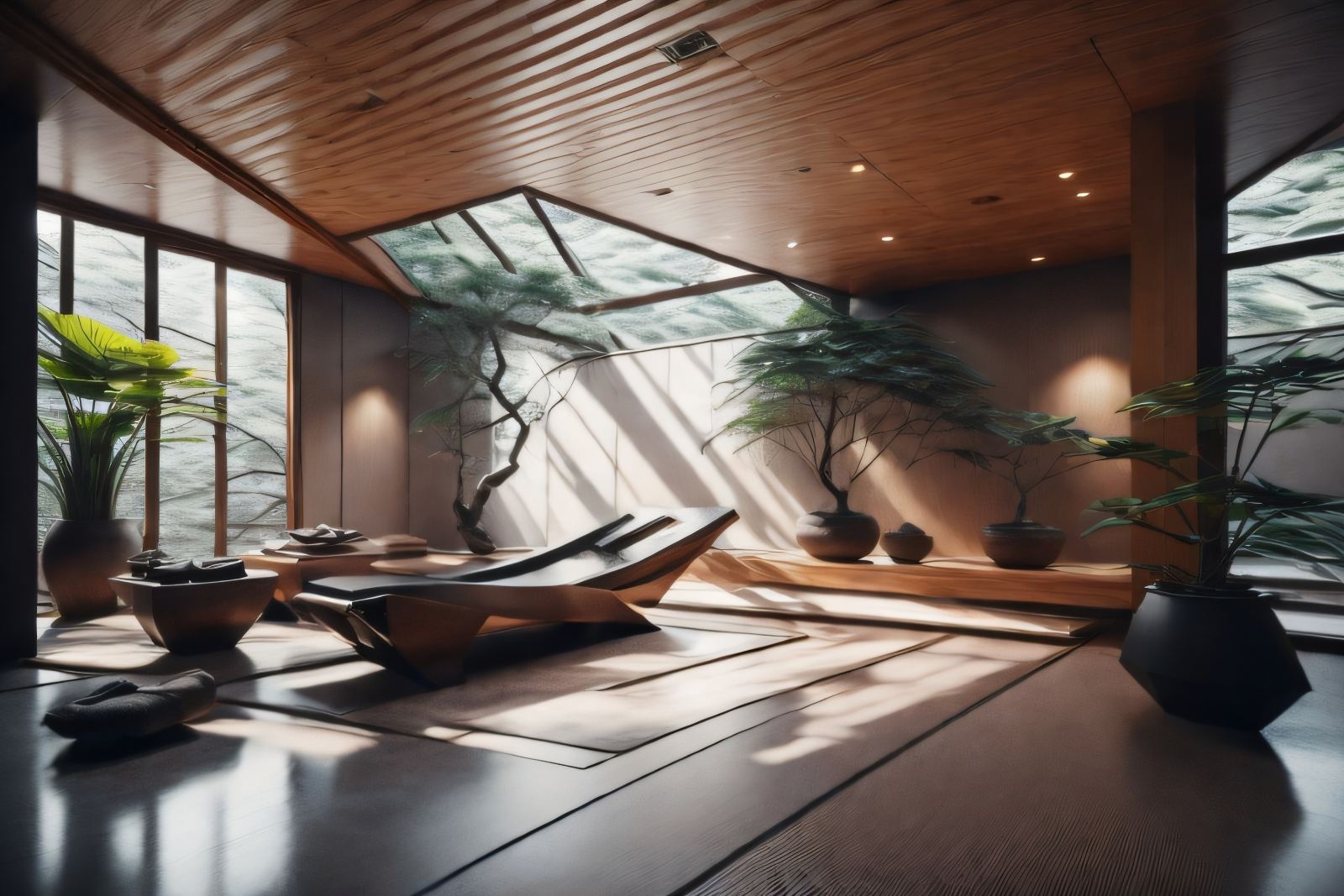
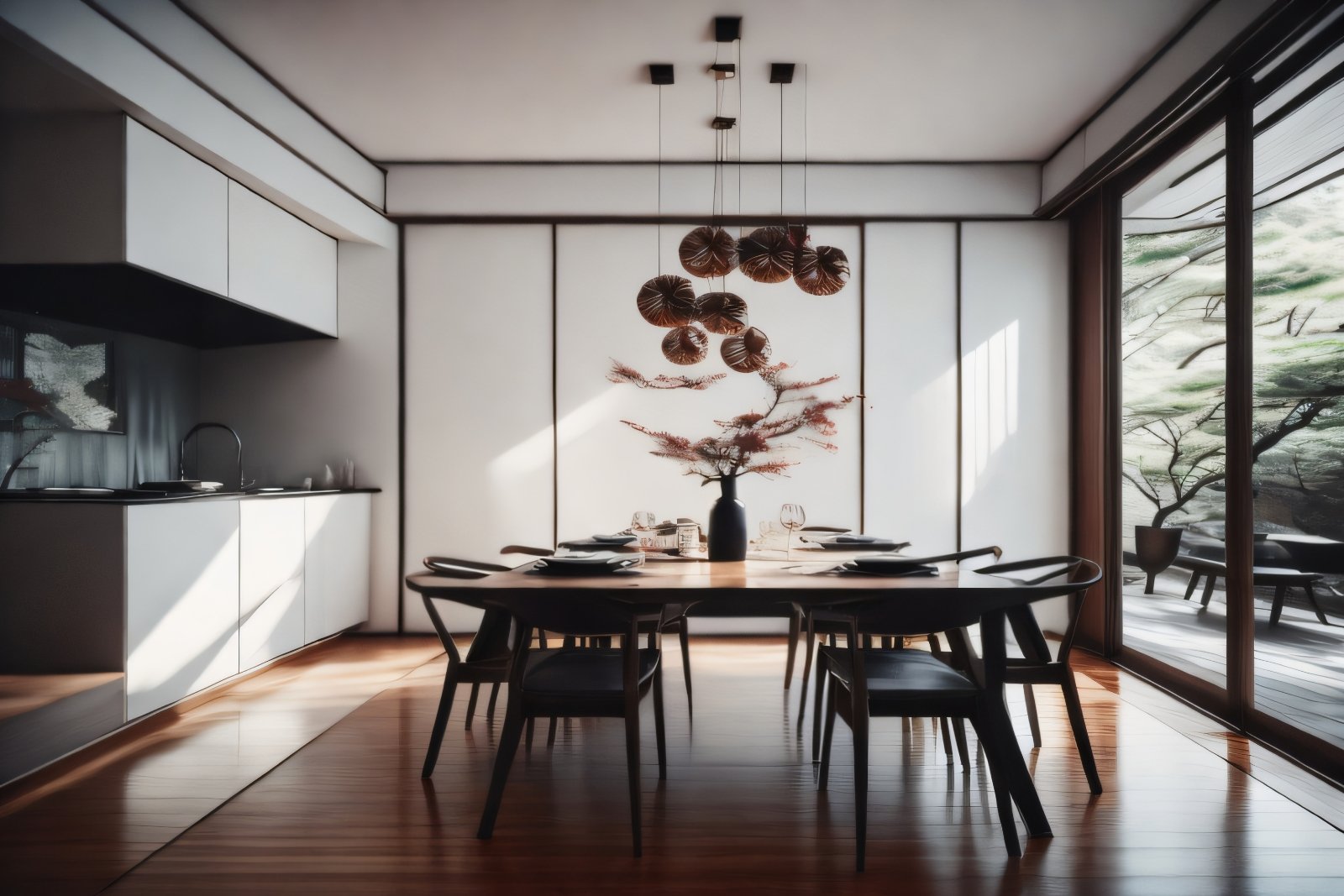
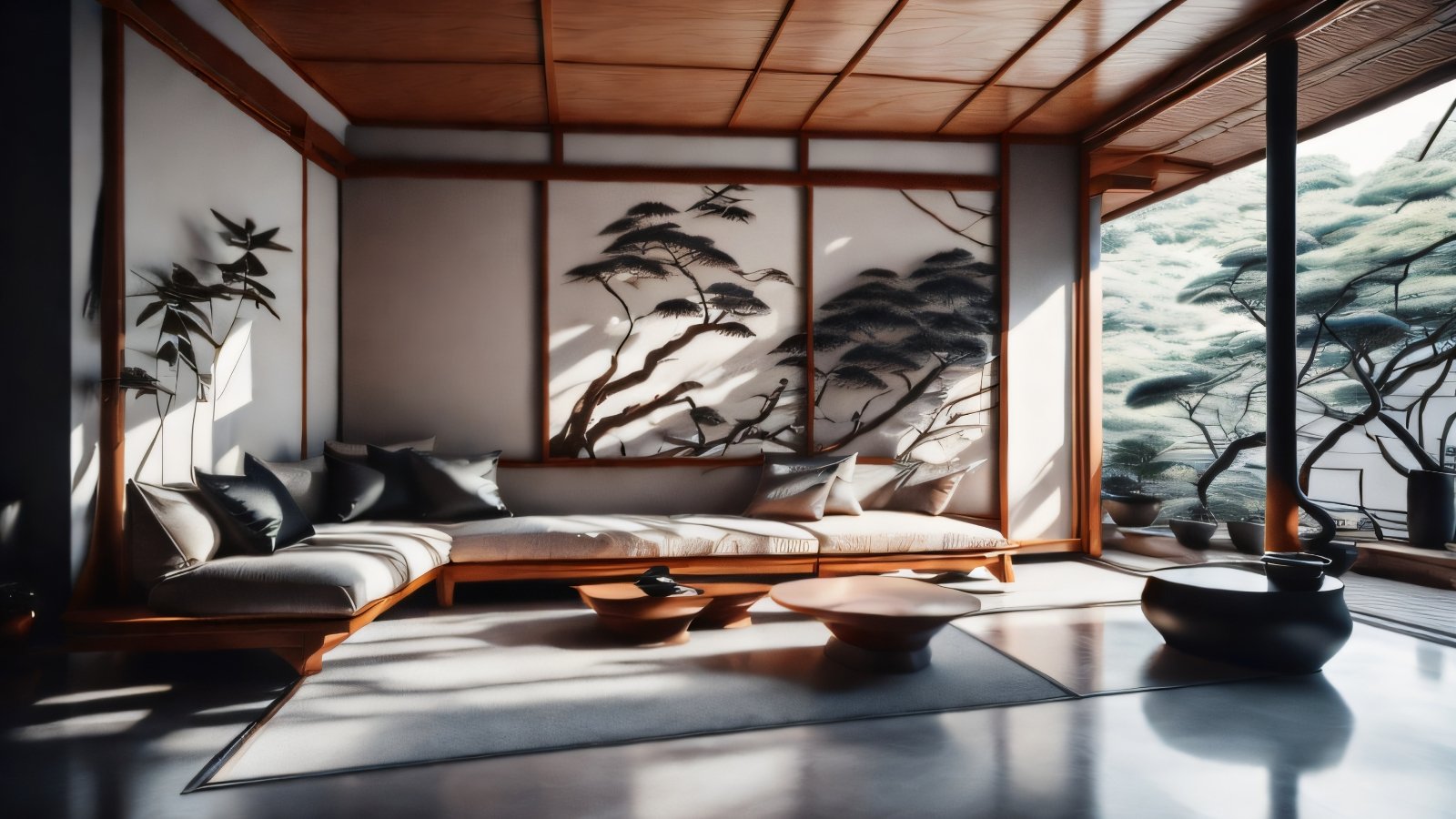
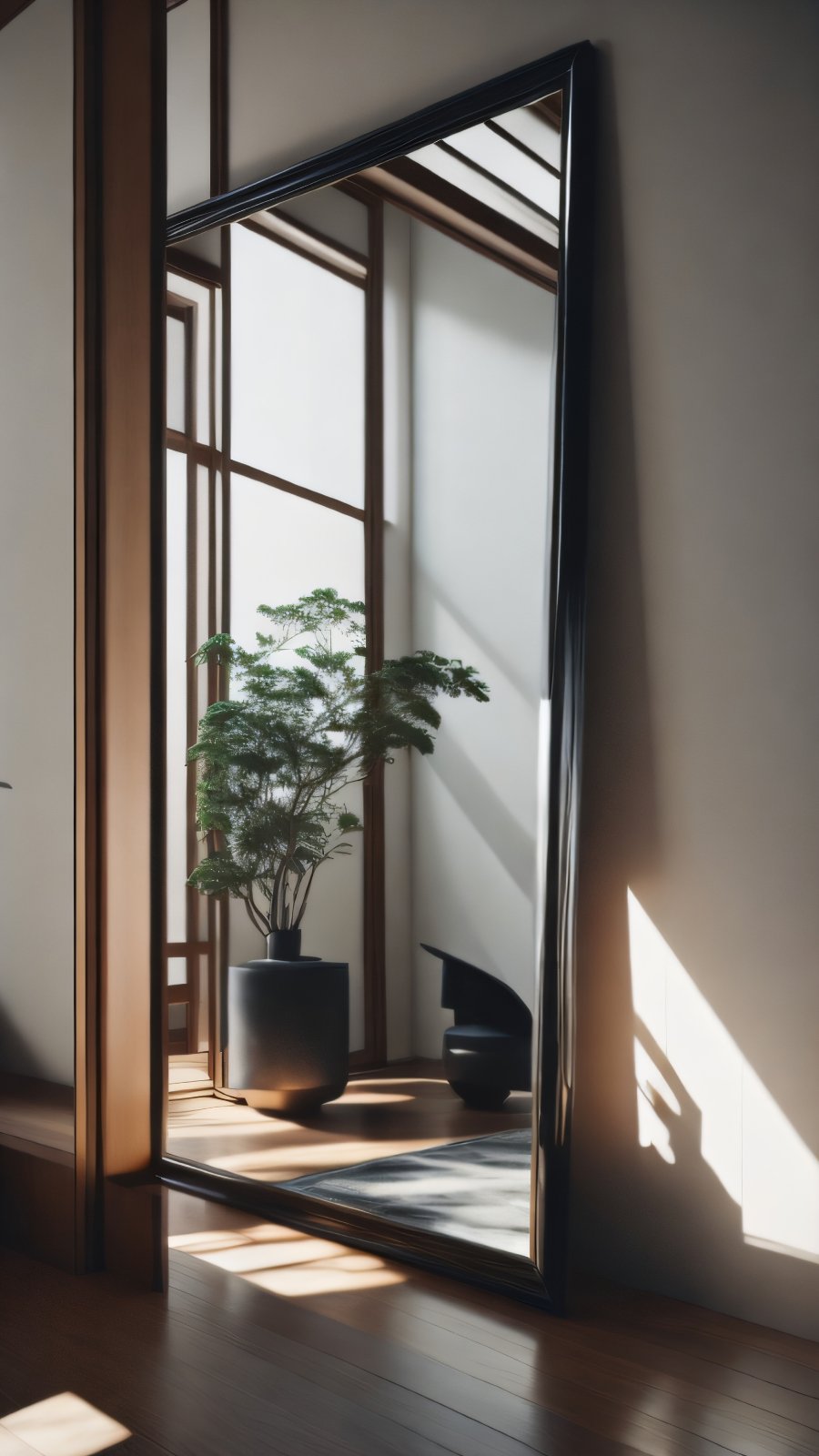
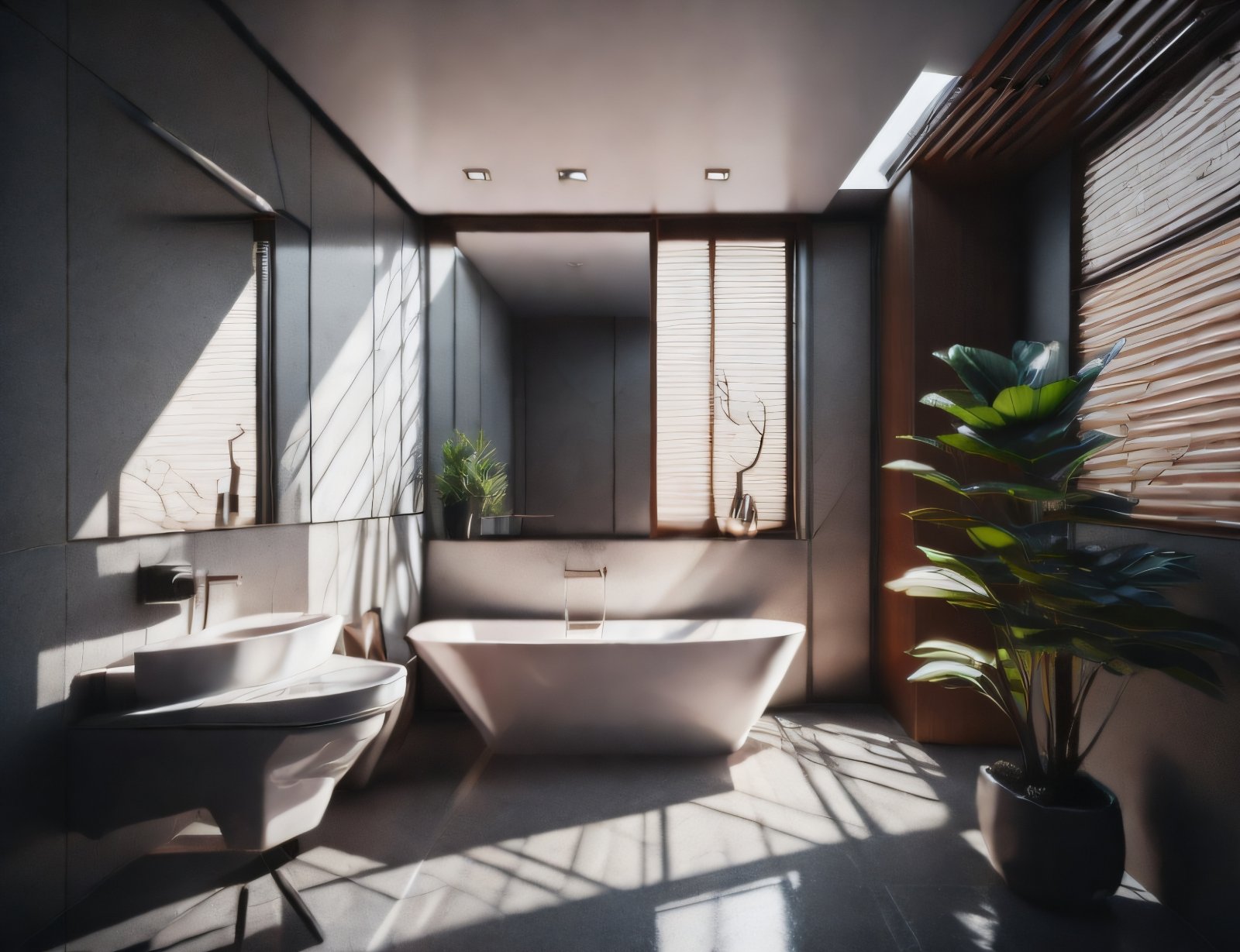
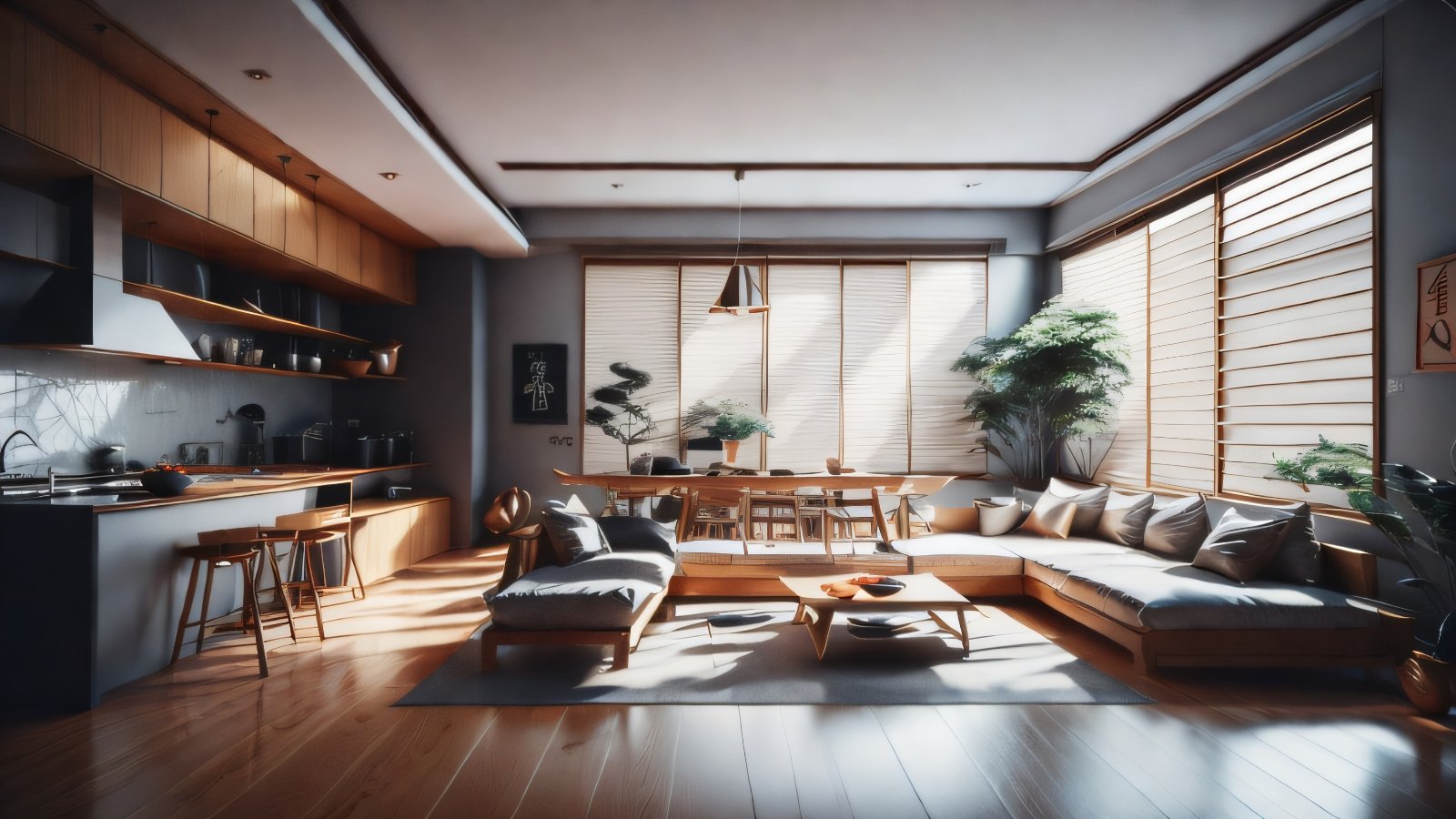
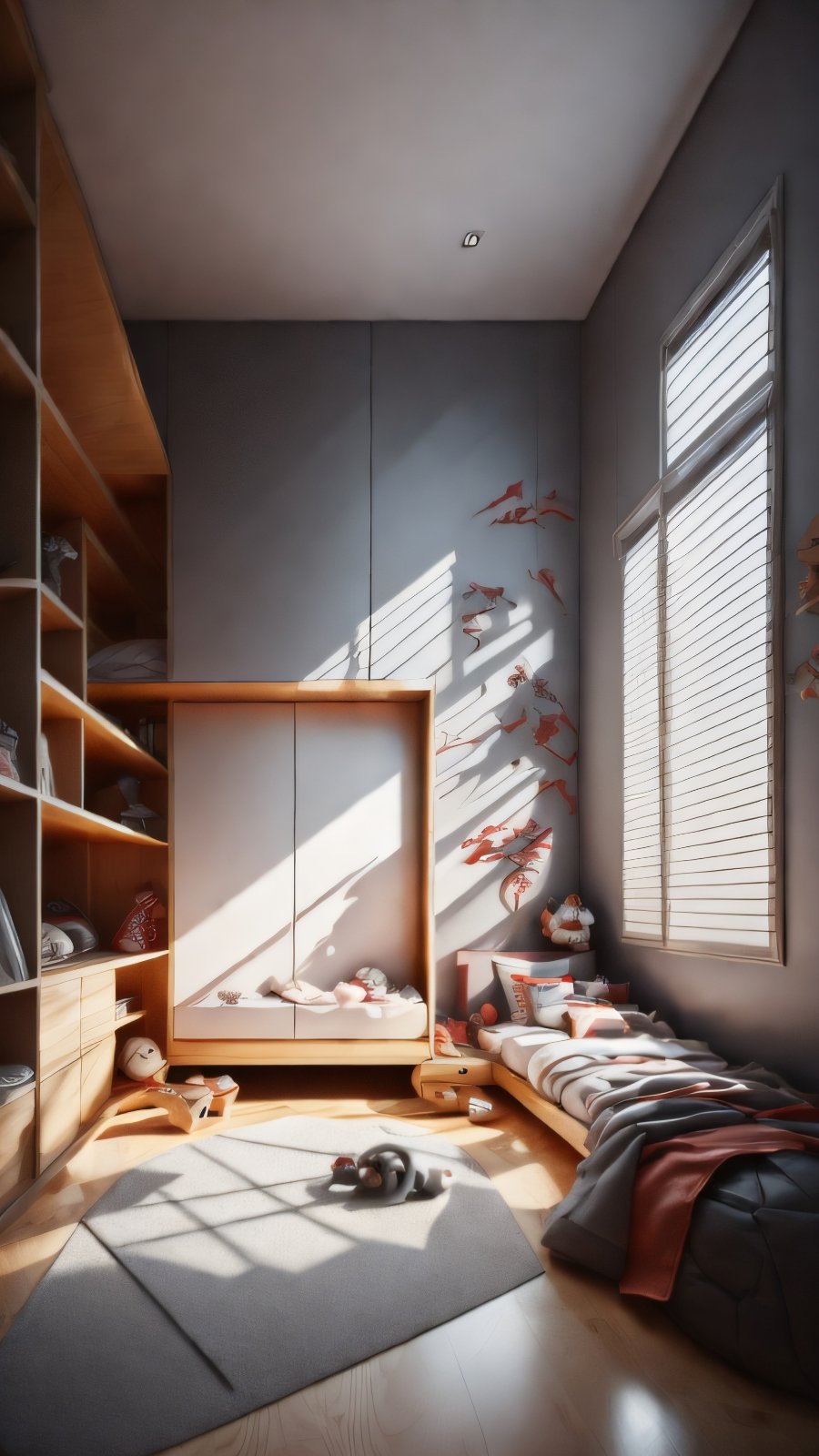
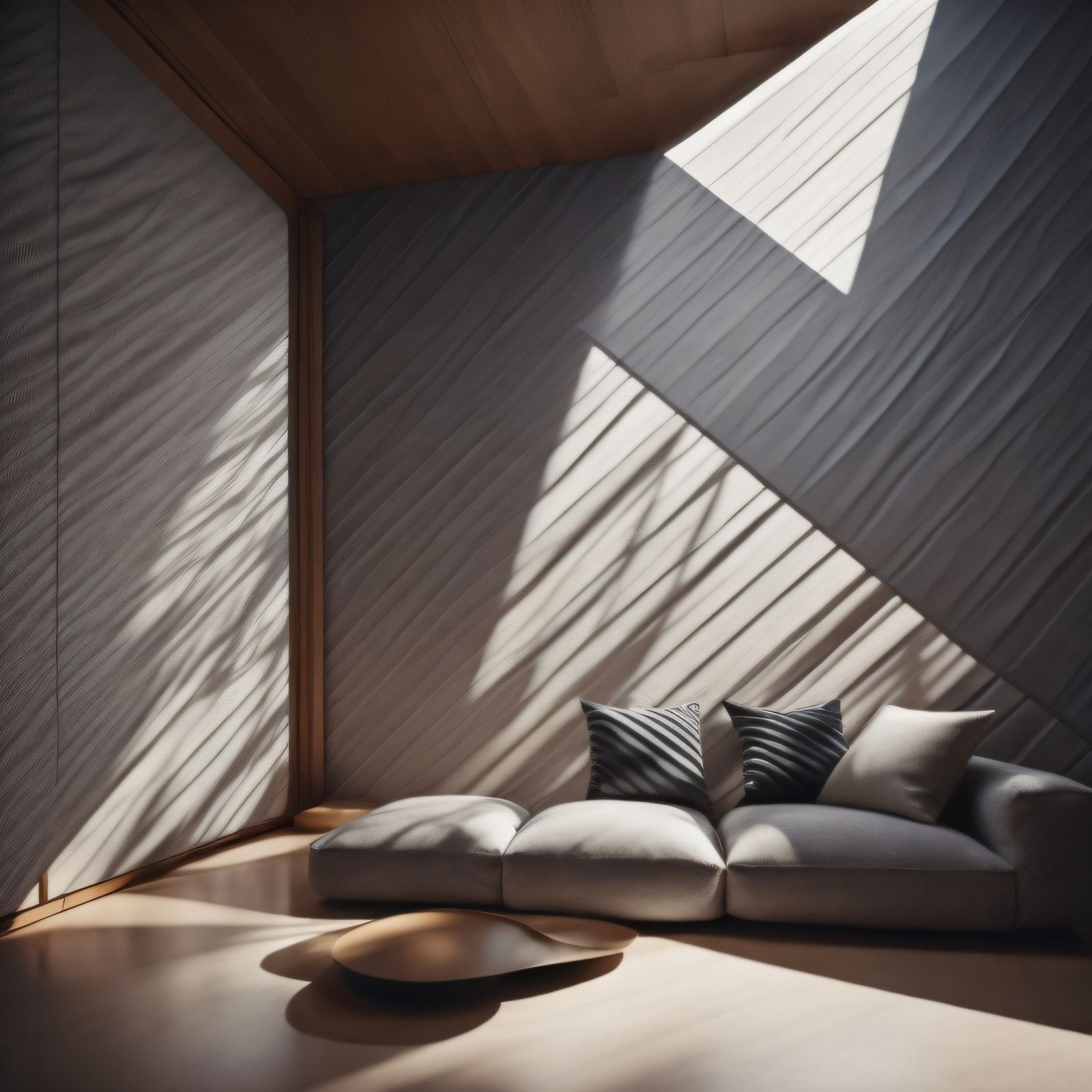
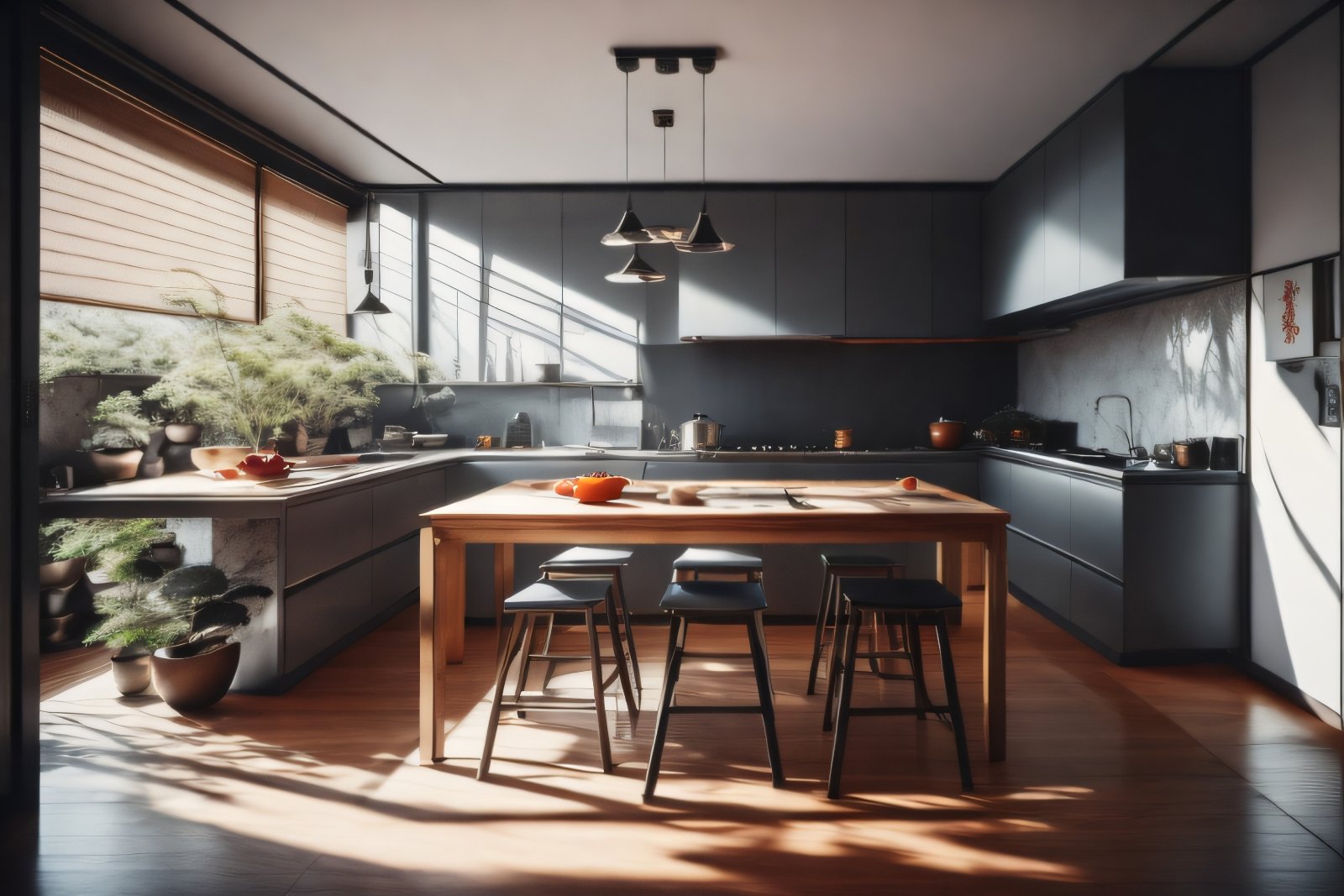
Immerse yourself in the world of Japanese interior design: enjoy elegance and tranquility.
Discover the secrets of Japanese interior design and create a harmonious atmosphere in your home. Learn how to use minimalism, natural materials, and space to achieve design perfection.
Distinctive Features of Japanese-Style Interiors
- Minimalism: Characterized by the absence of excess and overly ornate decor, focusing instead on simple, functional forms and clean lines.
- Natural Materials: To achieve this style, preference is given to natural and durable materials such as wood, rice paper, stone, and bamboo.
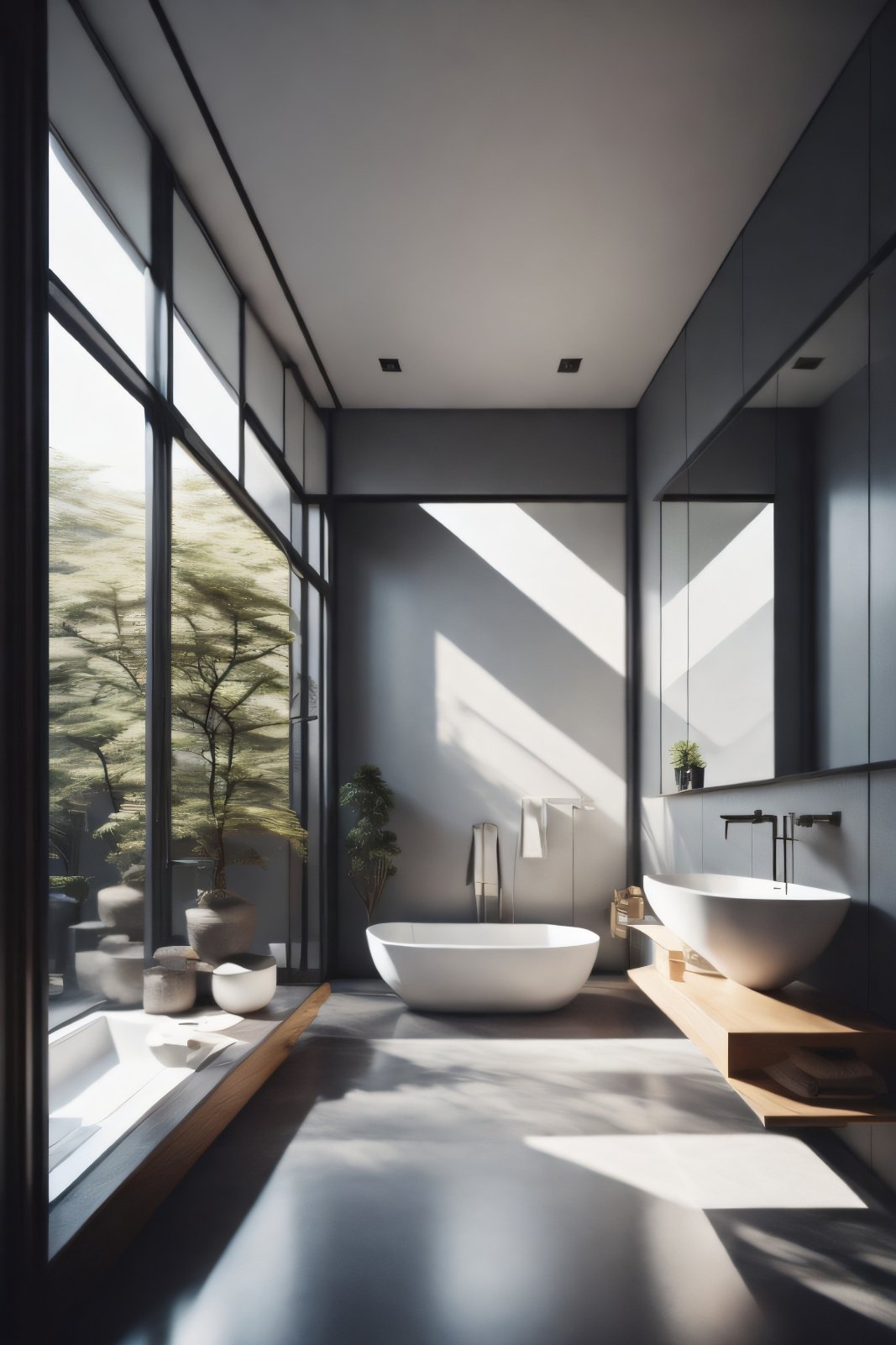
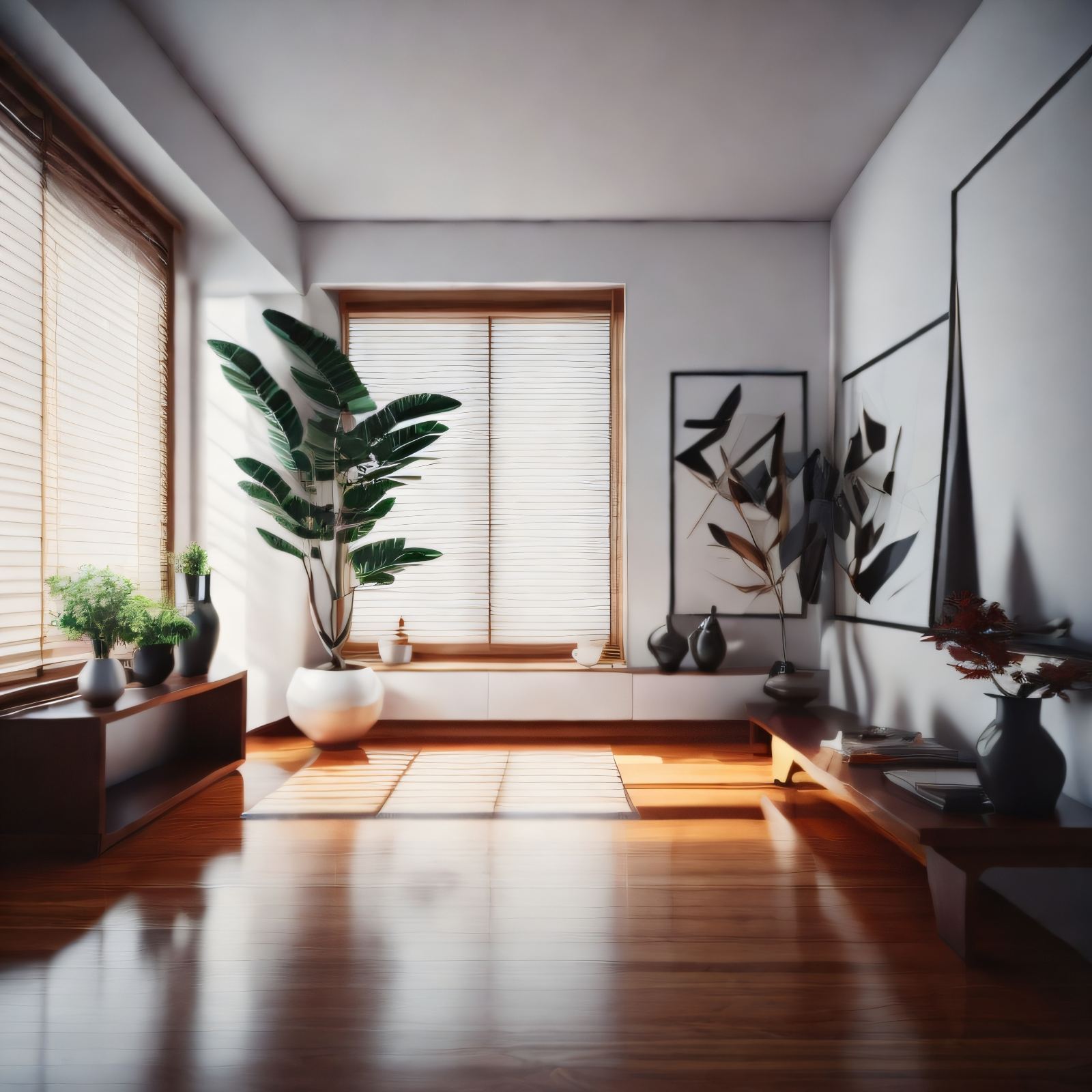
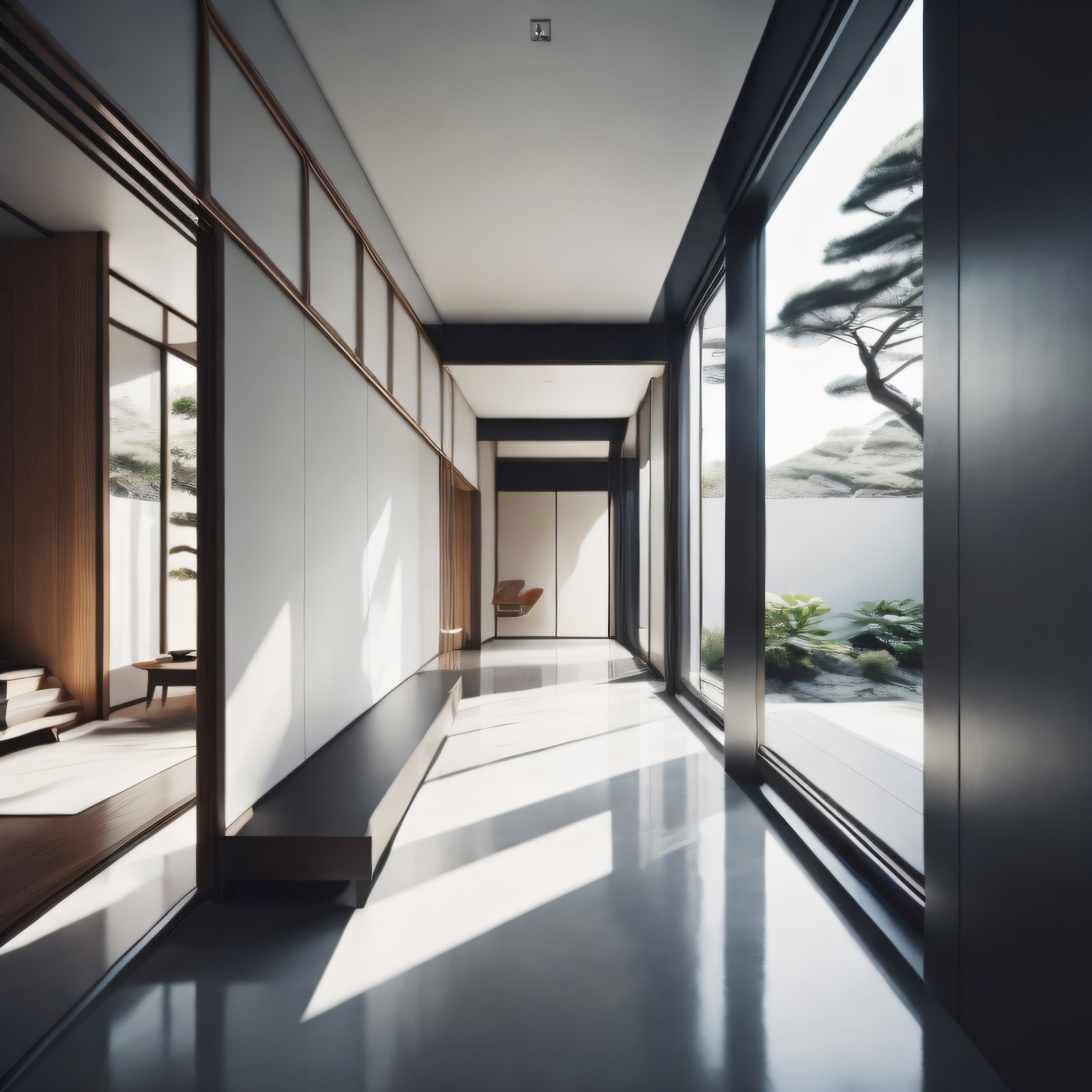
- Connection with Nature: Japanese interiors aim to create harmony with nature by using large windows to bring in maximum natural light and views of gardens or inner courtyards.
- Functional Spaces: Different areas are clearly delineated for various activities, and every piece of furniture serves a specific purpose.
- Subdued Color Palette: The primary colors are neutral shades like white, black, gray, and beige, highlighting textures and forms.
- Selected Accents: Instead of flashy, bright colors, it favors subtle accents such as ikebana (Japanese floral arranging), origami, or decorative bonsai trees.
- Zen Atmosphere: The main feature is tranquility and balance. The use of elements reminiscent of Japanese Zen philosophy creates a peaceful and harmonious space.
- Refinement in Details: Japanese interiors pay attention to fine details, such as delicately painted screens, touches of gold, or objects with a lacquered finish.
- Functional Lighting: Using various lighting sources—from elegant paper lanterns to gentle illumination—creates a calm and cozy atmosphere.
- Open Spaces: Often prefers an open layout, promoting free flow and harmony within the space.
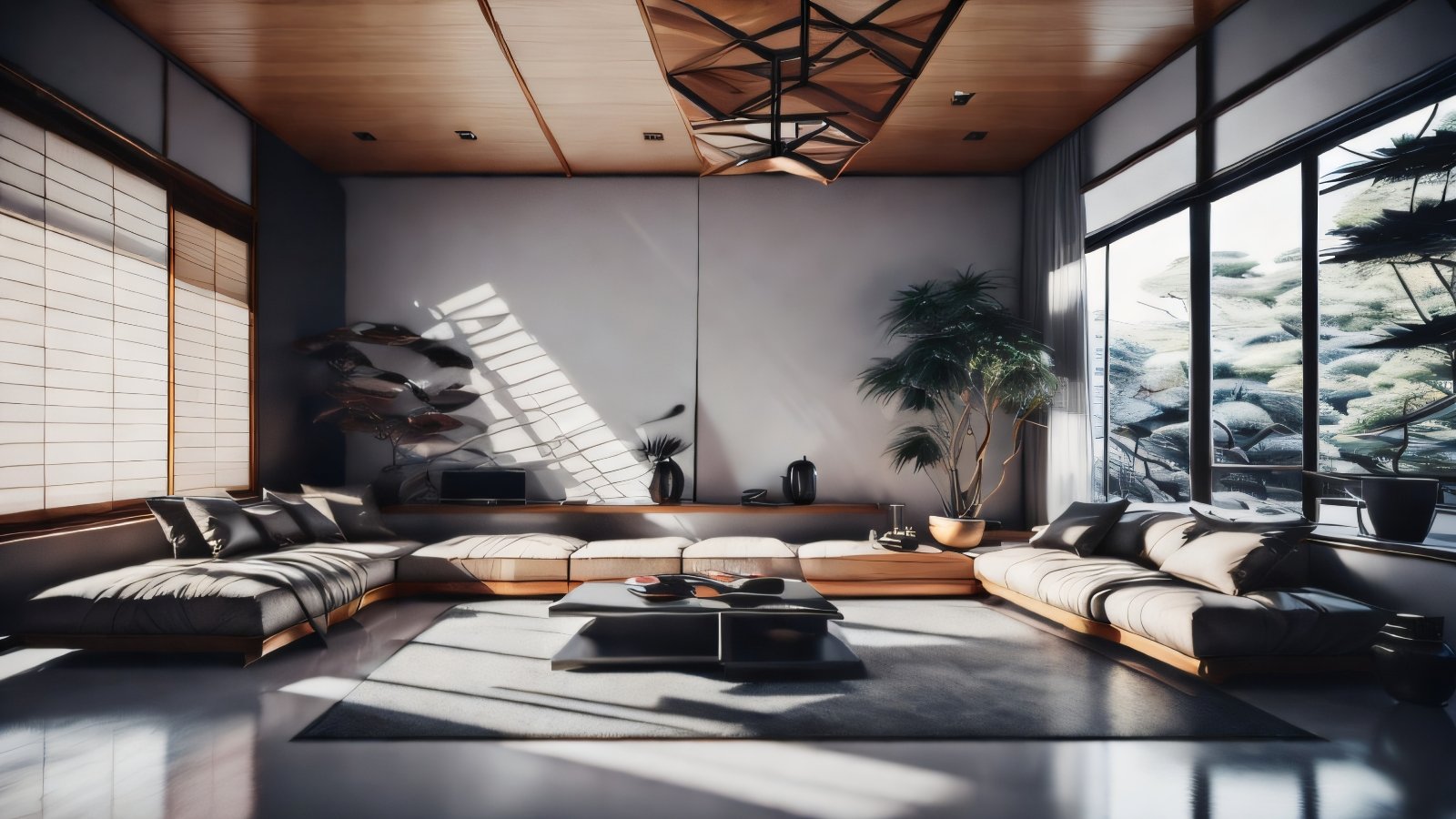
Materials and Finishes
Known for its elegance and simplicity, one of the key aspects defining this uniqueness is the materials and finishes used in the design. The Japanese value natural materials and strive to create harmony between nature and human space in the interior.
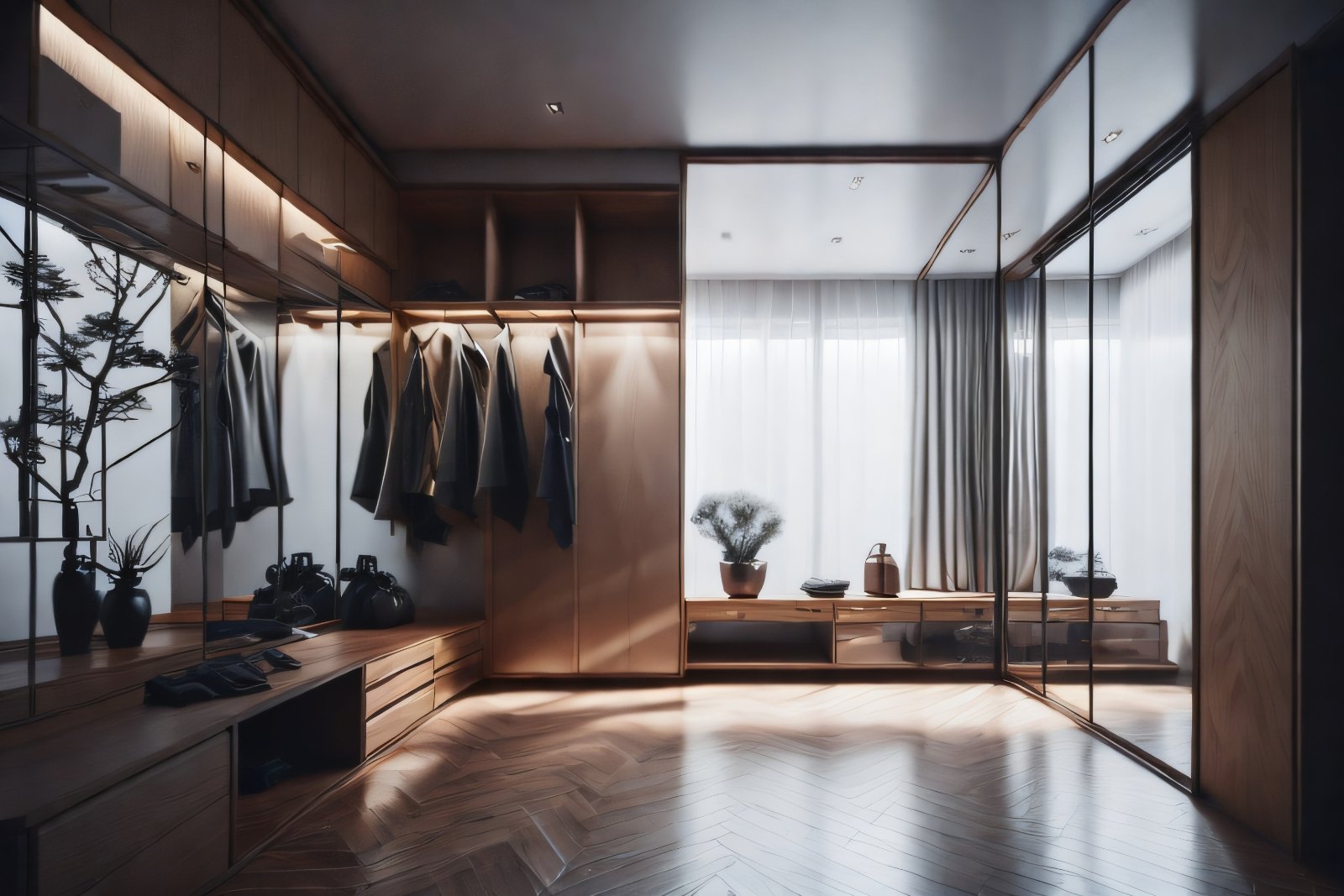
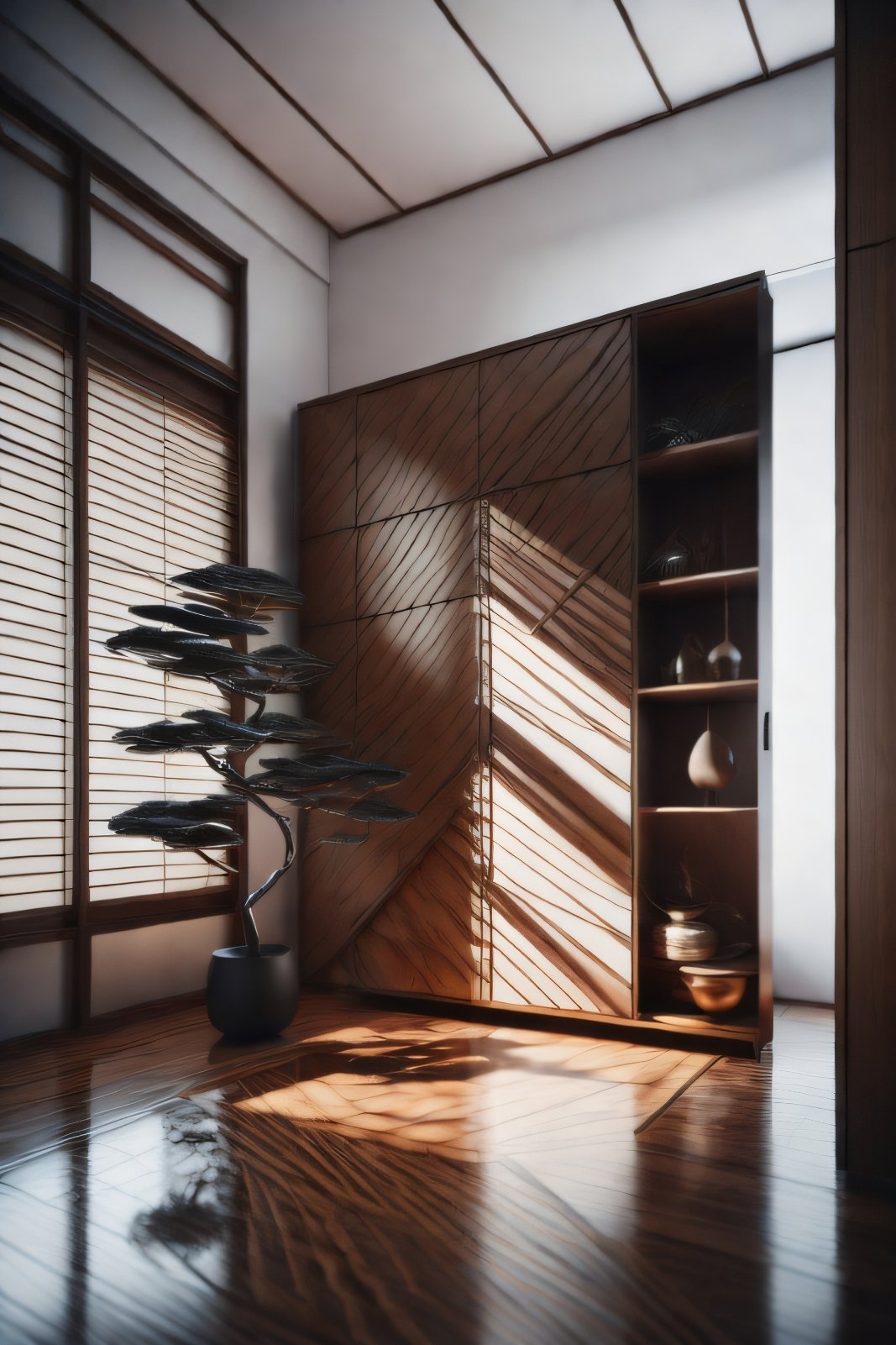
Preference is given to natural and durable materials such as wood, rice paper, stone, and bamboo. Wood is widely used and can be modified with various finishing methods to create different textures and effects. Dark and warm wood tones, like cedar, cryptomeria, and oak, are popular choices for creating a traditional Japanese ambiance.
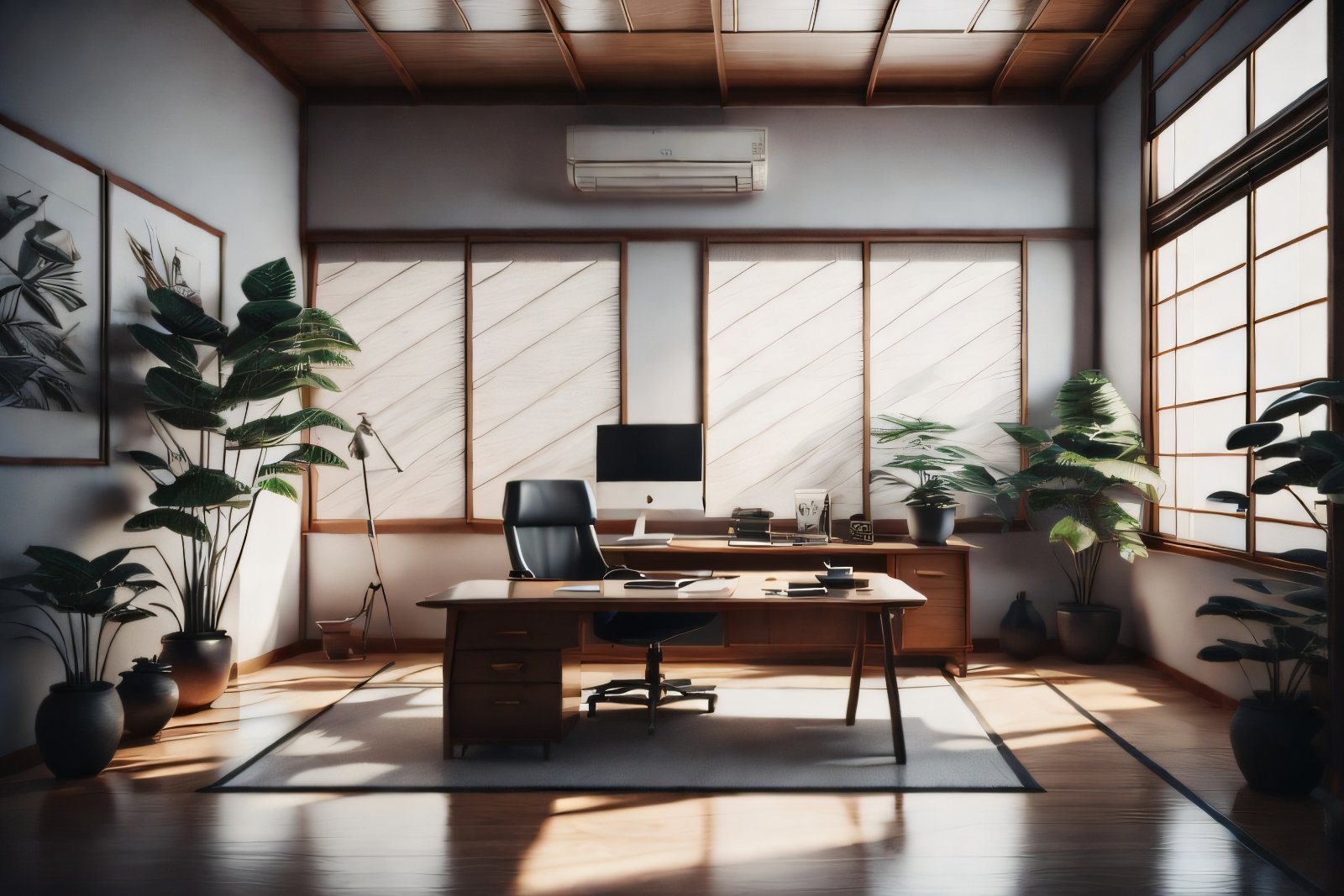
Rice Paper or "Washi" is a key element used for screens, partitions, as well as window and door panels. It allows light to pass through, creating a soft and diffused illumination in the space. Rice paper is also used to create shoji screens, which serve to divide spaces or conceal certain areas.
Stone is another popular material. Its use in flooring, walls, and even furniture adds strength and stability to the space. Stone surfaces, such as granite and slate, create textures and effects that visually bring the interior closer to nature.
Bamboo is yet another natural material used in this style. It has an elegant texture and lightweight nature. Bamboo is utilized for creating partitions, beams, furniture, and decorative elements. Its presence adds traditional Japanese touches to the interior, making it cozy and warm.
Finishing touches also deserve attention. The art and craftsmanship of Japanese artisans are distinguished by refinement and attention to detail. The art of wood decoration, called "urushi" or "shibui," is used to create distinctive textures and sophistication in wooden furniture surfaces. This process involves special treatment and staining of the wood to enhance its natural properties and give it a sheen.
Special attention is also given to lacquered surfaces, which provide shine and depth to objects. Japanese lacquer art, known as "urushi," is an ancient craft applied to create finishes for furniture items such as cabinets, tables, and screens. Lacquered surfaces add luxury and elegance to the interior.
Materials and finishes play a crucial role in crafting an atmosphere of harmony with nature and tranquility. The use of natural materials and refined finishes highlights the simplicity and elegance of Japanese design, creating a unique and unforgettable space.
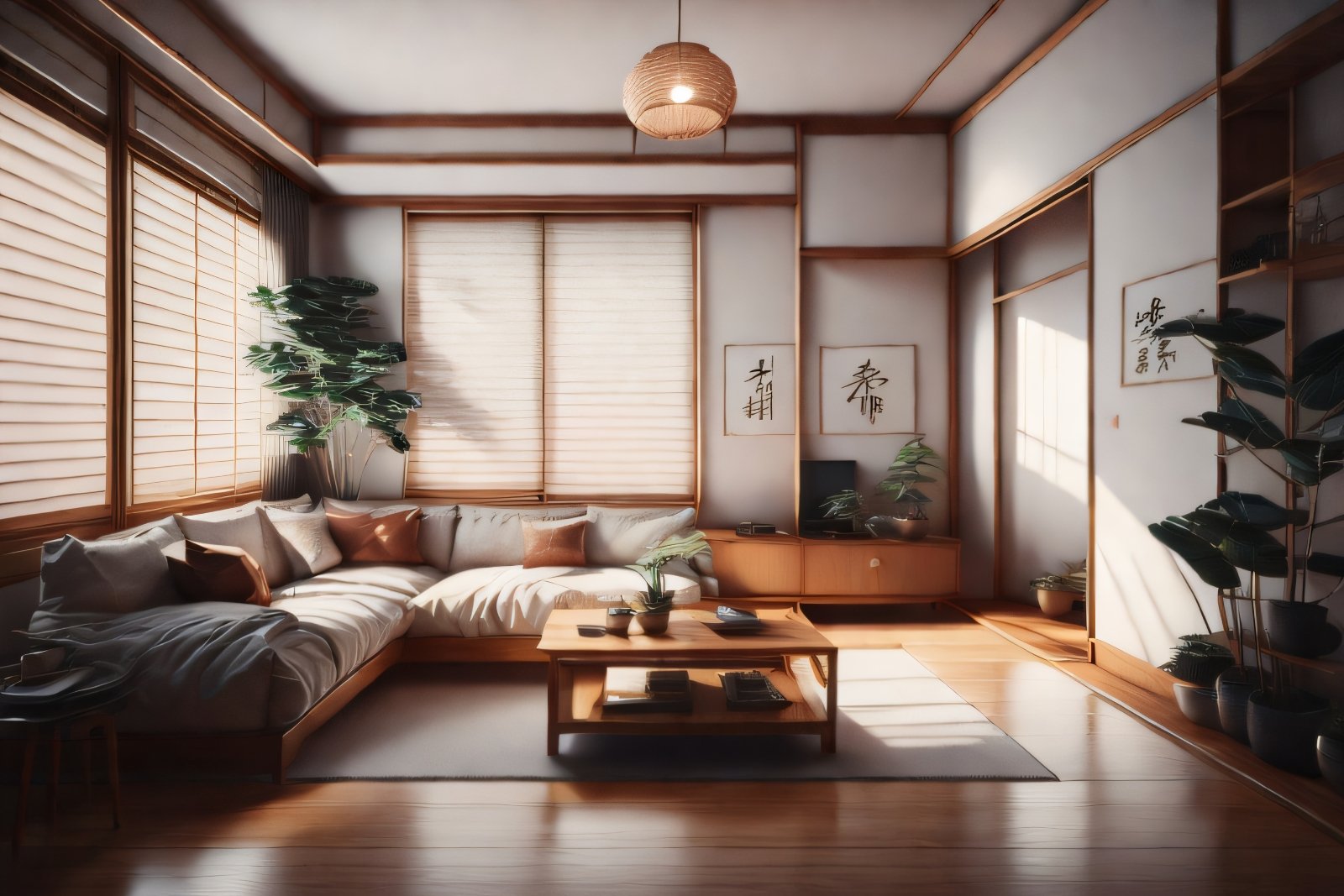
Color Scheme
It plays a key role in creating a calm, harmonious, and natural atmosphere. The Japanese place great importance on the balance and proportions of colors, aiming to create a well-balanced palette that reflects natural elements and aligns with the principles of Japanese aesthetics.
One of the key colors is the neutral shade of white. White is considered a symbol of purity and light, and it is widely used in Japanese culture. White walls, ceilings, and floors evoke a sense of spaciousness and tranquility. They visually enlarge the space and allow light to penetrate deeper into the room.
Apart from white, neutral shades such as pastel grays, beiges, and browns are frequently used. These colors create a sense of naturalness and subtlety, which is a characteristic feature of this style. They are often used for furniture, textiles, and wall finishes.
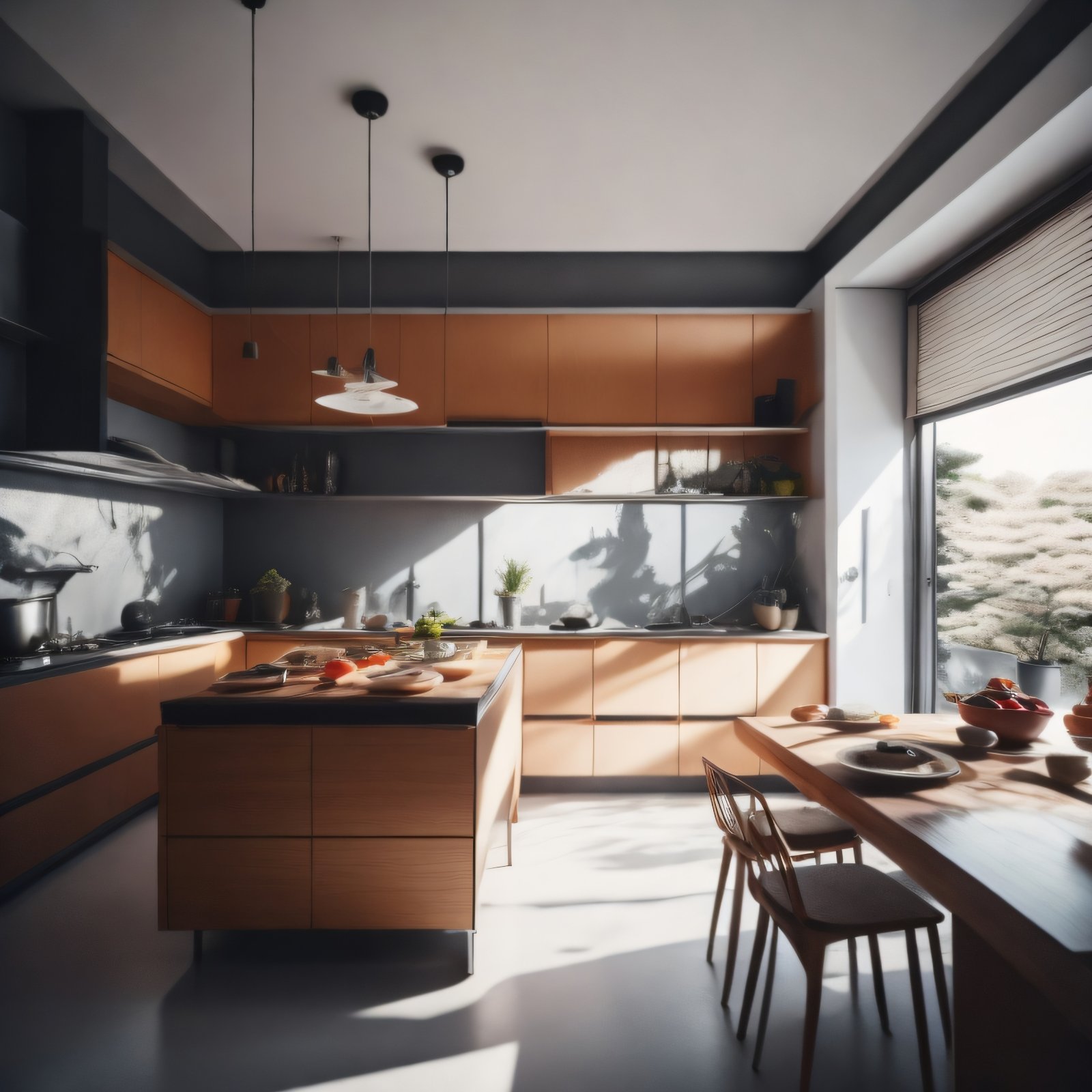
Traditional Japanese interiors are also known for their use of vibrant accent colors that add liveliness and dynamism to the space. Colors like red, orange, and green can be used in decorative elements, pillows, rugs, or accessories. These colors embody the energy of nature and symbolize the seasonal changes, which are an important part of Japanese culture.
However, accent colors are always used sparingly to maintain the balance and harmony of the interior. The shades of these colors should be muted and gentle, conveying a sense of calmness and restraint. Often, a pastel palette is used, which helps create a relaxing atmosphere and brings a sense of comfort.
It's important to note that the color palette can be inspired by nature. The Japanese reflect seasonal changes in their interiors using shades of natural elements. For instance, cherry blossoms in the spring and emerald foliage in the summer can inspire the choice of colors for textiles, wallpapers, or decorative elements.
When it comes to color design, the main goal is a sense of harmony and naturalness. Colors should be balanced and aligned with the overall aesthetic, while also conveying the emotional strength of nature. White and neutral shades create the foundation, and vibrant accent colors add liveliness and energy. Consequently, the color scheme is intended to create harmony and evoke feelings of peace and tranquility.
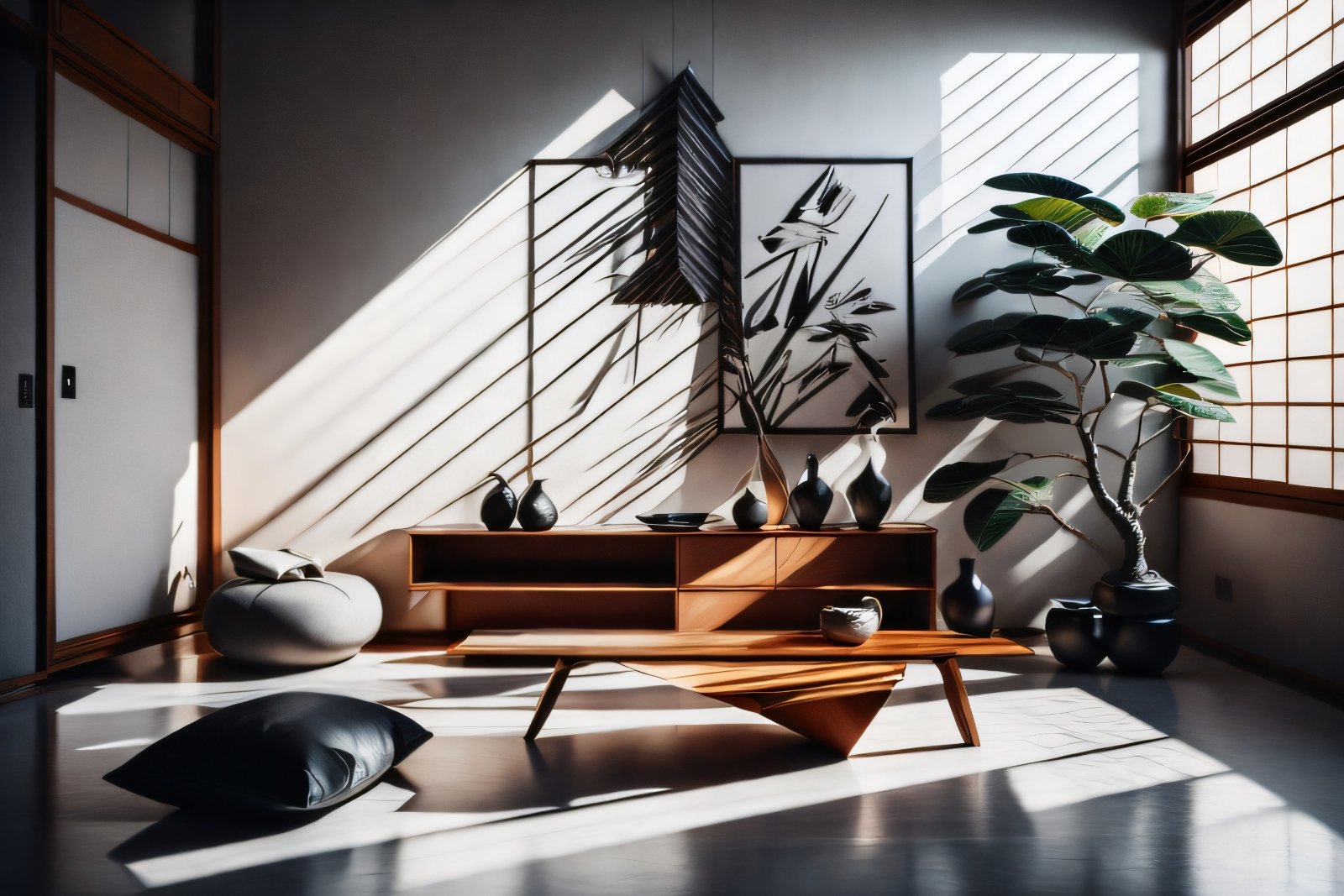
Furniture
Recognized as a form of art, Japanese furniture blends functionality, minimalism, and simplicity of lines. This style embodies rationalism and aesthetics rooted in the principles of Japanese culture.
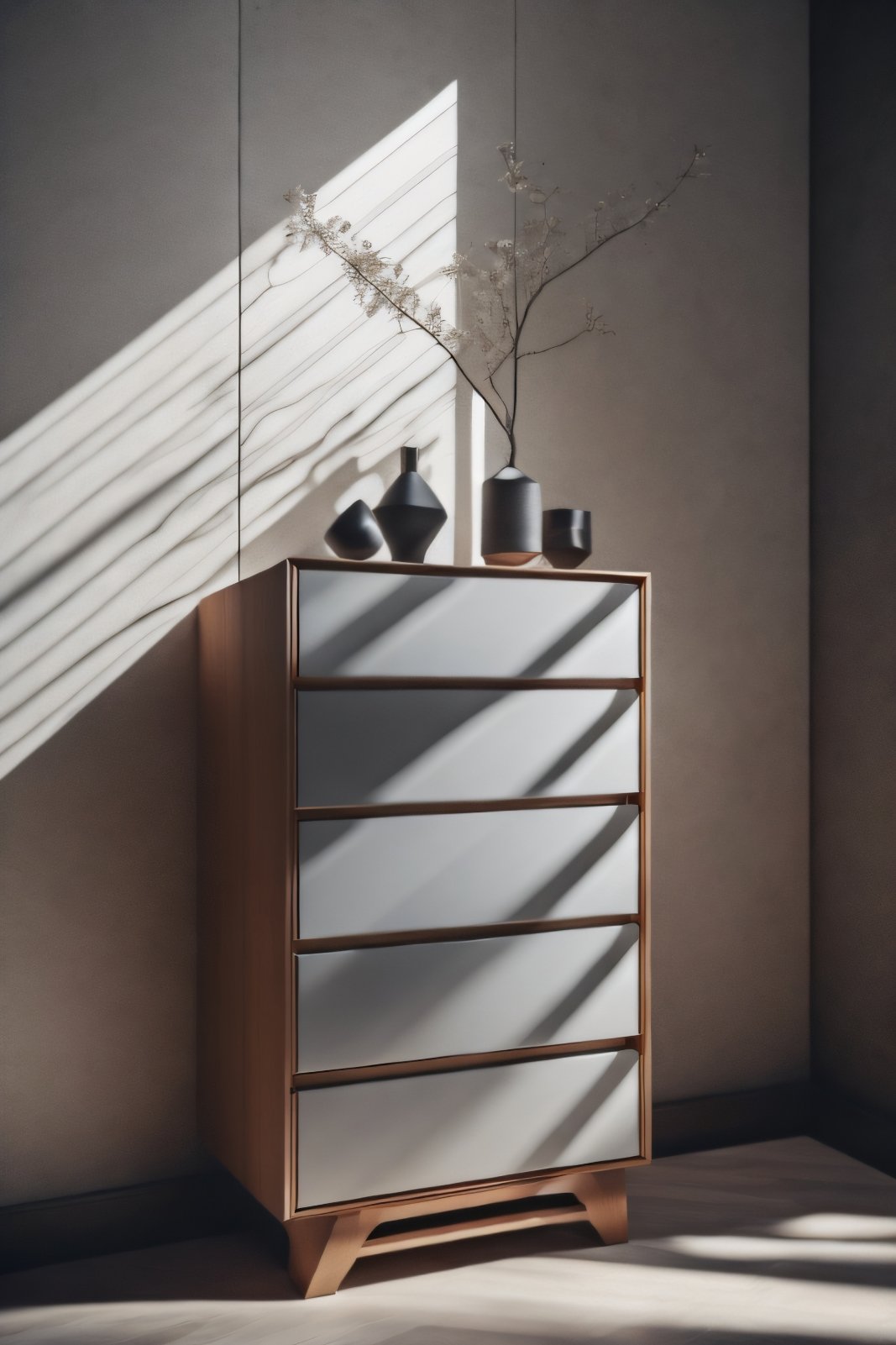
Key characteristics of this furniture include a low profile and straight lines. The absence of excessive details and decorations makes Japanese-style furniture both functional and elegantly simple. Tables, chairs, cabinets, and beds in this style typically feature rectangular or square shapes and are made from natural materials like wood, rattan, or bamboo. They may have a matte finish or be coated with natural lacquers.
An important feature of this furniture is its low profile. Low coffee tables, known as "chabudai," become the center of the room, where the family gathers for tea or conversations. These tables are typically much lower than standard coffee tables, making the space feel more intimate and cozy.
Japanese culture also embraces the use of foldable and multi-functional furniture that can be easily stored. For instance, the "futon" is a traditional Japanese bed comprising a mattress and a blanket that can be rolled up and tucked away in a closet or dresser during the day. This makes the space more versatile, allowing the room to be used for various purposes.
Another characteristic is the use of natural materials. Wood, bamboo, and rattan are commonly used to create furniture, as these materials impart a sense of warmth and natural beauty to the space. They also reflect the natural elements that are a significant part of Japanese aesthetics.
The furniture is also distinguished by open spaces and a minimalist approach to storage. Open shelves and cabinets are used to display art and decor, while household items are hidden inside cabinets or under beds. This creates a sense of spaciousness and emphasizes the importance of emptiness and the absence of unnecessary items in Japanese culture.
Furniture is a reflection of the sophisticated Japanese aesthetics and philosophy of moderation and harmony. Simple and straight lines, the use of natural materials, and the low profile make this furniture ideal for creating a cozy and serene environment that celebrates simplicity and naturalness.
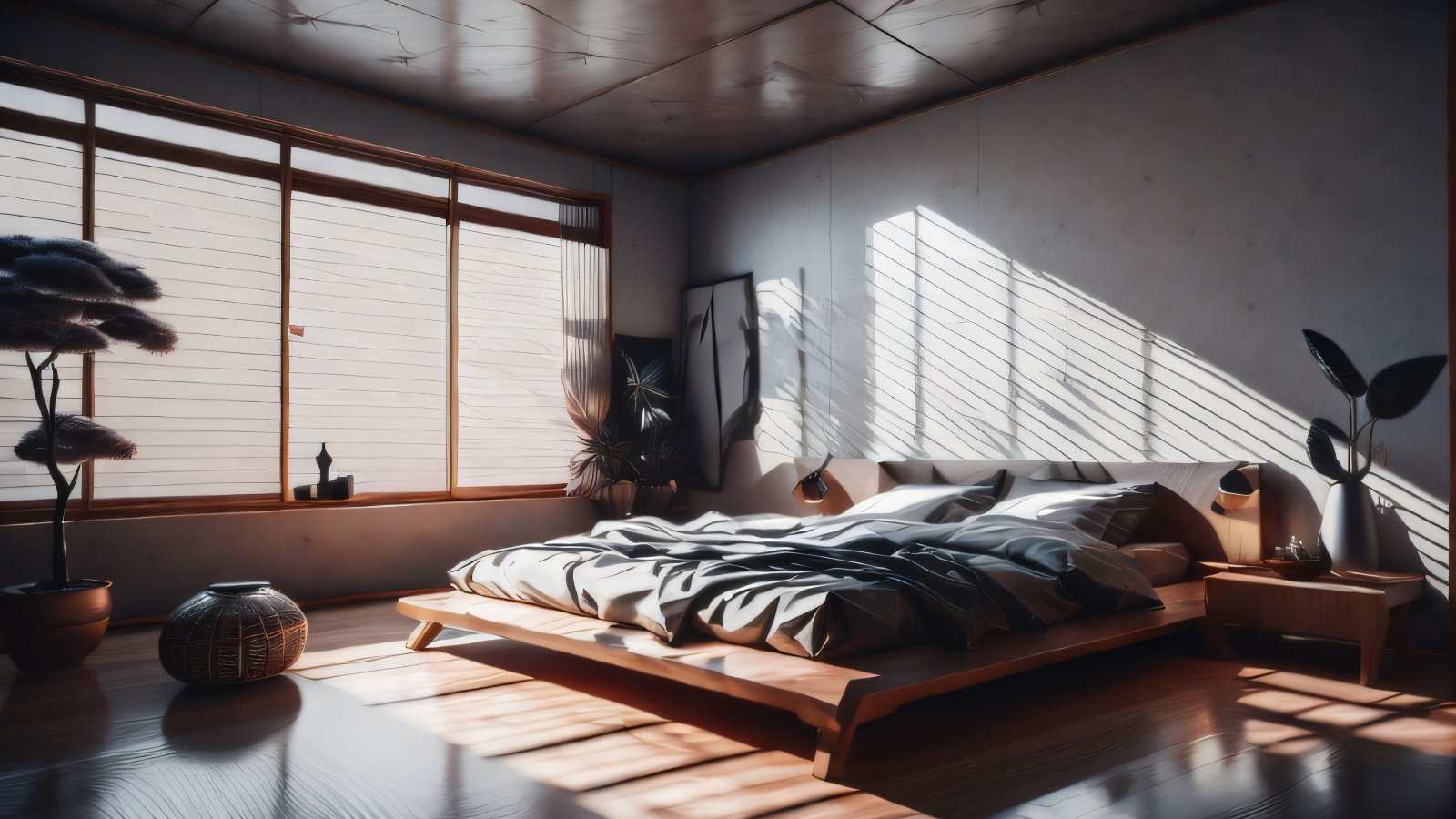
Decor
Details and decor in a Japanese-style interior play a crucial role in creating an atmosphere of tranquility, harmony, and simplicity. This style pays special attention to small details that add Japanese aesthetics and cultural significance to the space.
One of the important decorative elements is the screen partitions known as "shoji," used to create different zones within a room and ensure privacy. These partitions are made of paper and wooden frames, with light-reflecting properties that create pleasant diffused lighting in the room. Additionally, instead of standard doors, you can install "fusuma"—sliding screen panels—that also help in zoning the space.
A very common decorative element is the "tokonoma"—a niche located on one of the walls of the room. Typically, these niches display art pieces such as paintings, ceramics, flowers, or decorative bamboo branches. Tokonoma adds a Japanese character to the space and creates a focal point in the room.
Besides this, the style is also known for incorporating "ikebana" - the art of flower arrangement. Ikebana emphasizes the beauty of nature and brings a sense of harmony and naturalness. The main idea of this art is to create a balance between color, form, and space within a minimalist and refined design.
Japanese-style decor commonly uses items made from natural materials such as wood, stone, and bamboo. Tatami mats, a traditional Japanese material made from straw and rice straw, perfectly complement a Japanese-style interior. They create a warm and cozy atmosphere while adding texture and naturalness to the space.
The color palette in a Japanese-style interior is usually gentle and subdued. The primary colors often include shades of white, beige, gray, and brown, which create a calm and harmonious atmosphere. This allows the natural elements of the decor to take center stage and create a space full of light and balance.
Overall, details and decor in a Japanese-style interior play a crucial role in creating a unique aesthetic and ambiance. They help achieve harmony, simplicity, and tranquility, delighting with the beautiful combination of natural materials, elegant lines, and a minimalist approach.
Summing Up
In recent years, Japanese-style interiors have become highly popular. This aesthetic captures the beauty and natural essence characteristic of Japanese culture. Japanese interiors exude simplicity and conciseness, yet their functionality and harmony are truly awe-inspiring. They often serve as excellent examples of minimalism, featuring calm colors and clean lines.
The first and most crucial aspect to understand when creating a Japanese interior is the emphasis on simplicity and minimalism. The Japanese style doesn't incorporate excessive ornamentation or decor. You should avoid cluttering your home with too much furniture and various items. Decorative elements like art, flowers, or photo frames should be minimized and placed in specific areas of your apartment or home.
Another key element reflecting the Japanese style is natural color. Japanese interiors frequently use natural materials such as bamboo, rice paper, or wood. The color palette of your decor should be calm and natural. Most Japanese interiors include a few colors—white, black, gray, brown, and green.
One distinctive feature of Japanese interiors is the use of light and shadow. Shadow lines and simple patterns imbue the home with a cozy aesthetic. The lighting you choose for your apartment or home in Japanese style should be soft, natural, and functional. For example, traditional Japanese paper lanterns, known as "igoori," can be used to add an extra layer of ambiance to your interior.
The most important element in Japanese interior design is space. In Japanese style, you'll never find an excess of furniture or decor. Instead, they leave space which creates a sense of peace and harmony. Japanese interiors have a relaxed design that allows you to feel the natural flow of the environment.
Recently, global interior design has been paying great attention to Japanese culture. Unlike other European styles, Japanese design has always been attuned to naturalness and environmental preservation. Japanese interiors are almost always beautiful and minimalist, making them perfect for those seeking a cozy and aesthetically pleasing setting. They embody the absolute ideals of tranquility, harmony, and purity, and they can make your home astonishingly beautiful and inviting.
Japanese Style in Interior Design — Photos