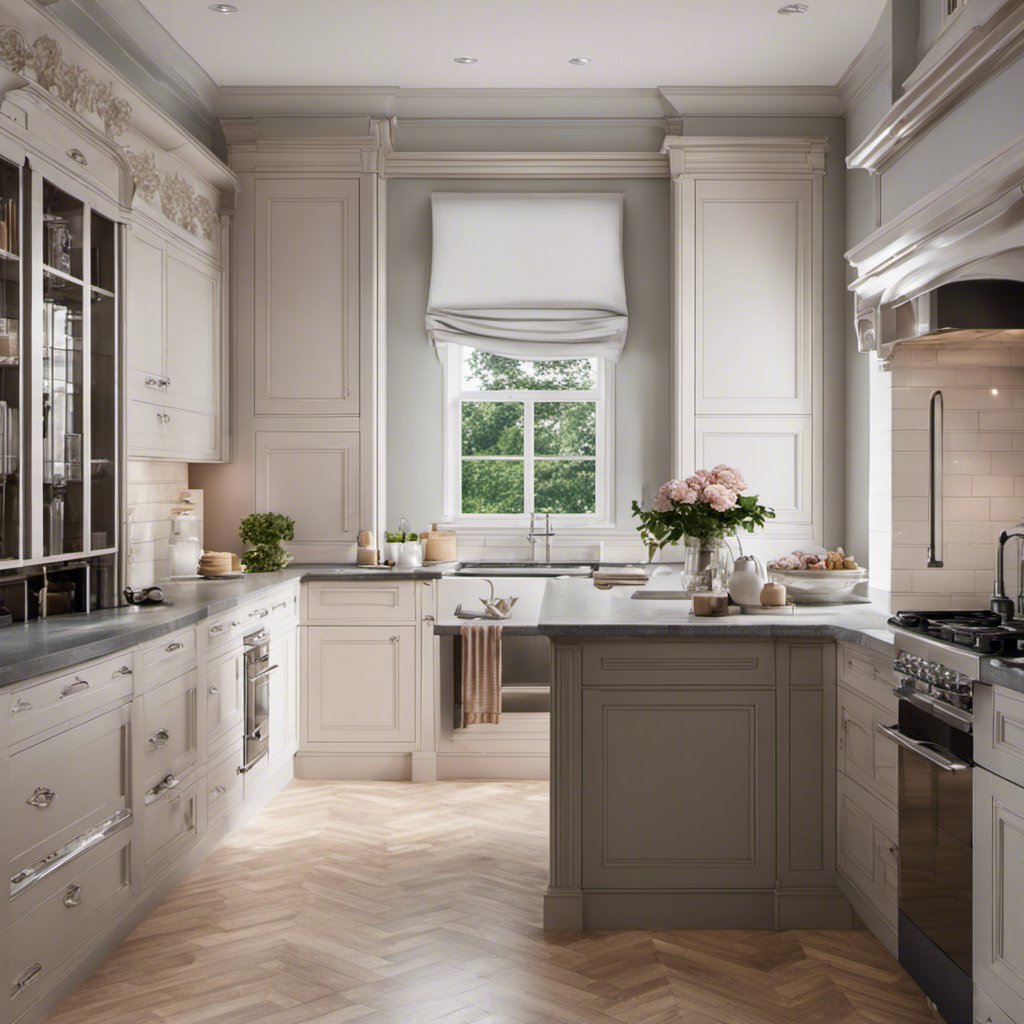
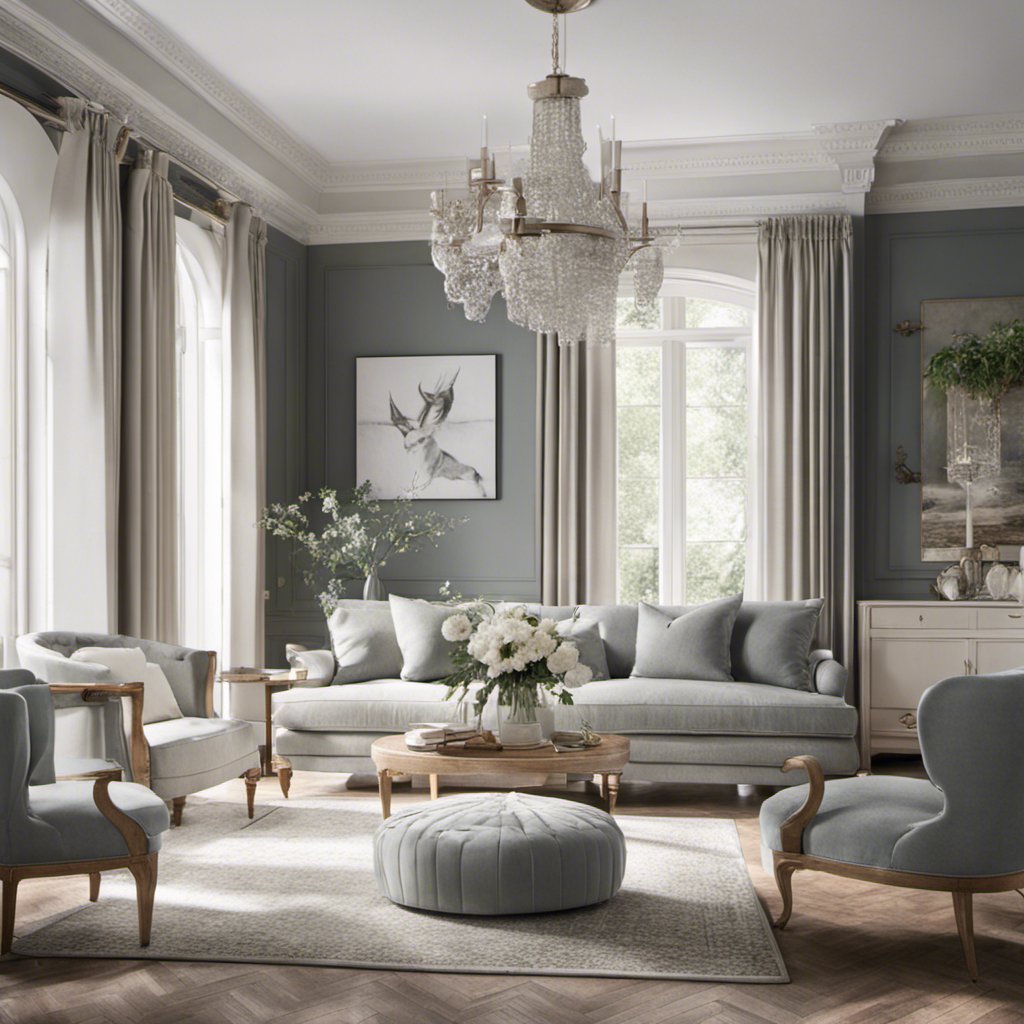
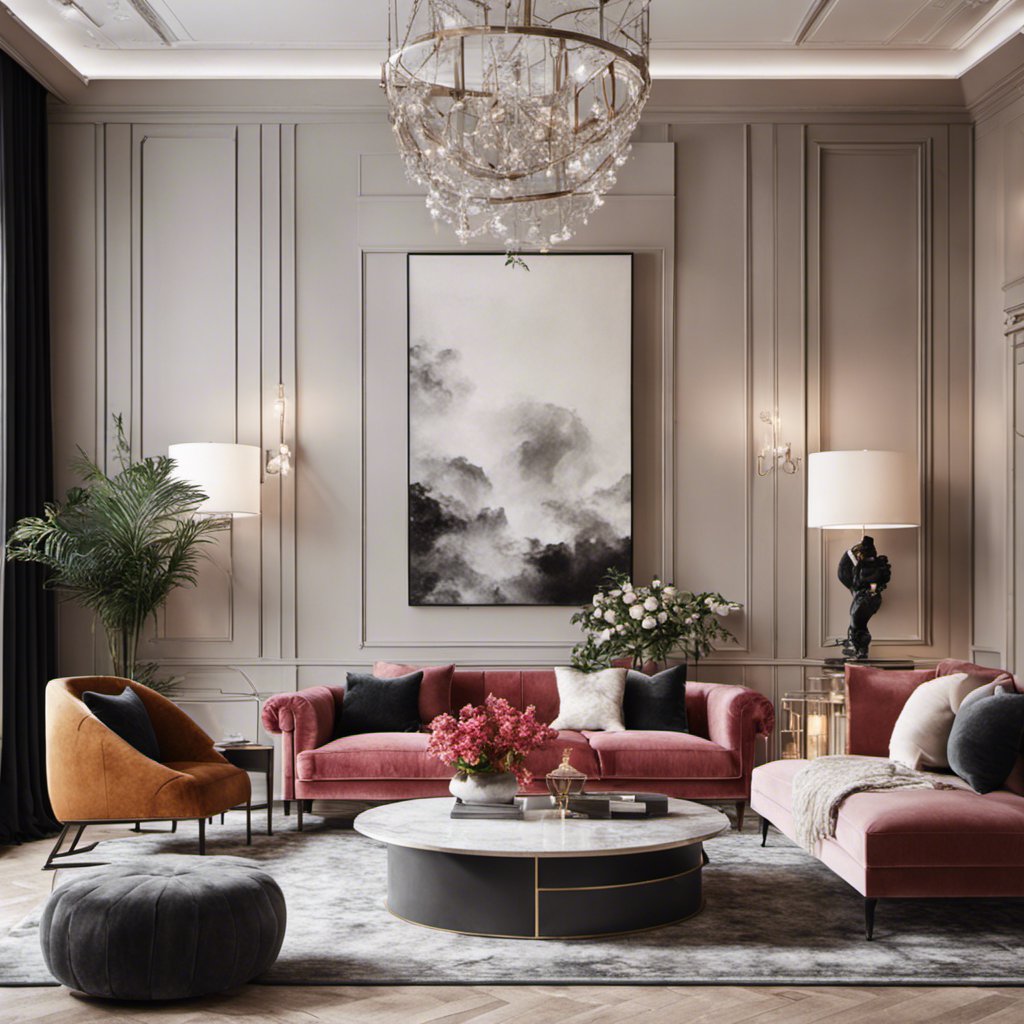
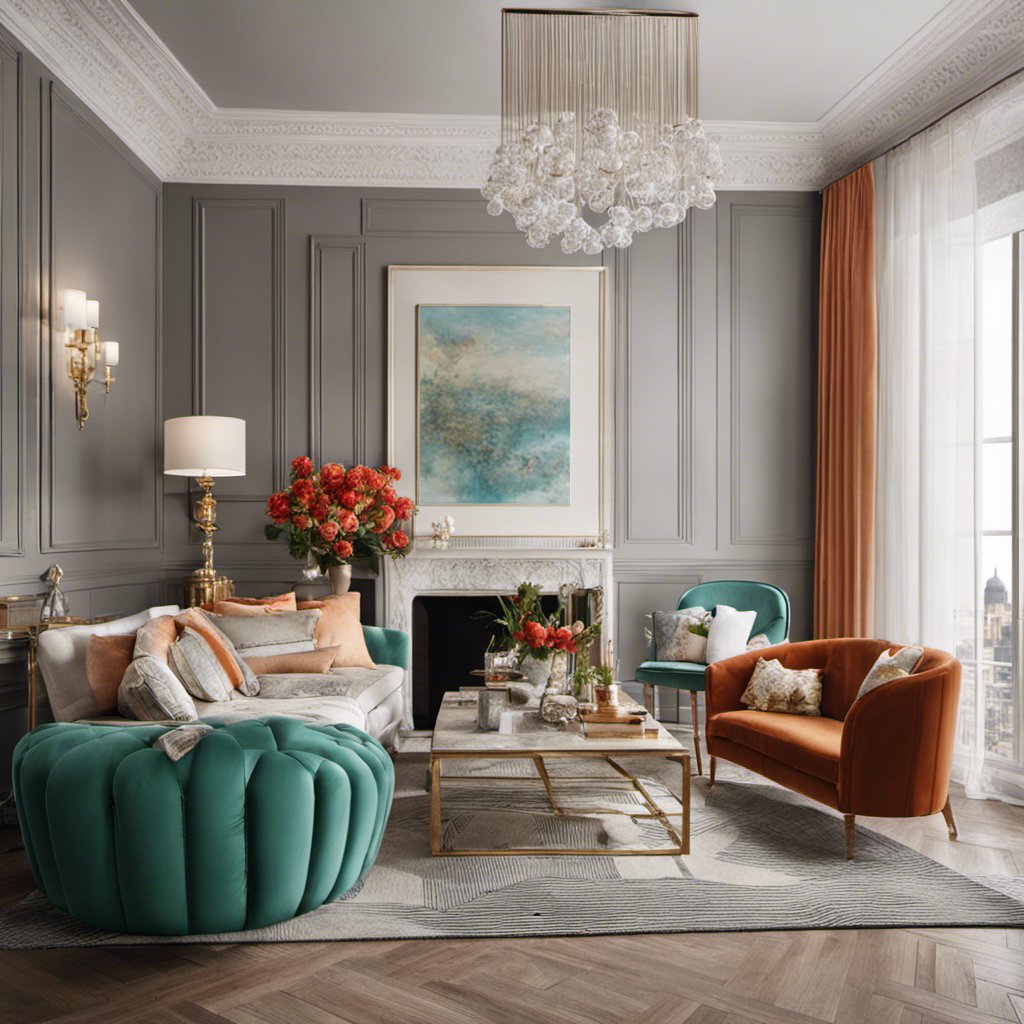
Make Room for Romance with Inspiring Interior Solutions
Romanticism in Interior Design: Creating a Cozy and Romantic Atmosphere
Romanticism is an art and literary style that emerged in the late 18th and early 19th centuries. Unlike classicism, it emphasizes creative freedom, strong emotions, and a pronounced sense of individuality. In interior design, Romanticism manifests in creating a cozy and romantic atmosphere, perfect for escaping the hustle and bustle of a big city.
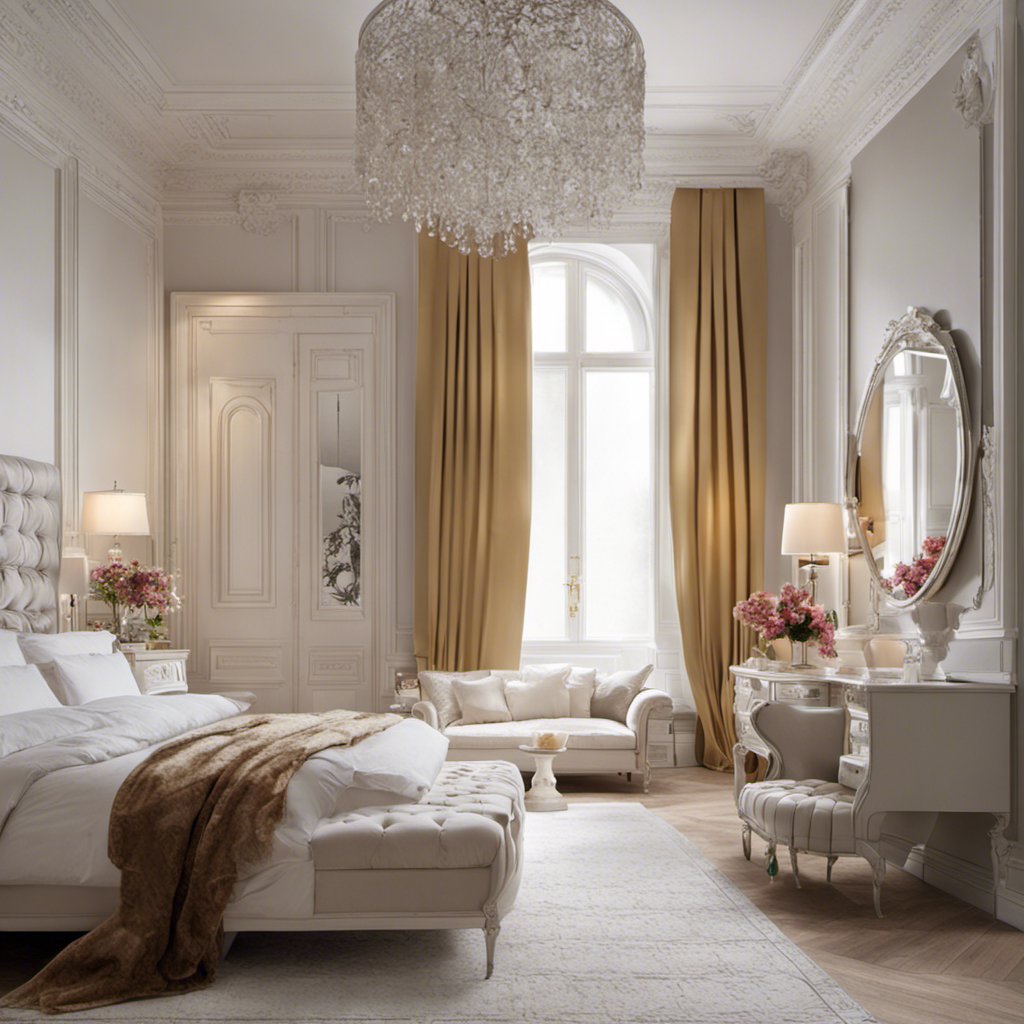
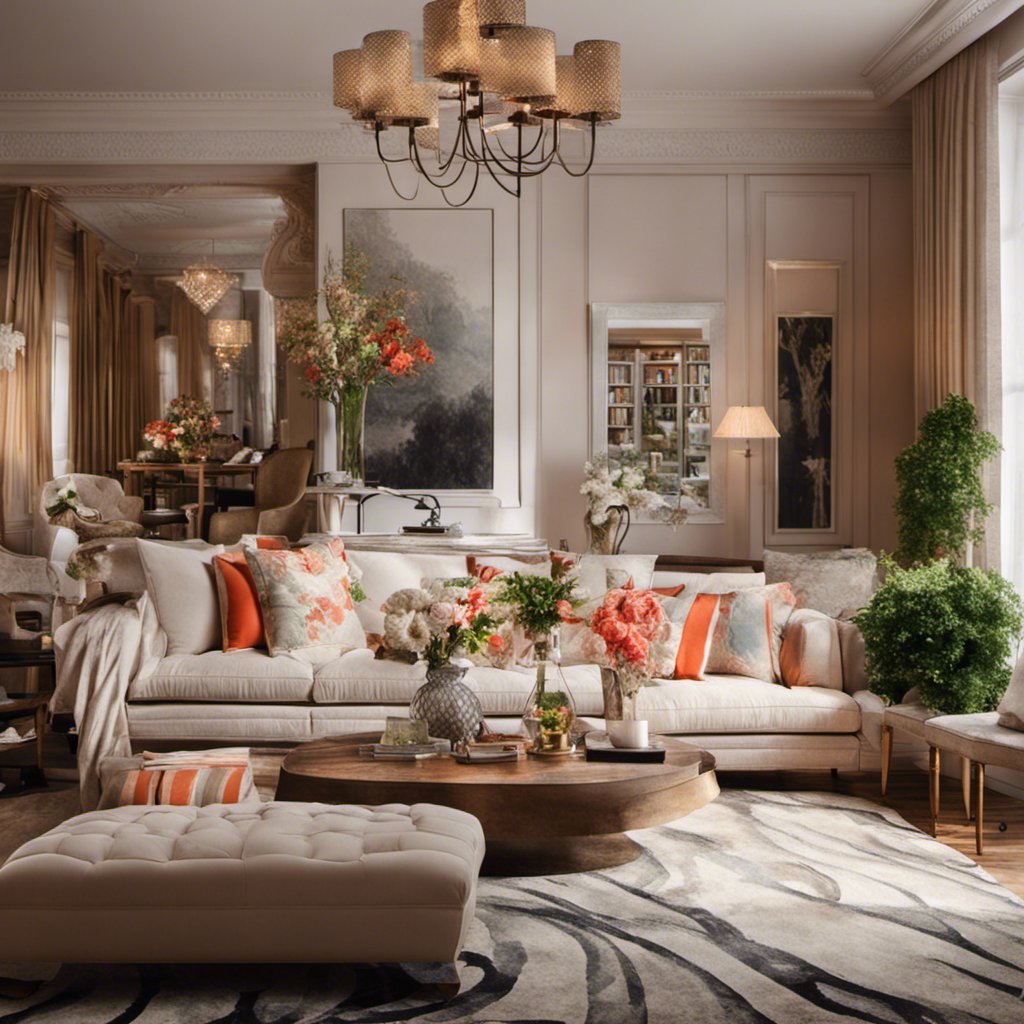
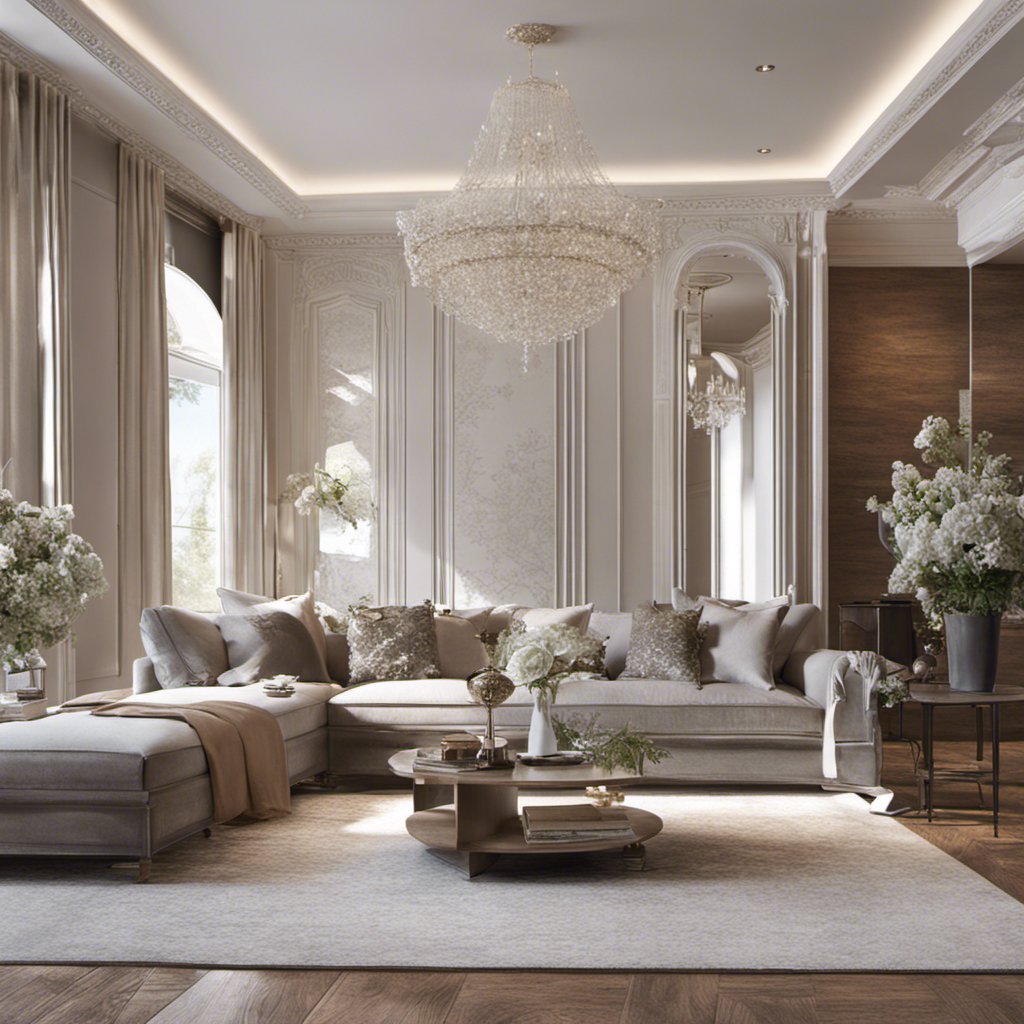
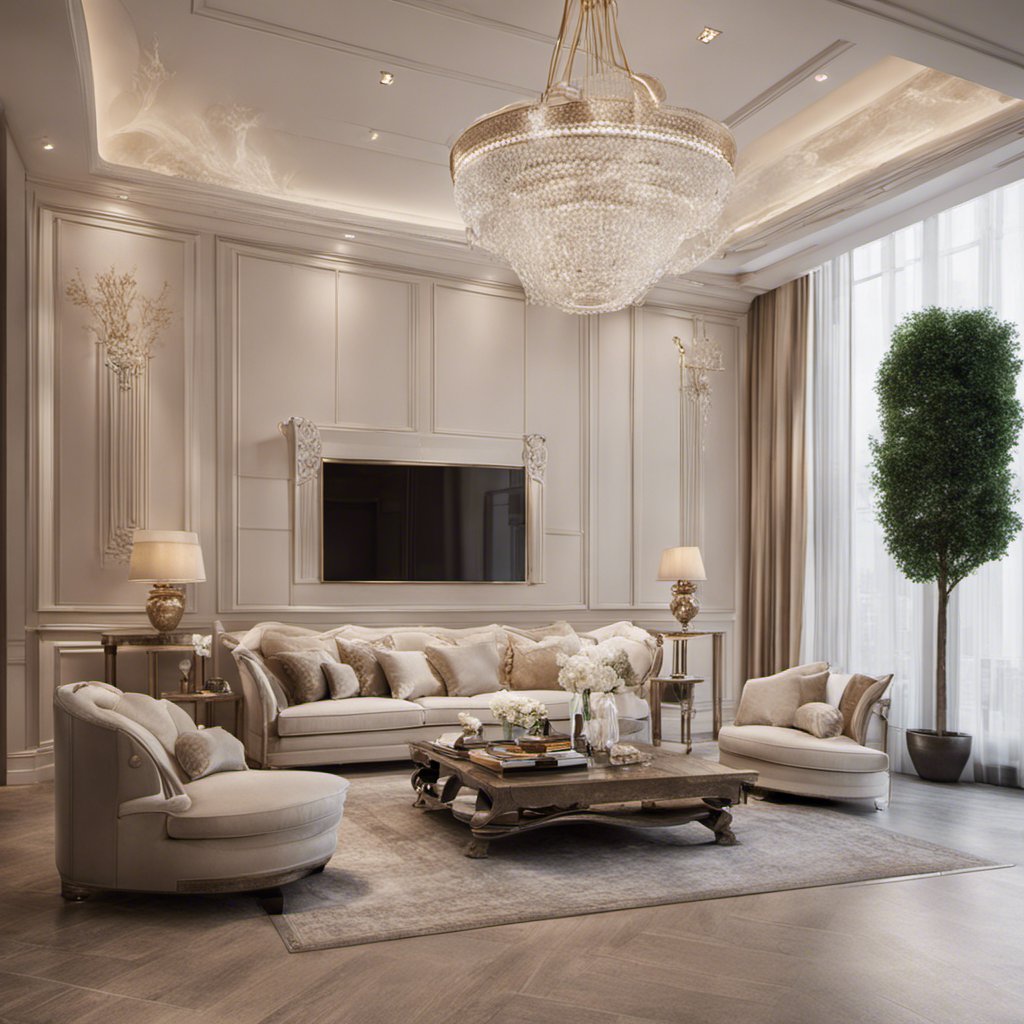
The key features are space and light. Interiors designed in this style focus on lighting and airiness, with light and soft color palettes that add a sense of lightness and openness. Furniture in the Romanticism style should be both functional and comfortable, promoting a serene and welcoming environment.


Textiles play an important role: curtains, blankets, and pillows should be made from natural materials and have a luxurious appearance. Decorative items such as lampshades, candles, statues, and other elements contribute to the cozy feel of the space.
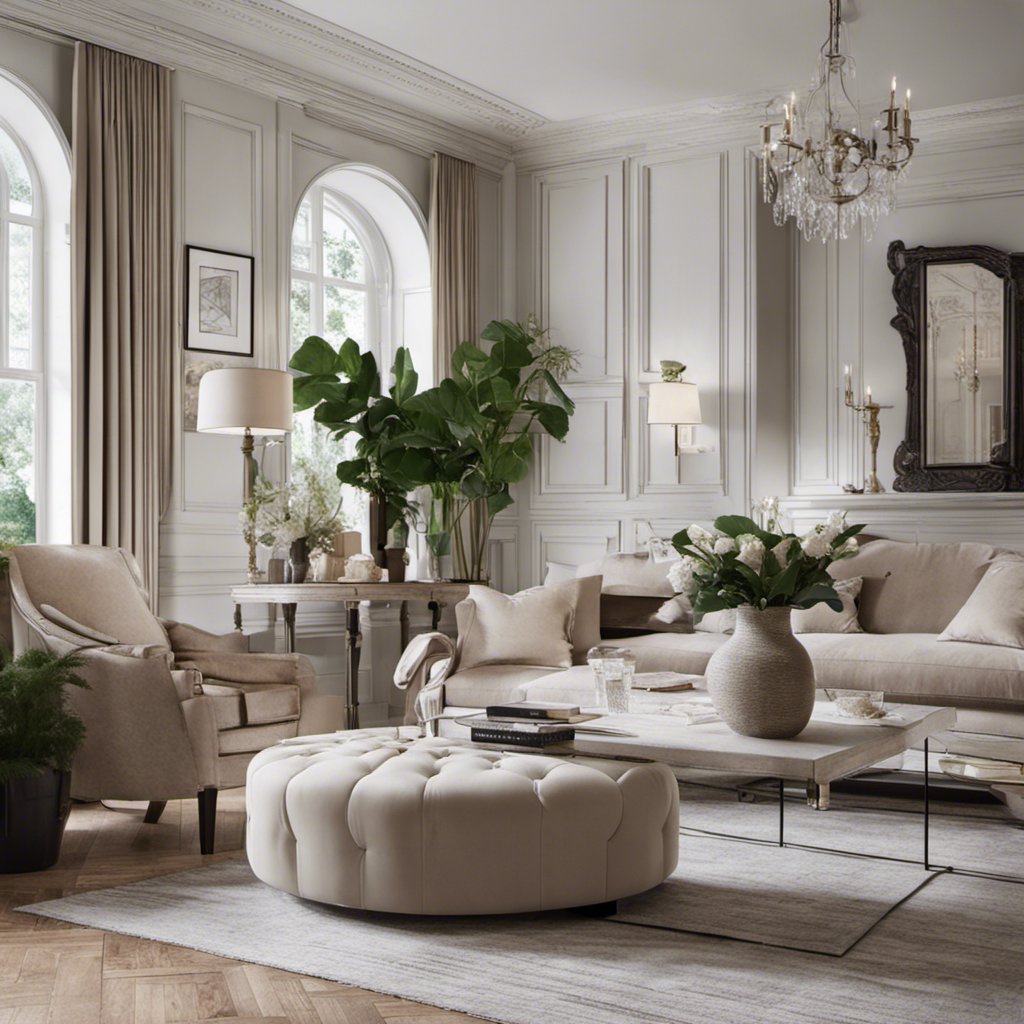
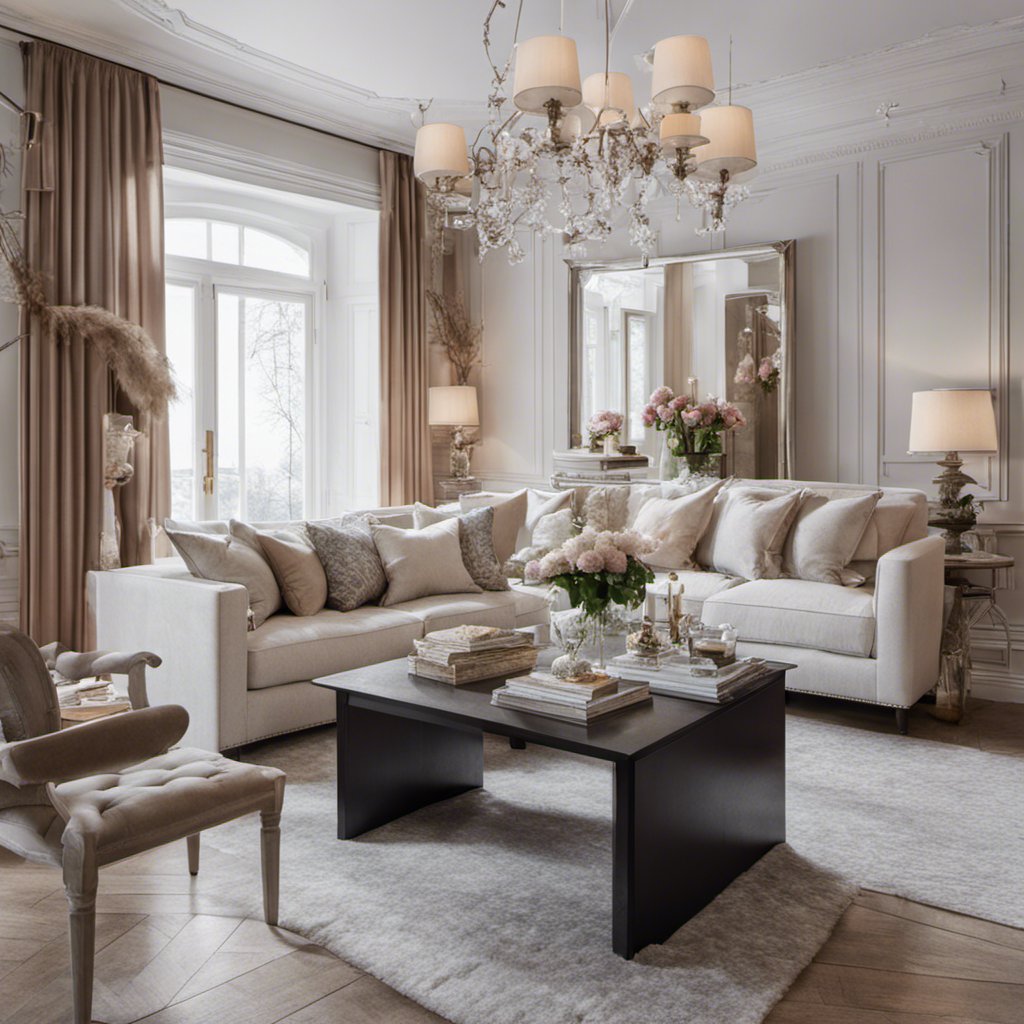
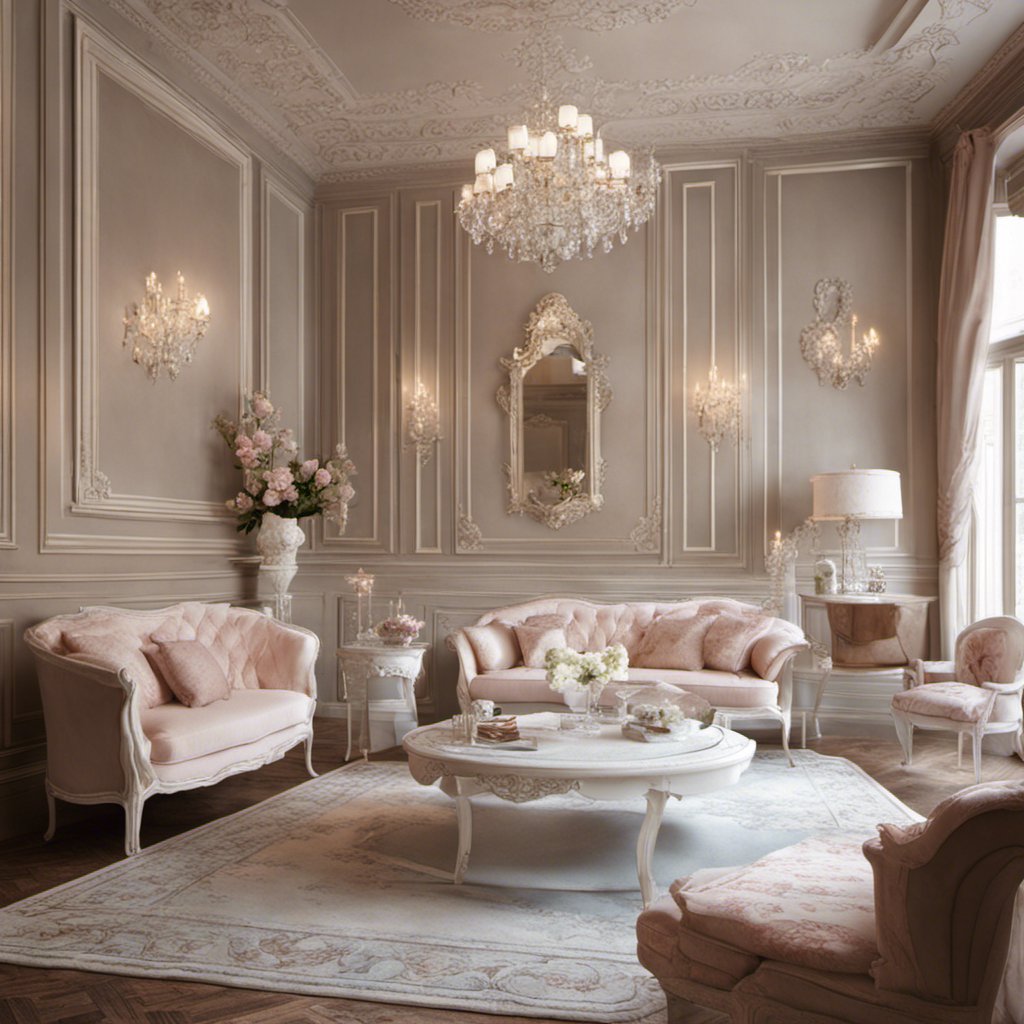
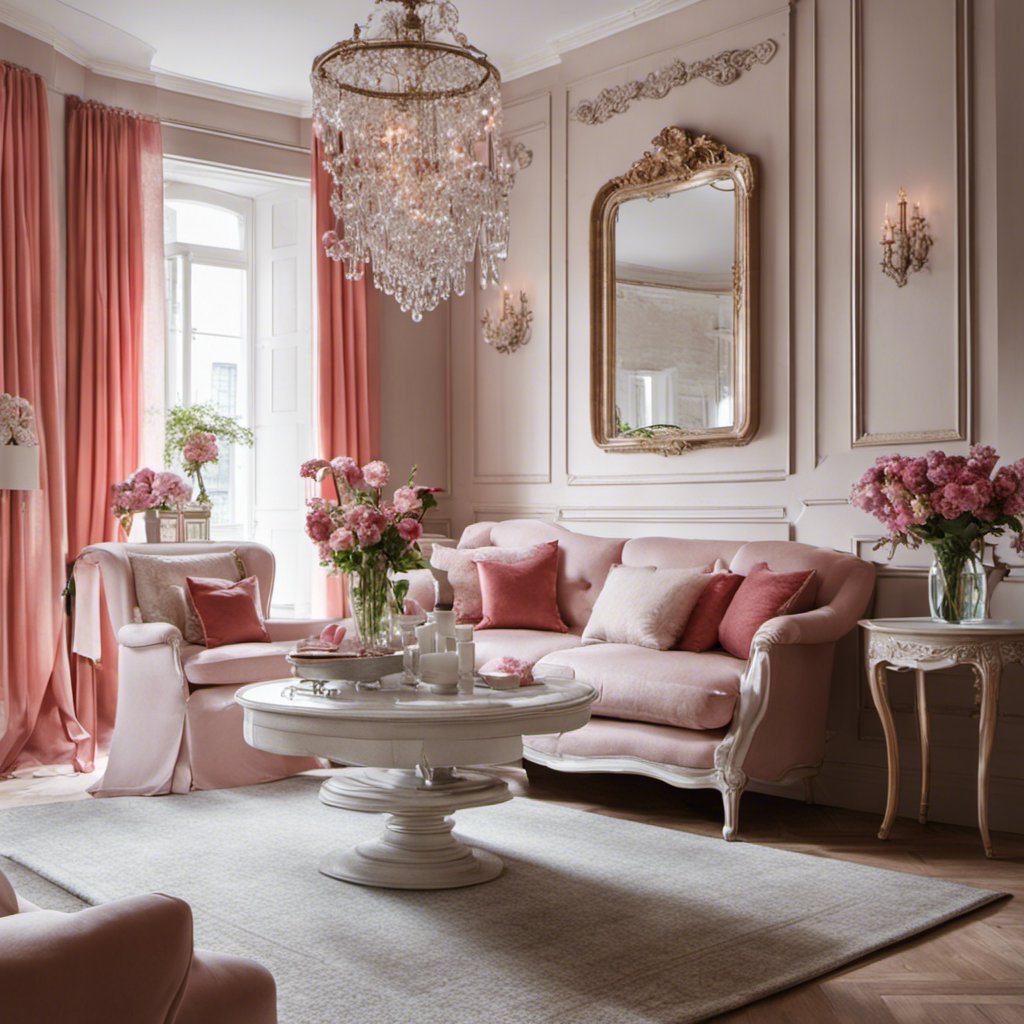
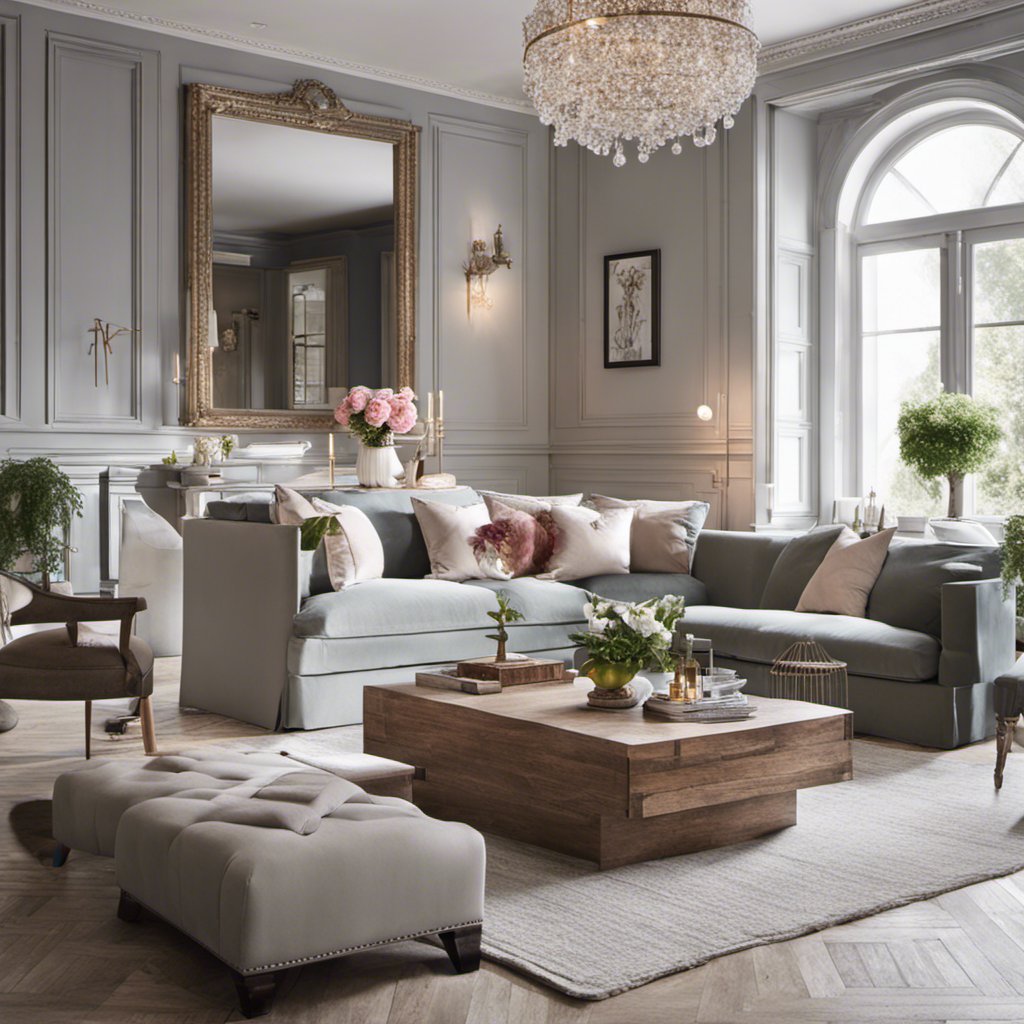
The style also incorporates certain decorative elements that create an atmosphere of romance. This can include mirrors with wooden frames adorned with delicate mouldings or paintings inspired by the spirit of romanticism. Additionally, the interior can feature textiles decorated with exquisite embroidery or lace.
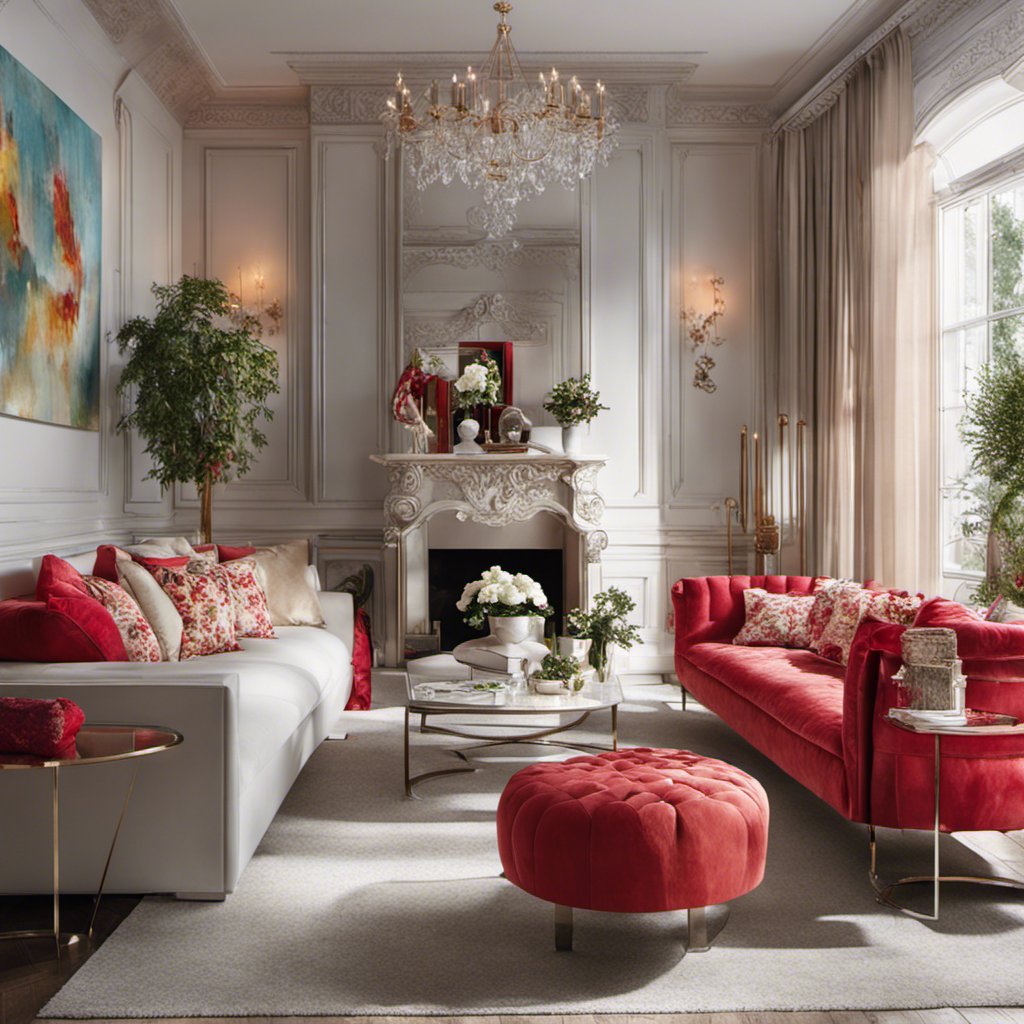
One of the key elements of a romantic interior is greenery. Flowers and decorative plants help to create a fresh and lively atmosphere in the space and can serve as beautiful decorations for shelves and countertops.
To create a unique romantic-style interior, you can consult with professional interior designers. They can assist you in selecting the appropriate decorative elements and color schemes that fully match your tastes and preferences. Crafting an interior in the romantic style is about creating a cozy and romantic atmosphere, allowing you and your loved ones to completely relax and forget all worries.
Key Characteristics and Features of Romantic Style in Interior Design
Romantic style in interior design is one of the most emotional and expressive styles, transporting us to a world of dreams, fantasies, and aesthetic appreciation. It celebrates beauty, tenderness, and romance, creating a space that brings emotional satisfaction and admiration.


Romantic interior style isn't just about unique aesthetics; it's about creating a cozy sanctuary for relaxation, dreams, and emotional rejuvenation. It invites us into a world of tenderness and romance, letting us feel the touch of nature and delight in beauty and magic. In this style, every element holds its own significance, contributing to a harmonious space that embodies emotion and a love for beauty.
Color Palette of the Romantic Interior Style
The color palette captures the essence of softness, luxury, and elegance. It creates an atmosphere of romance, where every decor piece feels like it's straight out of a fairy tale.
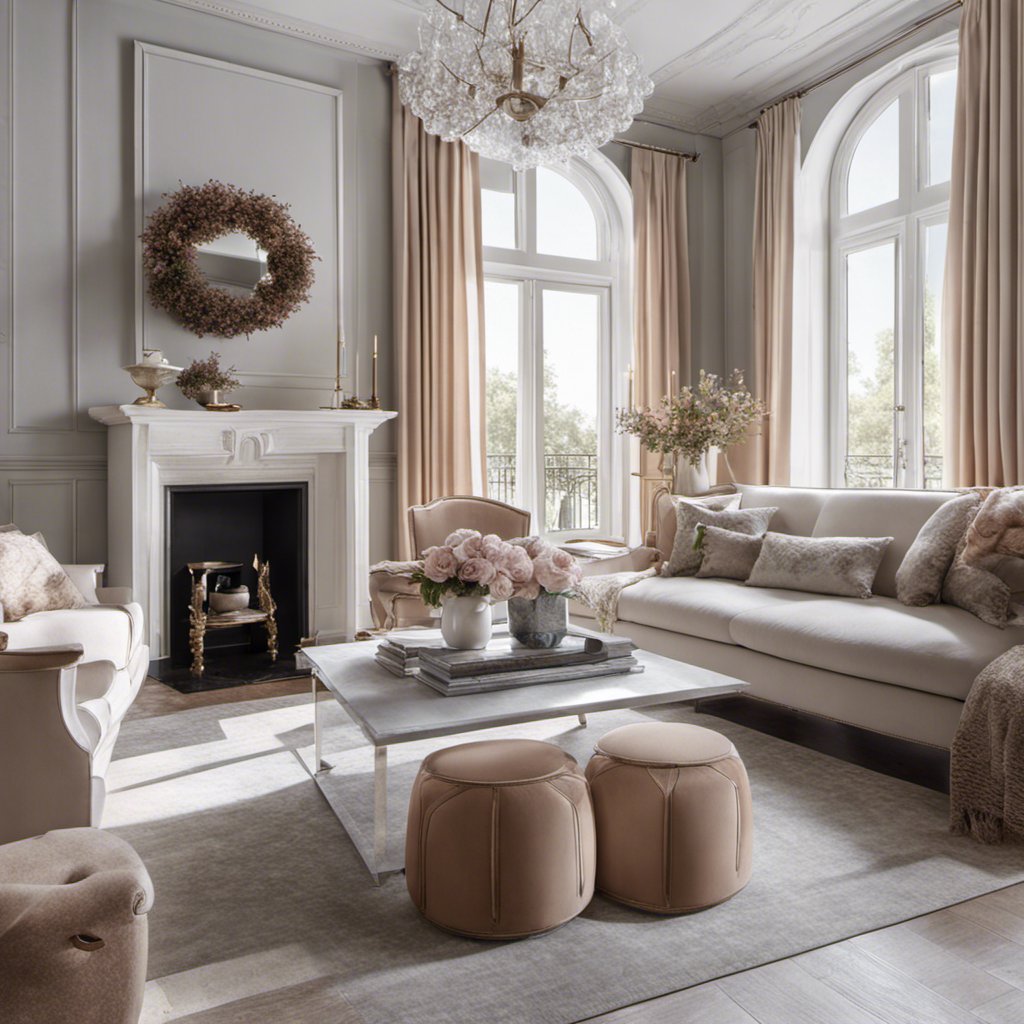
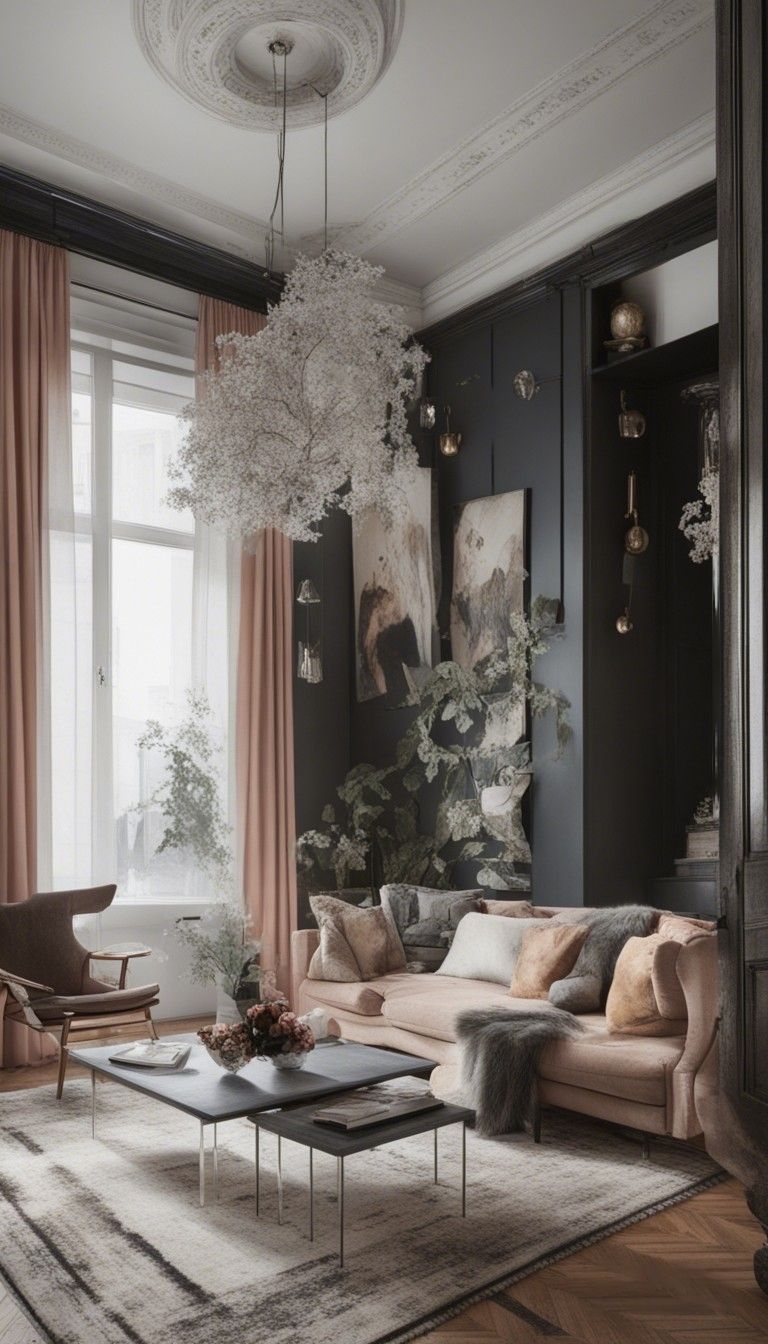
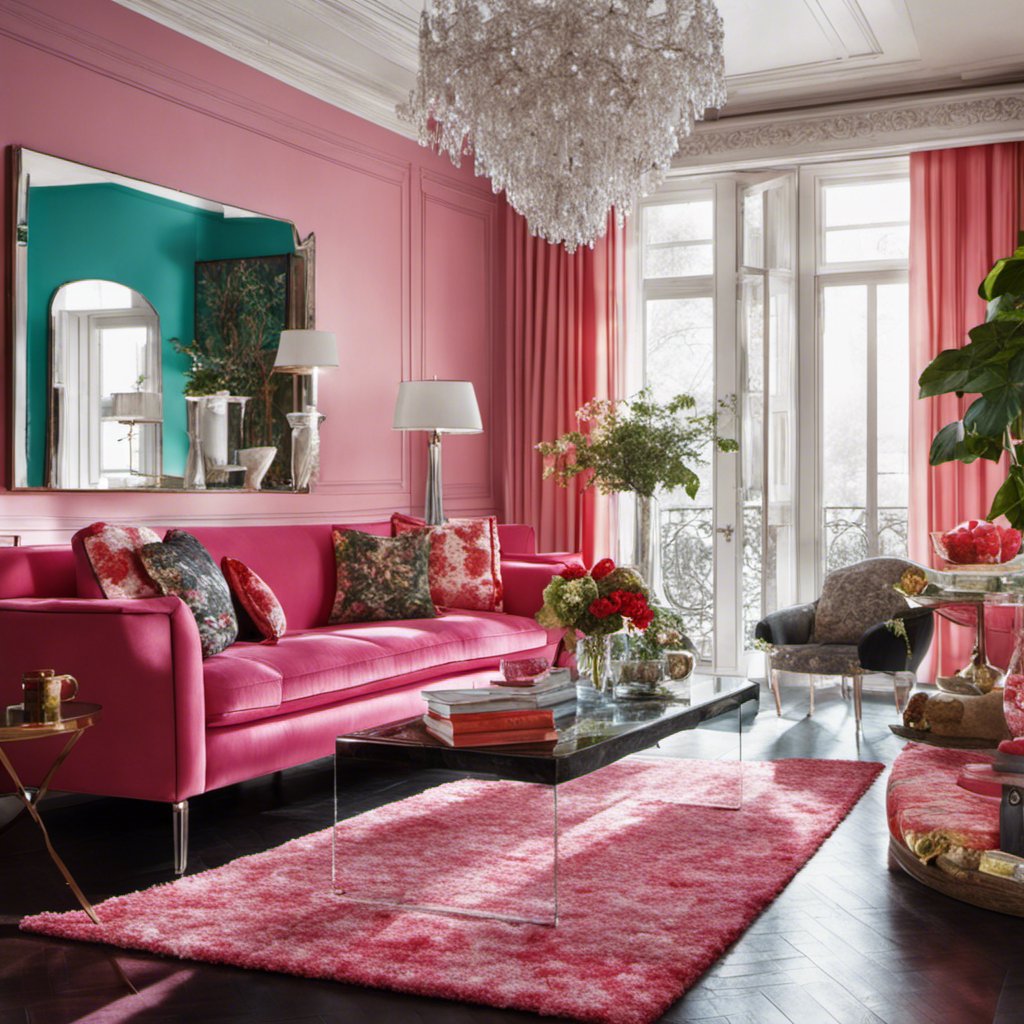
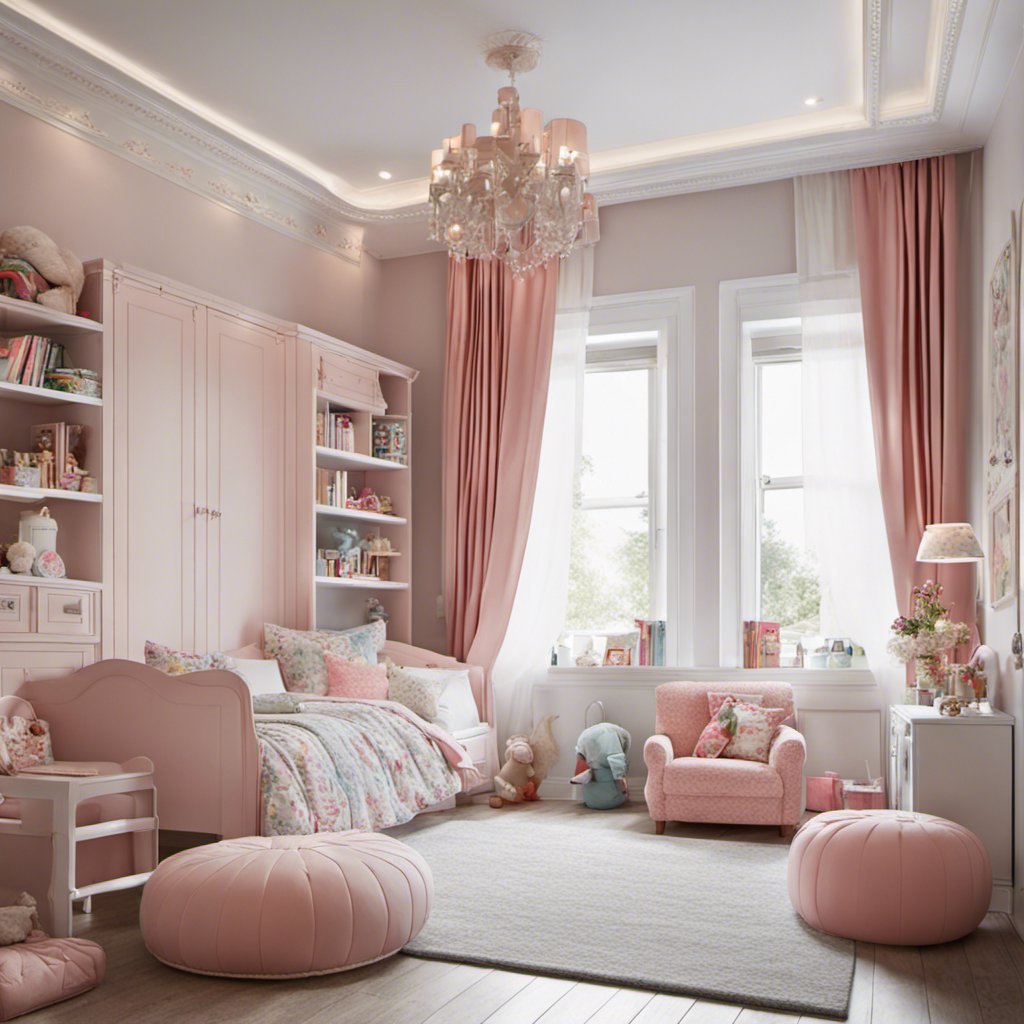
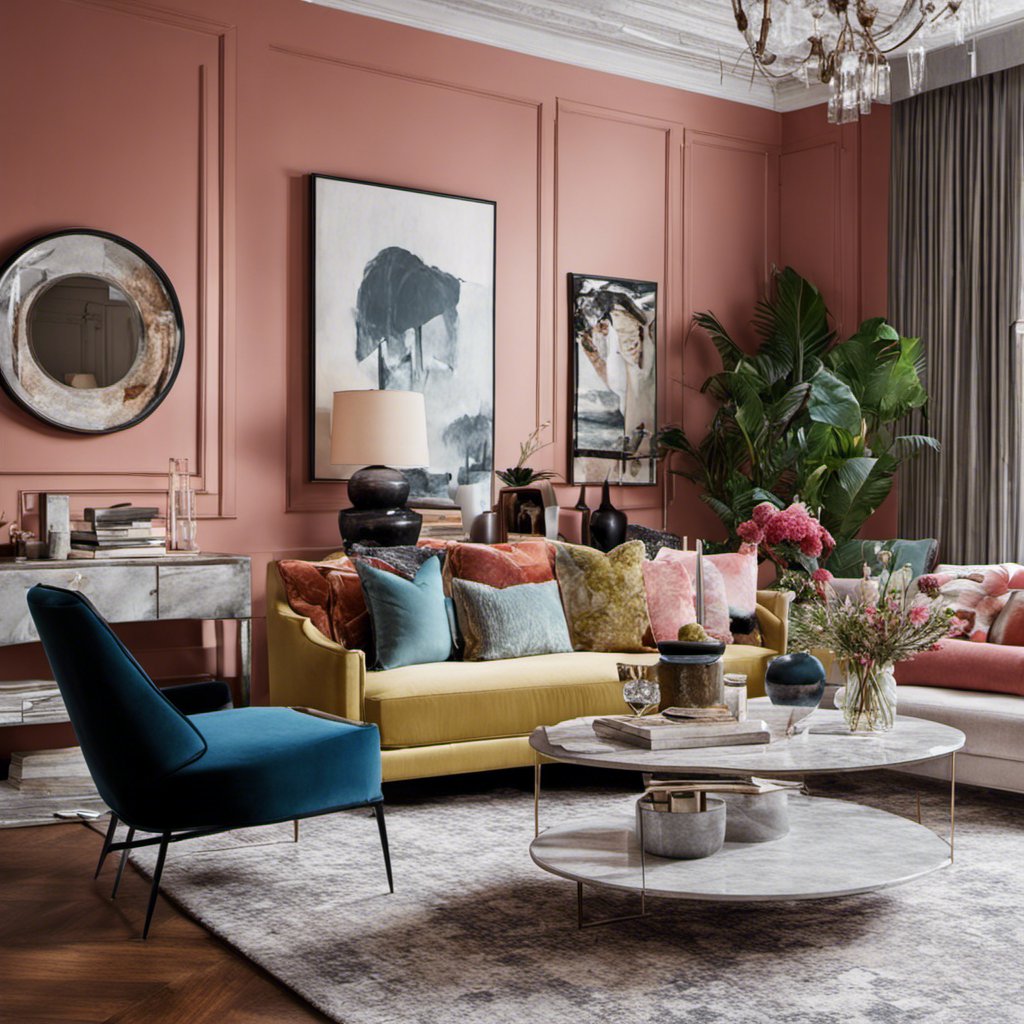
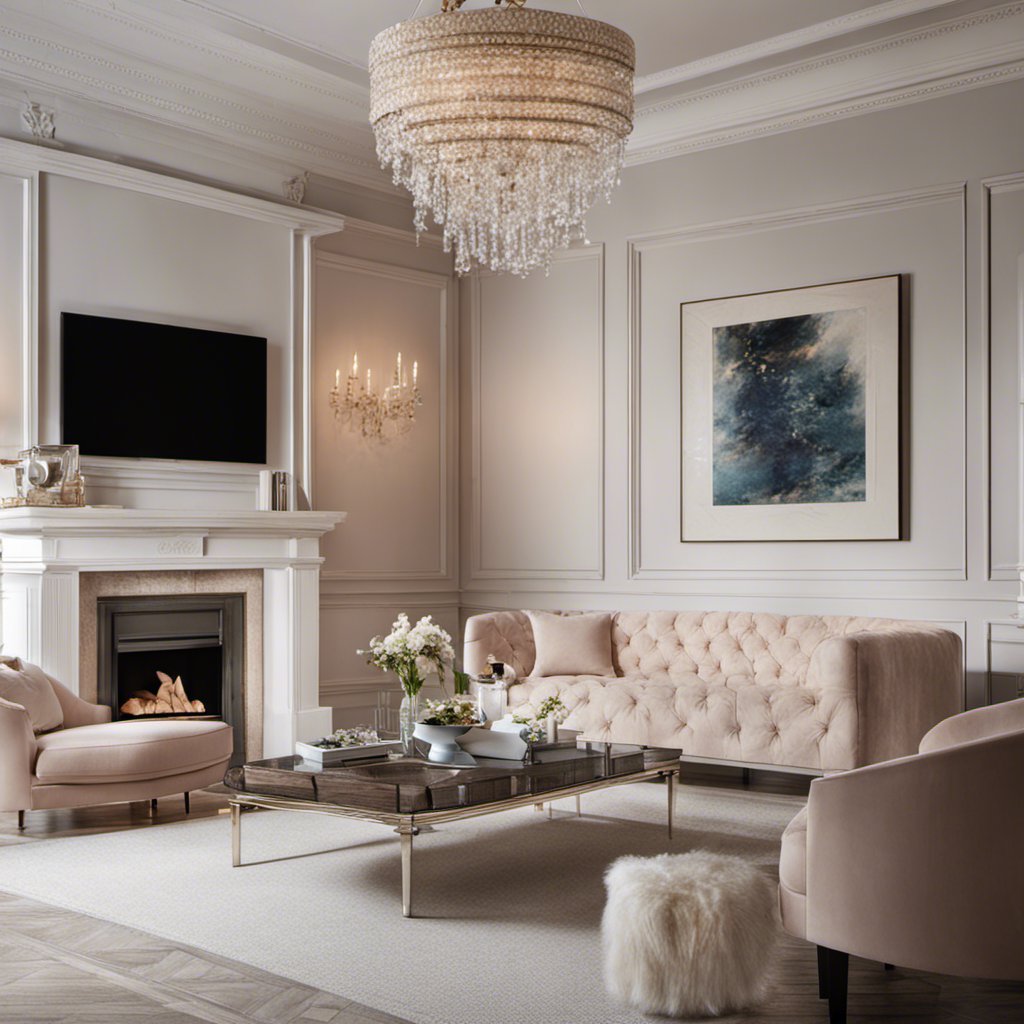
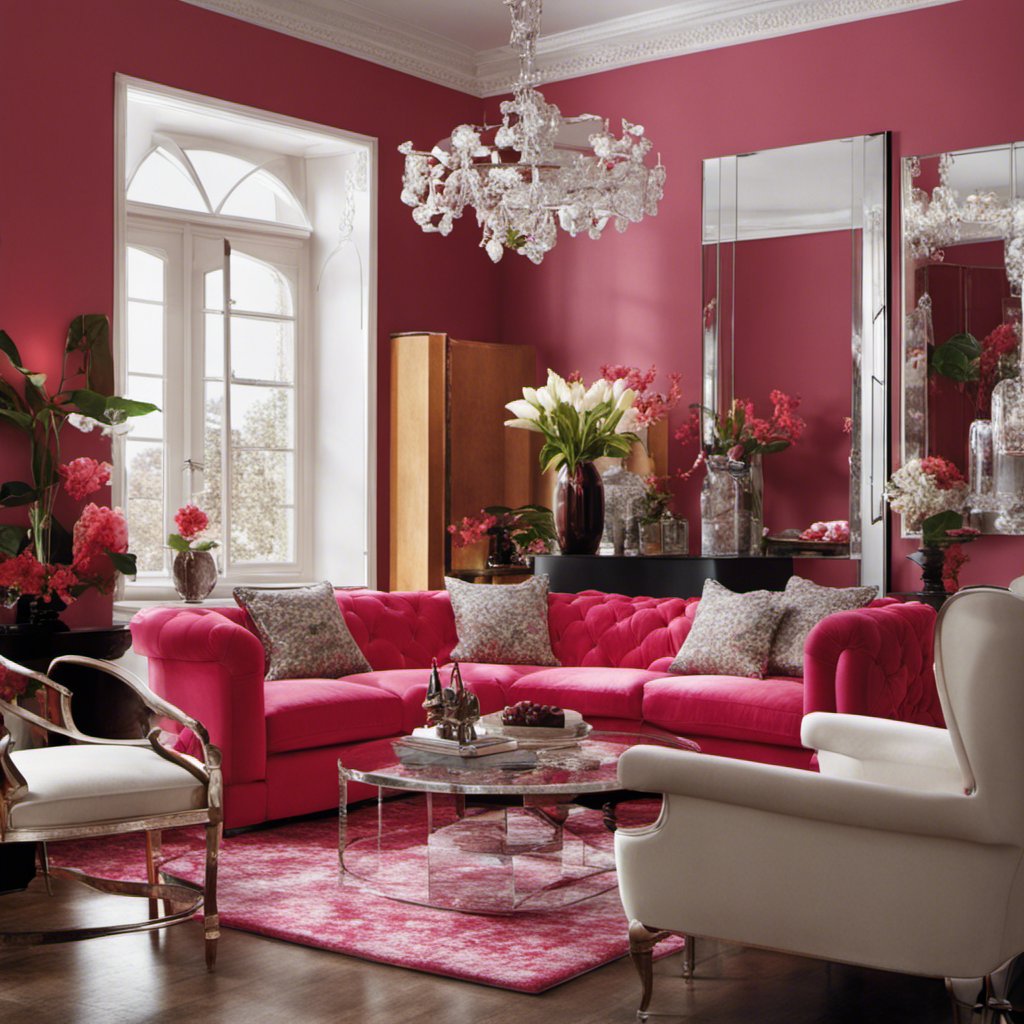
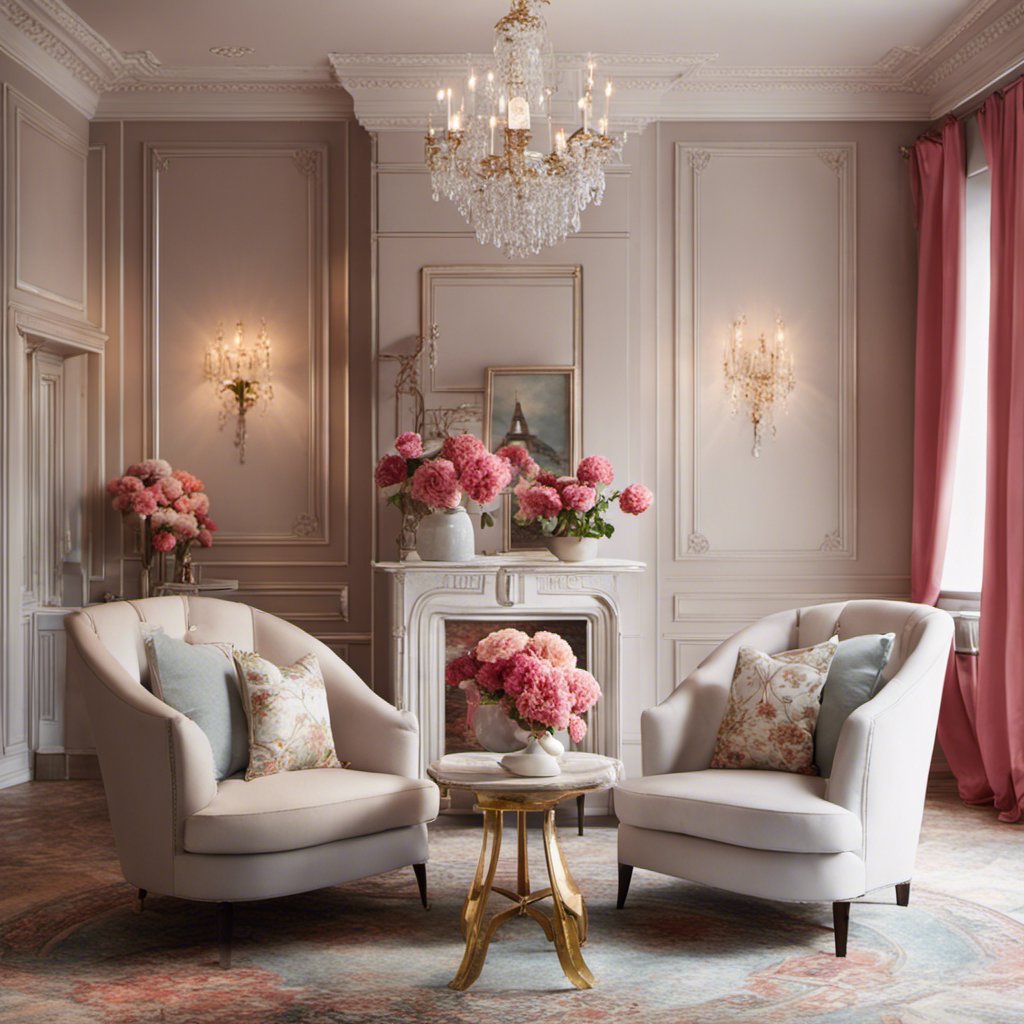
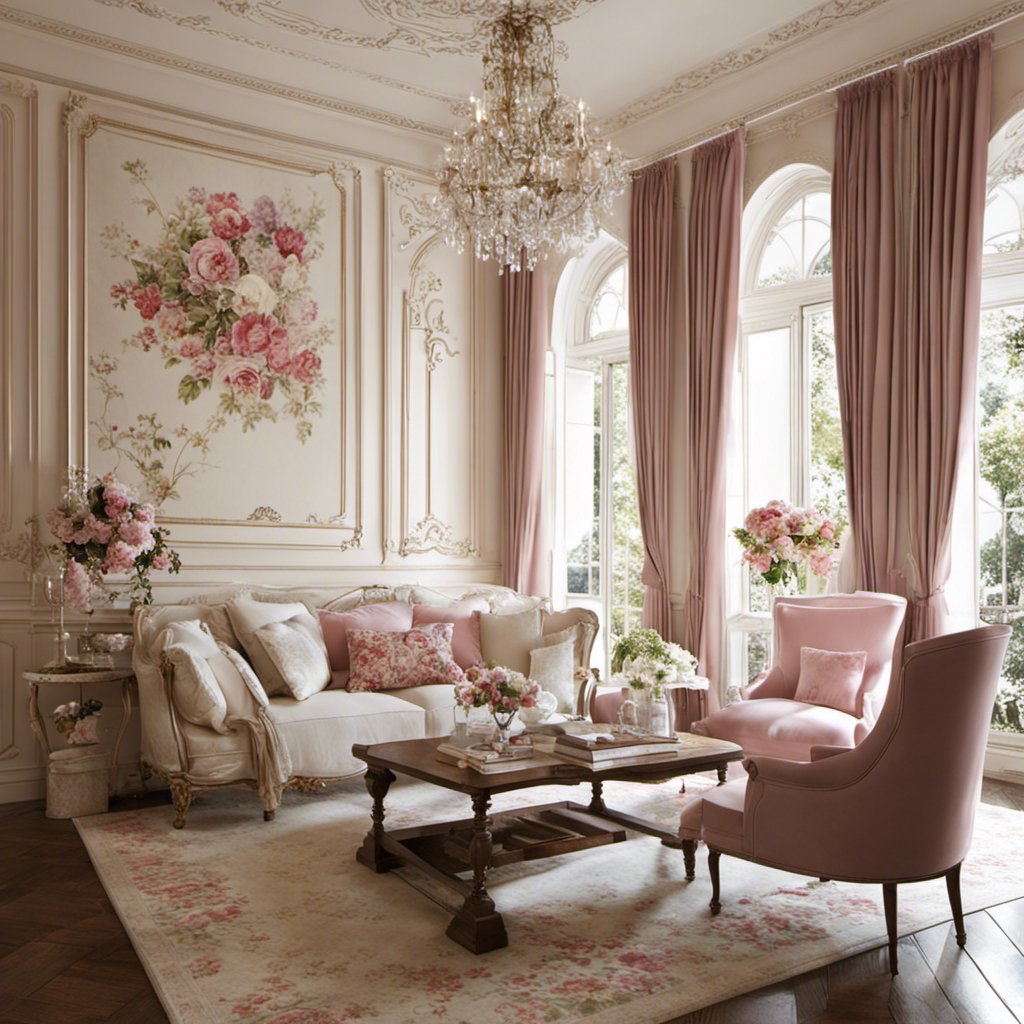
The primary color in this style is pastel pink. It lends the space an air of innocence and delicacy. This shade can be used on walls, furniture, textiles, and accessories, making the room feel alive and filled with emotion.
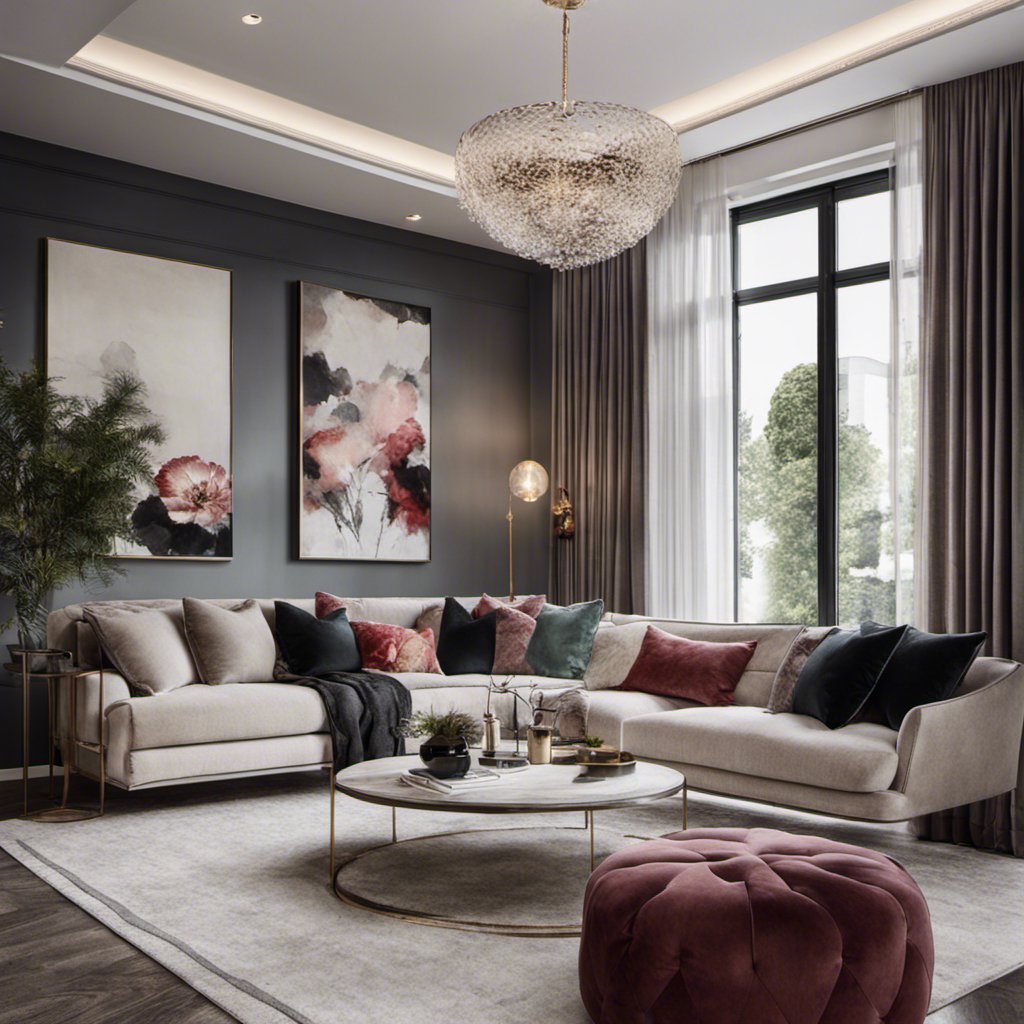
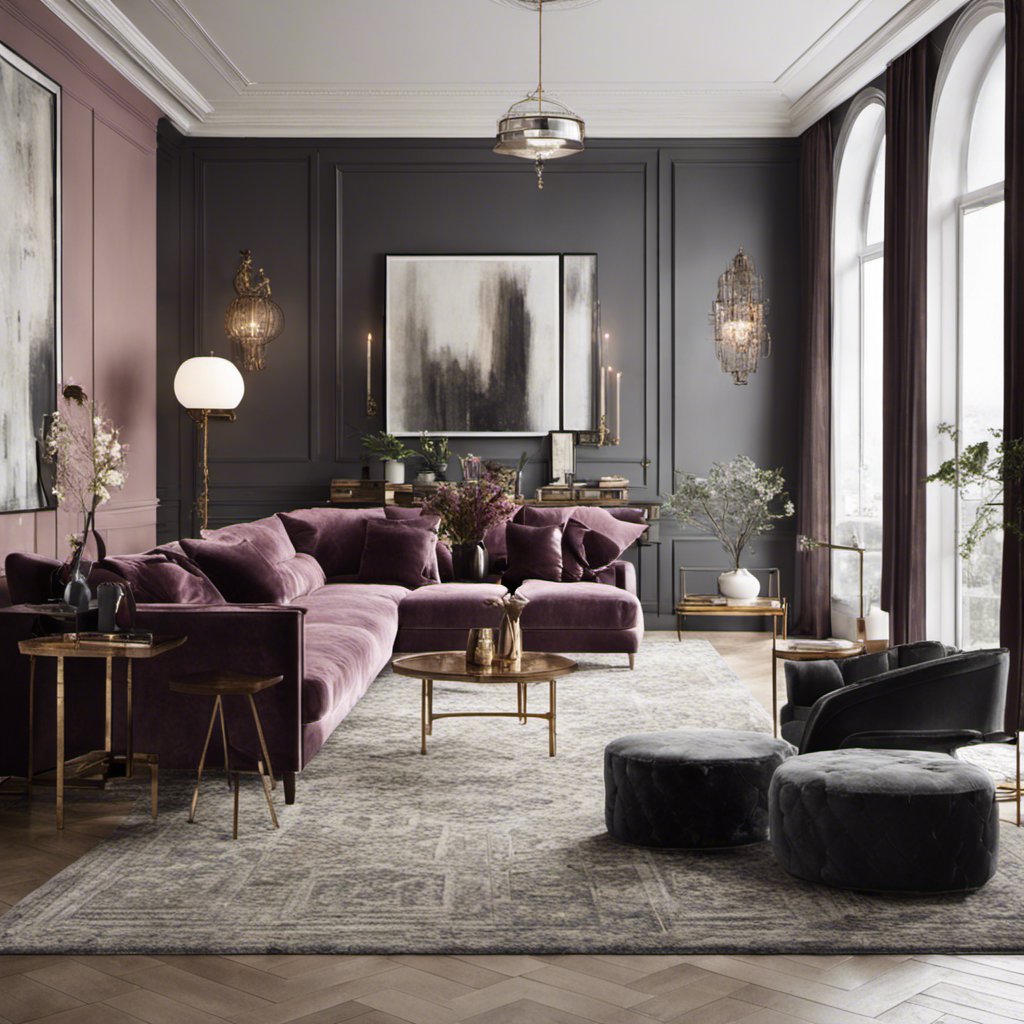
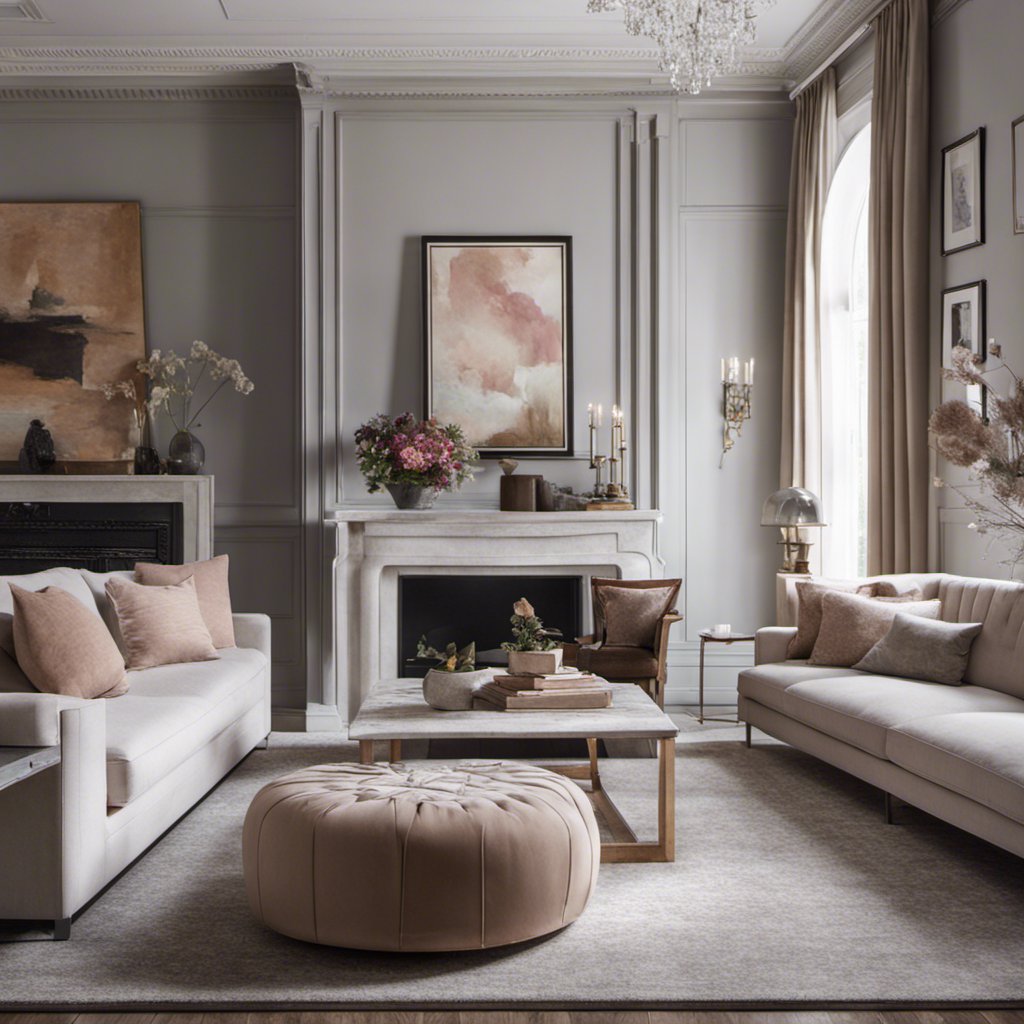
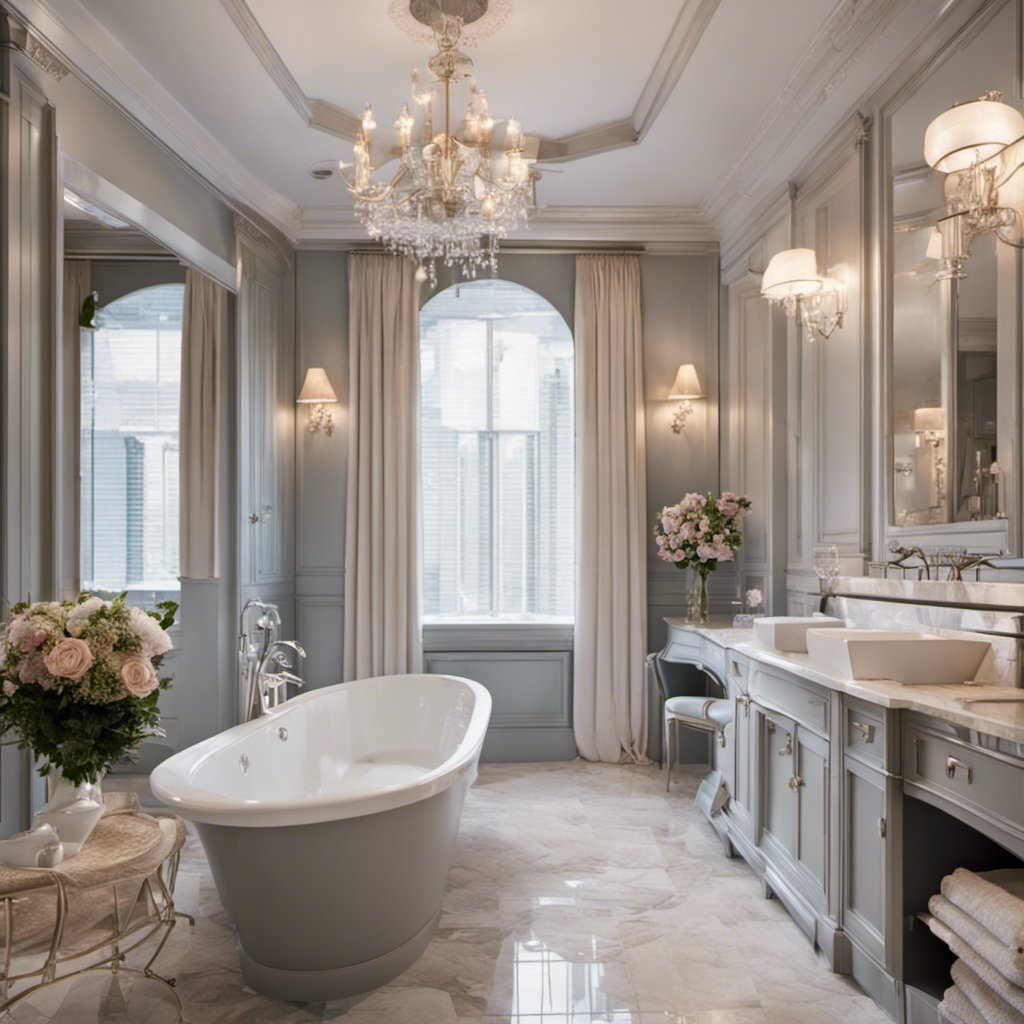
In addition to pink, the romantic interior style's palette includes lavender, mint green, light blue, and beige. These colors bring tranquility and relaxation to the space. You can incorporate these hues through blankets, pillows, curtains, or rugs to add accents to the room.

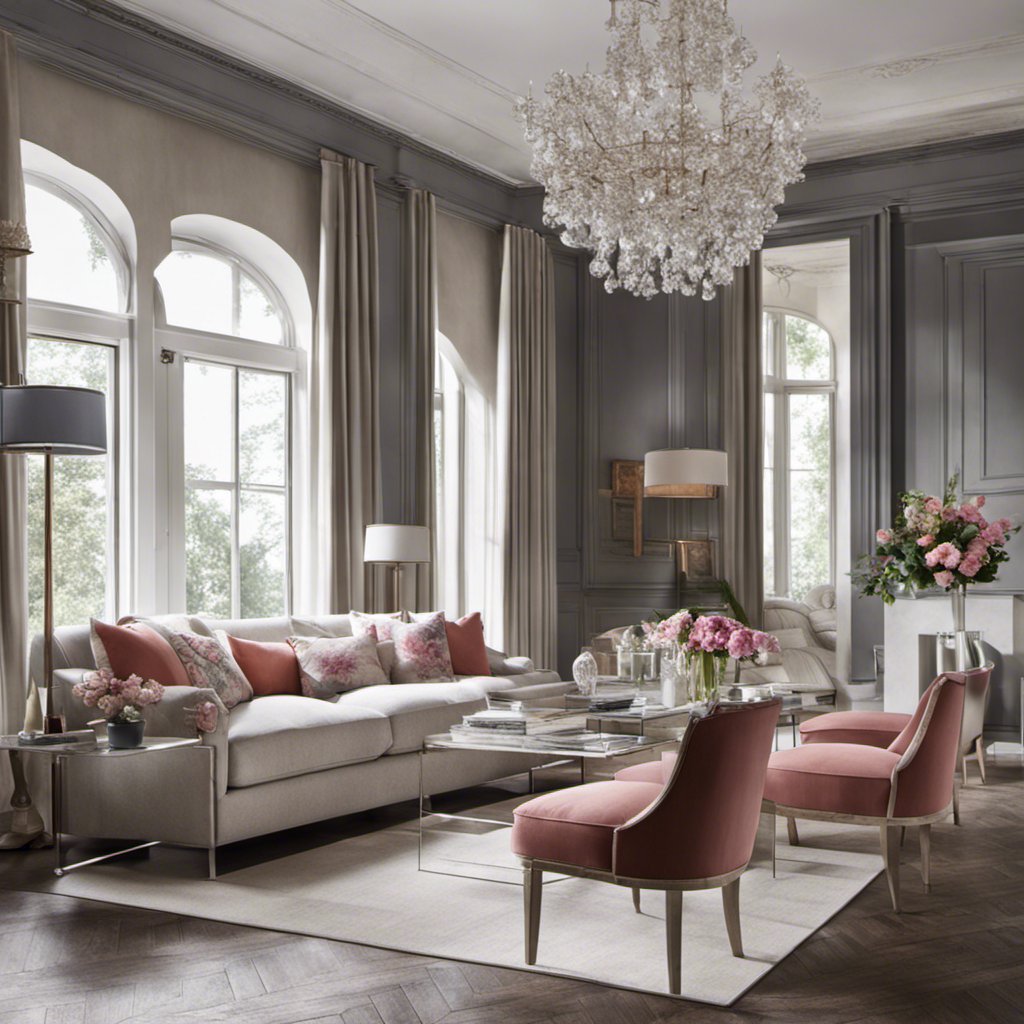
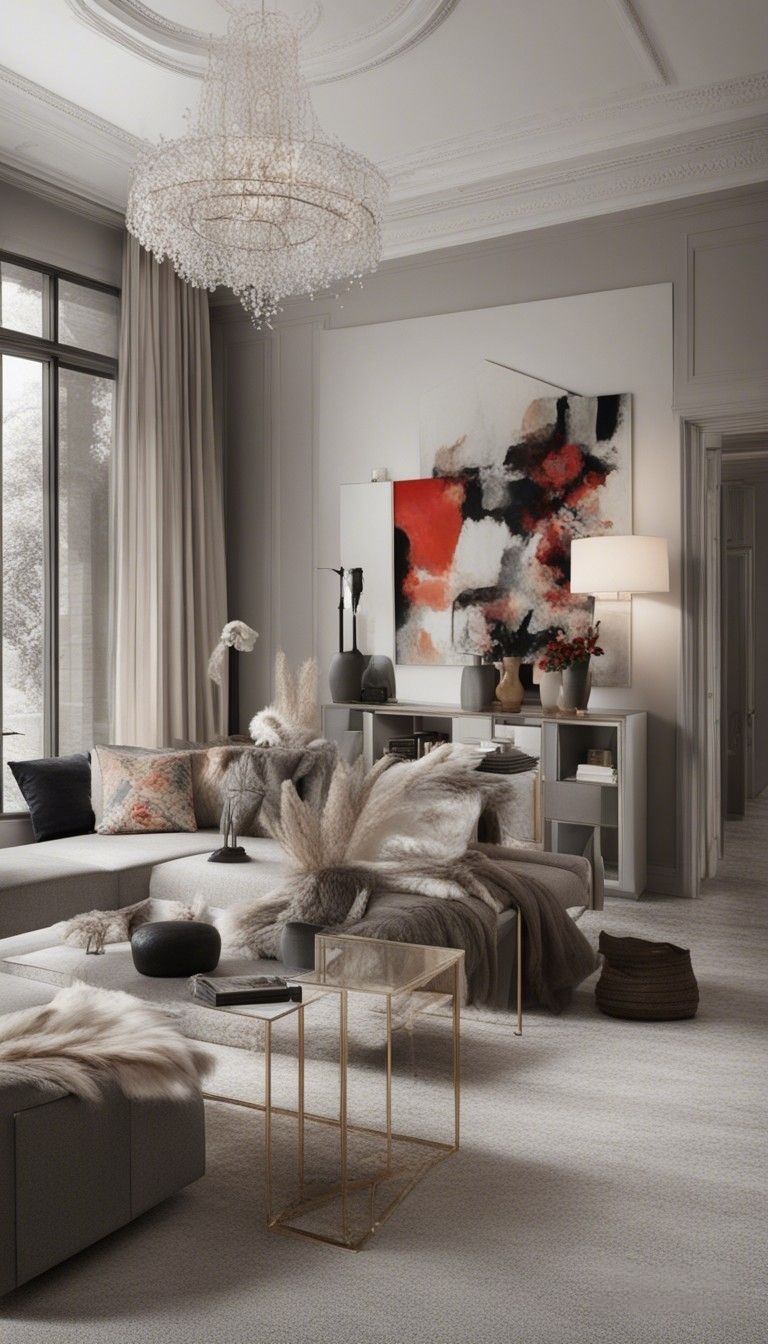
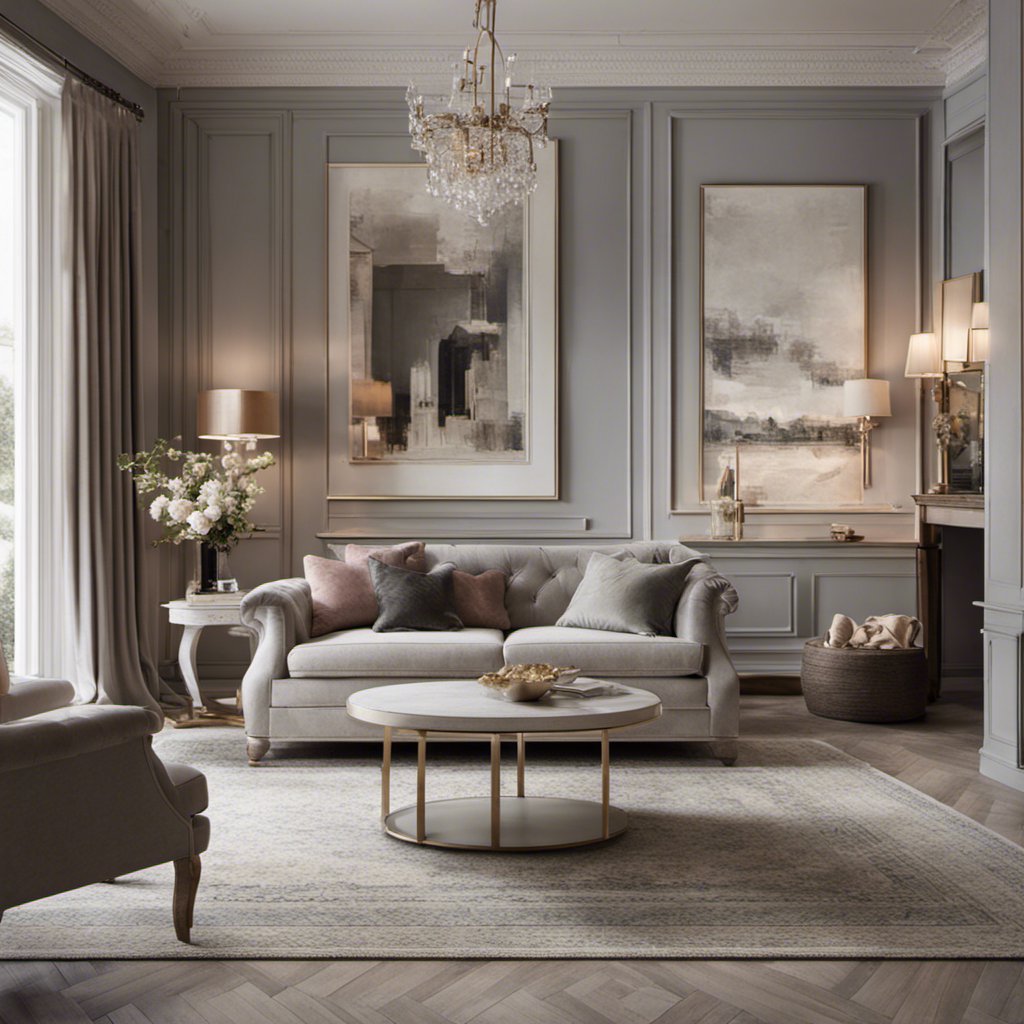
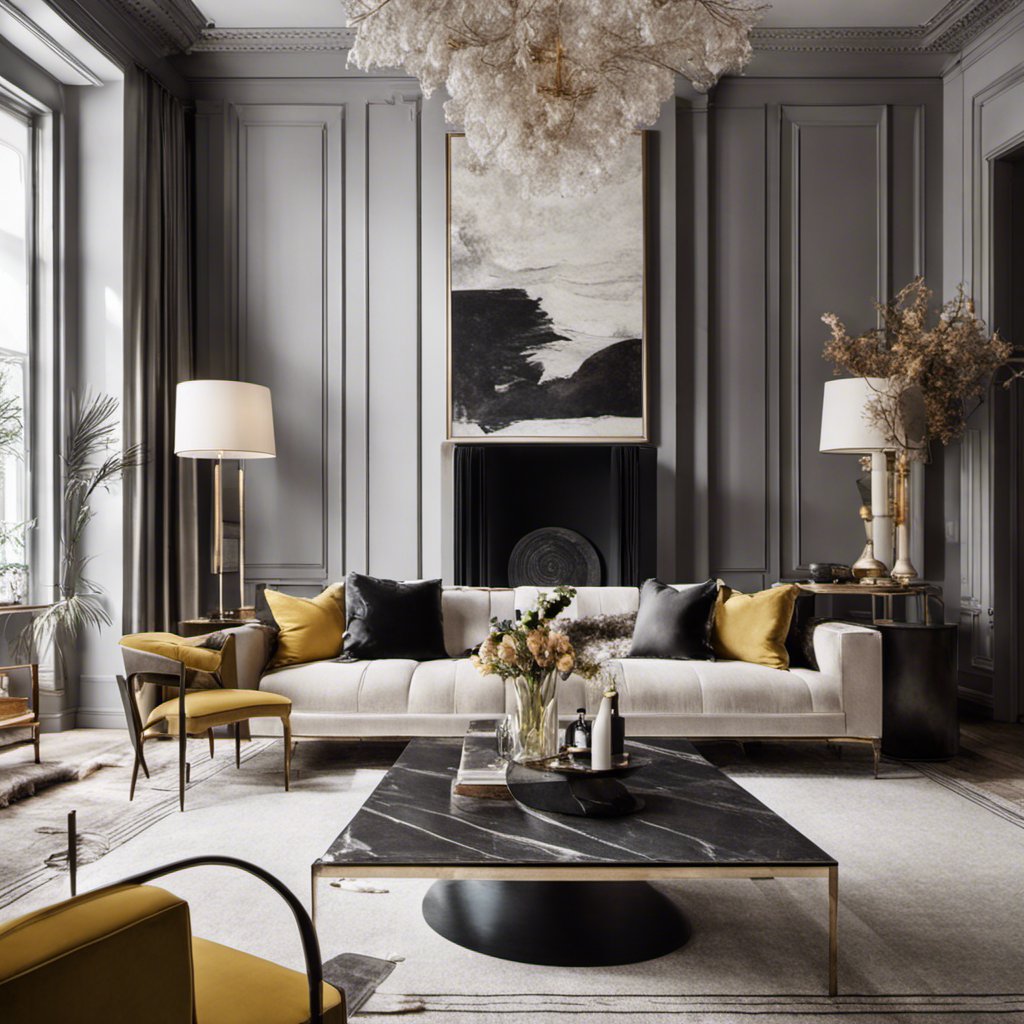
To add depth and elegance to a Romantic-style interior, consider integrating elements in golden or silver hues. These can be featured as picture frames, vases, lamps, or decorative candle holders. Such touches will bring a sense of grandeur and luxury to the space.
For an interior that exudes romantic charm and ease, it's recommended to use soft wood tones, like vanilla or ivory. These shades impart natural warmth and coziness to the room. You can introduce these hues through furniture, flooring, or decorative elements.
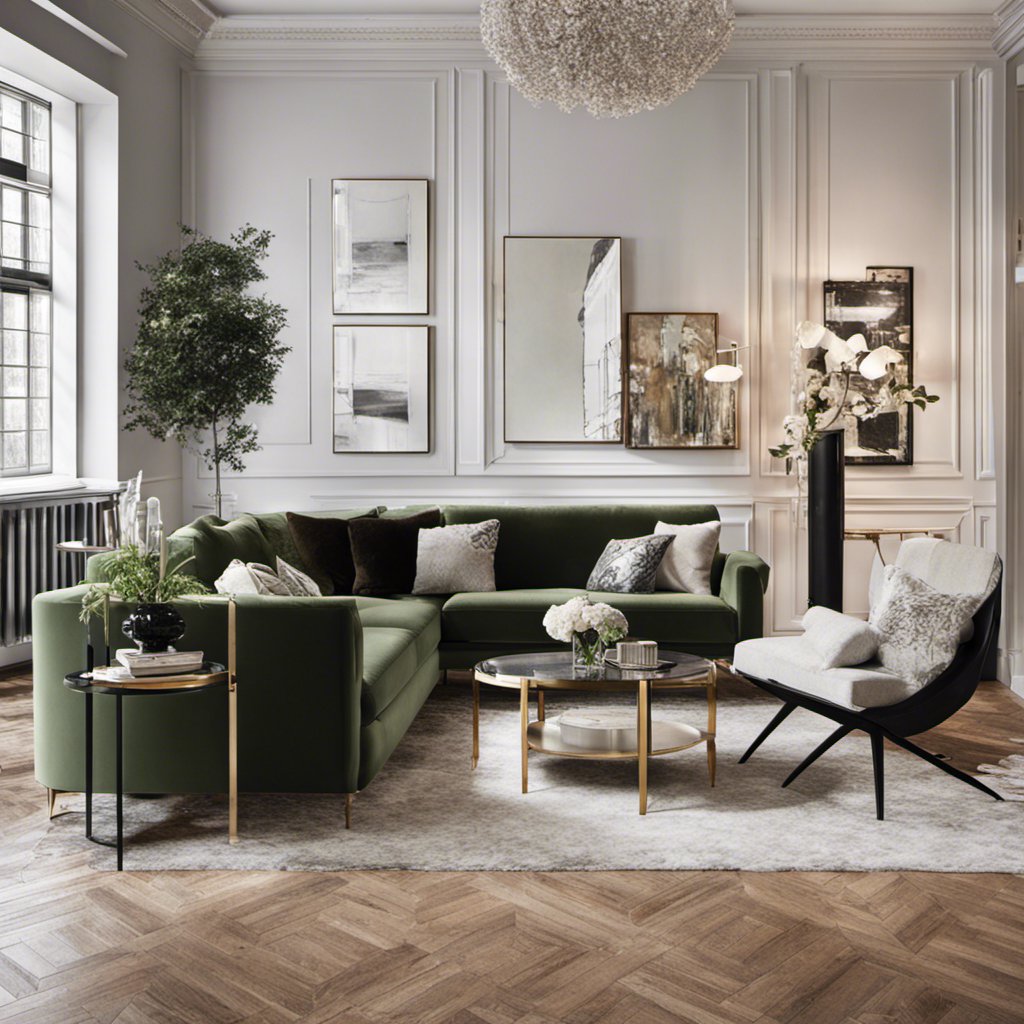
Whatever the Romantic-style interior may be, it is likely to reflect a love for nature. Thus, incorporating natural tones and materials, such as beige, brown, or green, is essential. These colors will create a sense of harmony with the surrounding world and lend the interior a more organic feel.
The color scheme of a romantic interior creates a dreamy and relaxing ambiance where you can immerse yourself and escape from daily worries. It adds sophistication and luxury to your home, crafting the perfect place for relaxation and romantic encounters.
History of Romanticism in Interior Design
The history of romanticism in interior design spans several centuries. This style emerged in the late 18th to early 19th century and continued developing until the mid-19th century. It was popular in Europe, especially in the UK and France, and was characterized by its romantic, emotional, and expressive nature.
Romanticism arose as a reaction to classical and Baroque styles, which were considered too strict and controlled. In contrast, romanticism expressed the ideas of freedom, individualism, and the power of feelings. It was connected with the literary, philosophical, and artistic movement that focused on human nature and emotions.
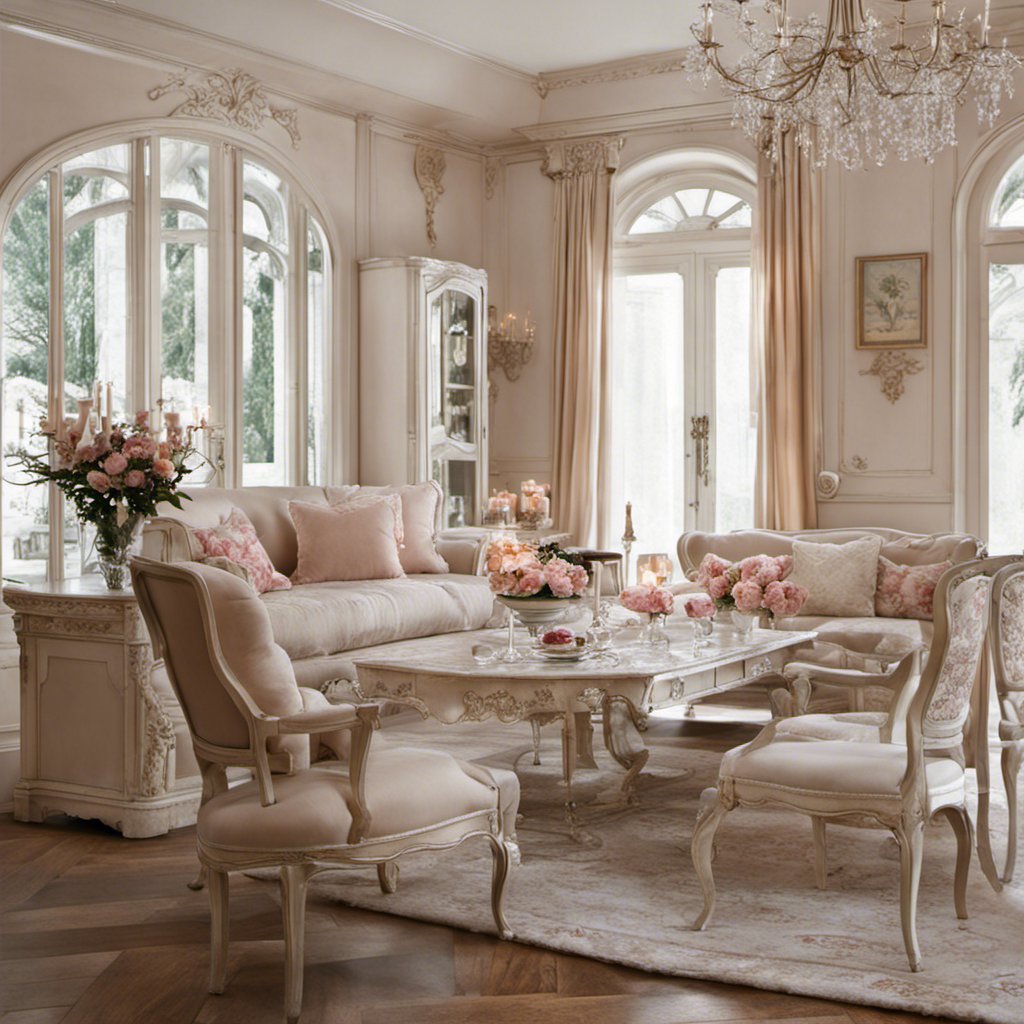

One of the key aspects was the color palette. Shades of pink, purple, blue, and green were used to create a soft, dreamy, and romantic atmosphere. These colors were predominant on walls, in textiles, and decorative elements.
Furniture in Romantic-style interiors was refined, elegant, and often had rounded shapes. The need for comfort and coziness was paramount. Furniture was typically adorned with carvings, gold leaf, or decorative upholstery, which gave it a luxurious and sophisticated look.
Textiles were an essential element of the romantic interior. Heavy draped curtains, soft blankets, and rugs added warmth and comfort. They were generally made from natural fabrics like silk, velvet, or cotton and featured luxurious patterns or embroidery.
Accents in a romantic interior focused on details and decorative elements. Ceiling frescoes, paintings depicting nature or landscapes, statuettes, and vases filled with flowers all contributed to an atmosphere of dreaminess and romance.
One notable figure in romantic interior design was Jonathan Scott, a British architect and designer. He was renowned for his luxurious and exquisite interiors that encapsulated all the aspects of the romantic style.
Over time, the Romantic interior style has undergone some changes and has merged with other styles like Neoclassicism or Eclecticism. However, its main features remain relevant and sought after, especially among those looking for a romantic and cozy place to relax and unwind.
Overall, the history of style is a history of idealism, beauty, and emotions. It brings an atmosphere of luxury and dreams, allowing us to spend time in a beautiful and romantic world.
Lighting in the Romantic Interior Style
Lighting plays a crucial role in setting the mood for this style. This style is characterized by its tenderness, romantic ambiance, airiness, and lightness. It embodies the ideals of beauty and reflects the spirit of the romantic era.
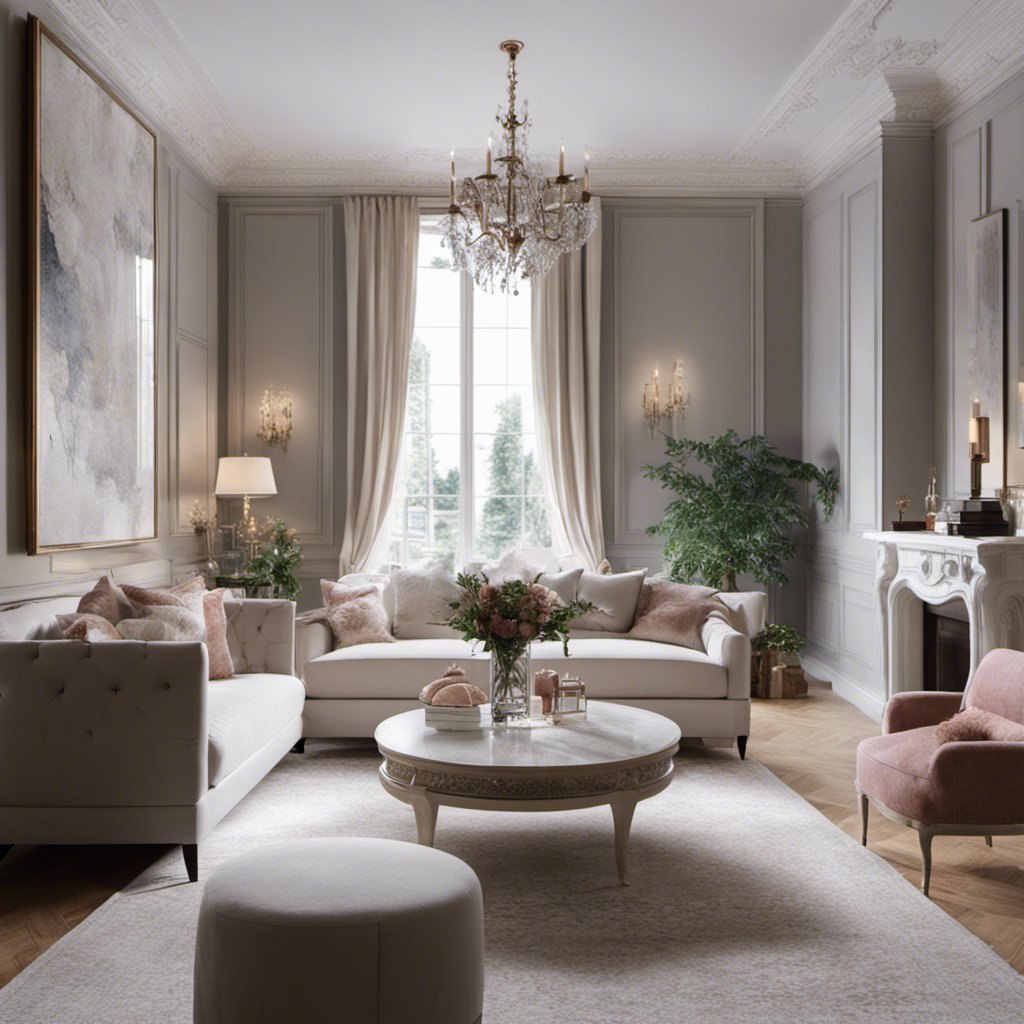
Soft and gentle lighting is often used to create a warm and cozy atmosphere. Attention is focused on the choice of light fixtures, their placement, and brightness. The light should be soft and diffused to create a romantic atmosphere and add warmth and harmony to the interior.
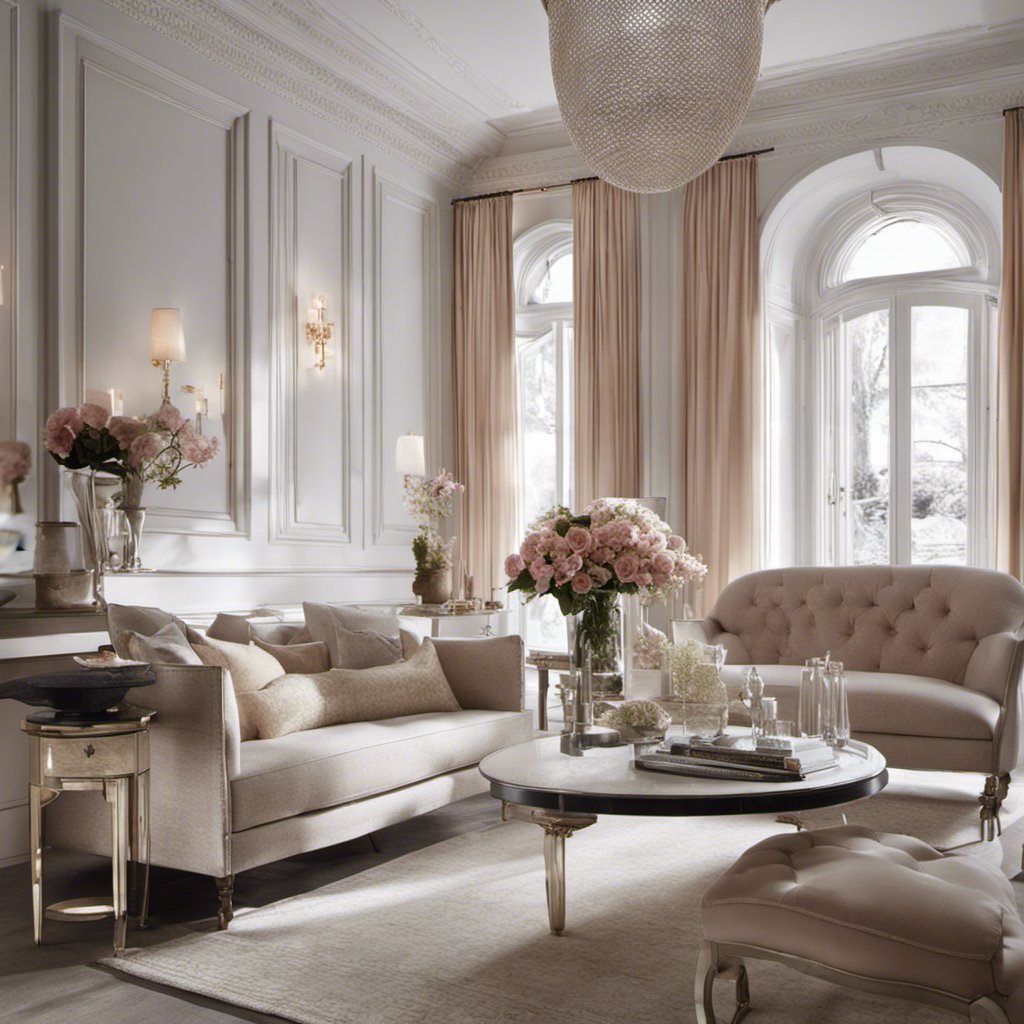
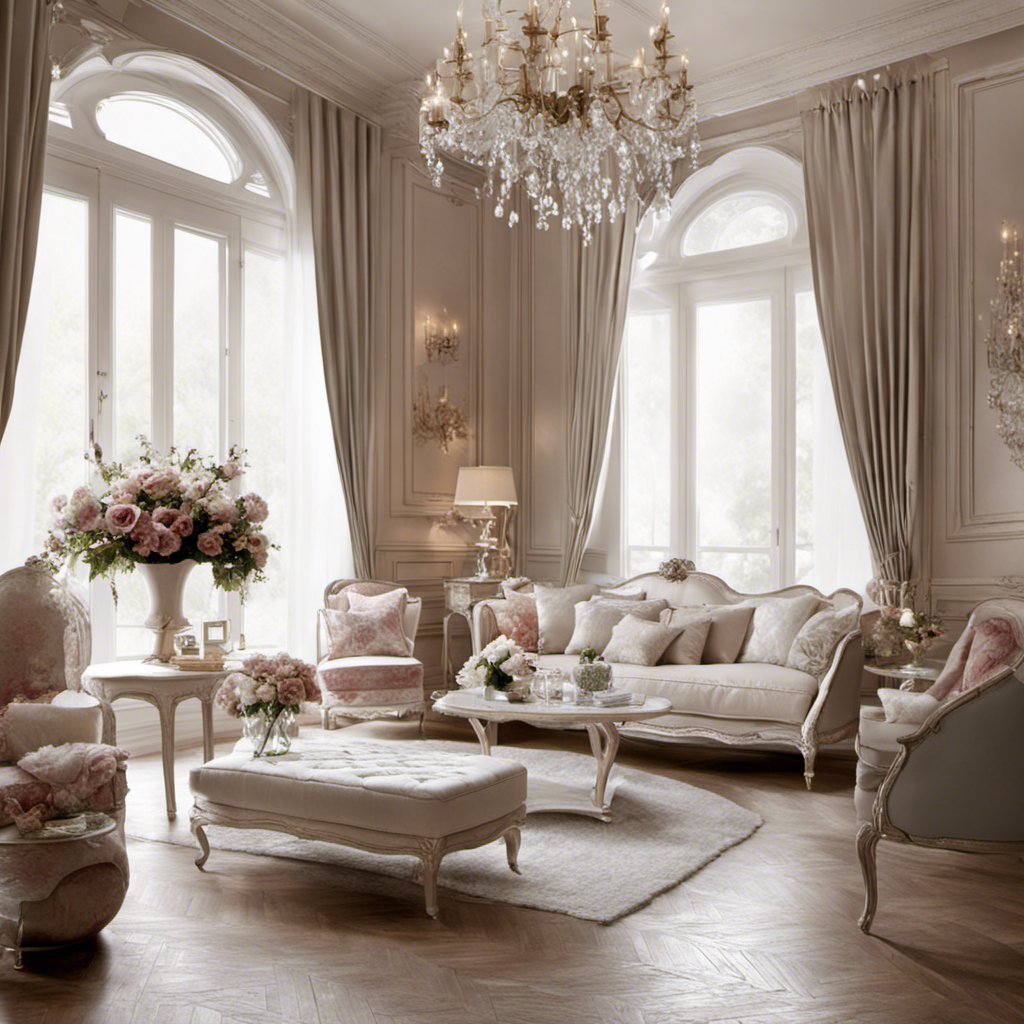
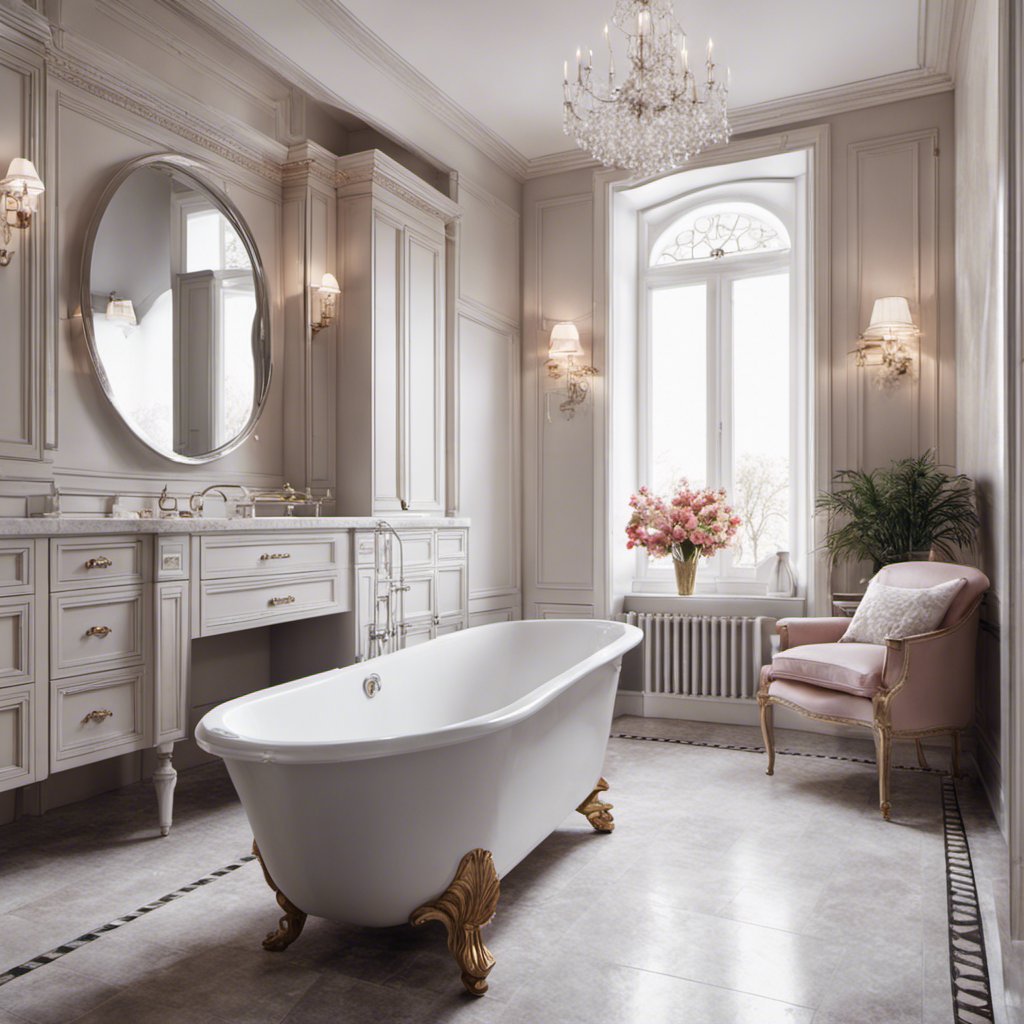
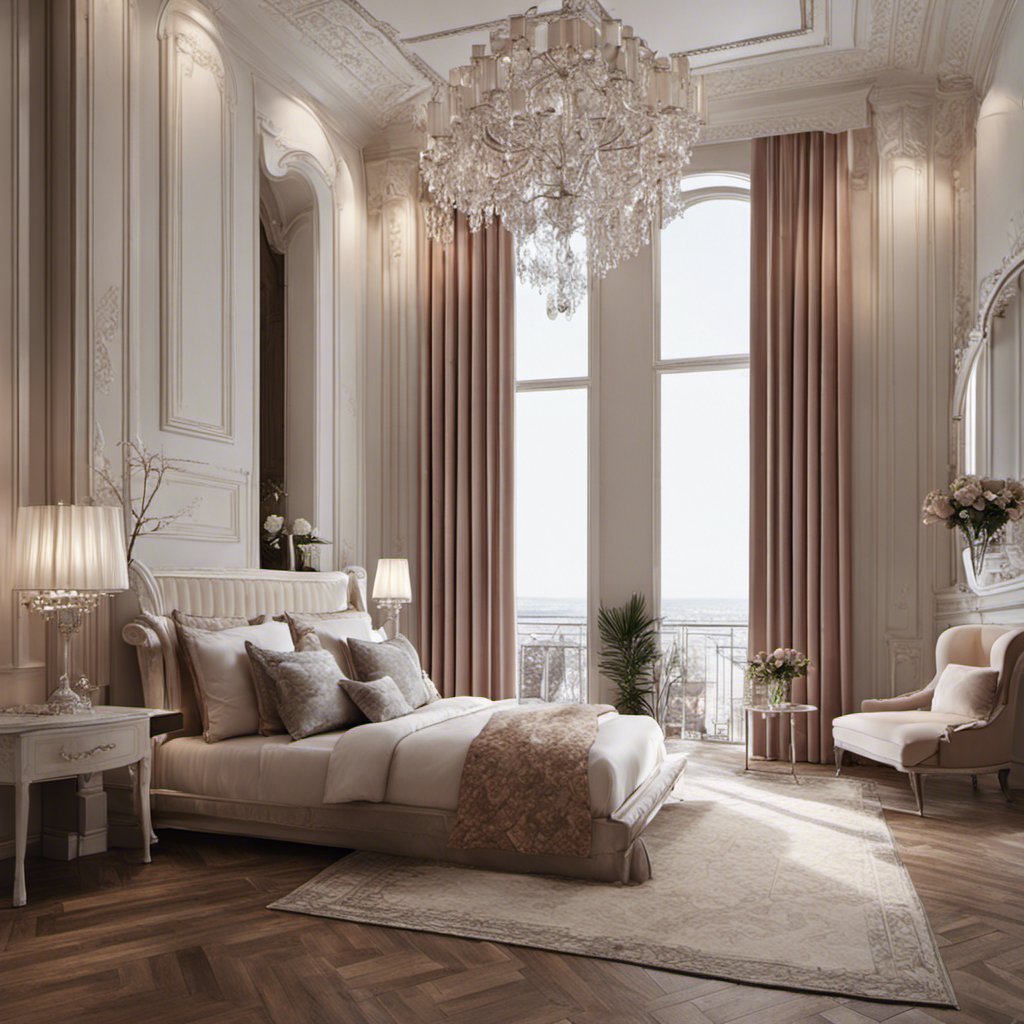
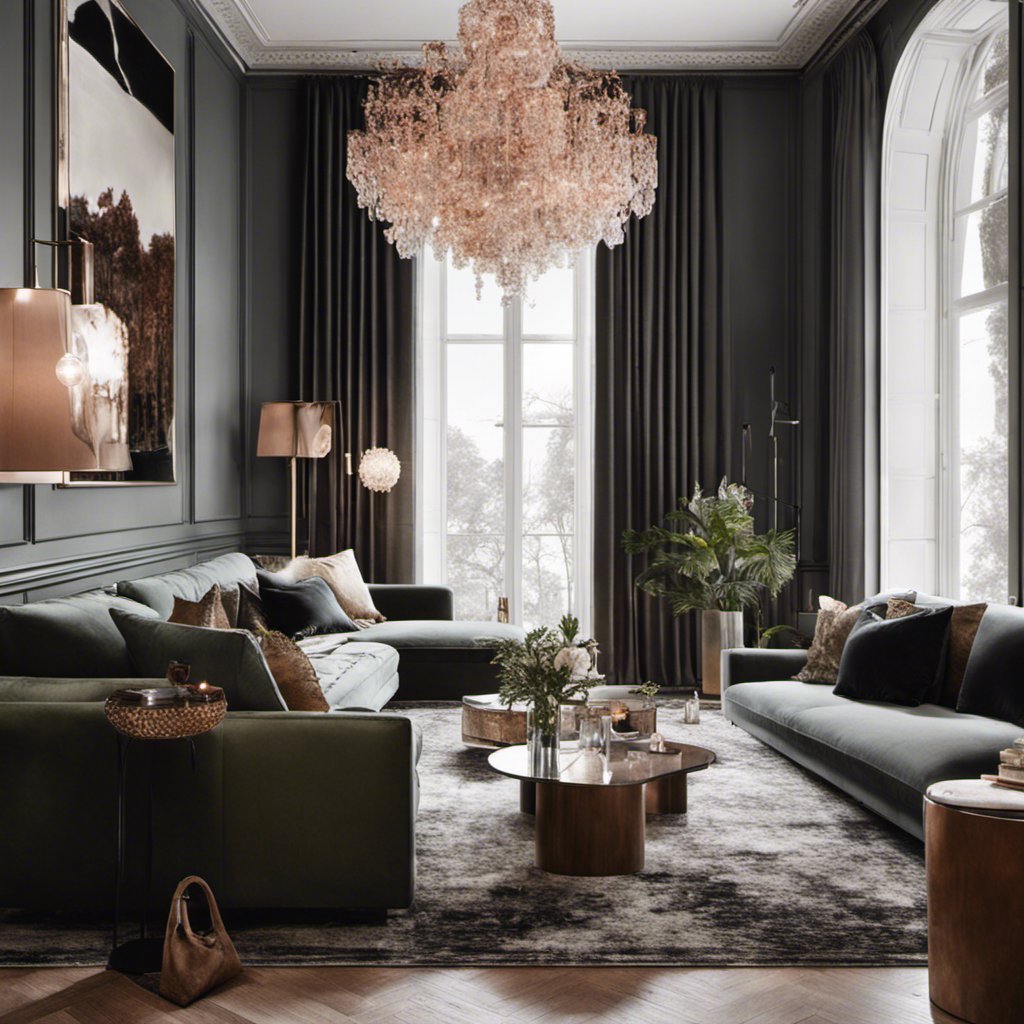
Suspended and table lamps with lush lampshades and decorative elements like flowers, petals, or crystals are often used to create a soft, diffused light effect. They also add a romantic charm and evoke a sense of magic and mystery.
Delicate and intricate designs, commonly found in romantic-style interiors, can be accentuated with lamps featuring adjustable brightness and color temperature. This allows the lighting to be tailored to the mood, creating a dynamic effect that makes the interior feel alive.
Moreover, it is important to coordinate lighting with other interior elements, such as textiles, decorative pillows, and curtains. These can help create a unique interplay of light and shadow, imparting sophistication and mystery to the space.
Lighting plays a crucial role in setting the atmosphere and influencing the mood of people in the room. Well-arranged lighting can create a cozy environment, promote relaxation, and help restore energy after a long day. This style is suitable for both bedrooms, where it fosters a romantic and relaxing atmosphere, and living or dining rooms, where it can enhance enjoyable evenings with friends or family, basking in the enchantment of light and shadow.
In conclusion, lighting in romantic-style interiors is one of the key elements that lend elegance, romance, and mystery to the space. It helps create a unique ambiance and highlights the distinctiveness of each area. It is important to choose light fixtures that visually complement the interior and help achieve the desired atmosphere.
Romantic Style in Interior Design - Photos